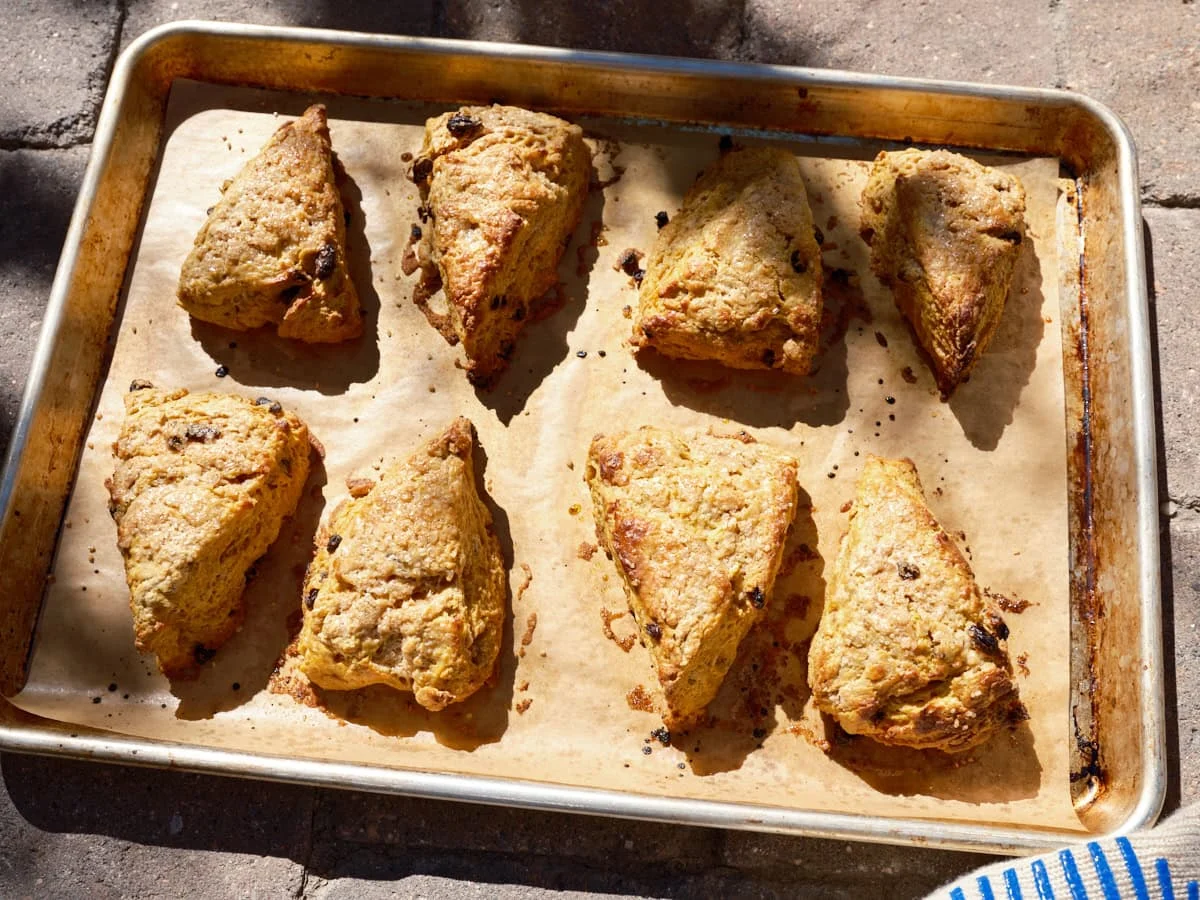

The autumn baking season frequently brings a surge of interest in utilizing leftover pumpkin puree and sourdough starter discard, combining seasonal flavors with the practical management of home fermentation waste. Culinary experimenters and home bakers continually seek innovative methods to transform everyday pantry staples into sophisticated baked goods. Recent developments in home baking techniques, particularly those adapted for challenging environments such as high-altitude regions, have illuminated specific chemical and thermal interactions that dictate the structural integrity of pastries like scones and biscuits.
Background and Context of Sourdough Discard Baking
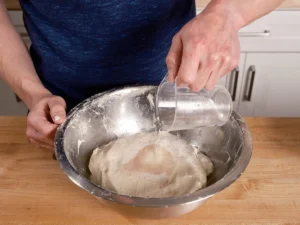
The practice of incorporating sourdough starter discard into quick breads, pastries, and biscuits has gained substantial traction over the past decade. As home sourdough baking experienced a global resurgence, bakers increasingly looked for sustainable ways to utilize the flour and water mixture that is typically discarded during regular feedings. Rather than wasting nutrient-dense fermented flour, recipes formulated for discard allow bakers to harness the complex flavors imparted by wild yeasts and lactic acid bacteria.
Pumpkin-flavored baked goods occupy a significant segment of autumn culinary traditions. However, combining heavy, moisture-rich ingredients like pumpkin puree with traditional pastry doughs often presents structural challenges. High moisture content frequently leads to dense, flat, or overly spread baked goods that fail to achieve the desired vertical lift and textural contrast between a sturdy crust and a tender interior.
The Chemistry of Buttermilk and Gluten Extensibility
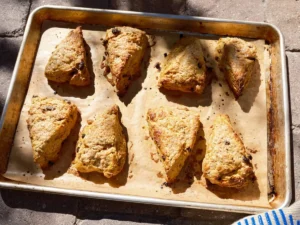
Achieving the ideal texture in a sourdough pumpkin scone involves careful manipulation of flour proteins and liquid components. While many traditional flaky scone recipes rely heavily on high-fat dairy such as heavy cream—where melting fat droplets create distinct layers during baking—alternative dairy products offer distinct chemical advantages.
Research into pastry chemistry indicates that utilizing buttermilk introduces a low pH environment to the dough. This acidity interacts directly with the gluten network, relaxing the protein strands and increasing extensibility. This characteristic is particularly beneficial when working with ancient grains like whole-grain einkorn flour or unrefined whole wheat varieties, which possess a more delicate and less elastic gluten structure compared to standard commercial all-purpose flour. The acid in the buttermilk softens the structural resistance of the whole grains, allowing the pastry to expand vertically rather than resisting the rise. Furthermore, the lactic tang of buttermilk complements the fermented notes of sourdough discard and balances the natural sweetness and earthiness of the pumpkin puree.
Thermal Dynamics: The Role of Convection in Achieving Vertical Rise
Baking mechanics play a critical role in the final architecture of a scone. Culinary experiments conducted across various home kitchen setups demonstrate that utilizing convection oven settings during the initial stages of baking significantly impacts the final height of the product.
Standard radiant heat ovens heat the air passively, allowing dough structures to warm gradually. This gradual warming can cause fats and moisture to melt and expand outward before the structural proteins and starches have set, resulting in flat, spread-out pastries. Conversely, the forced air circulation of a convection setting delivers intense, even heat immediately upon loading the oven. This rapid thermal transfer accelerates the setting of the outer edges and crust, locking in the vertical structure of the dough. For bakers operating in high-altitude environments—such as the high desert, where lower atmospheric pressure causes baked goods to rise too quickly and subsequently collapse—convection baking provides a vital stabilization mechanism. In kitchens lacking a convection feature, replicating this effect requires increasing the initial oven temperature by approximately 25 degrees Fahrenheit for the first few minutes of the bake.
Adaptability and Substitution in Modern Home Baking
Modern home economics and supply chain fluctuations frequently require bakers to substitute ingredients based on pantry availability without sacrificing the quality of the final product. Culinary formulations for seasonal scones have consequently been designed with modularity in mind.
If whole-grain einkorn flour is unavailable, bakers can substitute alternative whole-wheat varieties such as Red Fife, Butler’s Gold, or Marquis. These heritage wheats provide a comparable rustic profile and nutty complexity that anchors the sweetness of the spiced squash. Similarly, pumpkin puree can be successfully interchanged on a weight-for-weight basis with roasted sweet potato puree or butternut squash puree. For individuals seeking alternative fruit additions, dried currants, tart dried cranberries, or fresh blueberries can easily replace traditional raisins without altering the fundamental hydration ratios of the dough.
Implications for Sustainable Home Kitchen Practices
The refinement of sourdough discard recipes reflects a broader movement toward sustainable culinary practices within domestic kitchens. By integrating fermentation byproducts into seasonal baking, home cooks minimize food waste while maximizing nutrient retention through whole grains and fermented components. The technical focus on altitude-adjusted baking, thermal dynamics, and chemical leavening optimization demonstrates an increasing sophistication among home bakers who apply scientific principles to traditional recipes. As these methods continue to circulate through culinary platforms, the intersection of traditional baking heritage and modern food science provides a reliable framework for consistent, high-quality results regardless of geographic or environmental constraints.