
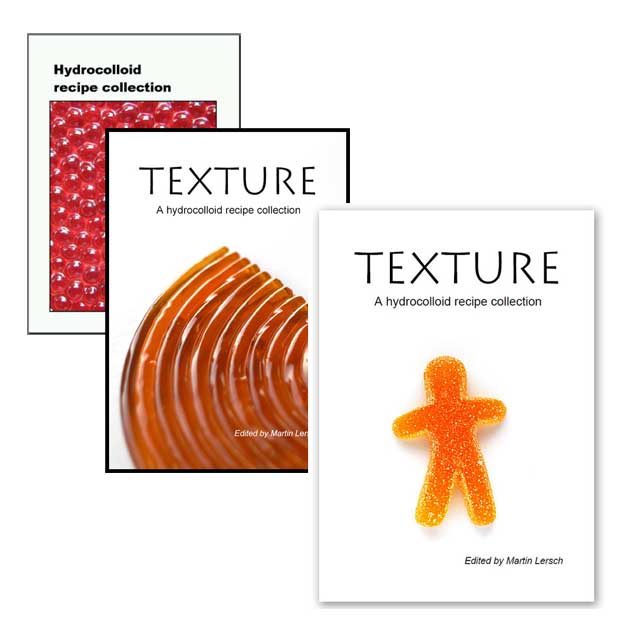
Gastronomy and food science communities are welcoming the announcement of an upcoming incremental update to one of the most widely referenced digital compendiums in modern molecular cooking. The publication, known formally as Texture: A Hydrocolloid Recipe Collection, is preparing its Version 3.1 release, marking the first revision to the text in six years. Created as an open-access resource for culinary professionals, food scientists, and enthusiastic home cooks, the compilation has served as a cornerstone manual for understanding the practical applications of hydrocolloids in the kitchen since its inception.
The announcement of the new version brings to light the ongoing evolution of culinary physics and chemistry. Hydrocolloids—substances that form gels, thicken liquids, or stabilize emulsions when mixed with water—are fundamental to modern culinary arts. By systematically cataloging these ingredients and pairing them with precise measurements and tested formulas, the collection has historically demystified complex techniques that were once confined to industrial food processing and high-end avant-garde restaurants.
A Chronology of Innovation and Culpability
The lineage of the recipe collection dates back nearly two decades, tracing a steady path of digital publication and community-driven revision.
- 2007: The initial release of Texture (Version 1.0) established a foundational framework for chefs working with modernist ingredients, introducing basic hydrocolloids such as agar-agar, sodium alginate, and xanthan gum in a standardized format.
- 2008: Version 2.0 expanded the catalog significantly, incorporating broader categorization and refined ratios based on early adopter feedback from professional kitchens.
- 2014: Version 3.0 brought a comprehensive structural overhaul, improving readability, expanding the scope of ingredients, and refining the categorization of gelling, thickening, and stabilizing agents.
- 2020: The announcement of Version 3.1 signals a shift toward community-polled refinements, focusing on error correction, photographic evidence for recipes, and the inclusion of contemporary culinary trends that have emerged over the preceding half-decade.
This six-year gap represents the longest period without an update in the project’s history. During this time, the global landscape of home cooking and professional gastronomy has shifted dramatically, driven by digital recipe sharing, pandemic-era culinary experimentation, and a broader public interest in the science of everyday cooking.
Addressing Gaps in the Hydrocolloid Catalog
The forthcoming revision aims to rectify historical imbalances in how specific hydrocolloids are represented within the text. While ingredients like agar, gelatin, and lecithin have enjoyed extensive documentation in past editions, several traditional and natural hydrocolloids have remained underrepresented.
Editors and contributors have highlighted guar gum, gum arabic, konjac, locust bean gum, and tara gum as primary targets for expansion. These substances, derived primarily from plant seeds, tree exudates, and tubers, offer distinct functional properties that differ significantly from synthetic or heavily processed texturizers. By sourcing new recipes that highlight the specific functional ranges of these underutilized ingredients, Version 3.1 aims to provide a more balanced and comprehensive manual for texture manipulation.
At the same time, the collection maintains a strict editorial boundary regarding proprietary products. Commercial formulations such as Ultra-Tex and Pure Cote (both classified as modified starches) alongside Trisol (a specialized wheat fiber product) remain intentionally omitted. This editorial stance preserves the educational and universally accessible nature of the guide, ensuring that recipes rely as much as possible on standardized, identifiable chemical components rather than proprietary brand-name formulations.
The Role of Community Feedback and Photographic Verification
A defining characteristic of the project’s development has been its reliance on crowdsourced verification. The transition from Version 3.0 to 3.1 relies heavily on feedback collected from international users, including professional chefs, pastry artists, and academic food scientists who have tested the formulas in real-world environments.
According to project communications, the upcoming release will integrate user-submitted corrections regarding typos, methodological errors, and proportionality adjustments. Furthermore, the inclusion of photographic evidence remains a key metric for recipe validation. Historical guidelines for the collection stipulate that a recipe accompanied by a verified photograph indicates successful replication in an independent kitchen. Consequently, calls for photographic submissions have accompanied the Version 3.1 announcement, encouraging contributors to submit visual documentation of tested formulas.
Expanding the Non-Hydrocolloid and Foam Categories
Beyond traditional hydrocolloids, the collection features a specialized category dedicated to non-hydrocolloid recipes. This section explores regional culinary traditions from around the world where unique textures—such as gels, curds, and custards—are achieved through natural protein coagulation, starches, or enzymatic reactions without the addition of extracted hydrocolloids.
Existing entries in this category include traditional preparations such as Junket, Cuajada, ginger milk custard, Aiyu jelly, grass jelly, tofu, and hominy. For Version 3.1, this section is slated for expansion to capture modern global phenomena that rely on physical aeration and foam stabilization.
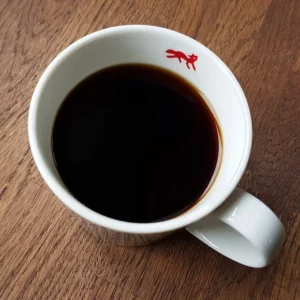
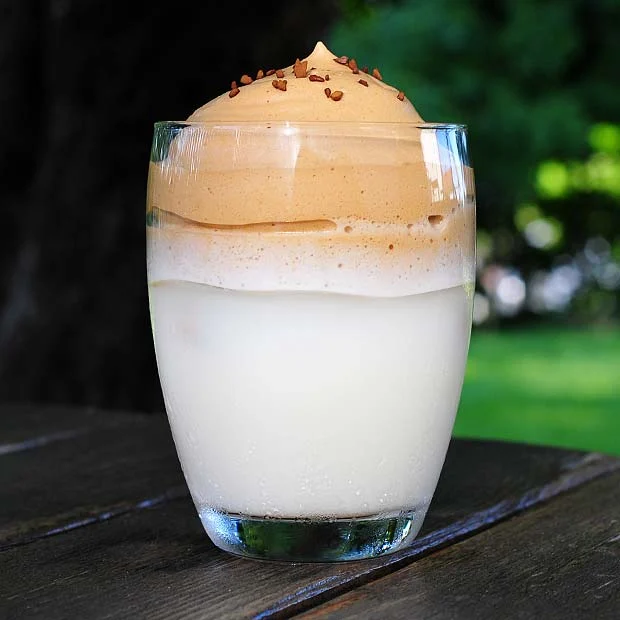
Chief among these additions is the Dalgona coffee foam. The whipped beverage phenomenon, which achieved unprecedented viral status across global social media platforms during the spring of 2020, exemplifies the physical stabilization of foam through the mechanical incorporation of air into instant coffee, sugar, and water. Its inclusion in Version 3.1 highlights a growing recognition that contemporary food science principles apply equally to viral internet trends and traditional culinary heritage.
Broader Implications for Food Education and Modern Gastronomy
The sustained relevance of resources like Texture underscores a broader cultural trend: the democratization of food science. Once guarded as proprietary trade secrets within industrial R&D laboratories or elite Michelin-starred kitchens, the mechanics of food texture have become accessible to a global audience of home cooks and culinary students.
By organizing complex physical chemistry into accessible recipes, projects of this nature bridge the gap between abstract scientific literature and practical kitchen execution. The integration of traditional regional gels alongside modern hydrocolloid applications fosters a holistic understanding of how food structure influences human perception of flavor, mouthfeel, and satiety.
As the culinary community awaits the official release of Version 3.1, the collaborative effort behind the update demonstrates the enduring viability of open-source knowledge sharing in the culinary arts. With refined error corrections, expanded coverage of plant-based gums, and the formal inclusion of contemporary culinary phenomena like Dalgona foam, the updated collection is positioned to remain a vital reference text for the next generation of culinary innovators.