The modern culinary landscape has undergone a significant transformation over the last decade, driven largely by an increased consumer demand for dietary inclusivity. Among the most notable shifts is the rise of "snack cakes"—baked goods designed for convenience and portion control—that cater to specific health requirements, such as gluten-free and dairy-free lifestyles. The recently developed 1-Bowl Honey Almond Snack Cake exemplifies this trend, offering a refined, allergen-friendly alternative to traditional confectionery. By utilizing a simplified preparation method and a streamlined list of ten core ingredients, this recipe illustrates how home baking has evolved to prioritize efficiency without sacrificing sensory quality.
The Evolution of Gluten-Free Baking Techniques
Historically, gluten-free baking was often criticized for its reliance on complex ingredient lists and the tendency for finished products to exhibit a dense or crumbly texture. The introduction of standardized, 1:1 gluten-free flour blends has been the primary catalyst for change in this sector. These proprietary mixes, often composed of rice flour, potato starch, and xanthan gum, mimic the structural properties of wheat-based flours.
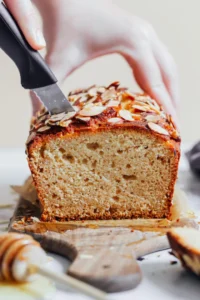
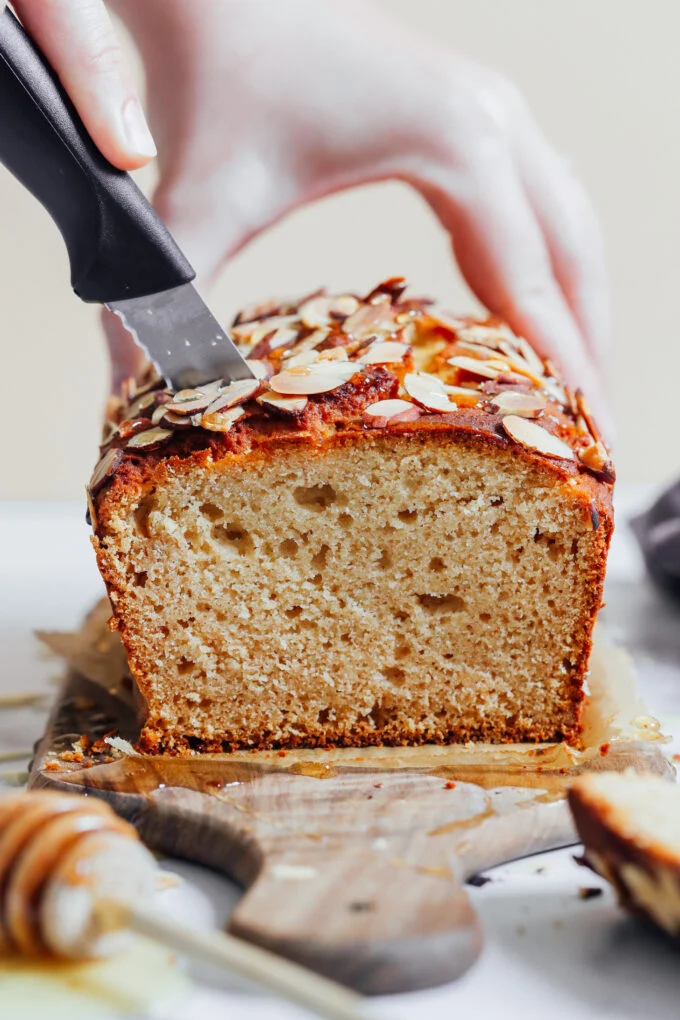
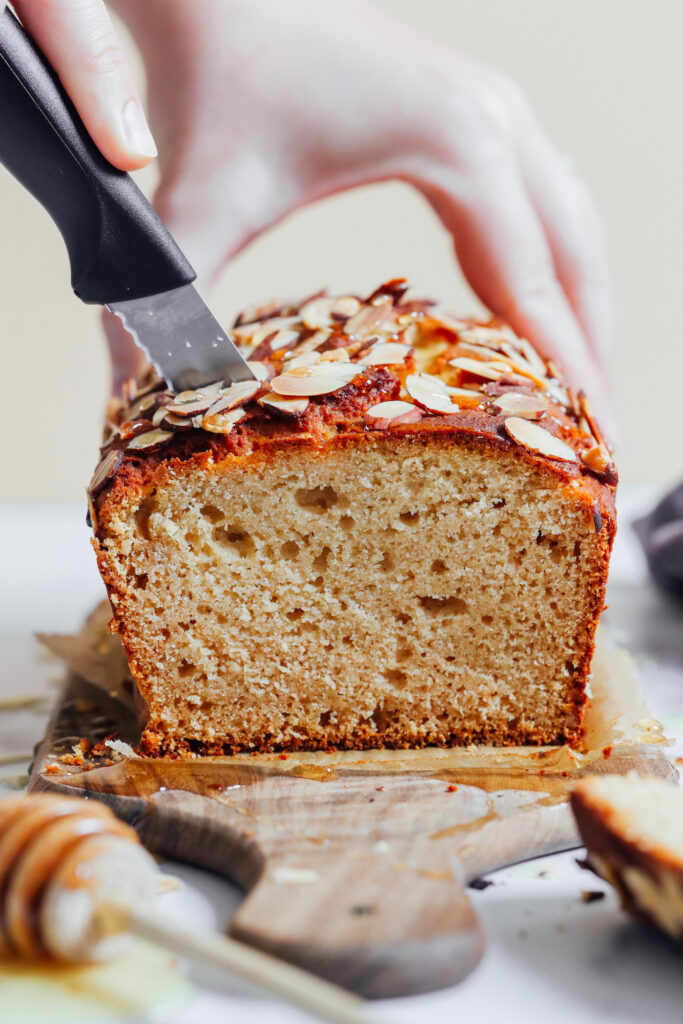
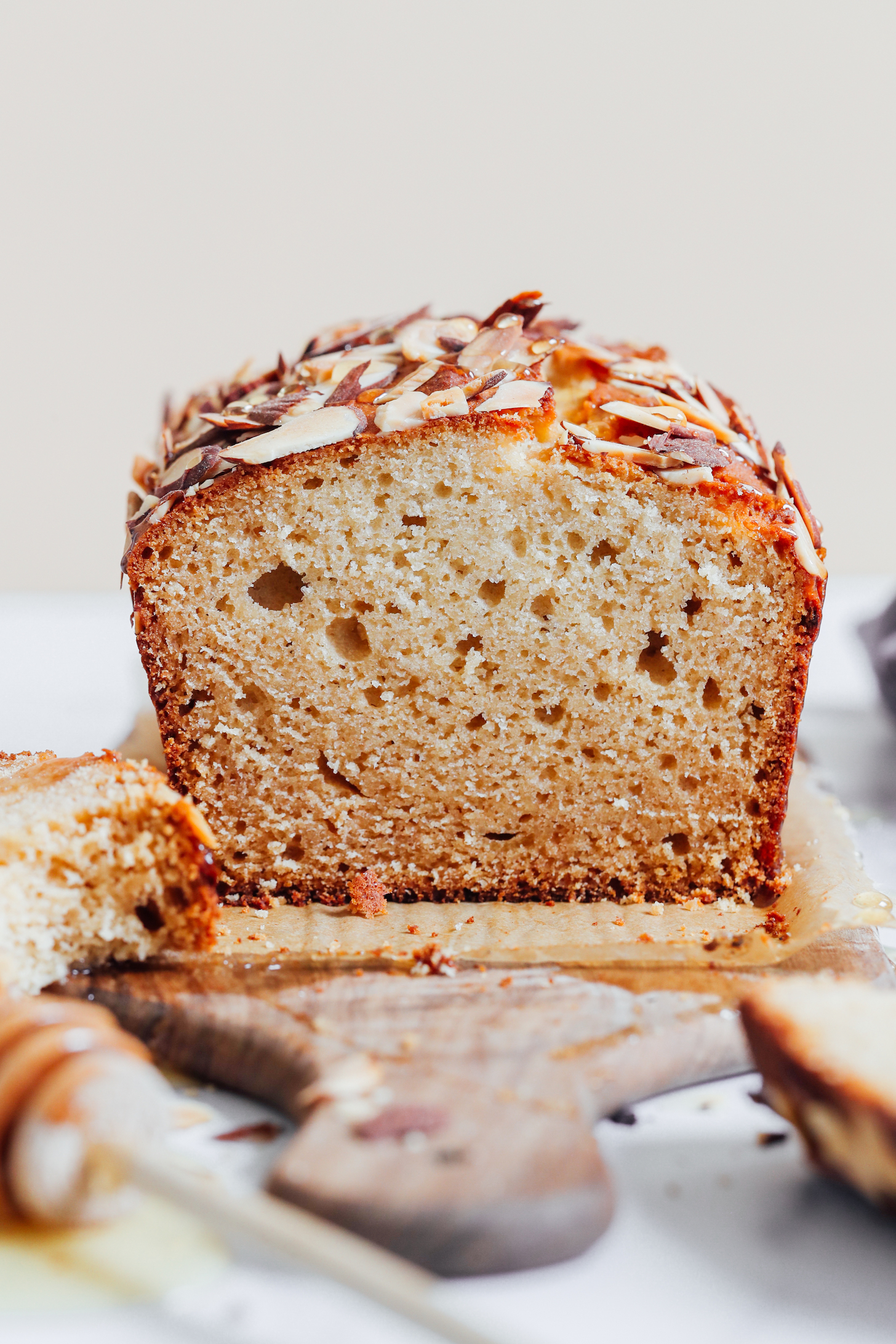
The Honey Almond Snack Cake leverages these advancements to produce a light, sponge-like crumb. By incorporating almond flour, the recipe introduces natural fats and proteins that compensate for the lack of gluten, resulting in a moisture profile that remains stable for three to four days. This development marks a transition from experimental, high-failure-rate recipes to reliable, professional-grade results achievable in a residential kitchen.
Technical Specifications and Preparation Methodology
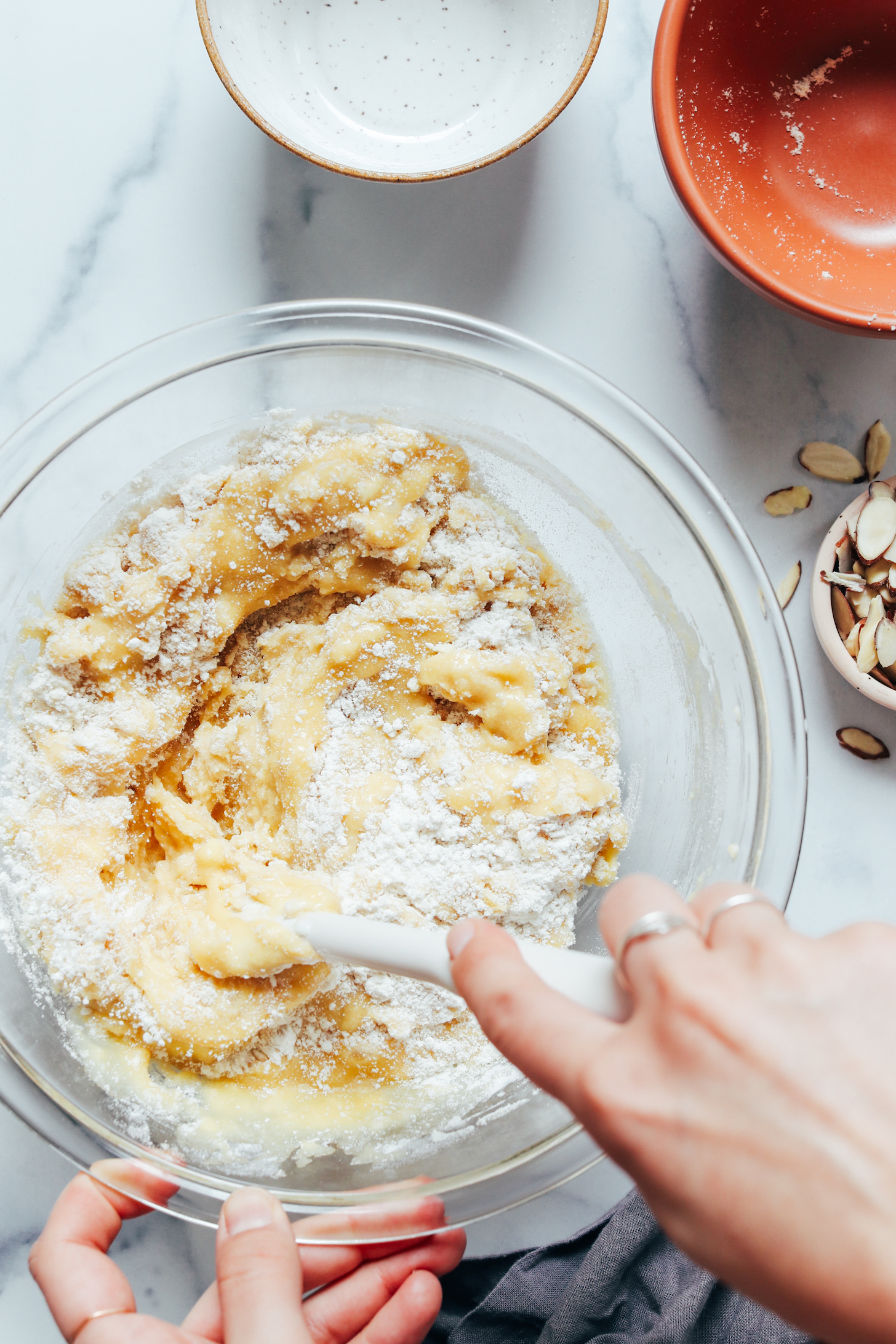
The efficiency of this particular snack cake lies in its "one-bowl" methodology. From a logistical standpoint, reducing the number of mixing vessels minimizes cleanup and decreases the probability of cross-contamination—a critical factor for those managing celiac disease or severe gluten sensitivities.
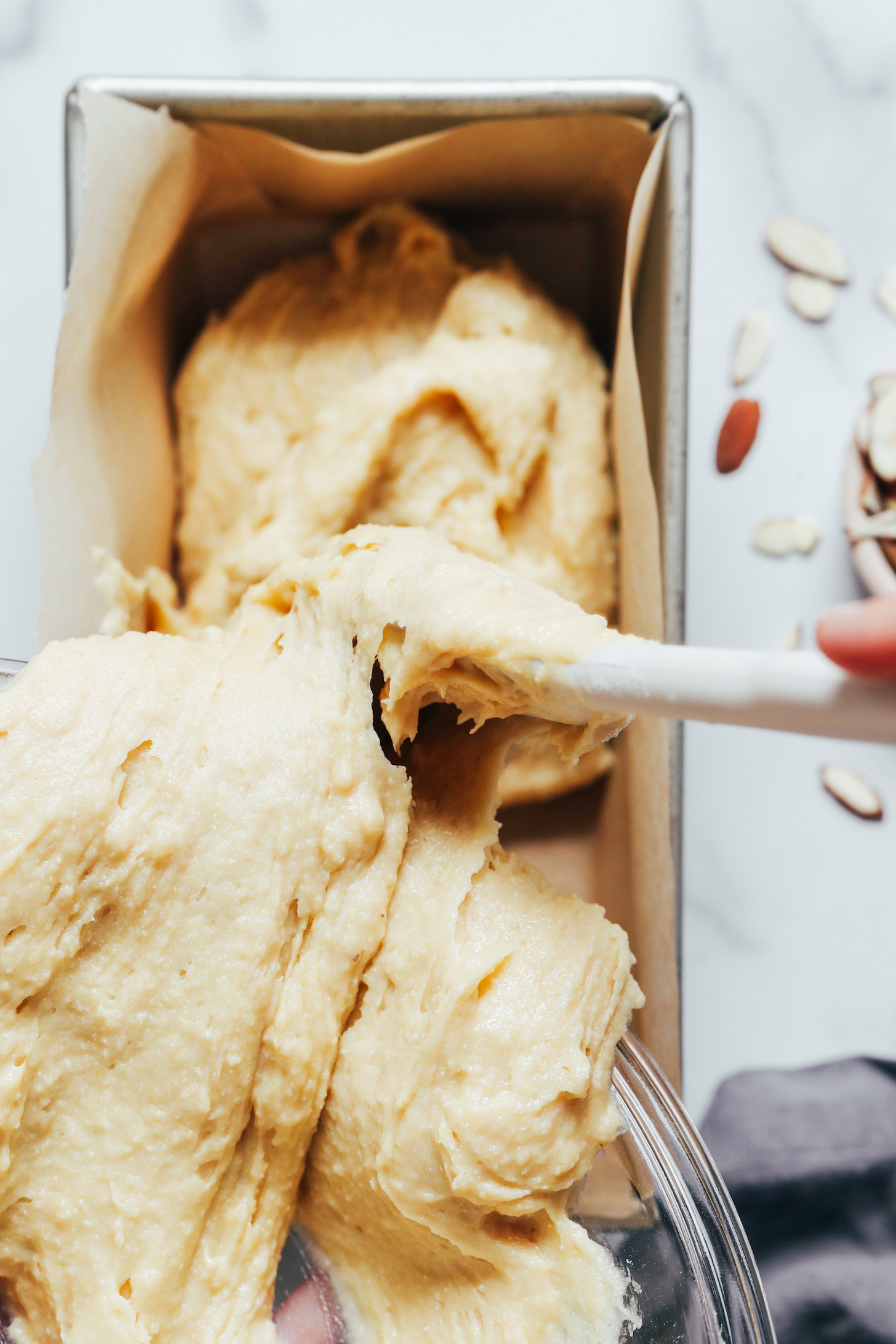
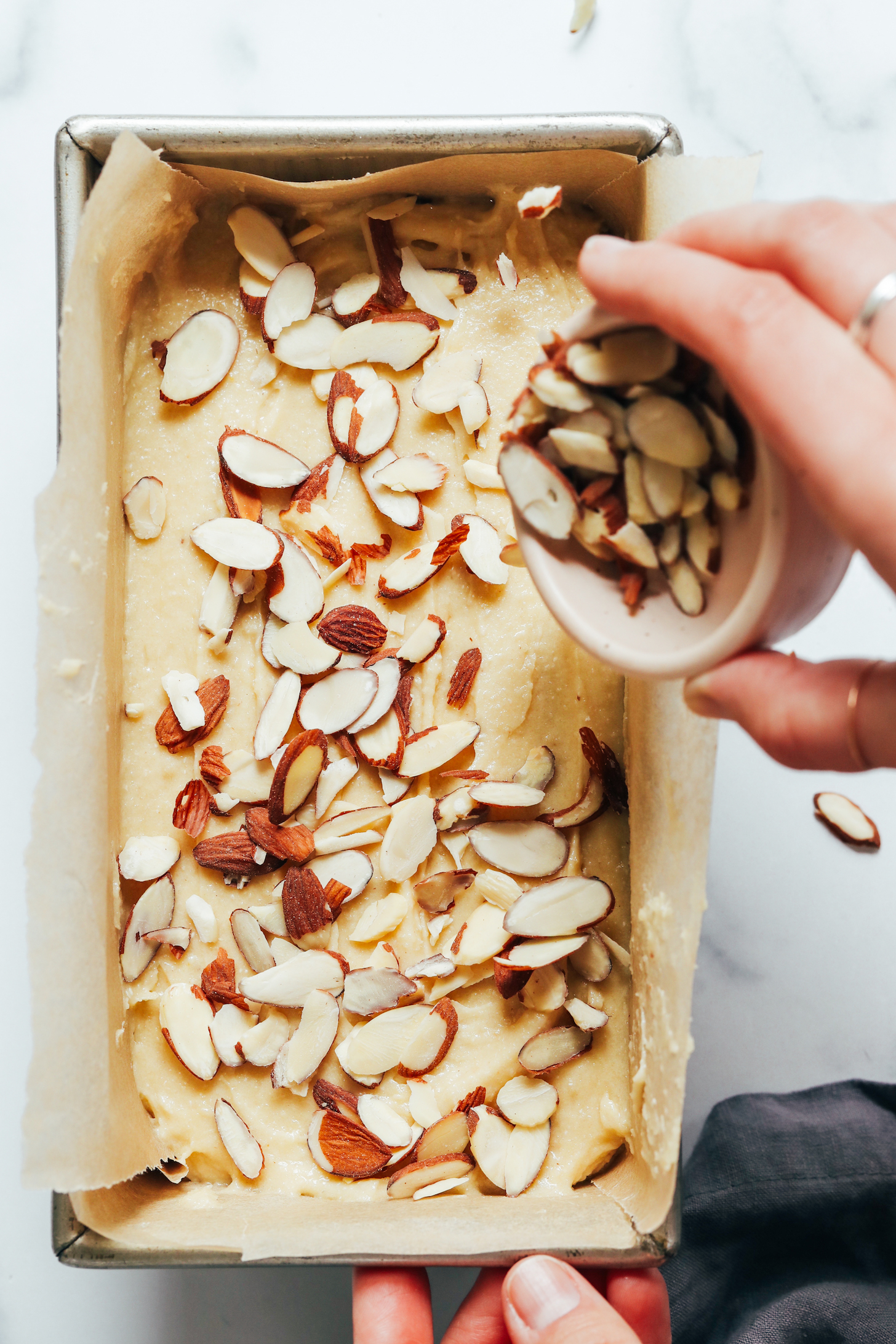
The preparation timeline is optimized for modern schedules, requiring approximately 10 minutes of active prep time and 45 minutes of thermal processing. The baking process is typically conducted in a standard parchment-lined loaf pan, which ensures an even distribution of heat. The use of parchment paper serves both as a non-stick mechanism and as a structural aid, allowing for the easy extraction of the delicate, moisture-heavy loaf without compromising its integrity.
Nutritional Profile and Ingredient Synergy:
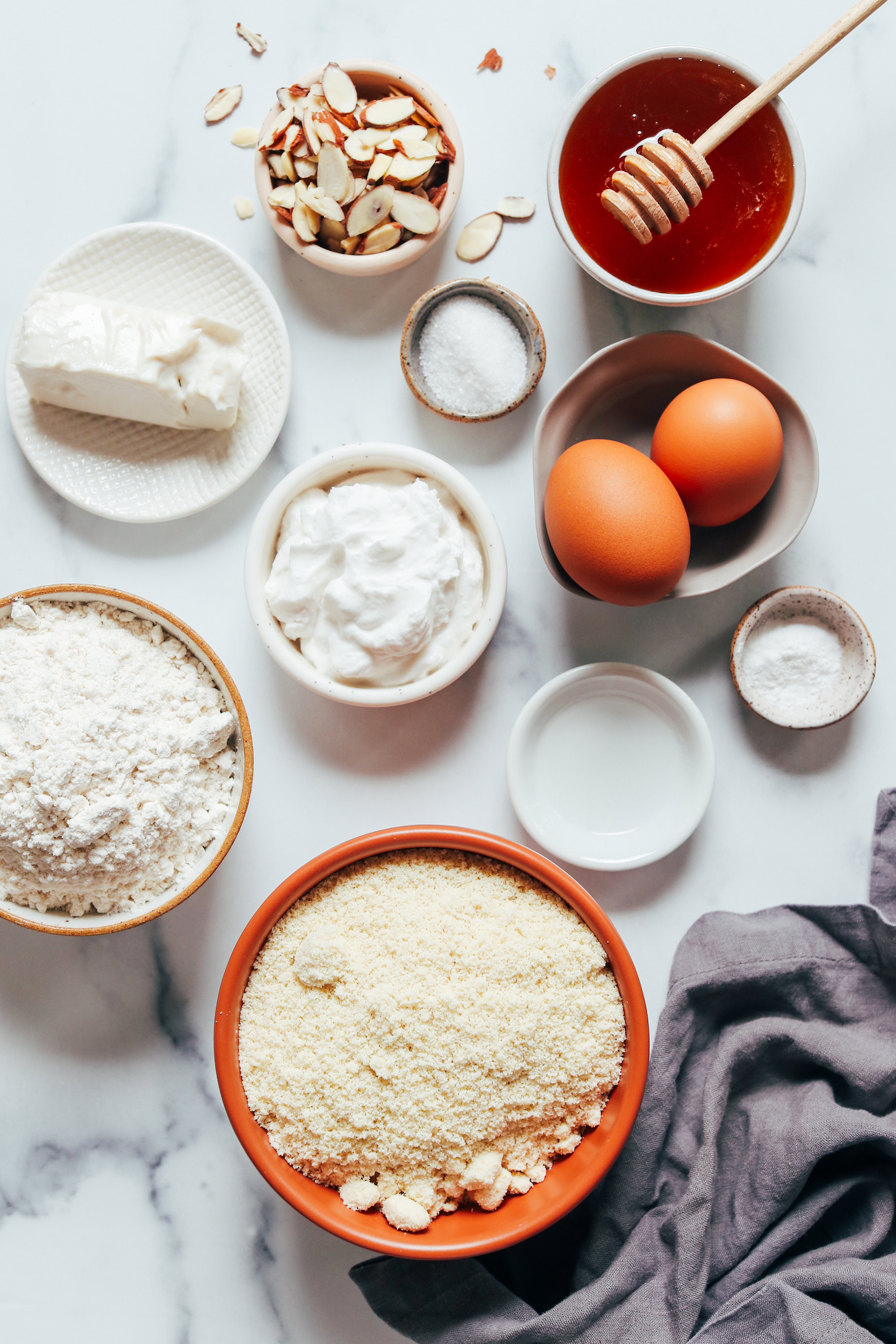
- Primary Base: A specialized 1:1 gluten-free flour blend.
- Lipid Source: Dairy-free butter alternatives, which provide the necessary fat content to maintain a soft crumb.
- Protein/Binding: Eggs, which act as the primary leavening agent and structural stabilizer.
- Flavor Profile: A combination of honey for natural sweetness and almond extract for depth.
With approximately 245 calories per slice, the snack cake is positioned as a moderate, nutrient-dense alternative to processed snacks. The inclusion of almond flour contributes 1.7 grams of dietary fiber and 3.7 grams of protein per serving, providing a more balanced macronutrient profile than traditional sugar-laden cakes.
Market Context and Consumer Trends
The rise of the "snack cake" phenomenon is intrinsically linked to the broader "home-economy" movement. Following global supply chain disruptions in the early 2020s, many consumers shifted toward preparing their own high-quality pantry staples. Data from consumer research firms indicate a 15% year-over-year increase in interest regarding recipes that require fewer than 12 ingredients.
The Honey Almond Snack Cake fits into the "minimalist" food category, a growing segment that prioritizes high-quality, whole-food ingredients over complex chemical additives. By avoiding dairy and gluten, this recipe also captures a significant portion of the market that includes individuals with lactose intolerance and gluten-related disorders, as well as the growing demographic of "lifestyle dieters" who choose to avoid these ingredients for purported inflammatory-reduction benefits.
Strategic Advantages of the Recipe’s Design
The simplicity of the recipe allows for significant modularity. While the current iteration specifies a loaf pan, the recipe’s chemical structure allows for the use of 8-inch round pans, albeit with a shortened bake time. This flexibility is a hallmark of modern recipe design, where the end-user is encouraged to adapt the baking vessel based on available hardware.
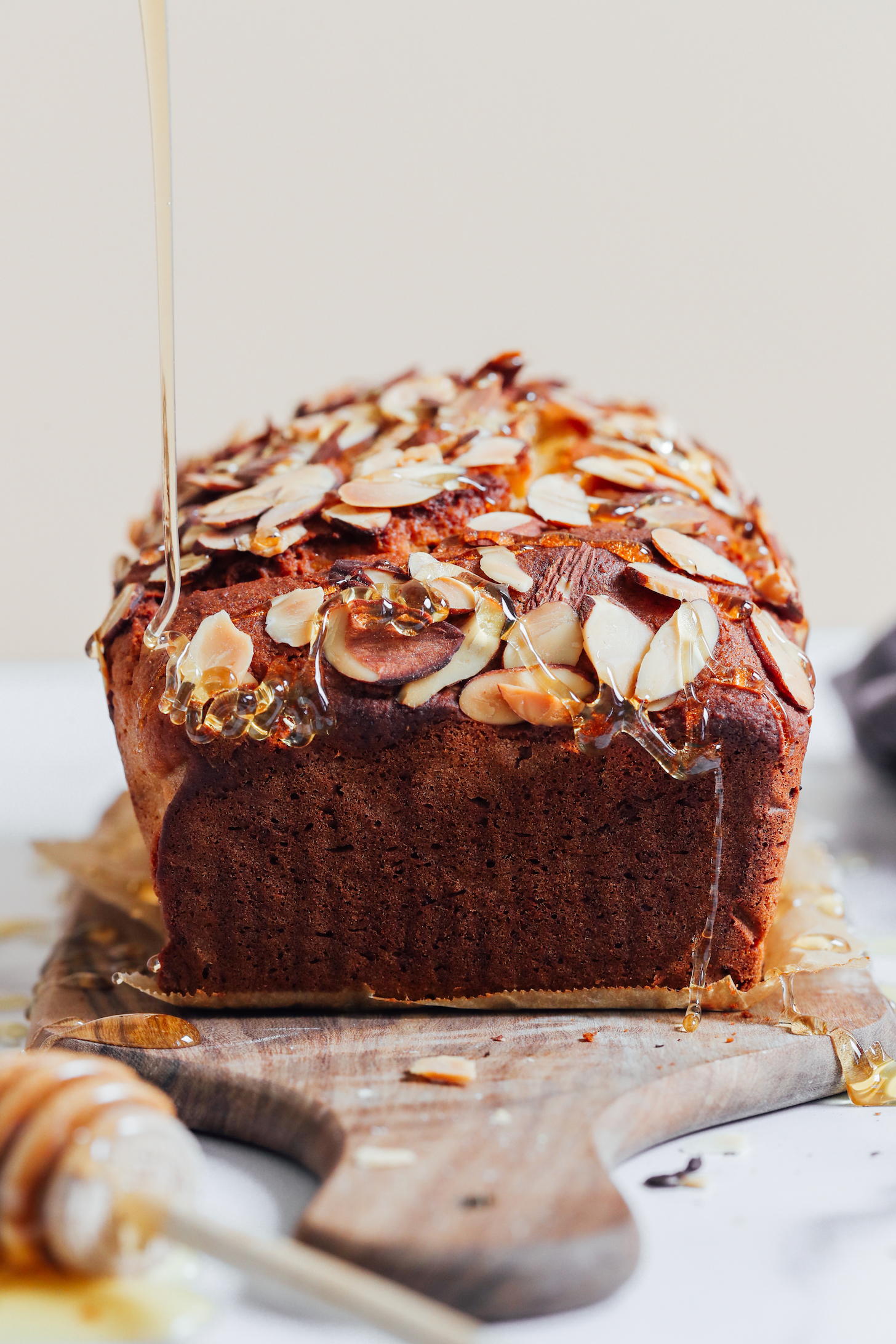
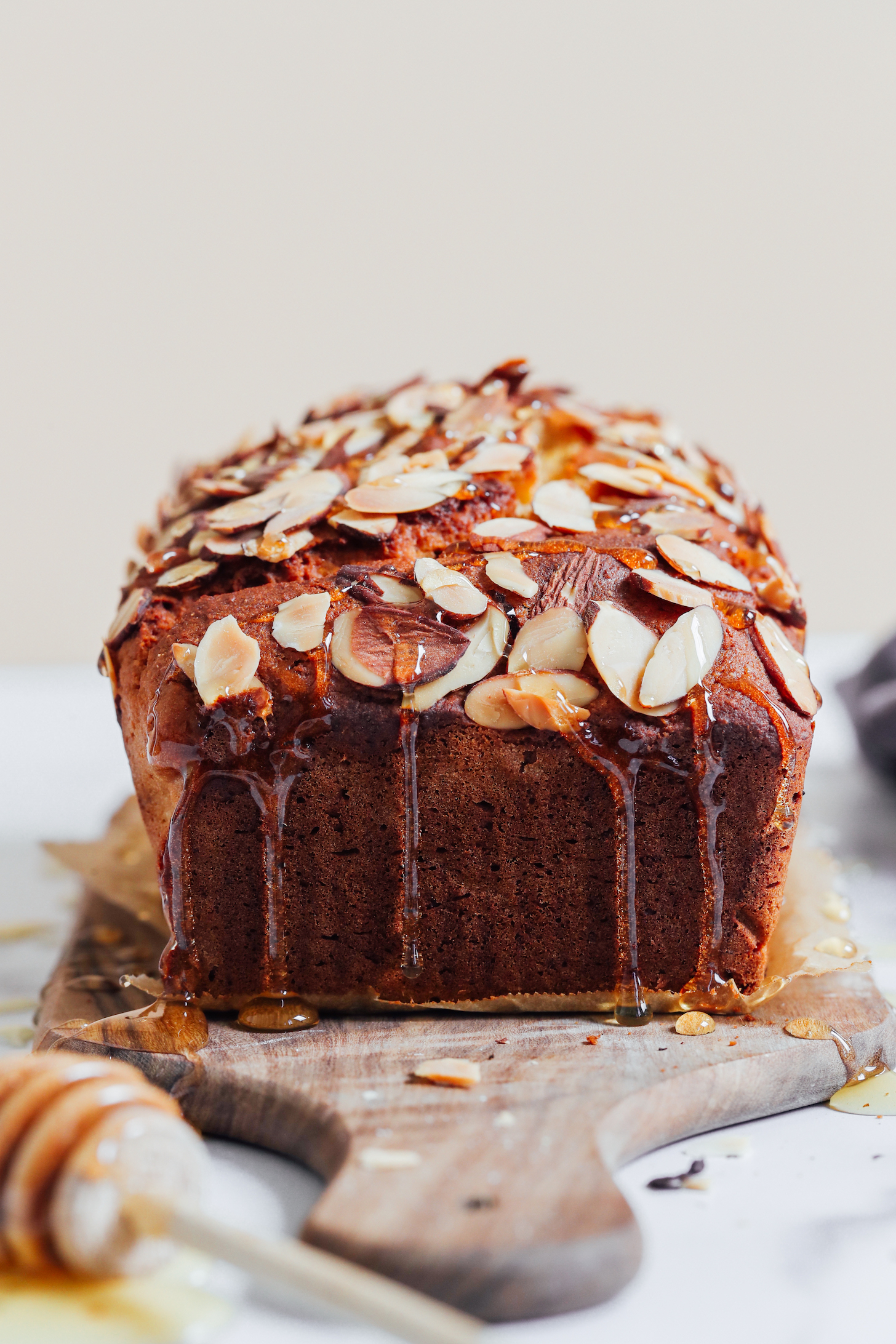
Furthermore, the addition of sliced almonds as a topping provides a textural contrast—a common technique in high-end patisserie used to elevate simple sponges. The post-bake drizzle of honey serves as a flavor enhancer and a visual garnish, reinforcing the "natural" branding associated with honey-based products.
Broader Implications for Home Baking
The success of the 1-Bowl Honey Almond Snack Cake signals a departure from the "complicated gourmet" era of the 2000s. Today’s home baker is looking for outcomes that are "undetectably" allergen-free. The goal is no longer to create a "gluten-free version" of a cake, but rather a cake that stands on its own merits.
The reliance on common, accessible ingredients—such as eggs, honey, and almond flour—also mitigates the "cost-of-entry" barrier often associated with specialty diets. By utilizing ingredients that are becoming staples in standard grocery stores, the recipe democratizes the ability to bake for specific dietary needs.
Future Outlook and Scientific Considerations
While the current recipe relies on eggs, the notes provided by the creators suggest that the formula is ripe for further iteration. The mention of applesauce or aquafaba (the viscous liquid found in canned chickpeas) as potential substitutes for eggs indicates that the recipe could eventually be adapted to be entirely vegan. This iterative process—where recipes are refined based on user feedback and creative substitution—is a primary driver of modern culinary innovation.
The long-term storage capacity of the cake, which is noted as freezer-friendly for up to one month, addresses the modern need for food preservation. In an era where food waste is a primary concern, recipes that allow for batch-baking and long-term storage are increasingly favored by consumers seeking to manage their household budget and minimize waste.
Conclusion
The 1-Bowl Honey Almond Snack Cake is more than a simple dessert; it is a manifestation of current culinary priorities: health-conscious consumption, efficiency, and ingredient transparency. By streamlining the preparation process and relying on the inherent properties of almond flour and honey, the recipe achieves a professional result with minimal effort. As dietary preferences continue to evolve toward inclusivity, the methods demonstrated here—minimalist, ingredient-focused, and allergen-aware—will likely become the standard for domestic baking in the coming years. Through the thoughtful selection of ingredients and a focus on simple, replicable techniques, the home kitchen continues to prove that convenience does not have to come at the expense of quality or dietary health.