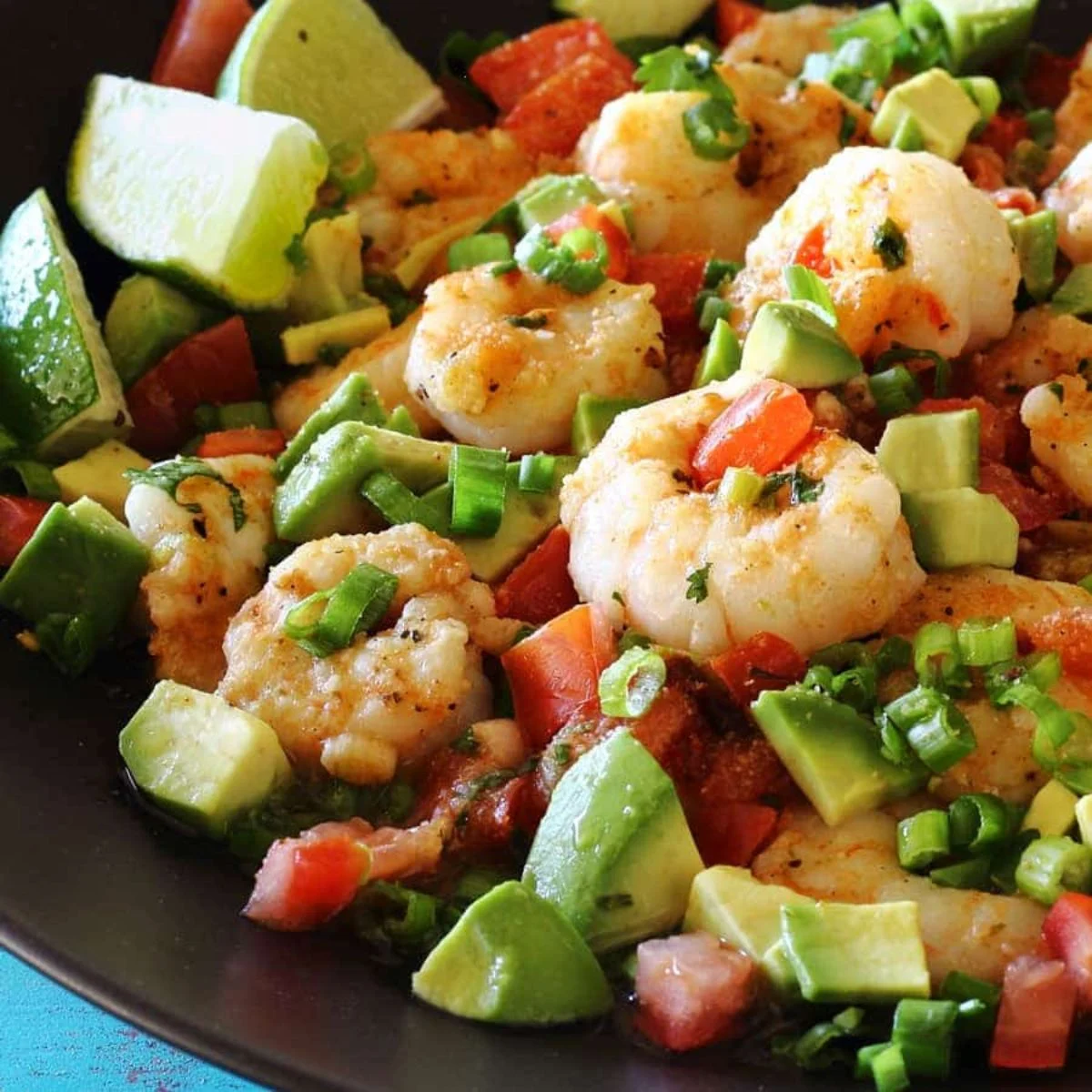

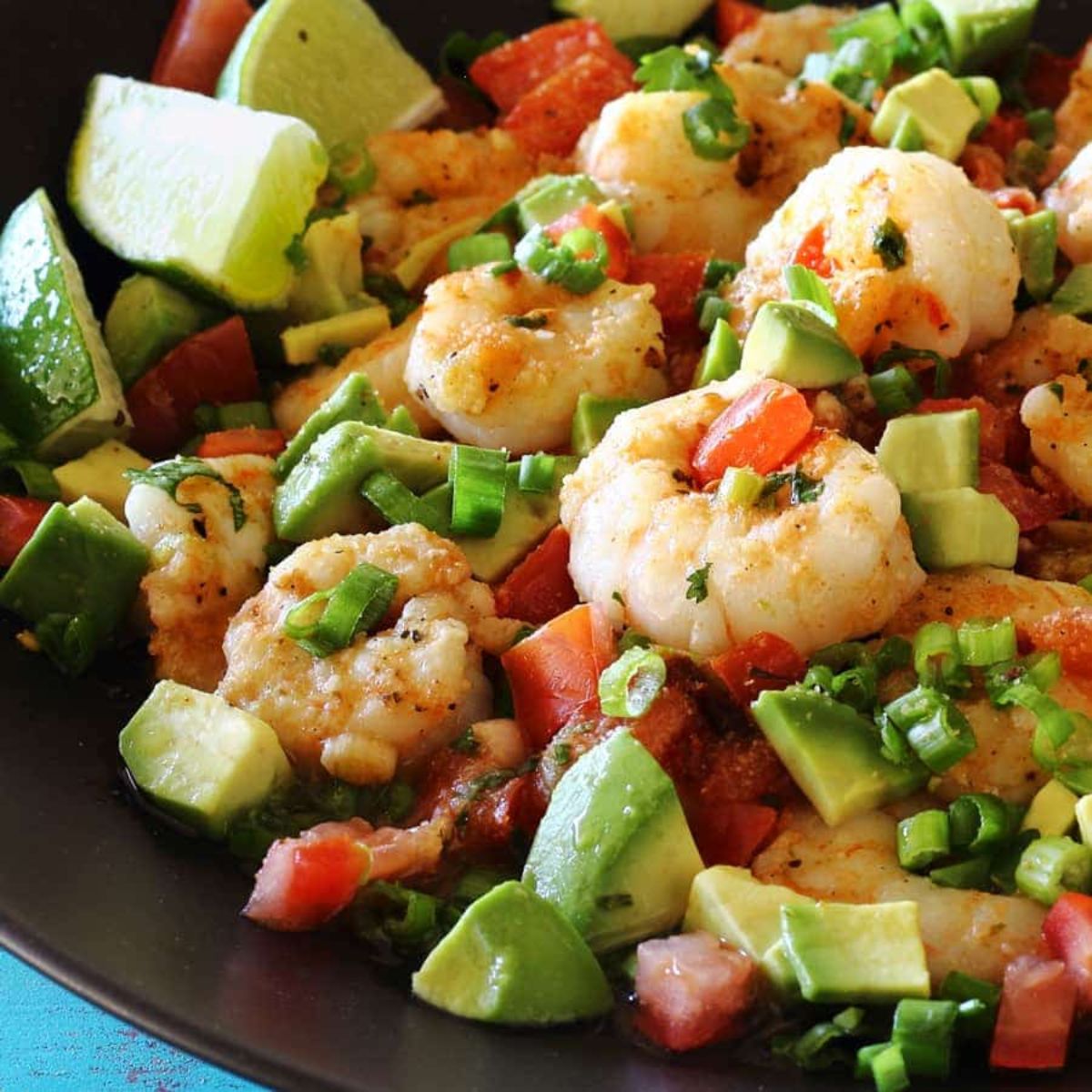
The culinary landscape has undergone a significant shift in recent years, with consumers increasingly prioritizing efficiency, health-conscious ingredient profiles, and reduced post-meal cleanup. Among the dishes emerging as a hallmark of this trend is the skillet shrimp with tomato and avocado, a recipe that exemplifies the "one-pan" cooking methodology. By consolidating protein, healthy fats, and fresh produce into a single vessel, this dish addresses the needs of time-constrained professionals and home cooks seeking to adhere to specific dietary frameworks, including Paleo, gluten-free, and low-carbohydrate regimens.
Culinary Efficiency and the One-Pan Methodology
The rise of one-pan recipes is closely linked to the evolution of contemporary meal preparation. Data from recent culinary industry reports suggest that home cooks are dedicating less time to active food preparation than they were a decade ago. The demand for solutions that minimize both preparation time and equipment usage has driven the popularity of skillet-based meals.
The skillet shrimp with tomato and avocado, a dish with roots in Mexican-inspired flavor profiles, requires a total preparation and cooking time of approximately 22 minutes. This brevity is achieved through the rapid thermal processing of shrimp, which requires minimal exposure to heat to reach an optimal, food-safe internal temperature. When cooked at high heat in a skillet with clarified butter or ghee, the shrimp provides a texture-rich base that complements the acidity of fresh tomatoes and the creamy, lipid-rich profile of ripe avocados.
Nutritional Composition and Macro-Nutrient Analysis
From a nutritional standpoint, the dish is characterized by a high protein-to-calorie ratio, making it an efficient choice for those monitoring their caloric intake. Shrimp is a primary source of lean protein, containing approximately 27 grams of protein per 4-ounce serving with only 120 calories. Unlike many animal-based protein sources, shrimp is exceptionally low in total fat, providing a clean canvas for the addition of heart-healthy monounsaturated fats found in avocados.
Avocados contribute significantly to the dish’s dietary fiber content. According to data provided by the Harvard T.H. Chan School of Public Health, the inclusion of avocados in a daily diet is associated with improved cardiovascular health markers, largely due to their profile of fiber, potassium, and magnesium. The combination of these two core ingredients results in a dish that, while light, provides high satiety. Analytical data for the finished recipe indicates a caloric density of approximately 208 kilocalories per serving, with a balanced macro-nutrient breakdown that supports metabolic health and sustained energy levels.
Historical Context and Evolution of Shrimp Preparation
Shrimp has long been a staple of global coastal cuisines, prized for its accessibility and rapid cooking time. Historically, the challenge of preserving shrimp—which is highly perishable—meant that it was often consumed immediately upon harvest. The advent of modern flash-freezing technology revolutionized the accessibility of this protein, allowing consumers in landlocked regions to maintain a reliable source of seafood in their freezers.
The integration of tomatoes and avocados into this dish reflects a broader trend of Mediterranean and Latin American fusion in Western home cooking. The acidic bite of the tomato acts as a palate cleanser against the richness of the avocado, while the optional addition of spices—such as cayenne, chili powder, or fresh herbs like parsley—allows for significant flavor variability. This adaptability has contributed to the dish’s resilience as a recurring feature in meal prep rotations.
Operational Challenges: Storage and Quality Preservation
While the dish is lauded for its ease of assembly, it presents distinct challenges regarding storage. Culinary experts note that the texture of both shrimp and avocado is highly sensitive to temperature fluctuations. Because the dish relies on the freshness of the avocado—which is prone to oxidation when exposed to air—it is generally advised that the avocado be added to the skillet at the final stage of service or immediately before consumption.
Furthermore, food safety protocols dictate that once seafood has been defrosted and cooked, it should not be subjected to secondary freezing. The process of refreezing cooked shrimp leads to the formation of ice crystals that degrade the cellular structure of the muscle fibers, resulting in a rubbery, undesirable texture. Consequently, the consensus among professional home economists is that this dish should be consumed within 48 to 72 hours of preparation, stored under refrigeration, rather than being preserved via long-term freezing.
Broadening the Scope: Substitutions and Dietary Adaptations
The adaptability of the skillet shrimp recipe has allowed for various adaptations to meet diverse dietary requirements. For those seeking a vegetarian or vegan alternative, industry experts suggest substituting the shrimp with high-quality, extra-firm tofu. The technical requirement for this substitution involves pressing the tofu to remove excess moisture before cubing it into half-inch segments. This ensures that the tofu achieves a similar searing effect in the skillet as the shrimp.
Other regional or seasonal variations involve the inclusion of supplementary vegetables. The addition of thinly sliced bell peppers or sugar snap peas is frequently recommended to enhance the structural crunch and nutrient density of the meal. These ingredients possess a rapid cooking profile similar to that of the shrimp, ensuring that the integrity of the "one-pan" cooking timeline is maintained.
Economic and Logistical Implications for Meal Prep
The economic feasibility of this dish is a significant factor in its widespread adoption. By utilizing frozen shrimp—which is generally more cost-effective than fresh-caught alternatives—the cost per serving is kept relatively low, often averaging around four dollars depending on regional market prices. This makes it an attractive option for budget-conscious consumers who do not wish to compromise on the quality of their protein intake.
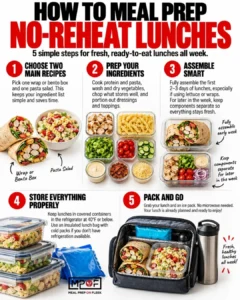
Moreover, the logistical efficiency of the recipe aligns with the growing "meal prep" movement, where individuals prepare several days’ worth of meals in a single session. Because the ingredients do not require complex seasoning techniques or long simmering times, the batch-cooking process is highly streamlined. The ability to defrost shrimp under cold running water in minutes allows for a significant reduction in the lead time required for dinner preparation, effectively eliminating the barrier of "last-minute" meal planning.
Industry Perspectives on Healthy Convenience
Nutritionists and dietitians have increasingly commented on the importance of "healthy convenience." In an era where ultra-processed foods are readily available and often marketed as the fastest option, recipes like the skillet shrimp with tomato and avocado serve as a vital counter-narrative. By providing a framework that is as fast as a pre-packaged frozen meal but significantly higher in nutrient quality, this dish represents a shift toward more conscious consumerism.
Public health initiatives have long advocated for the reduction of sodium and the increase of whole, unprocessed foods. This dish, when prepared with minimal salt and high-quality fats like ghee, aligns with these public health goals. While the recipe can be customized, the fundamental reliance on whole, fresh produce and lean protein serves as an accessible model for those attempting to transition away from convenience-heavy, low-nutrient diets.
Future Trajectory of Skillet-Based Cuisine
As home cooking continues to evolve, the emphasis on minimalism will likely remain a dominant force. The success of the skillet shrimp with tomato and avocado suggests that consumers are not looking for complex, time-intensive culinary projects, but rather for ways to optimize their nutritional intake without sacrificing their limited time.
The future of this type of cooking lies in the continued exploration of regional ingredients that pair well with the rapid-cook protein profile of shrimp. Whether through the incorporation of diverse spice blends or the utilization of seasonal vegetables, the skillet method offers a sustainable approach to home dining. By maintaining the simplicity of the technique while elevating the quality of the components, this dish remains a fixture in the repertoire of those who value both efficiency and health in their daily nutritional intake.
In conclusion, the skillet shrimp with tomato and avocado serves as more than just a quick dinner option; it is a microcosm of current culinary trends. It balances the necessity for rapid preparation with the desire for nutrient-dense, high-protein meals. As more individuals seek to balance the demands of modern life with the requirements of a healthy diet, the one-pan, whole-food approach exemplified by this dish will likely continue to hold its position as a staple of the modern kitchen.