
The Evolution of Bento-Style Meal Preparation
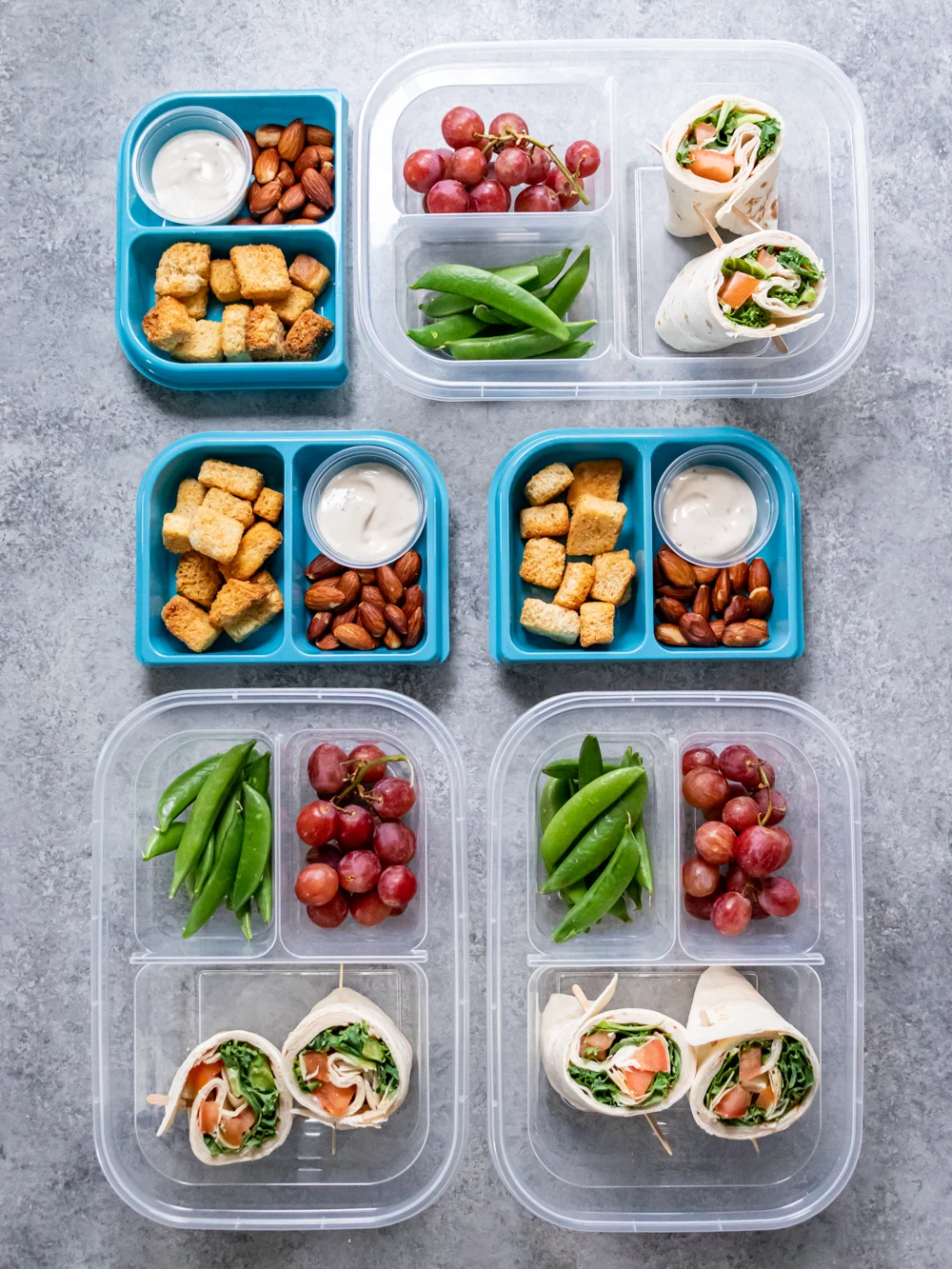
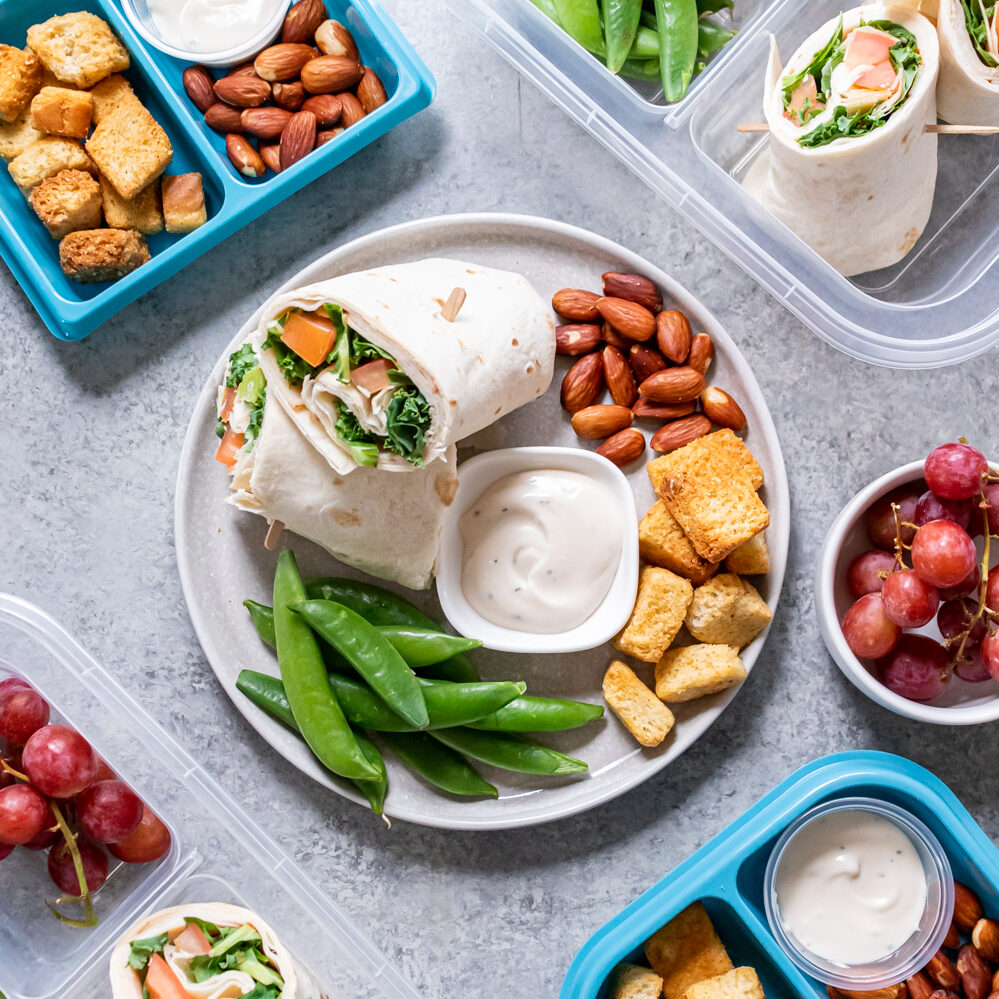
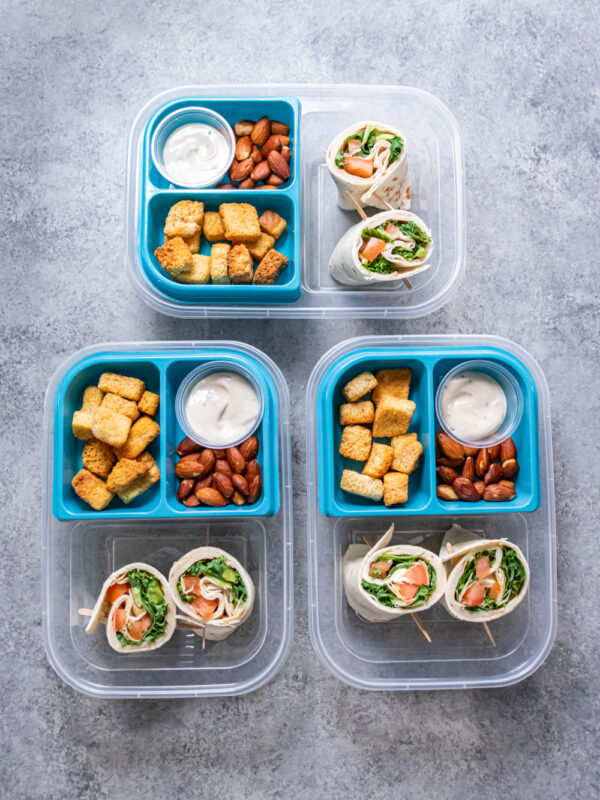
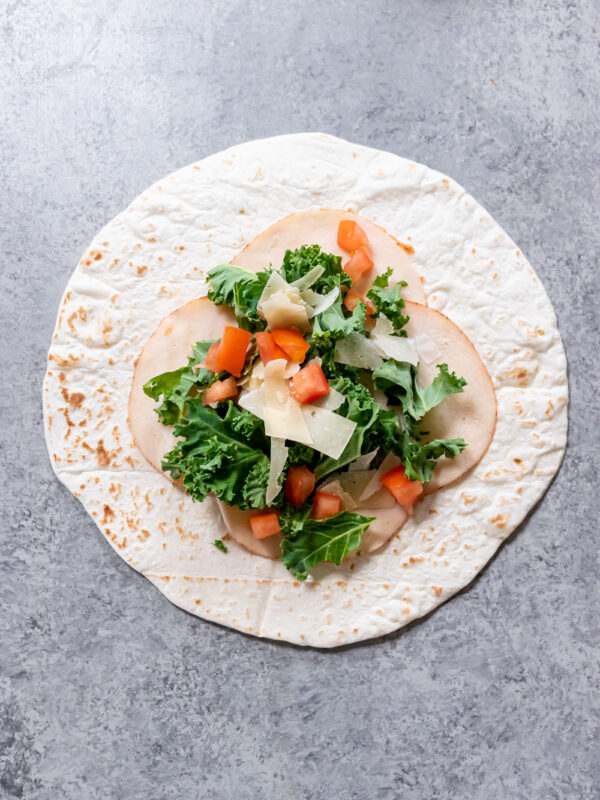
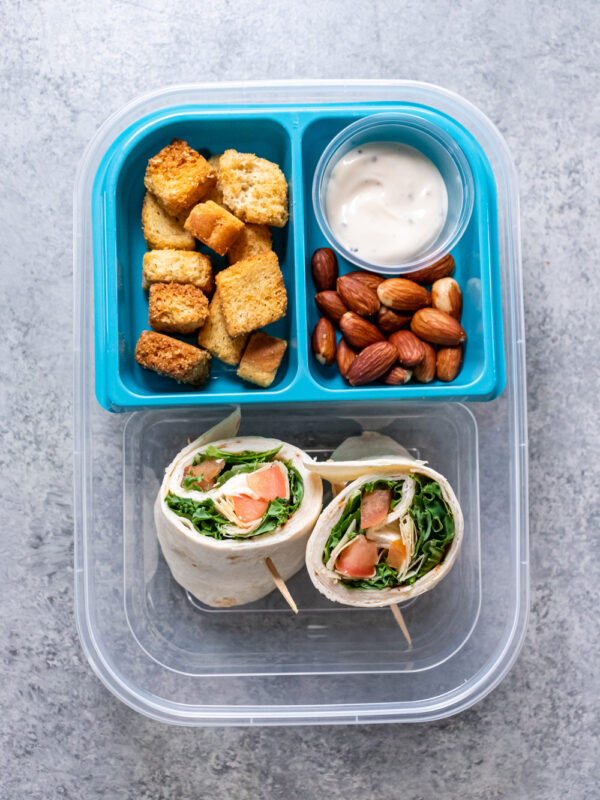
The bento box, historically a traditional Japanese method of portioning meals into a single container, has been adapted by Western consumers as a primary strategy for meal prep. The methodology relies on the concept of "modular eating," where a single base—in this case, a chicken Caesar wrap—is complemented by various sides that provide fiber, healthy fats, and vitamins.
In the current landscape of home economics, the rise of the "no-cook" trend is a response to increasing workplace demands and the high cost of convenience dining. Research from nutritionists suggests that when individuals take control of their lunch preparation, they are statistically more likely to adhere to specific caloric and macronutrient goals. The Chicken Caesar Wrap Bento Box, which requires approximately 15 minutes of assembly time, serves as a quintessential example of this shift toward functional, high-efficiency nutrition.
Chronology of the Modern Lunch Shift
The shift toward structured lunch prep can be traced back to the mid-2010s, when the professional "desk lunch" became a focal point of productivity literature. By 2018, the proliferation of specialized, multi-compartment containers—often referred to as "bento boxes"—allowed for a cleaner separation of ingredients, preventing the common issue of "soggy" lunches.
By 2022, social media and culinary platforms began heavily featuring the Chicken Caesar Wrap as a staple of this format. The recipe’s popularity stems from its reliance on pre-cooked, store-bought ingredients like rotisserie-style chicken, which removes the need for thermal processing, thereby making it accessible to individuals with limited kitchen infrastructure. This timeline reflects a broader move away from elaborate home cooking toward "assembly-based" culinary habits that prioritize nutritional balance over complex preparation techniques.
Nutritional Composition and Dietary Implications
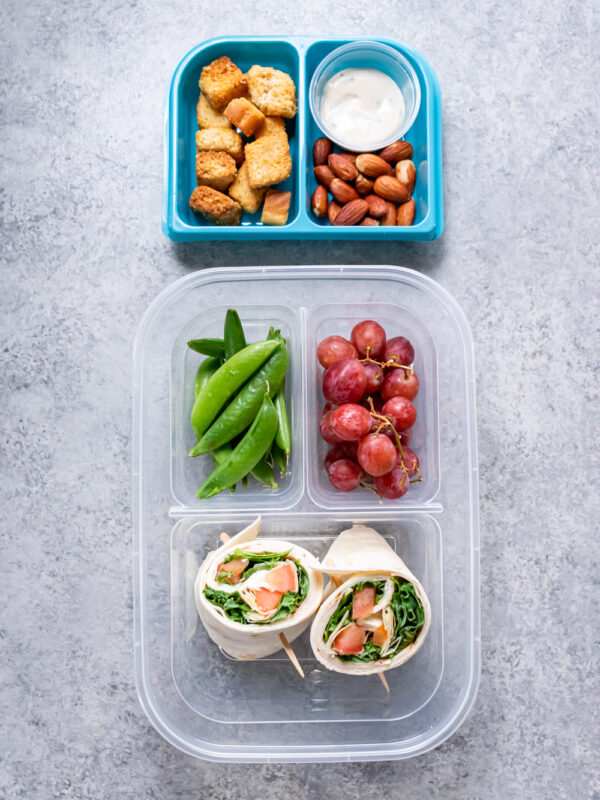
A standard serving of a Chicken Caesar Wrap Bento Box, according to recent nutritional analyses, provides approximately 520 calories. This total is comprised of 24 grams of protein, 62 grams of carbohydrates, and 22 grams of fat, with a significant fiber content of 11 grams. The inclusion of components such as snap peas, grapes, and almonds creates a glycemic index balance that is intended to prevent the mid-afternoon energy crashes often associated with high-sugar, pre-packaged convenience meals.
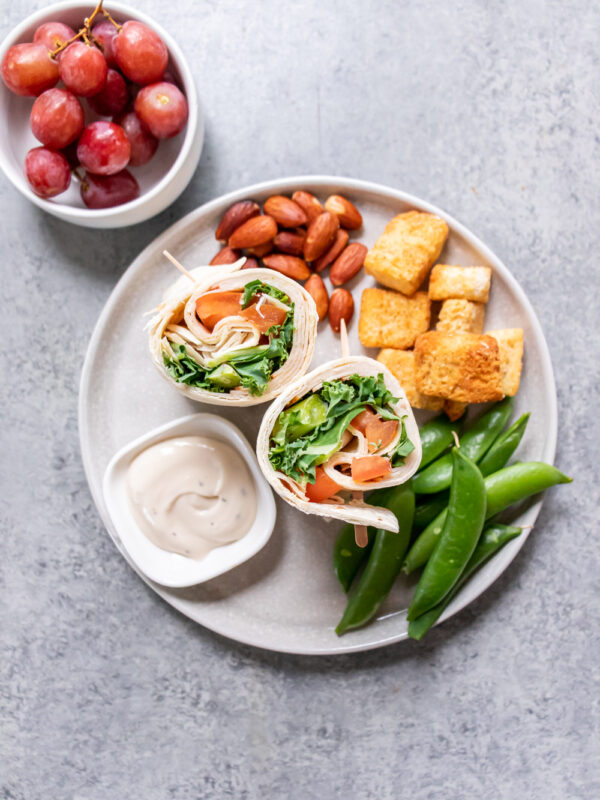
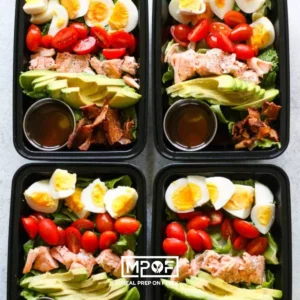
Nutritionists often emphasize the "plate method" when evaluating these boxes. By splitting the meal into distinct sections, users are visually encouraged to include a protein source, a leafy green, a complex carbohydrate (the wrap), and a source of fiber (fruit or vegetables). This psychological partitioning is a key factor in the success of the bento system, as it discourages the consumption of monolithic, nutrient-poor meals.
Technical Assembly and Material Logistics
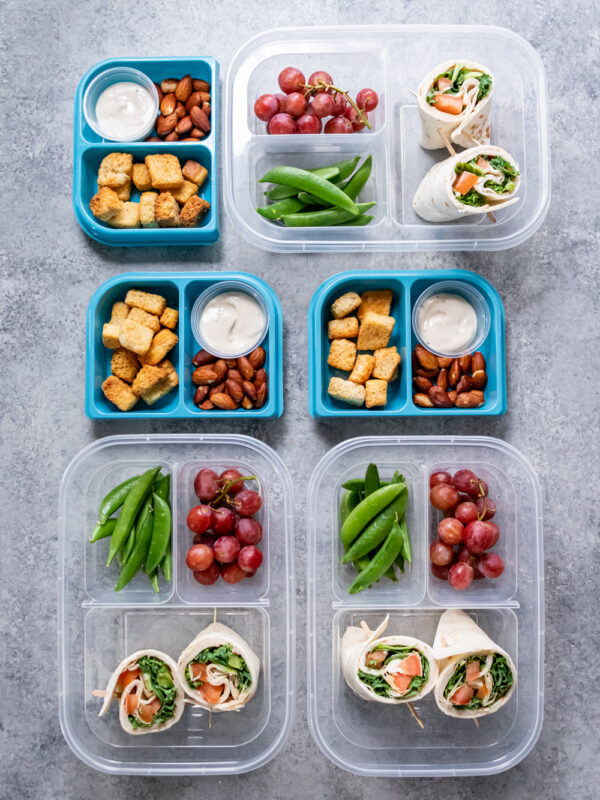
The assembly process for a professional-grade bento box involves specific logistical considerations. To maintain ingredient integrity, the Caesar dressing must be stored in a separate, airtight vessel until the moment of consumption. This prevents the moisture from the dressing from breaking down the cellulose in the lettuce and the structure of the tortilla.
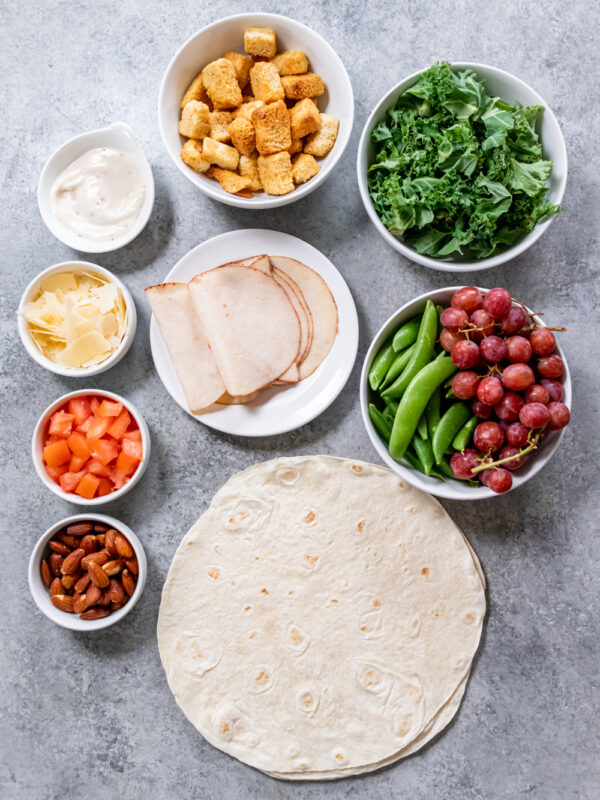
Similarly, the selection of containers is critical to the longevity of the meal. Experts in food safety recommend using BPA-free, leak-proof, multi-compartment containers. The use of separate compartments is not merely an aesthetic choice; it is a food safety strategy that maintains the texture of crunchy components—such as croutons or almonds—that would otherwise lose their crispness when exposed to the moisture of the wrap or fresh produce.
Broader Economic and Environmental Impacts
The adoption of bento-style meal prep has observable economic implications for the average household. By utilizing bulk ingredients and intentional portioning, households report a decrease in weekly grocery expenditures compared to the purchase of individual, pre-packaged lunch items. Furthermore, the practice contributes to a reduction in single-use plastic waste, as consumers move toward reusable containers rather than disposable wrappers and individual serving packets.
From an environmental standpoint, the "no-cook" nature of this meal reduces energy consumption associated with kitchen appliances. Over a 52-week period, the cumulative effect of eliminating the daily use of ovens or stovetops for a single meal contributes to a minor, yet measurable, reduction in a household’s carbon footprint.
Strategic Customization and Dietary Flexibility
One of the primary reasons for the longevity of this meal trend is its inherent flexibility. The "Chicken Caesar" template is easily modified to accommodate various dietary restrictions:
- Protein Substitution: For those seeking plant-based alternatives, the chicken can be replaced with chickpeas, tempeh, or hard-boiled eggs.
- Gluten Considerations: The transition to gluten-free wraps allows the recipe to remain accessible to individuals with Celiac disease or gluten sensitivities.
- Allergen Mitigation: In educational settings where nut-free environments are mandatory, almonds can be replaced with seeds—such as sunflower or pumpkin seeds—to maintain the desired crunch profile without the risk of cross-contamination.
This adaptability ensures that the bento box model remains relevant even as individual dietary preferences shift. It moves the concept of lunch away from a "fixed recipe" and toward a "flexible framework."
Institutional Reactions and Expert Perspectives
Public health advocates have long promoted the importance of taking dedicated lunch breaks to improve mental health and workplace productivity. The emergence of easy-to-pack, high-quality bento boxes supports this initiative by making the "home-packed" lunch a viable alternative to fast food. Workplace wellness programs have begun to incorporate bento-style meal prep workshops, recognizing that employee performance is often linked to the quality of midday fuel.
Industry experts note that as remote and hybrid work models become the standard, the definition of the "office lunch" has blurred. Whether the box is destined for a school locker, a corporate breakroom, or a home office desk, the requirement for a portable, self-contained meal has never been higher.
Future Outlook: The Role of Technology in Meal Prep
As the food tech industry continues to evolve, the integration of digital tools—such as macro-calculators and automated shopping list generators—has further simplified the bento prep process. These tools allow users to input their caloric needs and receive a tailored list of components for their boxes. The ability to calculate nutritional data on a per-box basis provides users with an objective measurement of their intake, a practice that was previously restricted to professional athletes and clinical nutrition settings.
In conclusion, the Chicken Caesar Wrap Bento Box serves as a focal point for a larger movement toward efficiency, health, and sustainability. By providing a clear, replicable, and nutritionally sound template for daily eating, it demonstrates how small changes in preparation habits can yield significant long-term benefits. As society continues to navigate the complexities of modern living, the simplicity of the bento box remains a powerful, effective tool for maintaining wellness in the face of a fast-paced environment. Through the strategic use of portion control, ingredient selection, and organized logistics, the bento box is likely to remain a fixture in the culinary landscape for the foreseeable future.