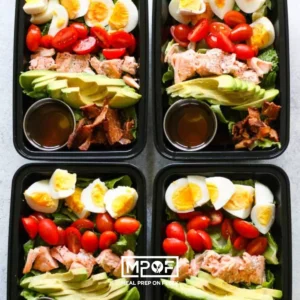
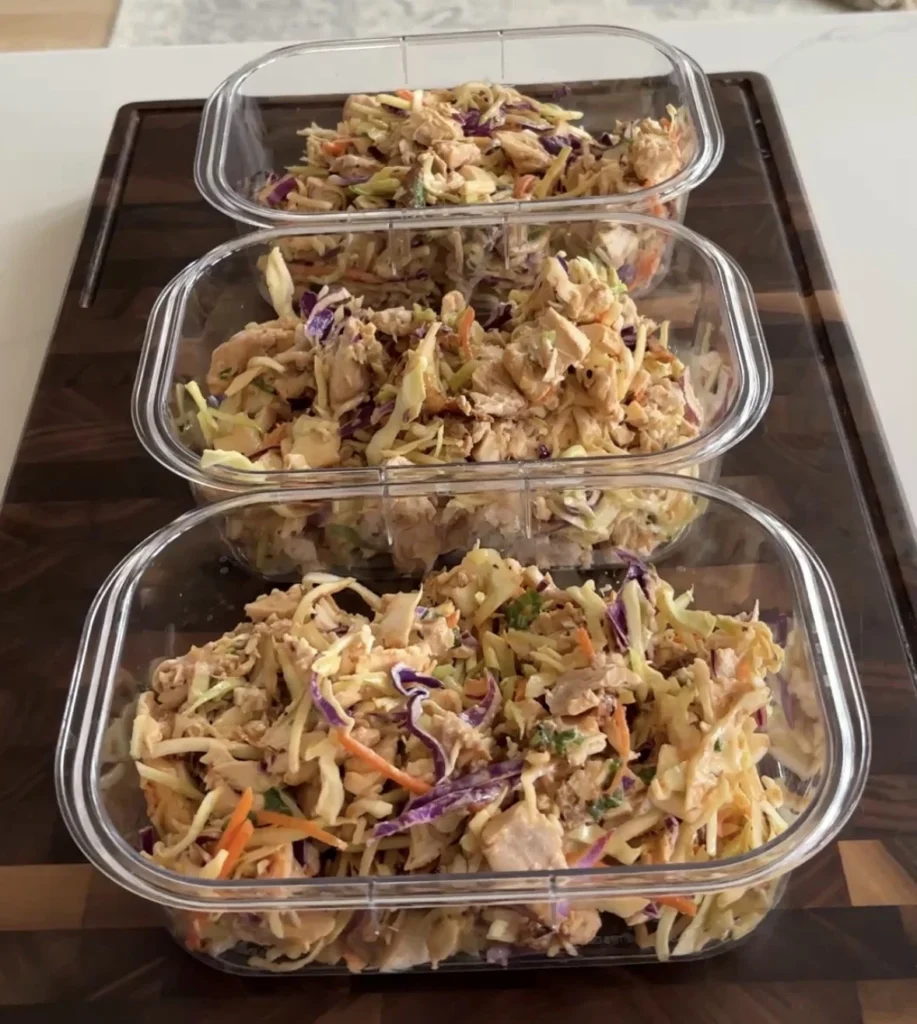
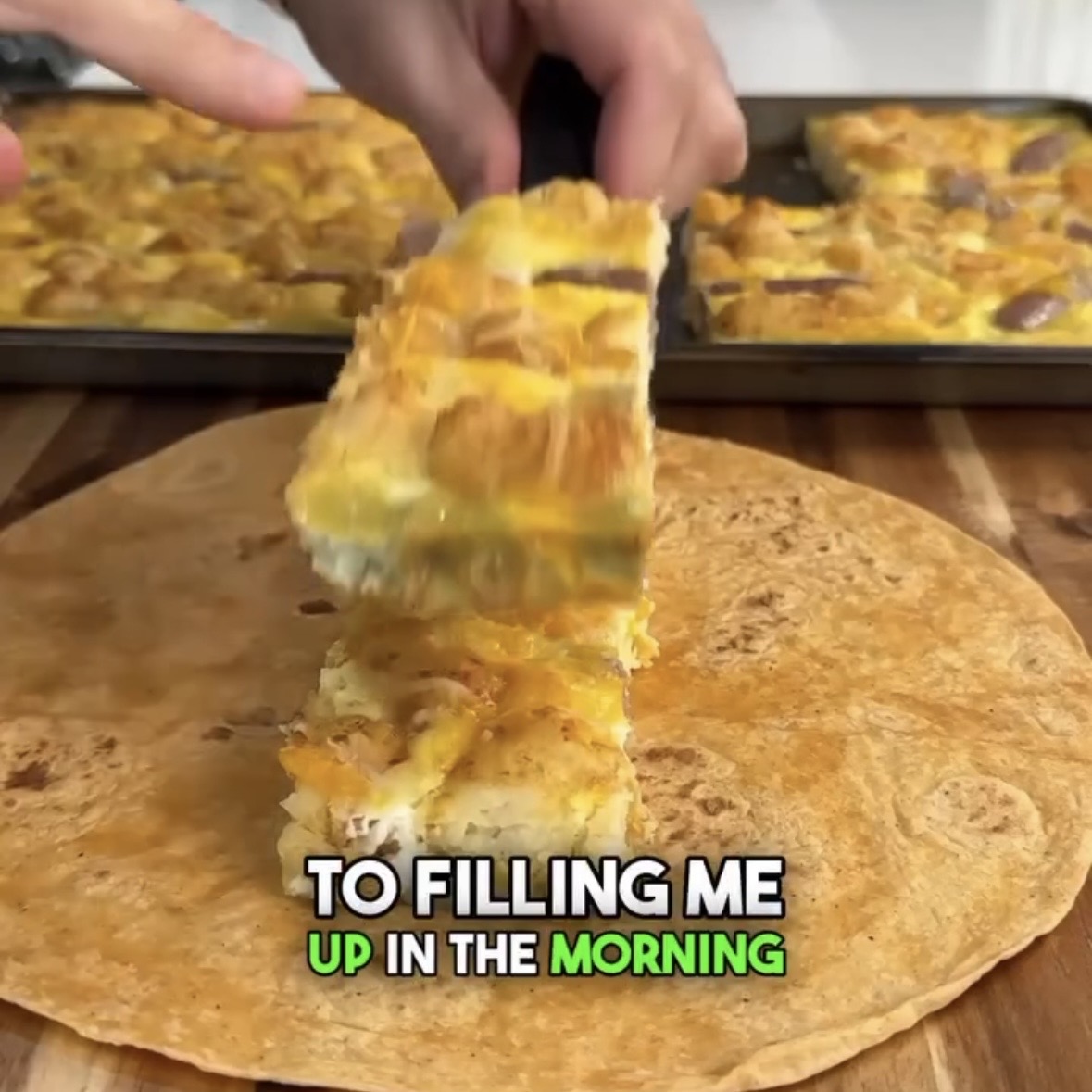
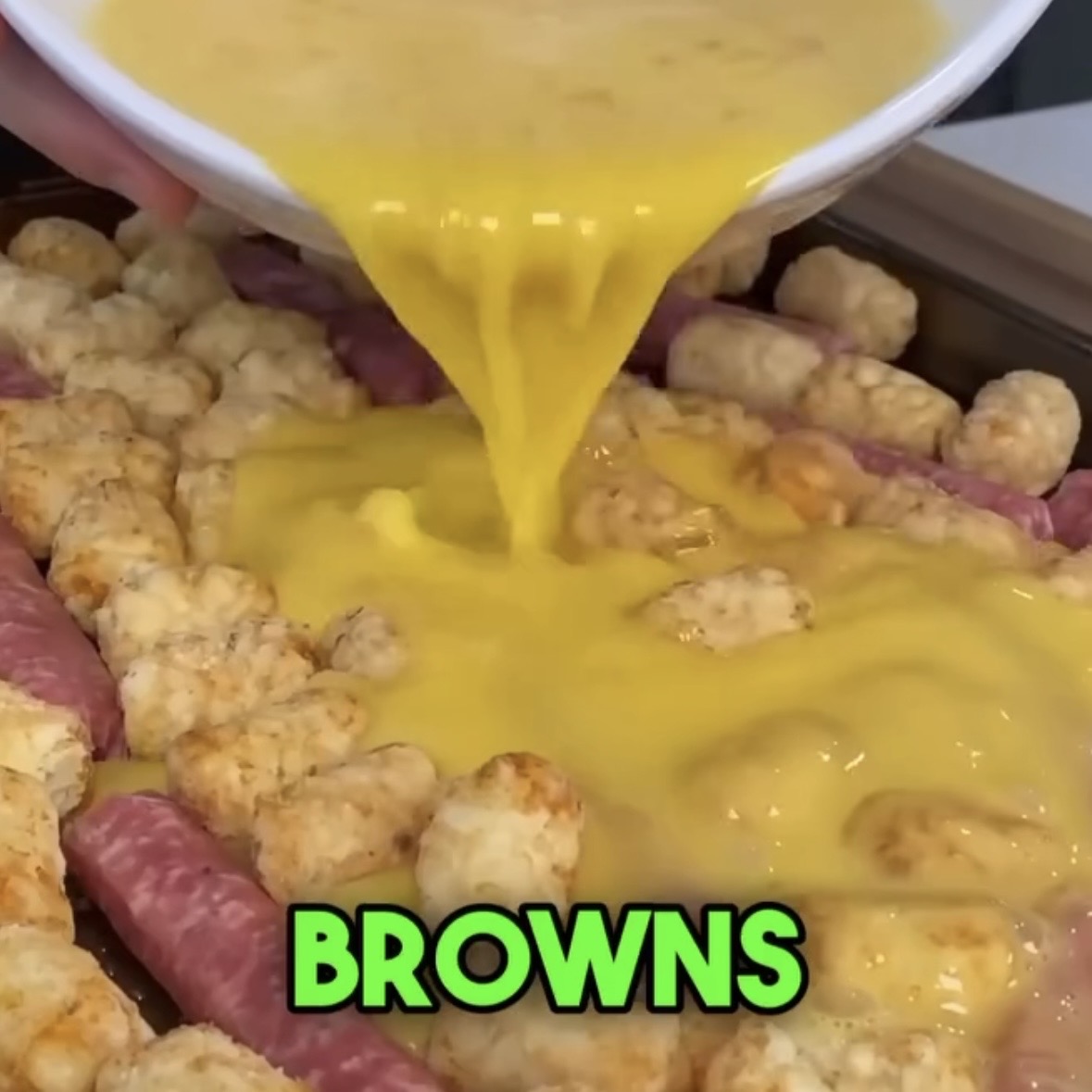
The sheet pan breakfast wrap represents a shift in culinary strategy, utilizing high-volume oven roasting to consolidate protein and carbohydrate preparation. By baking components such as eggs, sausage, and potatoes simultaneously, the method addresses two primary consumer concerns: the need for high-protein sustenance to maintain morning cognitive function and the requirement for a rapid, low-effort cleanup process.
Historical Context and the Rise of Batch Cooking
The concept of "meal prepping"—the practice of preparing multiple portions of a meal in advance—has evolved from a niche fitness-industry habit into a mainstream logistical necessity. Industry analysts note that as inflation has impacted the cost of dining out, consumers have returned to home-based, large-batch food preparation as a primary method of fiscal and nutritional management.
The shift toward "sheet pan" meals specifically gained traction in the late 2010s as a response to the "one-pot" culinary movement. By utilizing a single surface, cooks reduce the thermal energy required for multiple stovetop burners and minimize the number of utensils and pots requiring sanitization. This development aligns with broader trends in household efficiency, where time-saving domestic hacks are increasingly sought after by dual-income households and remote professionals.
Nutritional Implications of High-Protein Breakfasts
Nutritional science consistently emphasizes the importance of protein intake within the first two hours of waking. According to research published by the American Journal of Clinical Nutrition, diets that prioritize morning protein intake show a direct correlation with improved satiety levels throughout the day and a reduction in the consumption of high-sugar, impulsive snacking in the afternoon.
The standard sheet pan wrap configuration, typically involving eggs (a complete protein source) and processed or lean meats, provides a dense caloric profile. When balanced with complex carbohydrates—such as the tater tots or potatoes often featured in these recipes—the glycemic response is more stable than that of traditional breakfast pastries or cereal-based breakfasts. However, dietitians note that the health profile of these wraps is highly dependent on the quality of the ingredients, particularly regarding the sodium content of cured breakfast meats and the type of tortilla or wrap substrate utilized.
The Mechanics of Freezer-Friendly Storage
The technical challenge of the freezer-friendly breakfast wrap lies in the preservation of moisture. Freezing cooked eggs can result in a rubbery texture if the moisture content is not managed correctly during the initial baking phase. Culinary engineers and food bloggers have identified that the "wrap" component acts as a barrier, provided the ingredients are allowed to cool completely to room temperature before being sealed.
The standard procedure for long-term storage is as follows:

- Cooling Phase: Allowing the wraps to reach ambient temperature prevents the formation of ice crystals (freezer burn) within the foil or parchment wrapping.
- Barrier Application: Wrapping in aluminum foil provides an airtight seal that protects the structural integrity of the tortilla.
- Secondary Protection: Placing the individually wrapped items into a heavy-duty, zip-top freezer bag provides a secondary layer of protection against temperature fluctuations in domestic freezers.
According to food safety guidelines, these items maintain optimal quality for approximately 90 days. Beyond this period, while the items remain technically safe to consume if kept at or below 0°F (-18°C), the quality of the starch in the tortilla begins to degrade, leading to potential breakage upon reheating.
Economic and Logistical Impact
For the average consumer, transitioning from drive-thru breakfast options to home-prepped sheet pan wraps can result in significant financial savings. A typical fast-food breakfast sandwich carries a premium price point to cover labor, real estate, and overhead costs. By contrast, a sheet pan batch prepared at home reduces the cost per unit by an estimated 60% to 75%, depending on the selection of ingredients.
Furthermore, the logistical impact on the household morning routine is quantifiable. Eliminating the "decision fatigue" associated with choosing breakfast each morning contributes to lower stress levels during the transition from home to the workplace. The integration of meal planning tools, such as the Workweek Lunch planner, represents the digitization of this domestic management, allowing individuals to track ingredient lists and reduce food waste through standardized shopping cycles.
Scalability and Customization
The versatility of the sheet pan method allows for significant dietary customization, which is essential in a modern landscape of diverse nutritional needs.
- Vegetarian Alternatives: Replacing sausage with black beans, spinach, or mushrooms can drastically alter the fiber content while maintaining the structure of the wrap.
- Gluten-Free Requirements: The availability of high-quality gluten-free flour tortillas has allowed this preparation method to accommodate individuals with celiac disease or gluten sensitivities.
- Macro-Nutrient Adjustments: Athletes or those on specific weight-management programs can adjust the ratio of egg whites to yolks or incorporate lean turkey sausage to reach specific caloric targets.
Expert Perspectives on Meal Prep Efficiency
Industry experts in home economics suggest that the success of these systems lies in the "assembly line" mentality. By dedicating one hour on a Sunday to the preparation of multiple days of food, the user effectively eliminates the "barrier to entry" that often causes people to abandon healthy eating habits.
"The most effective way to maintain a diet is not through willpower, but through the removal of obstacles," notes one industry consultant. "When a healthy meal is already prepared, wrapped, and waiting in the freezer, the effort required to eat it is lower than the effort required to navigate to a drive-thru."
Future Trends in Domestic Food Preparation
As technology in the kitchen advances, we are seeing a rise in smart appliances that assist in this exact type of prep. Convection ovens with specialized settings for "crisp-and-bake" are becoming standard in new home construction, further enabling the efficacy of sheet pan recipes. Furthermore, the growth of the frozen-meal-prep industry suggests that the desire for high-quality, pre-prepared, nutritious breakfasts will continue to drive innovation in this sector.
In conclusion, the sheet pan breakfast wrap is not merely a recipe, but a modular component of a modern, efficient lifestyle. By leveraging the principles of mass-production in a domestic setting, individuals can effectively secure their nutritional needs while reclaiming the most valuable commodity in the modern world: time. Whether through the use of established meal planning software or simple manual batch-cooking, the shift toward proactive, home-based meal management represents a sustainable, health-conscious, and economically viable trend for the contemporary workforce.