
The modern landscape of American hospitality is undergoing a profound structural evolution, shifting away from the traditional separation of food, beverage, and leisure toward an integrated experiential economy. Over the past two decades, this transformation has been vividly charted across the dynamic culinary corridors of Florida’s Gulf Coast. At the forefront of this movement is Randy Esponda, Chief Executive Officer of the SunPubs hospitality group. Operating a diverse portfolio of eight distinct restaurant and entertainment concepts, Esponda has spent more than 20 years navigating, anticipating, and ultimately shaping the ways in which consumers choose to spend their leisure time.
As customer expectations have transitioned from a primary focus on nutritional sustenance and basic hospitality to an intense demand for immersive social engagement, the corporate strategy at SunPubs has had to adapt in tandem. By bridging the gaps between high-volume coastal tourism, late-night campus nightlife, and emerging wellness trends, Esponda and his leadership team offer a compelling case study in modern multi-concept restaurant management, strategic scaling, and operational resilience.
The Evolution of Experiential Dining in Florida
To understand the trajectory of SunPubs, one must examine the broader socioeconomic and cultural shifts that have redefined the Florida hospitality market over the last twenty years. The rapid population influx into the Tampa Bay area and surrounding regions—driven by migration from northern metropolitan centers, a booming tourism sector, and a steady demographic rejuvenation—has fundamentally altered the competitive landscape.
In the early 2000s, when Esponda launched his inaugural dining venture in the Tampa Bay market, the formula for restaurant success relied heavily on traditional pillars: consistent food quality, dependable beverage programs, and attentive service. While these elements remain the non-negotiable foundation of any successful food and beverage operation, the contemporary diner views them as baseline expectations rather than unique selling propositions.
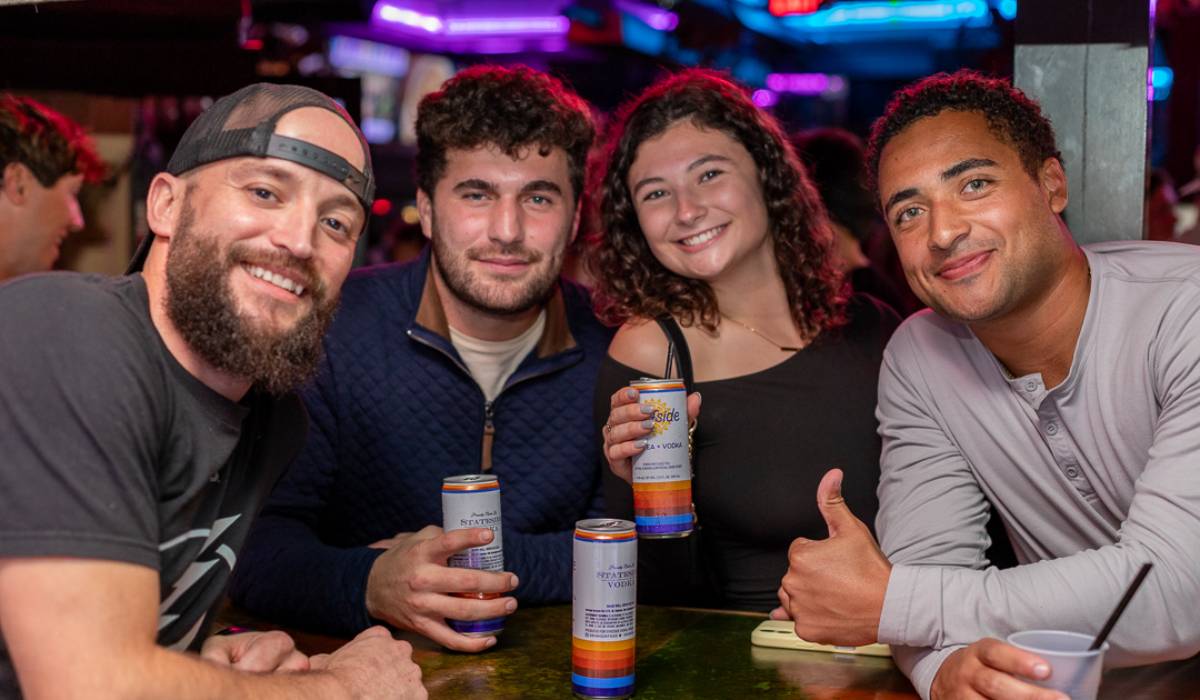
The post-pandemic economic environment accelerated this consumer shift dramatically. As competition intensified and discretionary spending habits tightened amid inflationary pressures, consumers became significantly more selective about where and how they allocate their leisure budgets. Dining out is no longer viewed merely as an alternative to cooking at home; it is increasingly evaluated as an entertainment purchase. Consequently, atmospheric design, aesthetic architectural elements, and integrated entertainment components have risen to the forefront of consumer decision-making.
Navigating a Diverse Multi-Concept Portfolio
Managing a single restaurant concept requires rigorous operational oversight, but scaling eight distinct brands under one corporate umbrella demands an advanced level of organizational architecture. Under Esponda’s leadership, SunPubs has cultivated a portfolio that successfully captures diverse consumer demographics across multiple distinct dayparts, geographic markets, and pricing tiers.
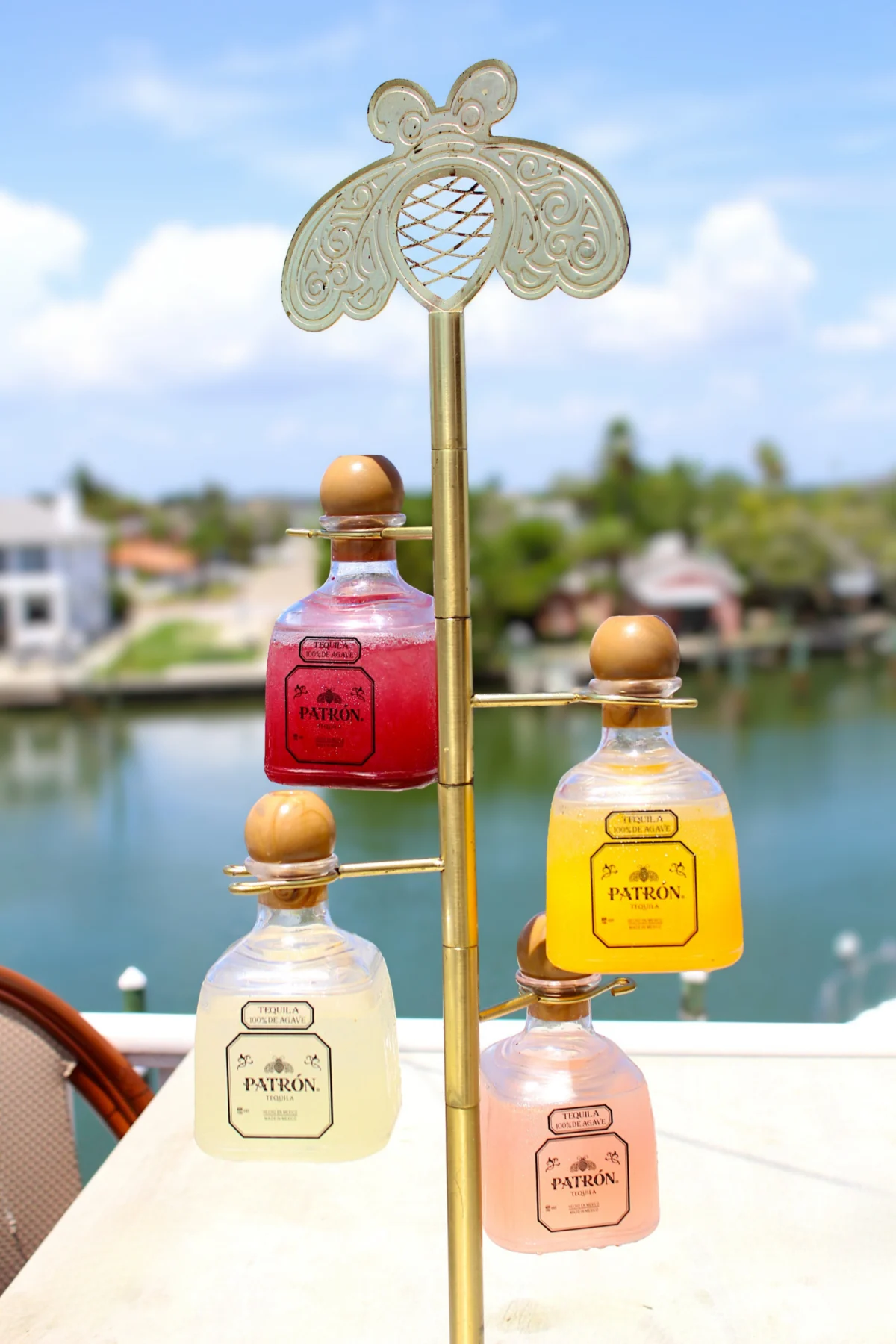
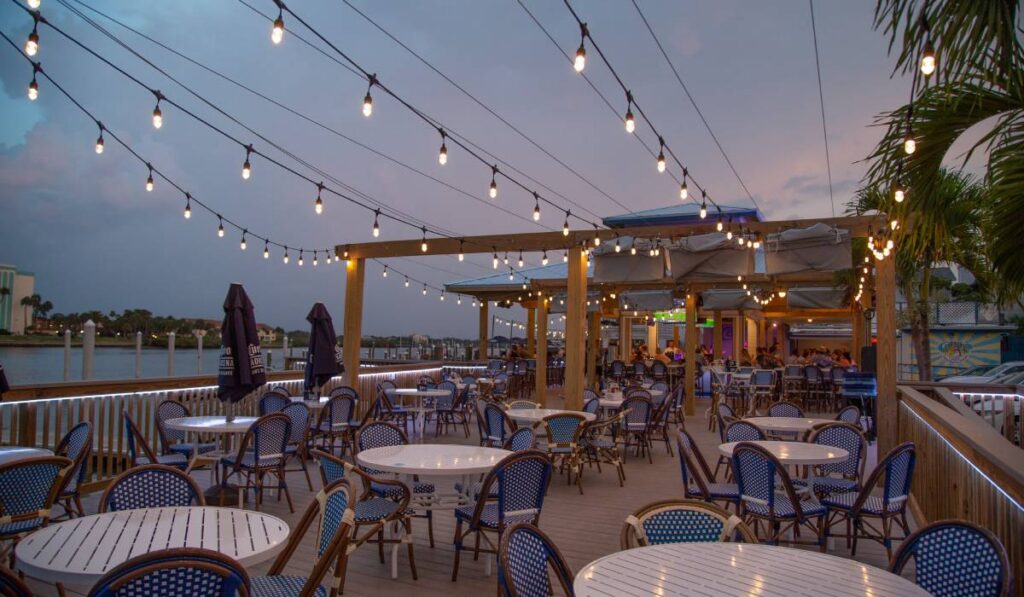
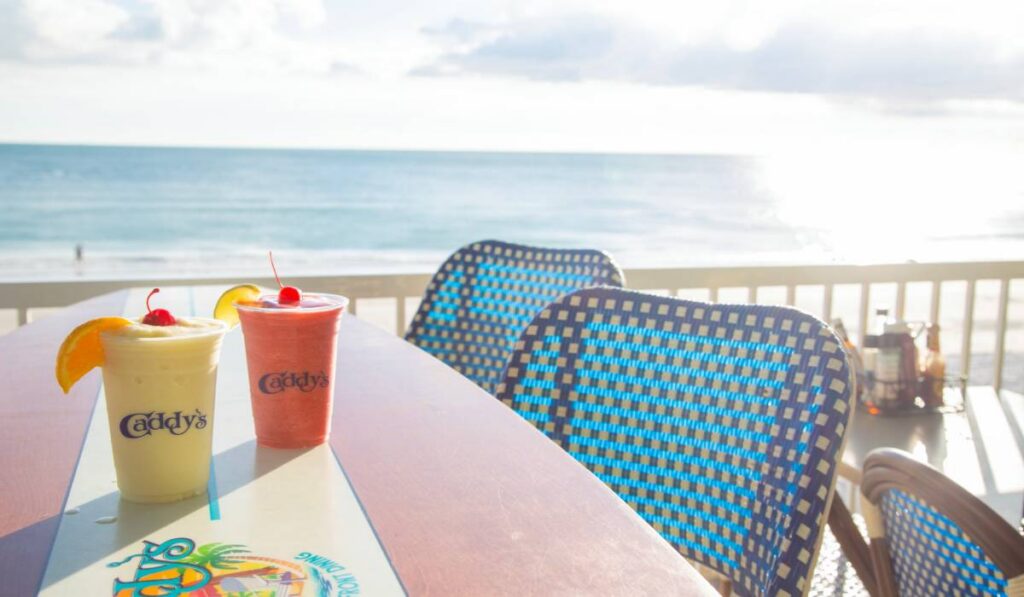
The group’s footprint spans the idyllic coastal communities of Florida’s Gulf Coast as well as the high-energy urban and collegiate environments of Tampa and Gainesville. On the waterfront, the brand portfolio features Caddy’s, with prominent locations in Treasure Island, Madeira Beach, and Indian Shores. Caddy’s has established itself as a regional staple for beachside dining, characterized by tropical beverage programs and panoramic views of the Gulf of Mexico. Complementing this is Mad Beach Cantina, situated on the historic Madeira Beach boardwalk, which offers a chef-driven interpretation of Mexican culinary traditions paired with an extensive, elevated tequila and margarita program—exemplified by popular offerings such as their customizable Patron beverage towers.
Further grounding the portfolio in regional authenticity is Sculley’s Seafood Restaurant, an Old Florida landmark that anchors the historic Madeira Beach boardwalk with traditional seafood boils and signature brunch cocktails. In Tierra Verde, the group operates Island Grille & Raw Bar, seamlessly blending fresh local seafood programs with marina-adjacent and poolside dining environments to capture both local residents and transient boaters.
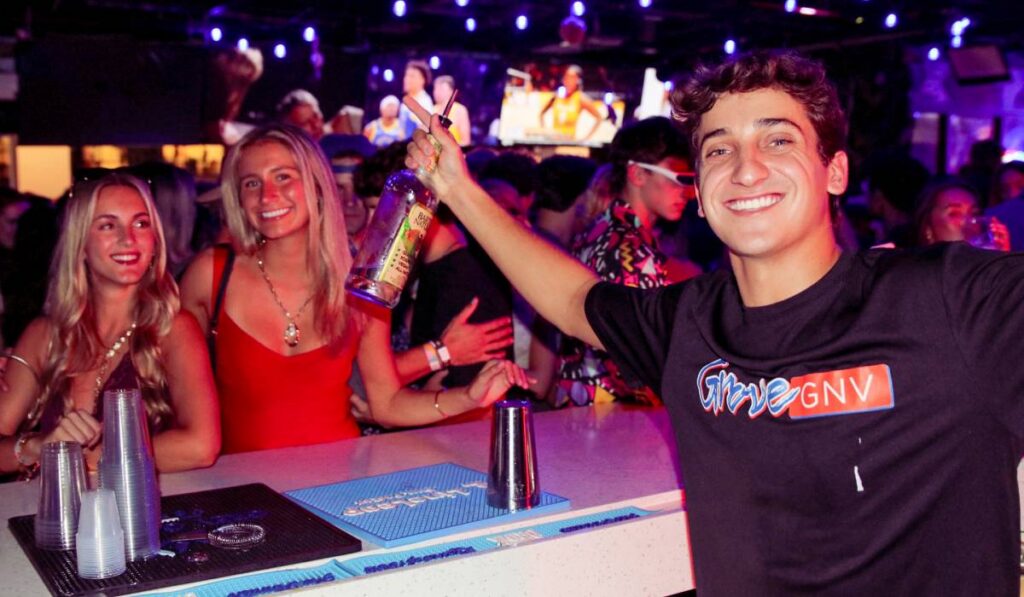
Beyond these daytime and sunset destinations, SunPubs captures high-volume evening and late-night traffic through urban and collegiate concepts. MacDinton’s Irish Pub operates as a community-centric social hub, driving consistent mid-week and weekend traffic via live musical entertainment, structured game-day programming, and high-volume beverage service. In the metropolitan market of Tampa and the vibrant academic hub of Gainesville, the group’s modern, DJ-driven nightclub concept, Grove, directly addresses the high-energy late-night entertainment market with specialized cocktail programs and active dance floors. Rounding out the portfolio in Gainesville are Fats, a nostalgic neighborhood tavern emphasizing a no-frills community atmosphere, and Rowdy’s, a specialized game-day venue tailored specifically to campus social culture.
Corporate Infrastructure and Talent Development
The challenge inherent in operating a portfolio of eight disparate brands lies in maintaining distinct consumer-facing identities while leveraging back-of-house efficiencies. According to Esponda, the success of SunPubs is rooted in a unified corporate culture underpinned by a singular mission: delivering memorable guest experiences consistently across every location.
While each concept possesses its own unique personality—ranging from a barefoot beach bar to a high-energy collegiate nightclub—the guiding philosophy remains uniform. A critical component of this operational model has been an aggressive internal talent development pipeline. Esponda notes that a significant percentage of the group’s multi-brand operators began their careers in entry-level, boots-on-the-ground positions within the organization. By fostering internal career mobility, SunPubs ensures that leadership possesses an intimate understanding of frontline operations before ascending to multi-unit oversight roles.
Behind these operational leaders stands a robust corporate infrastructure designed to centralize administrative burdens. By consolidating purchasing power, human resources, compliance, and marketing resources at the corporate level, SunPubs provides its frontline teams with the tools necessary to focus their attention entirely on guest interaction and team mentorship. This structural efficiency allows individual concepts to retain their localized charm without sacrificing the economies of scale typically enjoyed by much larger national restaurant chains.
Overcoming Peak-Volume Pressures Through Technology and Staffing
One of the most persistent operational hurdles in full-service hospitality is maintaining rigorous standards of food quality, service speed, and ticket times during peak-volume operating hours. In coastal tourist markets like Tampa Bay, seasonal surges can push kitchen and floor staff to their operational limits.
To mitigate service degradation during high-demand periods, SunPubs has implemented a two-pronged strategy involving technological investment and expanded kitchen leadership structures. The hospitality group has invested heavily in digital training platforms that provide employees with immediate, mobile-accessible operational manuals, standard operating procedures, and menu specifications, supplemented by regularly scheduled retraining modules.
In the kitchen, SunPubs has departed from traditional industry norms regarding management ratios. While many traditional full-service restaurants rely on a standard two-manager kitchen model, SunPubs has integrated three to four kitchen managers per high-volume location. This deliberate over-indexing in supervisory personnel ensures that active leadership is consistently present on the line to monitor food safety, expediting bottlenecks, ticket pacing, and overall product quality during peak rushes. This integration of accessible digital training and elevated on-floor leadership forms the backbone of the group’s volume management strategy.
Demographic Shifts and Real Estate Strategy
Florida’s socioeconomic landscape has experienced unprecedented transformation over the past two decades. A steady influx of permanent residents from higher-cost-of-living states, coupled with shifting generational preferences among younger consumers, has required constant adaptation in menu engineering, pricing architectures, and real estate acquisition.
When evaluating potential real estate investments, SunPubs utilizes a dual-track analytical approach. First, the leadership team assesses whether an existing brand within the portfolio naturally aligns with the demographic profile of a targeted submarket. Second, the group identifies underserved market niches where a novel concept can be introduced to capture unfulfilled local demand.
This analytical rigor is paired with a flexible approach to menu development. Culinary programs across SunPubs concepts are continuously evaluated against shifting national and regional dining preferences. Whether adjusting price points to accommodate fluctuating supply chain costs or reconfiguring menus to highlight locally sourced, sustainable seafood, the group maintains a proactive posture toward culinary innovation. Building customer loyalty, Esponda emphasizes, is fundamentally about expectation management: ensuring that every patron who crosses the threshold leaves feeling that the emotional and culinary value of the experience exceeded its cost.
The Integration of Dining, Entertainment, and Wellness
Looking toward the medium-term horizon of the hospitality industry, Esponda identifies the convergence of dining, social entertainment, and health-conscious wellness as the most significant growth vector for the Southeast over the next three to five years.
As consumer awareness surrounding physical health and longevity continues to rise, traditional hospitality models are being forced to adapt. SunPubs has proactively integrated wellness-oriented initiatives into its operational framework, hosting community-focused events such as morning run clubs, sunset yoga sessions, structured fitness classes, and cold-plunge activations at select coastal venues. These programming additions not only drive non-traditional daytime traffic but also cultivate deep community goodwill and brand awareness among health-conscious demographics.
Simultaneously, culinary and beverage menus have evolved to reflect these lifestyle changes. The group has experienced immediate commercial success by expanding its healthier menu offerings and introducing sophisticated non-alcoholic beverage programs, including specialty mocktails and functional "dirty sodas," catering to the growing segment of consumers who choose to reduce or eliminate alcohol consumption without sacrificing the social experience of nightlife or dining out.
Conclusion
As the full-service dining sector continues to navigate economic headwinds, shifting demographics, and evolving consumer psychology, the strategy demonstrated by Randy Esponda and SunPubs offers a clear blueprint for modern hospitality management. By successfully balancing the operational efficiencies of a centralized corporate infrastructure with the distinct, hyper-local identities of eight unique concepts, the group has positioned itself as a regional leader in experiential dining. By recognizing that the future of hospitality lies at the intersection of socialization, entertainment, and holistic wellness, SunPubs illustrates how traditional restaurant groups can successfully future-proof their operations in an increasingly competitive marketplace.