
The evolution of home baking frequently reaches a critical inflection point where standard residential appliances prove inadequate for increased production demands. For serious artisan bakers transitioning from dual-loaf batches to quantities typical of micro-bakeries or community-supported agriculture (CSA) models, the acquisition of commercial-grade equipment becomes necessary. Central to this transition for many advanced practitioners is the Rofco bread oven, a Belgian-engineered brick oven designed specifically to bridge the gap between domestic kitchens and commercial production floors. Evaluating the integration of specialized baking equipment requires a detailed understanding of electrical requirements, thermal dynamics, spatial configuration, and workflow optimization.
Understanding the Engineering and Specifications of the Rofco B40
Manufactured in Belgium, the Rofco line of brick ovens—exemplified by the flagship B40 model featuring three square baking decks—represents a departure from conventional convection or radiant home ovens. The apparatus utilizes a sealed cooking chamber constructed with 1-3/8-inch-thick chamotte deck stones, a specialized refractory ceramic material engineered for superior thermal mass and heat retention.
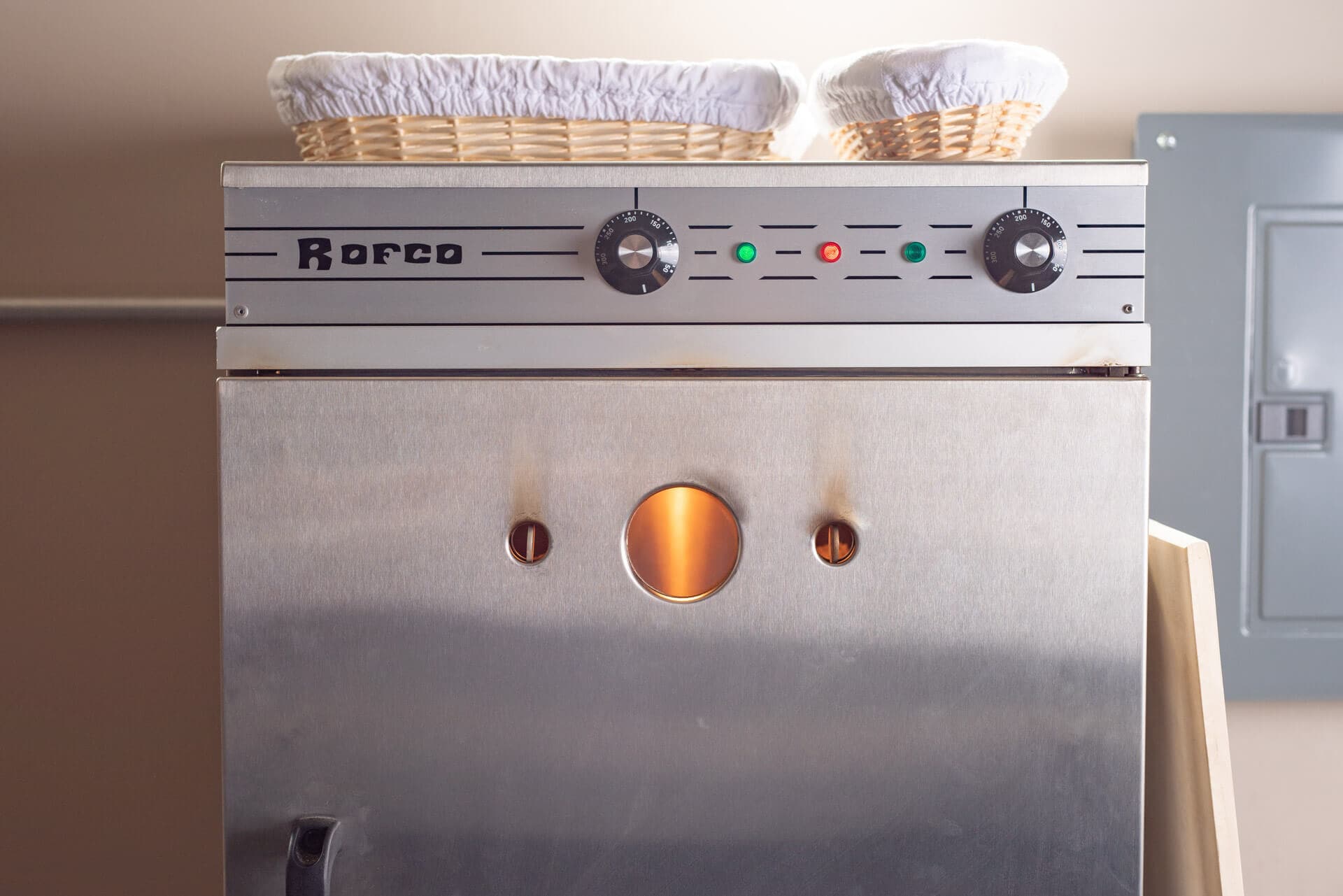
Unlike traditional ovens that vent heat continuously or rely on exterior fans, the Rofco maintains a sealed internal environment. This containment minimizes external radiant heat, allowing the unit to be positioned safely near residential walls or adjacent cabinetry despite internal temperatures reaching up to 240 degrees Celsius. The thick chamotte stones absorb and store high levels of thermal energy during the preheating phase. Consequently, even after the door is opened to load large quantities of dough, the decks rapidly recover and sustain stable baking temperatures across multiple consecutive cycles.
From an infrastructure perspective, the Rofco B40 operates on standard 220V AC single-phase electrical power, utilizing a 6-20P cord plug and a matching 6-20R receptacle. Because this power specification exceeds standard 110V residential outlets commonly found in North American kitchens, installation typically mandates the services of a licensed electrician to establish a dedicated circuit breaker and receptacle. Industry specialists note that this electrical modification is a standard prerequisite for transitioning domestic spaces into functional micro-production environments.
Spatial Management and Tetris-Style Dough Configuration
Optimizing throughput in a multi-deck oven requires precise spatial planning to prevent loaves from expanding into one another during the oven-spring phase while ensuring uniform heat distribution. The Rofco B40 provides three distinct baking decks, each measuring 18.9 inches by 18.9 inches.
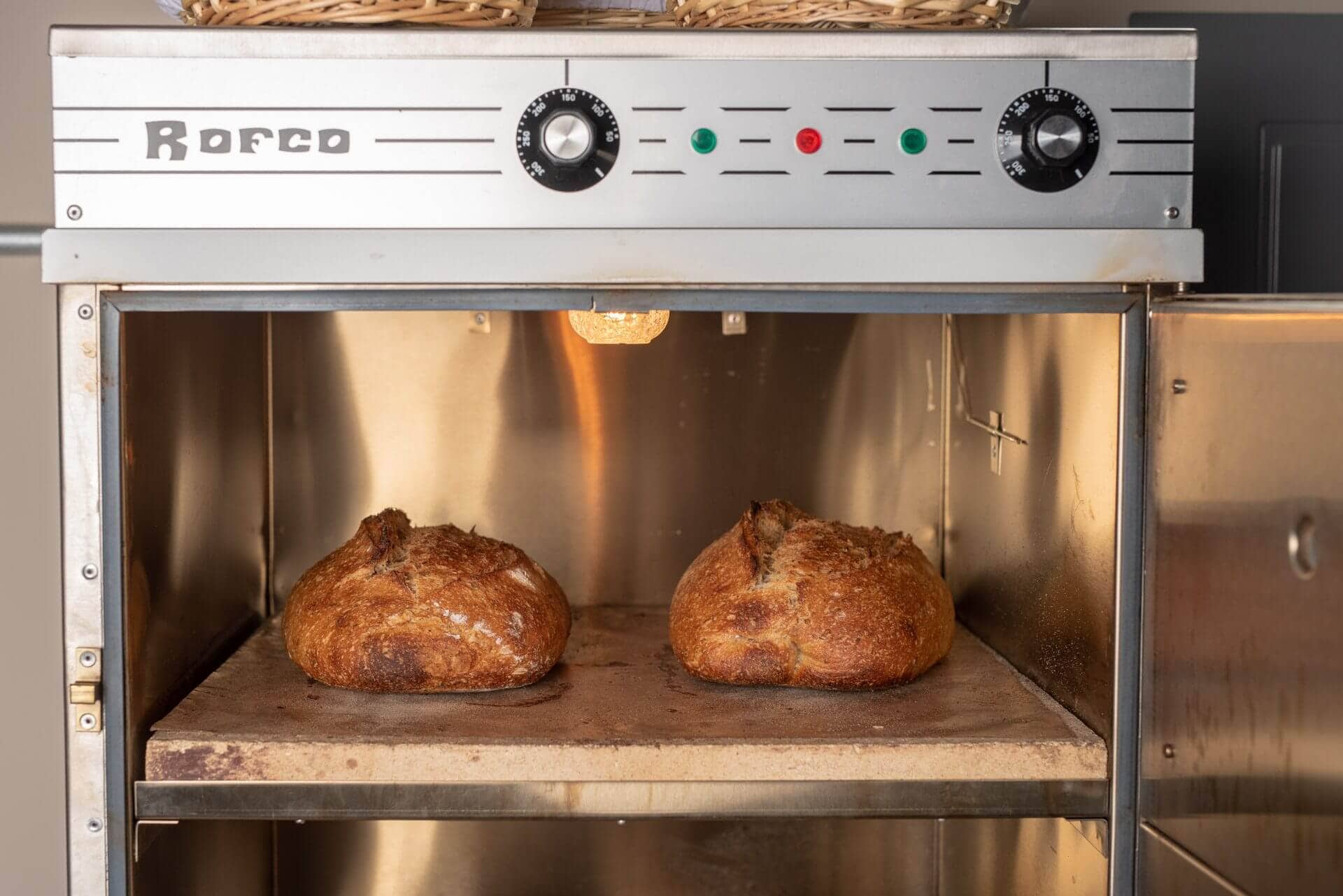
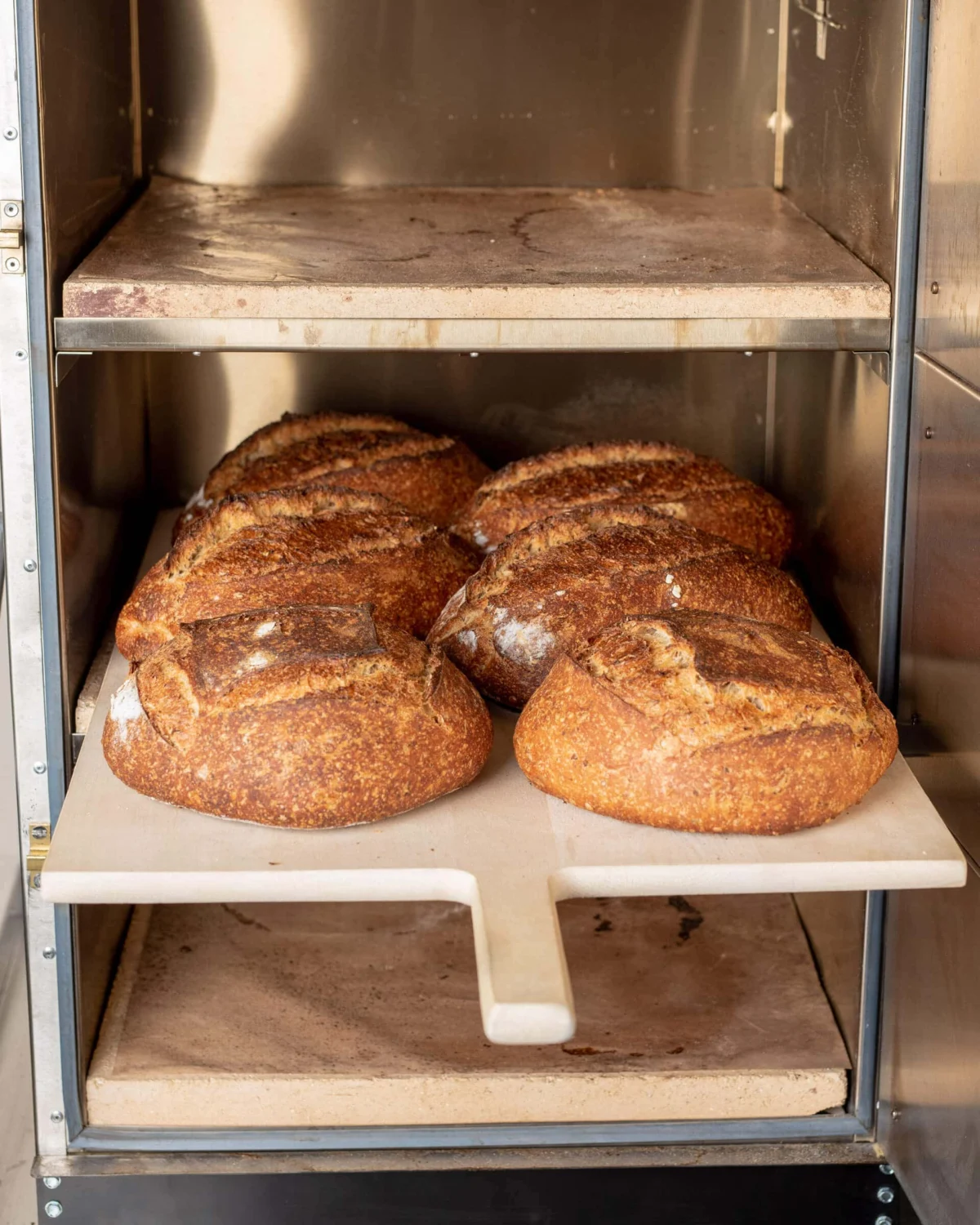
Baking professionals utilize distinct loading configurations depending on loaf size and shape. For standard batards weighing approximately 900 grams each, a two-loaf layout per deck is standard. Alternatively, round boules of 800 grams or four smaller loaves of 700 grams can be accommodated per deck through careful geometric arrangement. The rear portion of each deck experiences different airflow and thermal dynamics compared to the front threshold near the door, necessitating consistent placement strategies.
To streamline loading and unloading, operators frequently employ a custom-sized wooden pizza peel—measuring 18 inches in width to match the interior deck clearance—paired with high-temperature silicone baking sheets. This assembly line approach allows batches of dough to be scored on a prep table and transferred sequentially into the oven chamber with minimal thermal loss.
Thermal Dynamics and Manual Steam Injection Protocols
The gelatinization of starches and the expansion of internal gases during the initial stages of baking depend heavily on the presence of steam. Professional bakery deck ovens typically feature automated, push-button steam injection systems. Because the Rofco operates on a simpler, bare-bones mechanical design, it lacks integrated plumbing for automated steam generation. Instead, operators must utilize manual intervention techniques to achieve the necessary humidity within the sealed chamber.

Two primary methods are employed within the industry: high-pressure sprayers and internal steam pods. The high-pressure sprayer method involves utilizing a commercial-grade electric or hand-pumped sprayer filled with water, calibrated to deliver a fine mist. Upon loading the dough, the operator applies water directly to the chamber walls and atmosphere of each deck for 10 to 12 seconds before sealing the door. Care must be taken to avoid glass light fixtures, which are vulnerable to thermal shock and cracking when exposed to direct moisture.
Alternatively, operators can utilize factory-supplied rectangular steel steam pods positioned on the sides of each deck. These pods are preheated alongside the stones and filled with water or ice cubes immediately after loading the dough to flash-boil water into steam. While effective at generating high humidity, these pods consume valuable lateral surface area on the baking decks, leading many high-volume bakers to favor external pressure sprayers to maximize usable baking space.
Step-by-Step Baking Chronology and Thermal Adjustments
Executing a successful bake in a Rofco oven requires a strict temporal and thermal sequence. The standard operational protocol begins with an empty oven preheated to 240 degrees Celsius for approximately one hour and thirty minutes. This extended preheat ensures that the heavy chamotte stones are thoroughly saturated with thermal energy.

Once preheated, the baking sequence follows a four-stage process:
- Initial Loading and Preheating: The oven is preheated to 240 degrees Celsius with the door and exhaust vents fully closed for 90 minutes.
- Steam Injection Phase: Dough is loaded onto the decks via silicone sheets, followed immediately by manual steam injection. The thermostats are adjusted to 150 degrees Celsius, and the bread bakes under high humidity for 20 minutes.
- Steam Venting Phase: The operator carefully cracks the door to exhaust residual steam, swivels open the circular door vents, and adjusts the temperature control to 220 degrees Celsius for a 10-minute crust-setting phase.
- Final Dehydration and Color Development: The temperature is returned to 150 degrees Celsius for an additional 20 to 30 minutes, allowing internal moisture to escape and the crust to achieve optimal coloration and crispness.
Upon completion of the bake, the loaves are extracted using the wooden peel and transferred to wire racks for cooling.
Ancillary Equipment and Workflow Integration
Integrating a commercial-grade deck oven into a home or micro-bakery setting frequently requires supplementary hardware to maintain ergonomic efficiency and food safety standards. Industry authorities recommend mounting the Rofco unit on a reinforced stainless-steel equipment stand, such as a 30-inch by 30-inch 16-gauge industrial table. Custom-cut legs—lowered to an ergonomic height of approximately 18 inches—allow bakers to load and unload heavy dough batches at a comfortable working posture. Equipping the stand with heavy-duty locking casters provides mobility for cleaning and facility maintenance, though static installations are preferred by some operators to eliminate structural vibration when closing heavy oven doors.
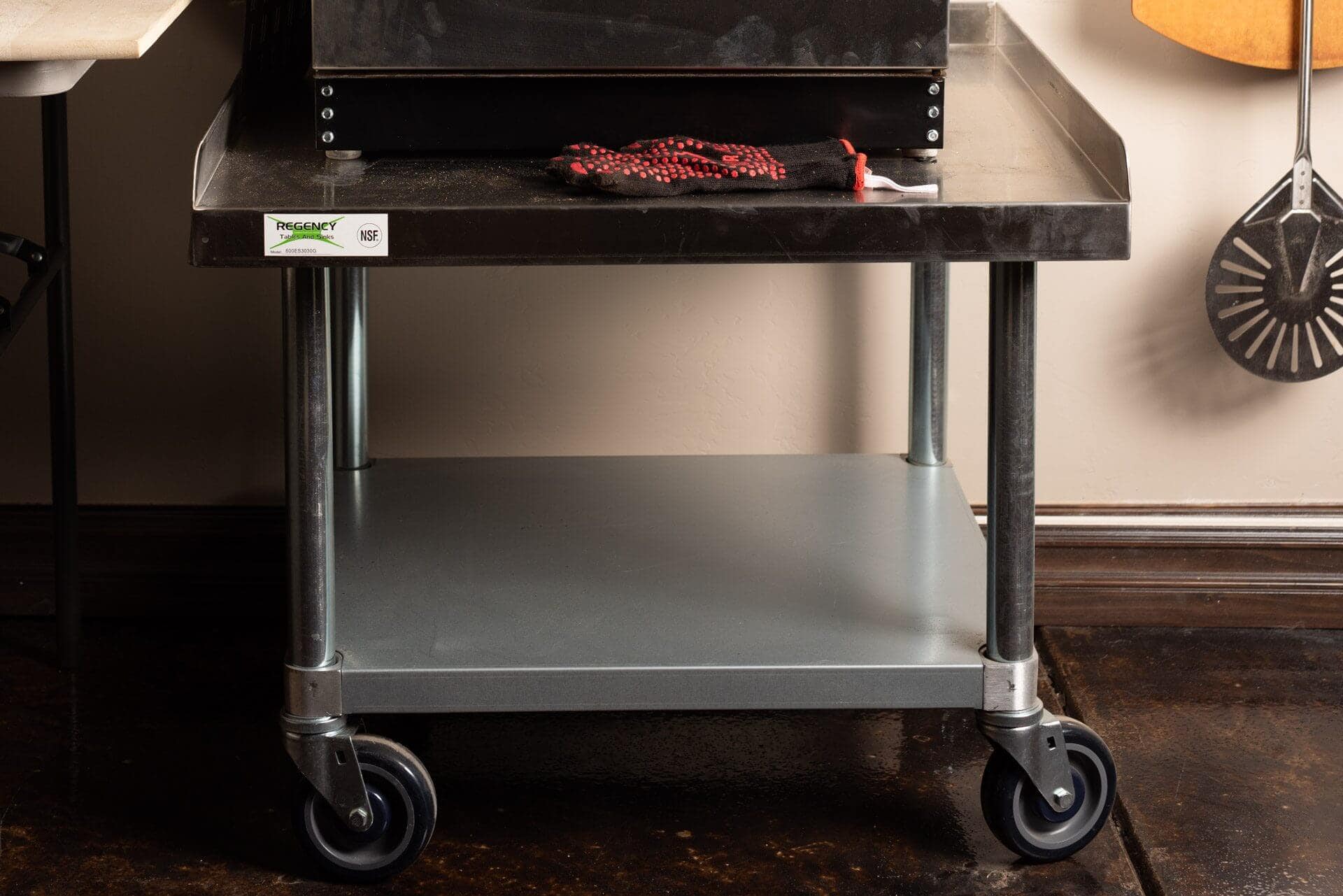
Furthermore, the high thermal output of the oven can be leveraged beyond bread production. Bakers routinely utilize the residual heat of the oven chambers post-bake to rapidly dry damp canvas proofing baskets and linen bannetons, thereby mitigating the risk of mold growth and extending the lifespan of wooden and fabric equipment.
Broader Implications for Artisan Micro-Baking
The adoption of specialized equipment like the Rofco bread oven highlights a broader economic and culinary trend: the professionalization of advanced home baking and the rise of the nano-bakery model. As consumer demand for high-hydration, naturally leavened sourdough bread continues to outpace traditional commercial offerings, independent producers are increasingly investing in commercial-grade, compact infrastructure.
Industry analysts observe that while the initial capital expenditure for specialized electric deck ovens, dedicated electrical wiring, and heavy-duty mixers requires significant financial commitment, the resulting efficiency gains enable small-scale operators to scale production significantly. By transitioning from domestic kitchen appliances to dedicated masonry deck ovens, bakers can achieve consistency, crust development, and crumb structures previously restricted to commercial storefronts. Consequently, tools like the Rofco serve as a vital operational bridge for entrepreneurs scaling up from cottage food operations to sustainable local market enterprises.