
The landscape of modern home baking has experienced a significant shift in recent years, driven largely by dietary restrictions, health-conscious lifestyle choices, and a surging demand for accessible low-calorie alternatives. Among the most frequent challenges faced by home bakers managing diabetes or monitoring caloric intake is the adaptation of classic decorative elements, particularly icings and glazes traditionally reliant on massive quantities of refined confectioner’s sugar. To address this culinary gap, home economists and dietary planners have increasingly turned to do-it-yourself (DIY) formulations utilizing zero-calorie sweeteners like sucralose. By modifying commercially available granular sweeteners into a fine, powdery consistency, bakers can replicate the texture and utility of traditional icing sugar without the accompanying glycemic spike.
Background and Evolution of Alternative Sweeteners in Baking
The commercial development of high-intensity sweeteners revolutionized the processed food industry in the late 20th century, offering sweet flavor profiles with negligible caloric impact. Sucralose, marketed widely under the brand name Splenda, was approved by regulatory bodies such as the U.S. Food and Drug Administration (FDA) in the late 1990s as a general-purpose sweetener. Unlike traditional cane sugar, which comprises sucrose molecules that metabolize into glucose and fructose, sucralose is derived from sucrose through a selective chlorination process. This chemical alteration prevents the human body from recognizing and breaking it down for energy, allowing it to pass through the digestive system entirely unmetabolized.
Despite its success in beverages and general cooking, early adopters of low-calorie diets frequently encountered limitations when attempting to replicate complex pastry arts. Traditional confectioner’s sugar—often referred to as powdered sugar or icing sugar—serves a dual purpose in baking: it provides sweetness while acting as a structural agent that binds liquids to create smooth glazes, frostings, and decorative dustings. Granular artificial sweeteners, by contrast, possess a crystal structure too coarse for smooth icings, frequently resulting in a gritty mouthfeel and preventing the creation of a uniform glaze. To solve this, consumers and culinary researchers developed methods to pulverize standard granular sugar substitutes into a fine dust, effectively bridging the gap between specialized dietary needs and aesthetic baking requirements.

Methodology and Practical Application for Home Bakers
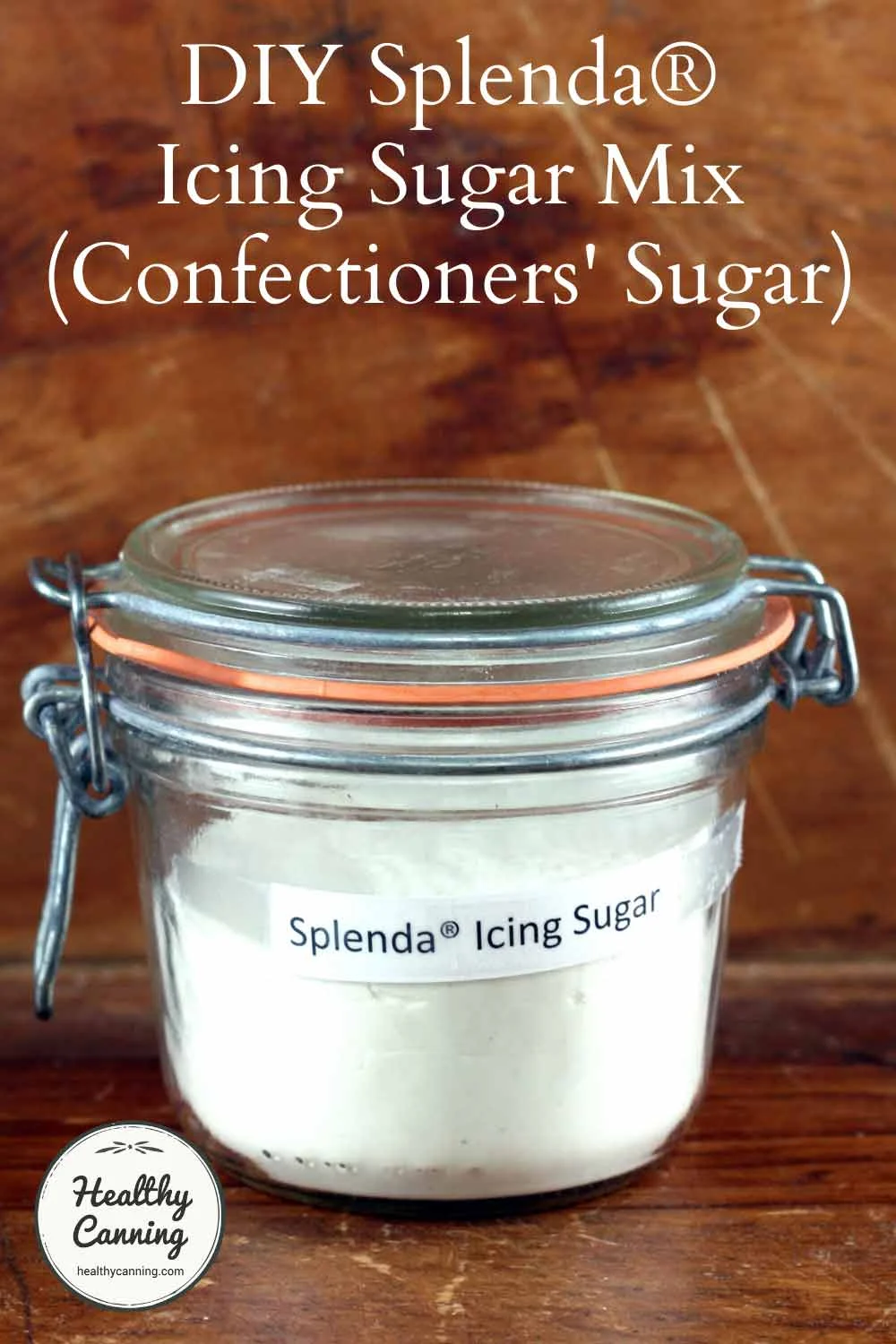
Creating a DIY alternative to commercial confectioner’s sugar using brand-name Splenda or generic sucralose equivalents requires precise mechanical processing rather than complex chemical manipulation. Granular sucralose blends typically incorporate maltodextrin or dextrose as bulking agents to ensure that the product measures cup-for-cup like regular sugar. However, these bulk granules remain too large for delicate icings.
To achieve the desired consistency, culinary technicians recommend utilizing a clean, dry high-speed blender or food processor. For optimal results, batches should be processed in controlled quantities—typically one to two cups (approximately 25 to 50 grams) at a time. Overloading the blending vessel often results in an uneven grind, leaving larger crystals intact and failing to achieve the ultra-fine, powdery texture characteristic of true confectioner’s sugar. Once processed, the resulting powder can be stored in airtight containers indefinitely, provided it is kept away from moisture, which can cause the hygroscopic bulking agents to clump.
Nutritional and Culinary Implications
The primary motivation for transitioning to a homemade sucralose-based icing mix lies in the profound nutritional divergence from standard sucrose products. A standard batch of glaze prepared with traditional confectioner’s sugar can easily contribute hundreds of empty calories and a heavy load of simple carbohydrates, posing significant risks for individuals managing insulin resistance, pre-diabetes, or Type 2 diabetes.
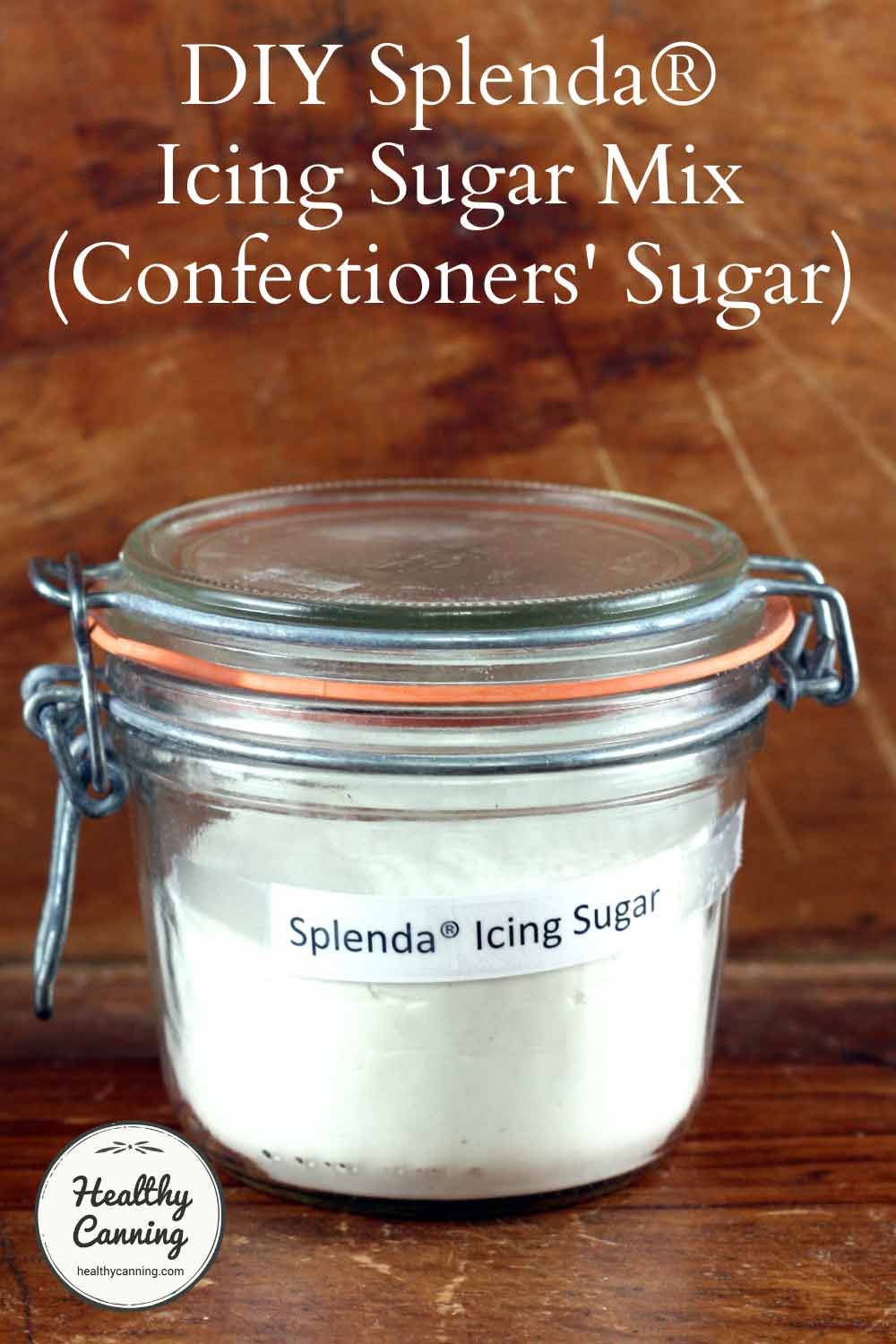
Conversely, analyses of DIY sucralose icing mixes demonstrate a dramatic reduction in both caloric and carbohydrate metrics. Depending on the liquid base and fat medium selected—such as substituting traditional butter with a light, low-fat vegetable oil spread—an entire batch of resulting glaze can be produced with as few as 35 calories. When formulated using standard low-fat margarine, the nutritional profile yields approximately 124 kilocalories per batch, featuring minimal protein and fat, alongside a drastically reduced impact on blood glucose levels compared to traditional counterparts.
It is important to note structural limitations inherent to non-nutritive sweeteners. Because sucralose lacks the caramelized properties and structural crystallization capabilities of real sugar, a DIY Splenda icing mix naturally yields a smooth glaze or fluid drizzle rather than a heavy, whipped, fat-based buttercream frosting. Bakers attempting to use this mix for piping intricate decorations will find the medium too fluid; instead, it is ideally suited for drizzling over pound cakes, scones, brownies, and muffins.
Flavor Variations and Practical Preparation Techniques
Culinary versatility remains a critical factor in the adoption of alternative baking ingredients. The base DIY Splenda icing mix serves as a neutral canvas that readily accepts a wide variety of extracts, colorings, and flavor enhancers.
To prepare a standard glaze using the DIY mix, bakers typically combine the pulverized sweetener with minimal liquid—such as water, skim milk, or unsweetened almond milk—alongside a chosen fat source and flavoring extract. While electric mixers are frequently employed for heavy buttercreams, culinary experts note that simple hand tools, such as a standard kitchen fork or small whisk, are entirely sufficient for emulsifying the small quantities of liquid required for a sucralose glaze, preventing unnecessary aeration and ensuring a glossy finish.

Flavor experimentation can be easily achieved through the integration of concentrated extracts. For instance, incorporating a teaspoon of high-grade unsweetened cocoa powder directly into the wet ingredients alongside the margarine, vanilla, and water yields a convincing low-calorie chocolate glaze. Alternatively, bakers can substitute traditional vanilla extract with lemon, almond, peppermint, or butterscotch extracts to complement specific pastry profiles. Food-grade colorings can also be introduced without altering the chemical stability of the glaze, allowing for seasonal and thematic presentation styles that rival traditional baked goods.
Broader Industry Response and Consumer Accessibility
The proliferation of homemade alternative baking recipes reflects a broader cultural and market trend toward democratized health management. As chronic conditions associated with diet continue to present public health challenges, culinary education has expanded beyond professional test kitchens into digital spaces, empowering consumers to modify commercial products to suit individual metabolic requirements.
While major food manufacturers have occasionally introduced pre-packaged sugar-free powdered sweeteners, availability varies widely by geographic region, and retail pricing often commands a substantial premium over standard granular products. By providing a reliable methodology for converting bulk granular sweeteners into functional confectioner’s sugar at home, culinary guides offer a cost-effective, highly accessible pathway for individuals seeking to maintain dietary restrictions without sacrificing the sensory pleasures of baking.
Nutritionists and culinary educators emphasize that while these alternatives significantly reduce glycemic impact, consumers must remain cognizant of the differences in chemical behavior between sucrose and artificial substitutes. Understanding that sucralose-based mixes are optimized for glazes rather than heavy structural frostings ensures successful baking outcomes and broadens the culinary horizons for those navigating specialized nutritional paths.