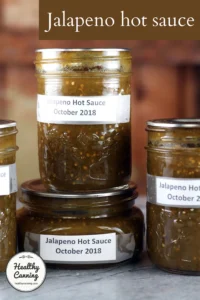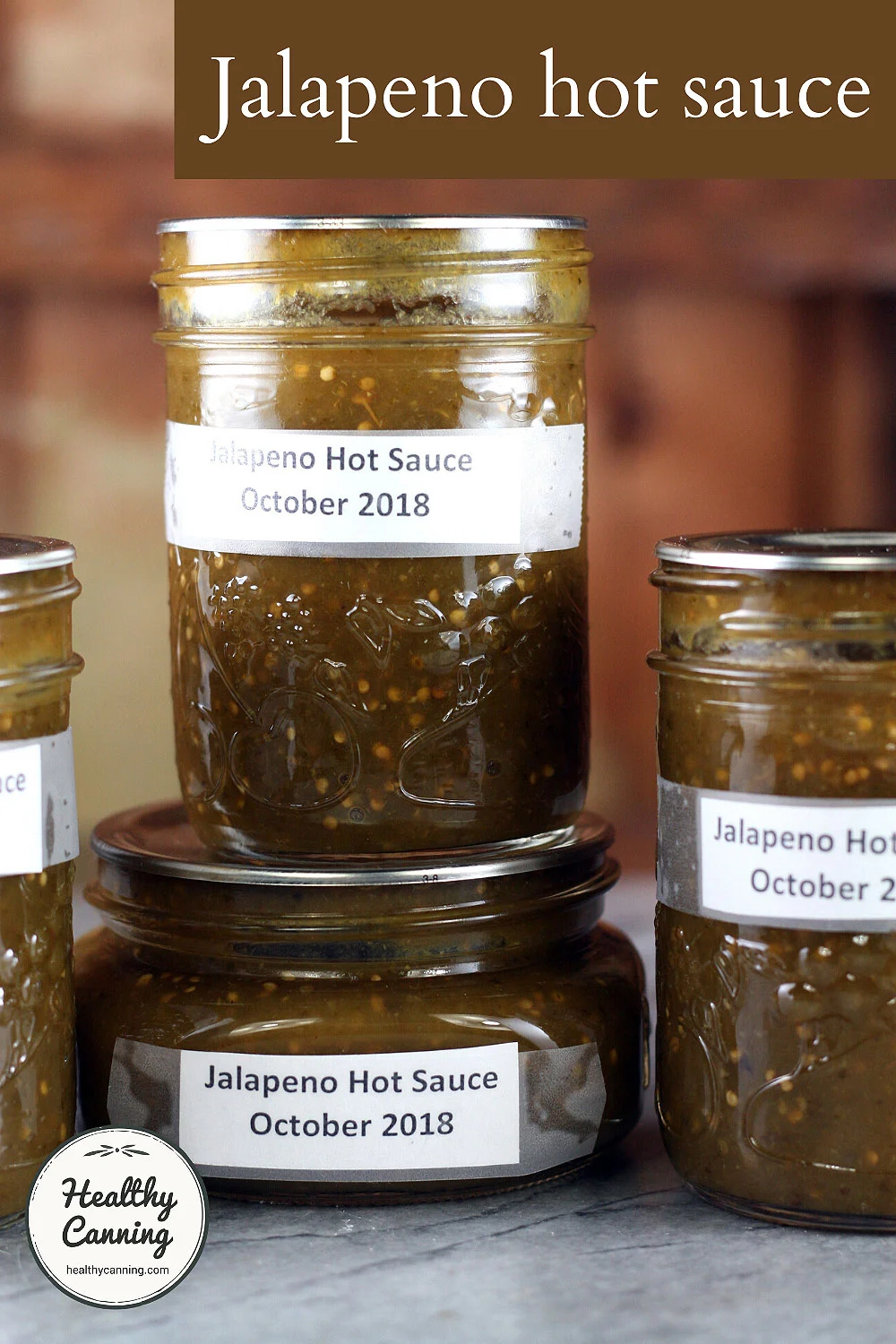

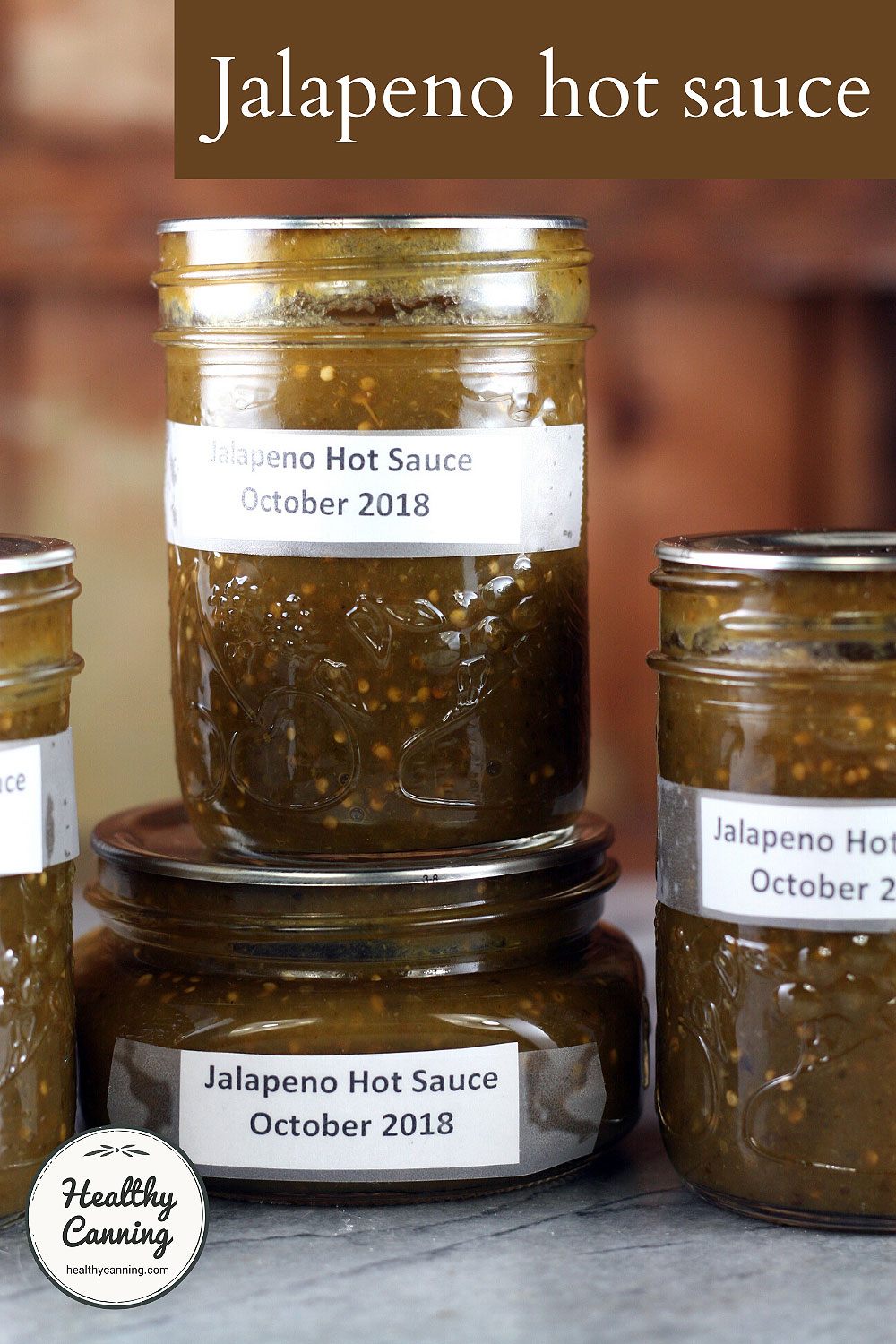
Home food preservation has experienced a significant resurgence over the last decade, transitioning from a survivalist necessity to a sophisticated culinary craft. Central to this movement is the production of high-quality, shelf-stable condiments that rival commercial artisanal products in both flavor profile and safety. One such standout is the Jalapeno Hot Sauce, a robust, green condiment that utilizes a scientifically validated foundation provided by the United States Department of Agriculture (USDA). This specific formulation, while appearing as a modern culinary innovation, is actually a strategic modification of the classic USDA Cayenne Pepper Sauce recipe. By substituting red tomatoes with tomatillos and standard peppers with green jalapenos, home canners can produce a thick, spoonable sauce that meets rigorous safety standards while offering a unique flavor profile suitable for a wide array of gastronomic applications.
The production of this sauce is not merely a matter of culinary preference but a disciplined exercise in food science. The recipe is designed to yield approximately five half-litre (US pint) jars, requiring a total commitment of four hours—one hour for preparation and three hours for simmering. This extended cooking time is essential for achieving the "spoonable" consistency that distinguishes this sauce from thinner, vinegar-based commercial varieties. The process utilizes either water-bath or steam canning methods, both of which are recognized by the National Center for Home Food Preservation (NCHFP) as effective means of neutralizing spoilage organisms in high-acid environments.
Historical Context and Safety Framework
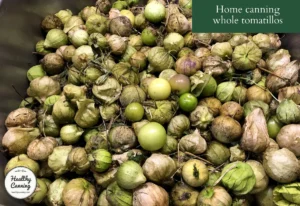
The foundation of modern home canning safety in the United States is rooted in the work of the USDA and the NCHFP. For decades, these organizations have tested recipes to ensure they reach the thermal death point for common pathogens, most notably Clostridium botulinum. The Jalapeno Hot Sauce discussed here is a "safe swap" version of the traditional Cayenne Pepper Sauce. In the world of home canning, modifications are generally discouraged unless they follow specific guidelines. However, the substitution of tomatillos for tomatoes is considered safe because tomatillos possess a similar, and often higher, acidity level than traditional tomatoes. Similarly, swapping one type of pepper for another is permissible as long as the total volume or weight of the peppers remains constant, ensuring the acid-to-vegetable ratio is maintained.

This scientific rigor is necessary because peppers are low-acid foods. Without the correct balance of vinegar and heat processing, they can pose a significant health risk if stored at room temperature. By adhering to the USDA’s acid-heavy framework, home cooks can ensure that the final product has a pH level well below 4.6, the threshold required for safe atmospheric canning.
Chronology of the Canning Process
The production of Jalapeno Hot Sauce follows a strict chronological sequence to ensure both flavor development and microbial safety.
- Ingredient Preparation (Hour 1): The process begins with the careful selection of fresh jalapenos and tomatillos. For this recipe, canned tomatillos may also be used as a base. The jalapenos must be washed, stemmed, and optionally seeded. It is a standard recommendation among food safety experts to wear gloves during this stage, as capsaicin—the compound responsible for the heat—can cause severe skin and eye irritation.
- The Simmering Phase (Hours 2–4): Unlike quick-pickled sauces, this version requires a three-hour simmer. This duration serves two purposes: it breaks down the fibrous structure of the peppers and tomatillos, and it reduces the water content. The result is a concentrated, thick condiment. During this phase, the kitchen must be well-ventilated, as the evaporating vinegar and capsaicin can become pungent.
- Jar Preparation and Filling: While the sauce reduces, canning jars (ranging from 125 ml to 500 ml) are cleaned and prepared. The sauce is moved into the jars, leaving a precise headspace of 2 centimeters (1/2 inch). This gap is crucial for allowing a vacuum seal to form during the cooling process.
- Thermal Processing: The filled jars are submerged in a water-bath canner or placed in a steam canner. They are processed for 10 minutes, a time that must be adjusted based on the processor’s altitude. Altitude adjustment is a critical, yet often overlooked, step; as atmospheric pressure decreases at higher elevations, the boiling point of water drops, necessitating longer processing times to achieve the same level of sterilization.
- Cooling and Verification: Once processed, jars must sit undisturbed for 12 to 24 hours. The definitive "pop" of the lid indicates a successful vacuum seal, rendering the sauce shelf-stable for 12 to 18 months.
Supporting Data and Nutritional Profile
From a nutritional standpoint, the Jalapeno Hot Sauce is an exceptionally lean condiment, making it an attractive option for health-conscious consumers. According to data provided by Healthy Canning and analyzed via standard nutritional metrics, a single tablespoon serving contains approximately 8 calories. The carbohydrate count stands at 1.6 grams, with sugar accounting for less than 1 gram. Furthermore, the sauce is virtually fat-free and extremely low in sodium (approximately 2 mg per serving), provided no additional salt is added during the simmering process.
This profile stands in stark contrast to many commercial "hot wing" or "taco" sauces, which often rely on high concentrations of sodium and stabilizers like xanthan gum to maintain shelf life and texture. By producing the sauce at home, the cook maintains total control over the ingredient list, eliminating the need for artificial preservatives.
Expert Responses and Culinary Implications
The National Center for Home Food Preservation rarely adds subjective commentary to its published recipes, but the Jalapeno Hot Sauce (via its Cayenne ancestor) is a notable exception. The NCHFP explicitly warns that this is a "very hot sauce." This warning is a response to the concentrated nature of the peppers after a three-hour reduction. While a fresh jalapeno typically ranks between 2,500 and 8,000 on the Scoville Heat Scale, the removal of water during the cooking process concentrates the capsaicin, resulting in a potent finished product.
Culinary experts suggest that because of its thickness and heat, the sauce should be treated more like a concentrate than a pourable dressing. Recommended uses include:
- Integrating into soups and stews for a deep, acidic heat.
- Using as a base for spicy marinades for poultry or pork.
- Whisking into mayonnaise or sour cream to create a spicy dip or spread.
- Adding to homemade salsas to increase the "kick" without adding excess liquid.
Broader Impact on the Home Canning Community
The availability of validated recipes like this Jalapeno Hot Sauce has a broader impact on public health and the "Cottage Food" economy. In many jurisdictions, home-canned goods can be sold at farmer’s markets under specific regulations. Having a recipe that is backed by USDA research provides a level of liability protection and consumer confidence that "heirloom" or untested recipes cannot offer.
Furthermore, the shift toward "green" sauces reflects a changing American palate that is increasingly interested in the tart, citrusy notes of tomatillos and the bright, grassy heat of green chilies, moving away from the vinegar-heavy red sauces that have dominated the market for decades. This trend is particularly evident in the Southwest and among urban "urban homesteading" communities, where garden-to-table practices are highly valued.
Conclusion and Practical Advice for Producers
For those looking to embark on this four-hour preservation project, attention to detail is paramount. The NCHFP and Master Food Preserver groups emphasize that while the recipe can be halved, the "math must be done on paper" before beginning to avoid errors in the acid-to-pepper ratio. For residents in Australia and New Zealand, special attention must be paid to vinegar strength; while North American recipes assume 5% acidity, variations in international vinegar strengths can compromise the safety of the product.
Ultimately, the Jalapeno Hot Sauce represents a perfect marriage of safety and flavor. By following the established guidelines for water-bath or steam canning, home producers can stock their pantries with a versatile, high-intensity condiment that is as safe as it is delicious. As the DIY food movement continues to evolve, recipes that bridge the gap between traditional preservation and modern culinary trends will remain the gold standard for home cooks worldwide.