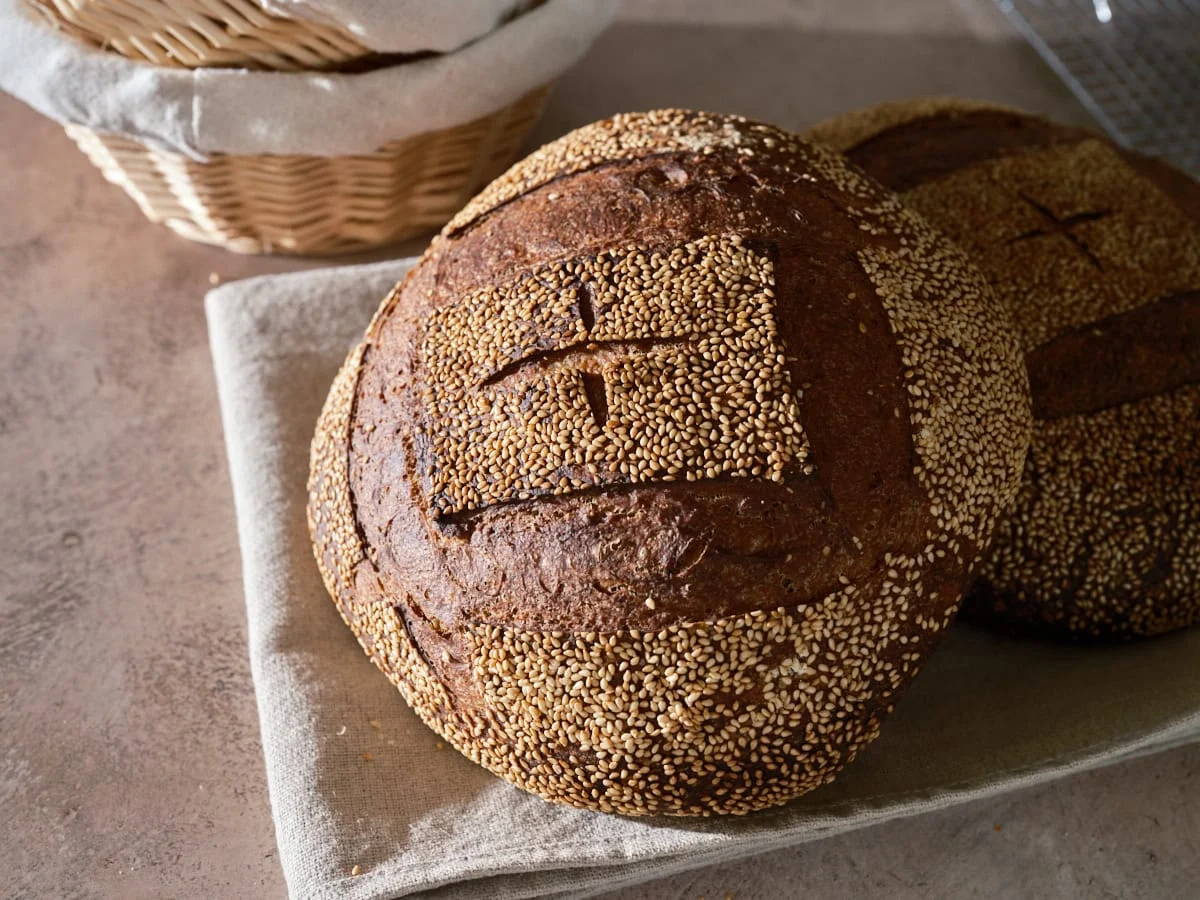

The biting chill of winter, lingering far longer than its welcome, has a way of motivating bakers to seek the warmth of a roaring oven. This sentiment is precisely what inspired the creation of a particularly spice-forward and hearty sourdough bread, a recipe designed to bring comfort and culinary delight during the encroaching darkness and dry air of the colder months. While the frigid weather might be a powerful catalyst for baking, the early sunsets and persistent chill can make the process feel less inviting. However, the journey of crafting this exceptional loaf offers its own unique rewards, from the pungent aroma of freshly ground anise to the rich, sweet notes of malt, the visually appealing buckwheat-speckled dough, and the silky texture imparted by a flour scald. Each step, it turns out, provides a welcome distraction from the external cold.
Anise, a spice that announces its presence with an unreserved intensity, is a star ingredient in this sourdough creation. Its heady, licorice-sweet fragrance is a personal favorite for baking applications, often featured whole in biscotti or ground into various cookie recipes. Yet, it was a surprising realization that anise had not yet found its way into a substantial loaf of bread. The distinctive character of anise, which "arrives" rather than "politely waits," pairs exquisitely with the nutty, mineral, and slightly tannic notes of buckwheat. This combination yields a sourdough bread that is remarkably balanced and utterly irresistible, offering a complex flavor profile that can elevate any meal. To further enhance its visual appeal and complement its flavor, the loaf is finished with a generous topping of striking white sesame seeds, their mild nuttiness harmonizing with the bread’s inherent spice and sweetness, creating a beautiful contrast against the whole-grain crumb.
The Science Behind the Scald: Enhancing Texture and Flavor
A key technique employed in this recipe, and one that significantly contributes to the bread’s superior texture and depth of flavor, is the flour scald. Inspired by the desire to incorporate buckwheat in a way that maximized its potential, the baker turned to scalding. This process, which involves simply covering flour with boiling water, transforms it into a thick, gelatinous paste. This paste is then incorporated into the final dough. The technique bears a strong resemblance to the Japanese yudane method and is closely related to the tangzhong technique, both of which are renowned for their ability to create exceptionally soft and moist baked goods.
The benefits of a flour scald extend beyond mere texture. The scalding process releases a potent aromatic compound from the flour, infusing the resulting paste with a rich, complex flavor. Crucially, this gelled flour acts as a moisture retainer within the bread. By trapping water molecules, it helps to keep the final loaf softer for a significantly longer period, effectively delaying the staling process. This simple yet effective method is a testament to how minor adjustments in technique can lead to substantial improvements in the final product, a recurring theme in artisanal bread making. The ease with which a scald can be prepared makes it an accessible technique for home bakers seeking to elevate their creations.
Strategic Flour Selection: Building a Robust Foundation
The choice of flours is paramount in achieving the desired characteristics of this hearty sourdough. To build a robust base for a loaf intended for sandwiches and robust flavor, high-extraction (Type 85) flour was selected. Specifically, Cairnspring’s Trailblazer flour, a popular choice for its consistent performance and balanced profile, was utilized. This type of flour, which contains more of the bran and germ than standard white flour, contributes a richer flavor and enhanced nutritional value to the final bread.
Buckwheat, while a celebrated addition for its unique earthy qualities and striking color, presents a unique challenge in bread making. As observed in previous experiments with sprouted buckwheat sourdough, even small percentages of buckwheat flour can lead to a tighter crumb structure. This is attributed to buckwheat’s lack of gluten-forming proteins, which differ from wheat. The trade-off, however, is well worth the result: an intense earthiness and a beautiful hue that becomes a signature of the finished loaf.
A Two-Day Baking Symphony: The Process Unveiled
This sourdough bread recipe is thoughtfully designed to be executed over two days, minimizing the need for constant baker intervention. The process begins with the preparation of the levain, followed by the creation of the flour scald. These components are then combined for an autolyse period, a crucial step in developing dough strength and hydration. The main dough mixing follows, incorporating the levain, salt, and any remaining water.
The bulk fermentation stage, typically lasting around three hours at a warm room temperature (74-76°F or 23-24°C), requires only two sets of gentle stretch-and-folds at 30-minute intervals. This process allows the gluten network to develop gradually, trapping gasses and building structure. Following bulk fermentation, the dough is pre-shaped into loose rounds and allowed to rest for 30 minutes. The final shaping involves creating tension on the dough’s surface, a critical step for achieving an open crumb and a good oven spring. The shaped loaves are then carefully placed seam-side up into proofing baskets, dusted with white sesame seeds for an aesthetically pleasing finish.
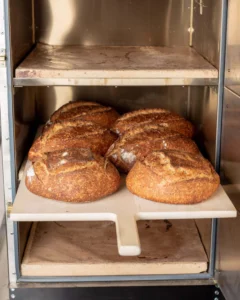
The loaves then embark on an overnight cold proof in the refrigerator. This extended period of slow fermentation under refrigeration develops complex flavors and allows for a convenient baking schedule. The following morning, the dough is ready to be baked. The baking process itself involves preheating the oven to a high temperature (450°F or 230°C) with a Dutch oven or baking stone. The loaves are scored to control their expansion and then baked for an initial period with steam, followed by a longer period with the steam vented, until a deeply colored, perfectly baked crust is achieved. The internal temperature of the finished loaf should reach approximately 204°F (95°C). After baking, the bread requires a cooling period of one to two hours on a wire rack before slicing, allowing the internal structure to set.
Vitals and Formula: Precision in Every Gram
The recipe yields two loaves, each weighing approximately 900 grams, making it ideal for families or for sharing. For bakers wishing to scale the recipe up or down, a detailed editable spreadsheet is available through membership to The Baker’s Corner.
Key Dough Vitals:
- Total Dough Weight: 1,800 grams
- Prefermented Flour: 5.8%
- Levain in Final Dough: 18.5%
- Hydration: 75.0% (83% including the water in the flour scald)
- Yield: Two 900g loaves
Total Formula:
The target final dough temperature for this recipe is 78°F (26°C). This is a critical factor for optimal fermentation and is achieved through precise water temperature calculations.
| Weight (g) | Ingredient | Baker’s Percentage (%) |
|---|---|---|
| 46 | Scald: Buckwheat flour (Anthony’s Organic Buckwheat Flour) | 5.0% |
| 73 | Scald: Water | 8.0% |
| 687 | High-extraction wheat flour (Type 85; Cairnspring Trailblazer) | 75.0% |
| 183 | Whole wheat flour (Camas Country Hard Red Wheat) | 20.0% |
| 46 | Barley malt syrup | 5.0% |
| 6 | Aniseed, ground | 0.6% |
| 596 | Water 1 (levain and autolyse) | 65.0% |
| 92 | Water 2 (mix) | 10.0% |
| 18 | Fine sea salt | 2.0% |
| 53 | Ripe sourdough starter, 100% hydration | 5.8% |
Addressing Common Queries: Baker’s FAQs
Q1: What can I use instead of aniseed?
For a similar aromatic and slightly peppery note, caraway seeds are an excellent substitute. They share a subtle licorice-like quality and complement the other flavors in the bread effectively.
Q2: What can I use instead of barley malt syrup?
Barley malt syrup provides a rich, slightly bitter sweetness. If unavailable, blackstrap molasses can be used to achieve a similar depth of flavor with a more pronounced bitter undertone. Alternatively, honey offers a more floral and pronounced sweetness that also pairs beautifully with anise.
Q3: My dough feels very wet. What should I do?
This recipe is designed with a high hydration level. It is recommended to hold back Water 2 and add it incrementally only if the dough can comfortably incorporate it without becoming overly soupy. The "bassinage" technique, where a portion of the water is added later in the mixing process, helps manage high hydration doughs.
Q4: What if I don’t have high-extraction flour?
If high-extraction flour is not readily available, a good substitute is to use bread flour or a blend of 90% bread flour and 10% whole wheat flour. This will provide a similar protein content and structure for the dough.
The Broader Impact: Sourdough as a Comfort and Connection
In an era where many seek solace and connection through culinary pursuits, the art of sourdough baking offers a particularly rewarding path. The meticulous process, from nurturing a starter to the patient rise of the dough, fosters a sense of accomplishment and mindfulness. This Scalded Buckwheat and Malt Sourdough Bread, with its complex flavors and comforting textures, is more than just a loaf of bread; it’s an edible embodiment of dedication and a testament to the simple pleasures that can be found in the kitchen, even amidst the harshest winter weather. Its creation encourages a deeper appreciation for ingredients and techniques, offering a delicious escape and a warm embrace on even the coldest of days. The inclusion of ingredients like buckwheat and malt speaks to a growing interest in heritage grains and traditional methods, further enriching the sourdough landscape.
For those who find themselves captivated by the unique qualities of buckwheat in their baking, a further exploration into "Soft Honey Buckwheat Sandwich Bread" is recommended, offering a different yet equally delightful interpretation of this versatile grain. Happy baking!