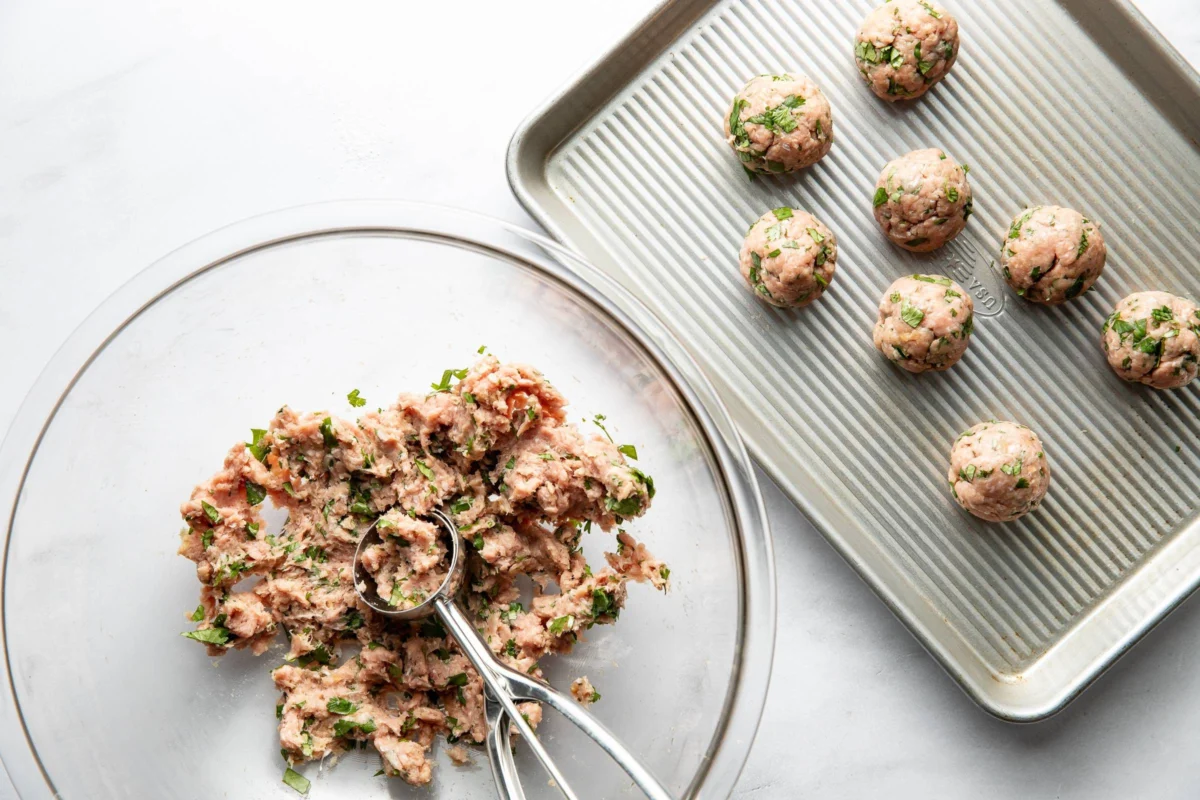

The contemporary culinary landscape increasingly demands recipes that balance speed, flavor, and versatility, a need precisely met by the burgeoning popularity of dishes like the Yellow Curry Meatballs. This particular rendition, gaining traction through prominent food blogs, exemplifies a strategic approach to home cooking, transforming a seemingly complex dish into a "weeknight magic" solution for busy individuals and families. The concept centers on herby meatballs, pan-fried to achieve a golden crust, subsequently bathed in a quick, rich yellow curry sauce, offering an elevated yet accessible dining experience.
The Evolution of Weeknight Dining and Culinary Trends
Modern lifestyles have significantly reshaped dinner preparations. A 2022 survey by the Food Industry Association indicated that 72% of consumers are cooking at home more often than pre-pandemic, with a consistent demand for quick and easy meal solutions that do not compromise on taste or perceived quality. This trend is further amplified by a growing interest in global cuisines. Data from various culinary institutes highlight a sustained increase in the popularity of Asian flavors, with Thai cuisine consistently ranking among the top choices for its vibrant taste profiles and aromatic spices. The Yellow Curry Meatballs recipe taps directly into this confluence of convenience, global flavor, and comfort food appeal.
Food blogs and online recipe platforms have become indispensable resources for home cooks navigating these demands. Platforms like Pinch of Yum, founded by Lindsay Ostrom, serve as incubators for innovative recipes that resonate with a wide audience. These sites often bridge the gap between aspirational gourmet cooking and the practicalities of everyday meal preparation, offering tested methods that simplify intricate culinary processes. The success of a recipe such as the Yellow Curry Meatballs underscores the influence of these digital culinary hubs in shaping contemporary eating habits.
Genesis of a Crowd-Pleasing Recipe

The specific genesis of this Yellow Curry Meatballs recipe provides a microcosm of modern weeknight meal planning challenges. As recounted by its creator, Lindsay Ostrom, the need for a spontaneous, yet impressive, dinner for multiple guests on a weeknight presented a common dilemma for many hosts. Facing a 3 PM deadline on the day of hosting parents, siblings, and their partners—all with discerning palates—Ostrom sought a solution that would be neither overwhelming to prepare nor mundane for "foodies." The resulting dish, she notes, proved to be "group dinner perfection," seamlessly blending familiar elements with exotic notes.
This anecdote highlights a critical aspect of modern entertaining: the desire to host thoughtfully without succumbing to the stress of elaborate preparations. The recipe’s design, which integrates the sauce building directly into the pan where the meatballs are browned, minimizes cleanup and maximizes flavor development, a hallmark of efficient cooking. The description of the sauce as "really more of a gravy" speaks to its rich, comforting texture, providing a cohesive element that "bathes every meatball in magic."
Deconstructing the Culinary Attributes
At its core, the Yellow Curry Meatballs recipe thrives on a few key culinary principles:
- Flavor Layering: The meatballs are infused with herbs, then pan-fried to develop a Maillard reaction, contributing depth and a savory crust. This browning step is crucial, as noted in expert commentary, for building foundational flavors that baked alternatives often lack.
- Umami-Rich Sauce: The yellow curry sauce is quick to prepare but delivers significant impact. Yellow curry paste, a blend of turmeric, lemongrass, galangal, kaffir lime, and chilies, provides a complex aromatic base. When combined with shallots and coconut milk, it creates a creamy, slightly sweet, and savory gravy that clings beautifully to the meatballs.
- Textural Contrast: The recommended addition of "Peanut Shallot Crispies" introduces a delightful crunch, enhancing the overall sensory experience. This element reflects a broader trend in gastronomy towards incorporating varied textures to elevate simple dishes.
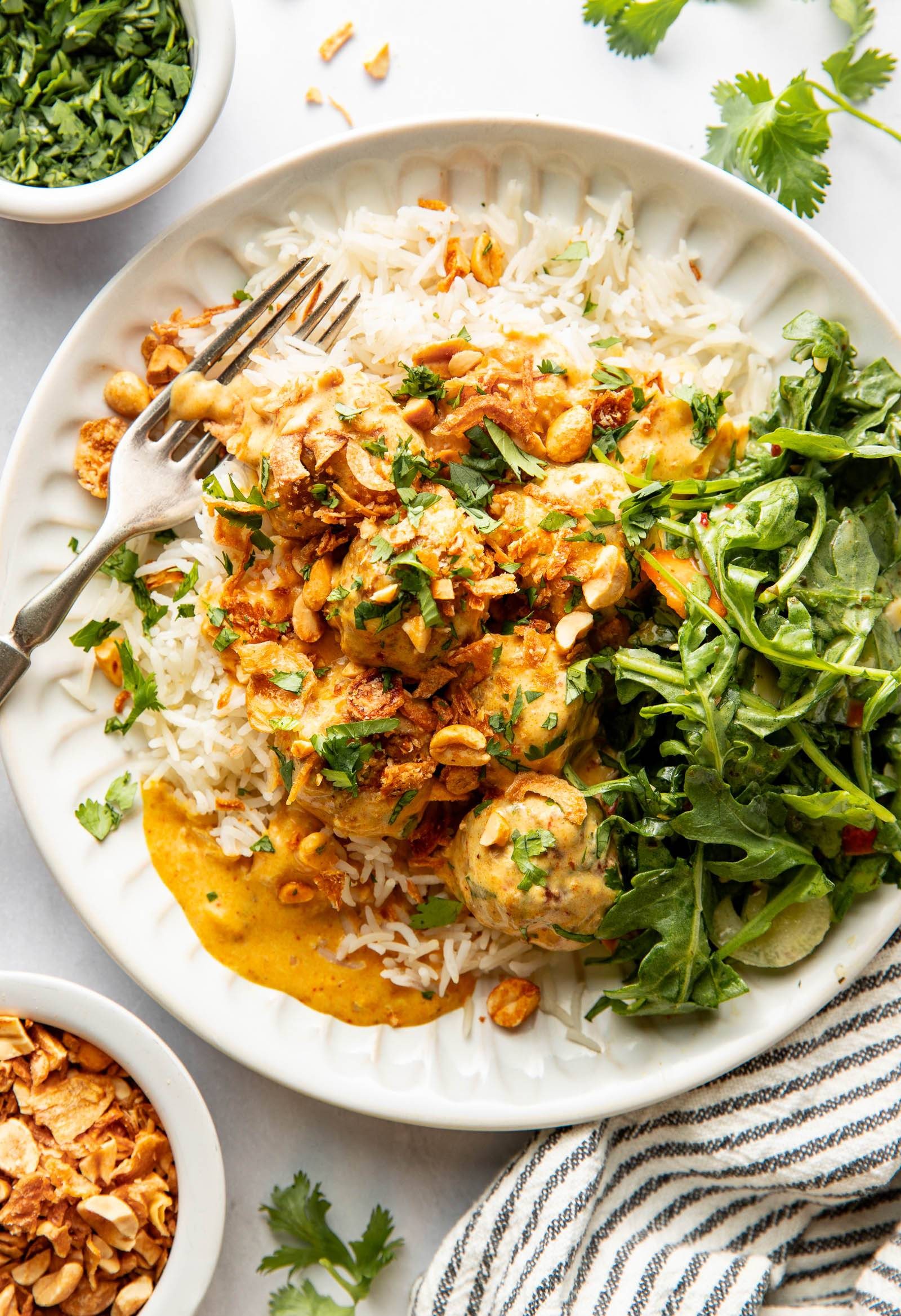
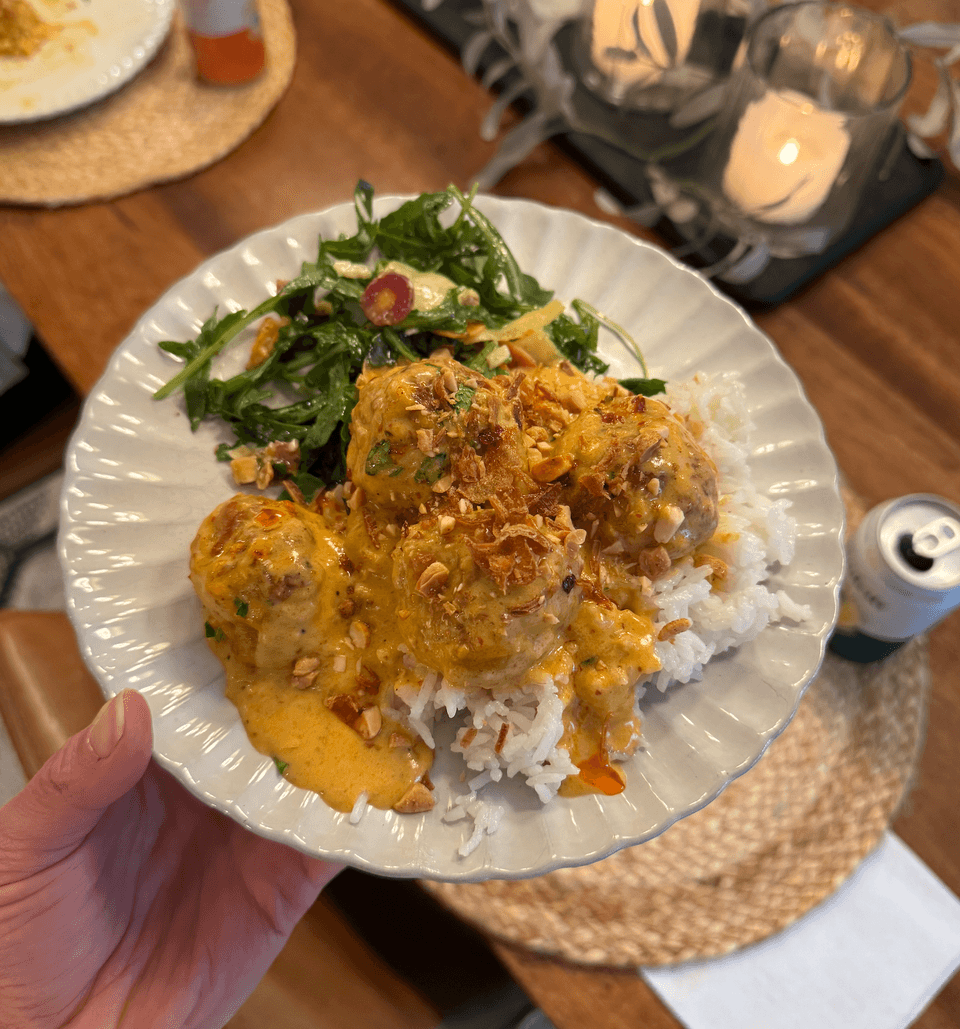
- Visual Appeal: The vibrant yellow of the curry, the golden-brown meatballs, and the fresh green of an accompanying lemony arugula salad create an inviting presentation, reinforcing the idea that weeknight meals can still be visually appealing and celebratory.
Ingredient Focus and Sourcing Implications
The selection of ingredients is pivotal to the recipe’s success. For the meatballs, the use of chicken (or turkey, beef, pork as alternatives) offers a lean protein base. The "herby" designation suggests the inclusion of fresh herbs like cilantro, which brightens the flavor profile and adds aromatic complexity.

A key component is the yellow curry paste. The recipe specifically endorses a Thai brand, emphasizing its potency and authentic flavor. This preference underscores the growing consumer awareness regarding ingredient quality and origin, often opting for imported products that promise a more genuine culinary experience. However, the recipe also acknowledges the viability of homemade yellow curry paste, offering a DIY option for those seeking greater control over ingredients or facing limited access to specific commercial brands. This duality highlights the adaptability inherent in modern recipes, catering to both convenience-oriented cooks and those who prefer a more hands-on approach. The note about homemade paste being "less concentrated" and requiring a larger quantity provides practical guidance, reflecting a journalistic commitment to user-friendly information.
The flexibility extends to other core ingredients. Coconut milk forms the creamy base of the sauce, offering richness and a subtle sweetness that balances the spices. The option to thicken the sauce with a cornstarch slurry transforms it into a gravy, catering to textural preferences and illustrating a common technique in home cooking to adjust consistency.
Nutritional Profile and Dietary Adaptability
From a nutritional standpoint, the Yellow Curry Meatballs offer several advantages. Using lean ground meat provides a good source of protein. Herbs and spices in the curry paste contribute antioxidants and anti-inflammatory compounds. Coconut milk, while calorie-dense, offers healthy fats. Serving the dish with rice provides carbohydrates for energy, and the suggested lemony arugula salad adds essential vitamins, minerals, and fiber.
The recipe’s adaptability makes it suitable for various dietary needs and preferences, a crucial factor in its broad appeal:
- Meat Alternatives: The creator explicitly states that ground chicken, beef, or pork can be substituted for turkey, allowing cooks to choose based on preference, availability, or dietary restrictions. This flexibility is a significant draw for diverse households.
- Vegetarian Conversion: A particularly noteworthy adaptation is the recommendation to use crispy tofu as a meatball substitute. This simple swap transforms the dish into a flavorful vegetarian option, demonstrating how traditional recipes can be innovatively modified to be inclusive. This aligns with the rising demand for plant-based meal solutions across all meal categories.
- Spice Level Adjustment: While yellow curry is generally milder than red or green curries, the specific brand of paste used can influence heat levels. The guidance on using more of a less potent homemade paste or adjusting quantities for red curry paste empowers cooks to customize the spice intensity to their liking.
The Methodical Approach: A Newsroom Perspective on Preparation
Presenting the preparation steps in a clear, sequential manner is crucial for any recipe, and in a journalistic context, it emphasizes the efficiency and logic of the process.
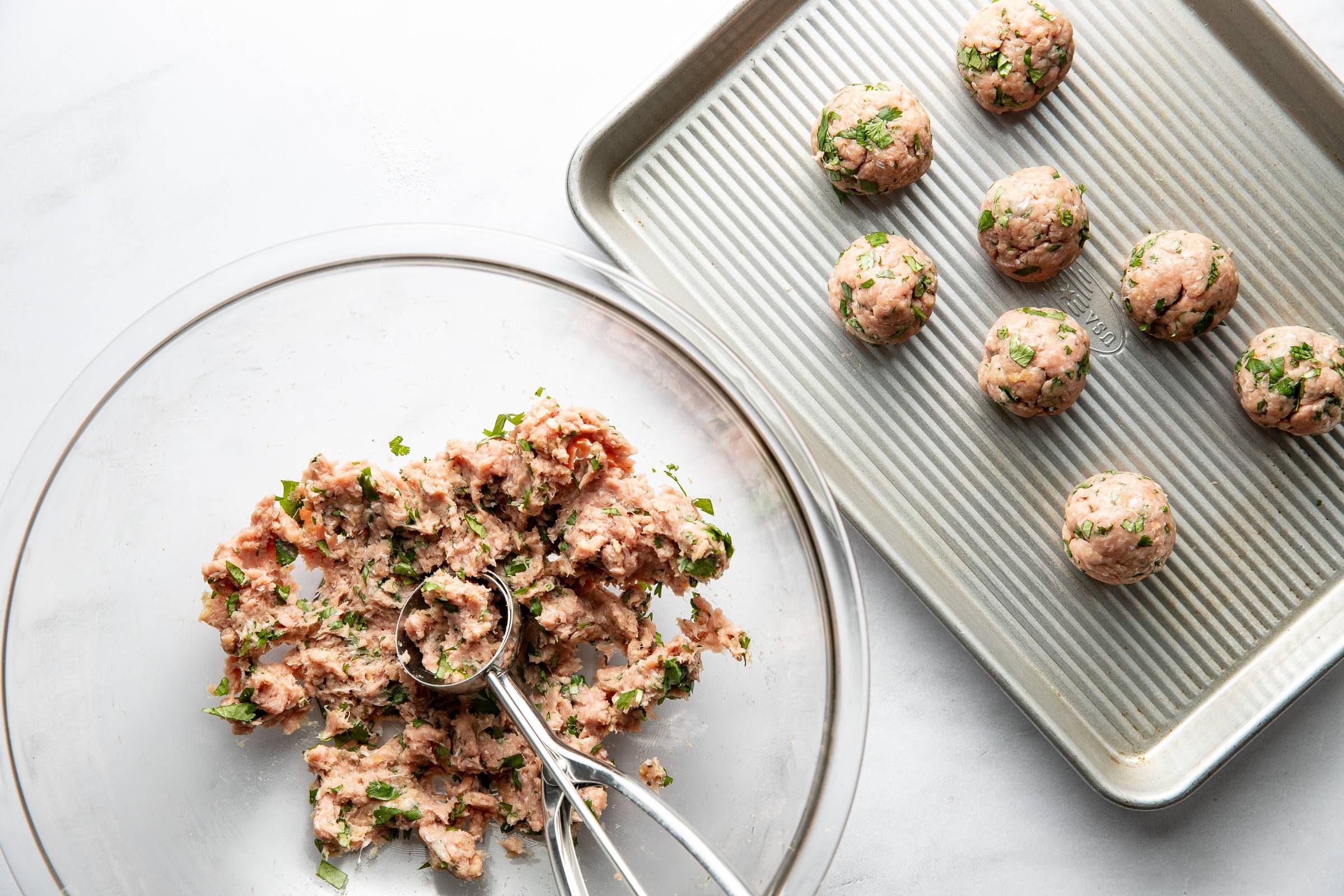
- Meatball Formation: The initial step involves mixing and rolling the meatballs. The emphasis on optional fresh herbs underscores their role in "bringing them to life," highlighting that small additions can significantly impact the final flavor profile. This stage is straightforward, making it accessible even for novice cooks.
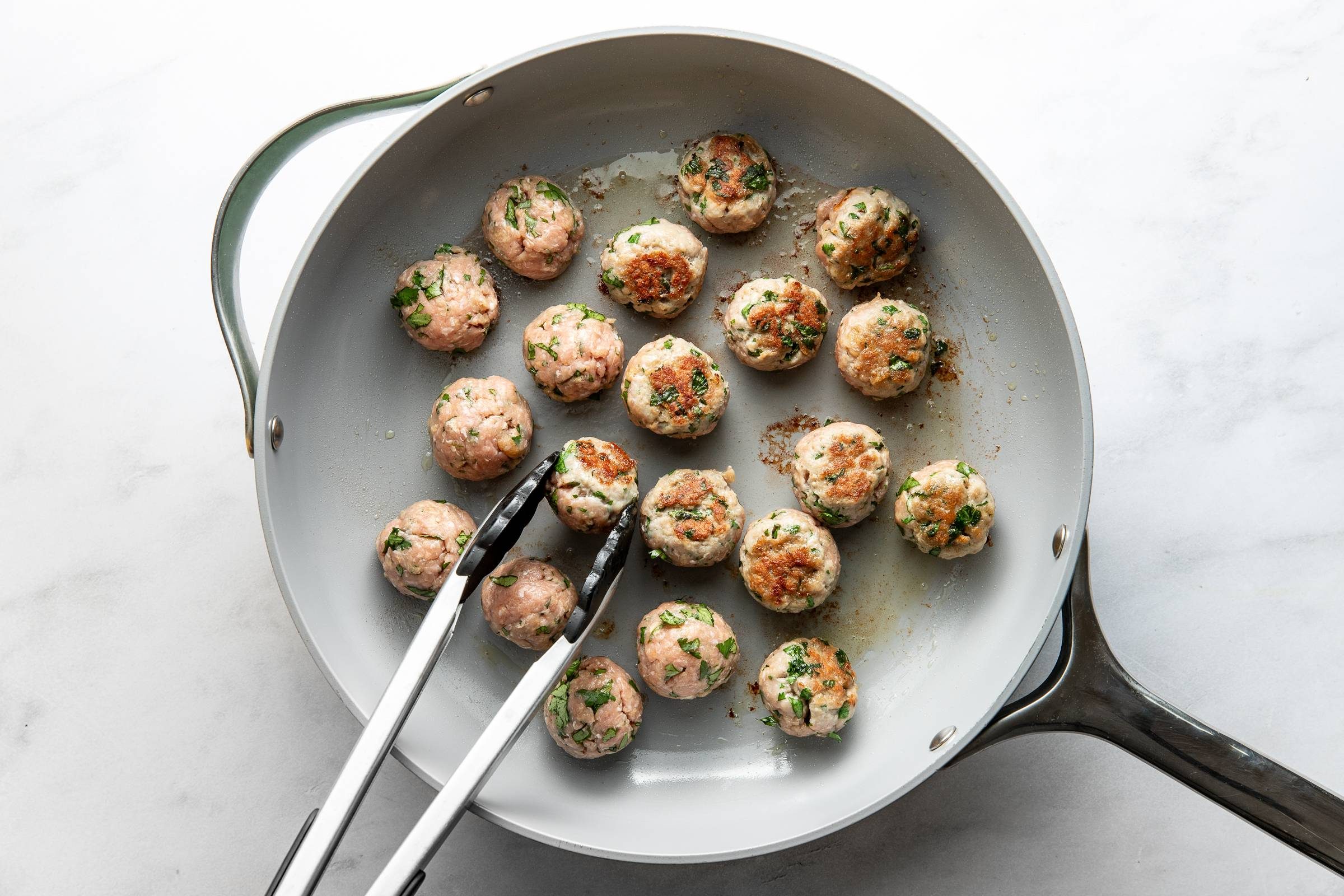
- Browning for Flavor: The instruction to pan-fry the meatballs until golden, rather than cooking them through, is a critical technique. This browning step, often referred to as searing, develops a flavorful crust and creates fond (caramelized bits) at the bottom of the pan, which are later incorporated into the sauce, deepening its complexity. This is a culinary strategy championed by professional chefs and savvy home cooks alike.
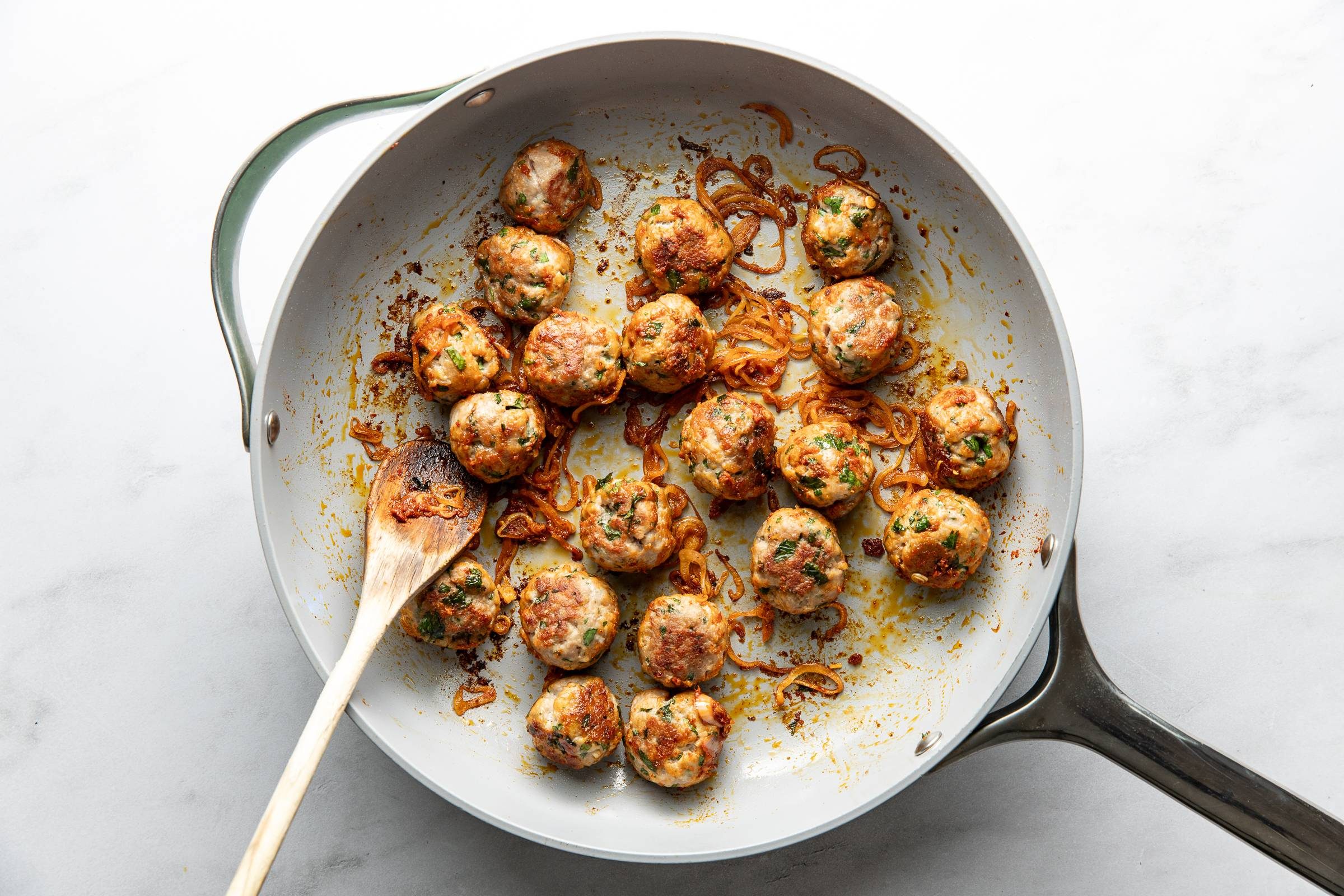
- Aromatics and Paste Activation: Adding shallots and curry paste directly to the pan after browning the meatballs allows these aromatics to sauté in the residual fats and meat drippings. Sautéing the curry paste "activates" its essential oils, releasing its full aromatic potential before liquids are added. This step is a cornerstone of building a robust curry base.
- Sauce Development and Simmering: The introduction of coconut milk transforms the aromatics and paste into the creamy sauce. Simmering the meatballs in this sauce not only finishes their cooking but also allows them to absorb the rich flavors, resulting in tender, flavorful spheres. The option to use a cornstarch slurry for thickening offers control over the sauce’s final consistency, appealing to those who prefer a thicker gravy.
- Garnishing and Serving: The final touch of serving over rice with crushed peanut and shallot crispies adds textural interest and a complementary flavor profile. This recommendation highlights the importance of garnishes in enhancing both the taste and presentation of a dish.
Broader Implications and Culinary Outlook
The ascent of dishes like Yellow Curry Meatballs signals several broader implications for the culinary world and home cooking:
- Fusion Cuisine at Home: This recipe is a prime example of successful fusion, marrying the comfort of Western-style meatballs with the exotic allure of Thai yellow curry. This trend is expected to continue, as home cooks become more adventurous and global ingredients become more accessible.
- Efficiency as a Premium: The emphasis on "weeknight magic" underscores that efficiency in meal preparation is no longer just a convenience but a highly valued attribute. Recipes that minimize active cooking time, reduce cleanup, and deliver maximum flavor will continue to dominate food media.
- Adaptability as a Standard: The multiple customization options—different meats, vegetarian alternatives, spice adjustments—demonstrate that modern recipes must be inherently flexible to cater to diverse dietary needs, preferences, and ingredient availability. This adaptability is key to a recipe’s longevity and widespread adoption.
- The Enduring Influence of Food Blogs: The platform through which this recipe gained prominence—a popular food blog—reaffirms the significant role of digital content creators in shaping culinary trends and educating home cooks. Their ability to translate complex techniques into approachable steps, often with compelling visuals, continues to empower a new generation of home chefs.
In conclusion, the Yellow Curry Meatballs recipe stands as a testament to innovative home cooking. It addresses the contemporary demand for meals that are quick, flavorful, adaptable, and impressive, even on the busiest of weeknights. By expertly blending global flavors with familiar comfort food elements, and by offering clear, efficient preparation methods, this dish has secured its place as a celebrated solution in the evolving landscape of domestic gastronomy. It serves as a model for how culinary creativity, combined with practical considerations, can elevate everyday dining to an art form, making "weeknight magic" a tangible reality for home cooks everywhere.