
The resurgence of home food preservation has brought a renewed focus on the technical requirements for safely storing low-acid vegetables, with cannellini beans—often referred to as white kidney beans—emerging as a staple for those seeking to build a resilient and nutritious home pantry. While the process of home-canning beans is straightforward, it requires a rigorous adherence to safety protocols, specifically the use of a pressure canner to eliminate the risk of foodborne illnesses such as botulism. Experts in food science and home economics emphasize that while the resulting beans are exceptionally tender and flavorful, the high-heat processing required for safety results in a texture that is best suited for specific culinary applications rather than salads or firm-bean dishes.
The Scientific Necessity of Pressure Canning Low-Acid Foods
To understand the methodology behind canning cannellini beans, one must first address the biological requirements of food safety. Cannellini beans, like all legumes, are classified as low-acid foods, meaning they have a pH level higher than 4.6. According to the United States Department of Agriculture (USDA) and the National Center for Home Food Preservation (NCHFP), low-acid foods cannot be safely processed in a boiling water bath.
The primary concern in home canning is Clostridium botulinum, a bacterium that produces a deadly neurotoxin in anaerobic (oxygen-free) environments. While boiling water reaches a maximum temperature of 212°F (100°C) at sea level, the spores of C. botulinum can survive these temperatures. Only a pressure canner, which utilizes steam under pressure to reach temperatures of at least 240°F (116°C), can effectively destroy these spores. Consequently, the only verified method for preserving cannellini beans is through pressure canning.
Culinary Profile and Texture Considerations
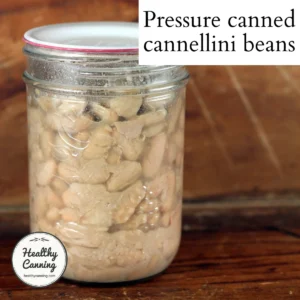
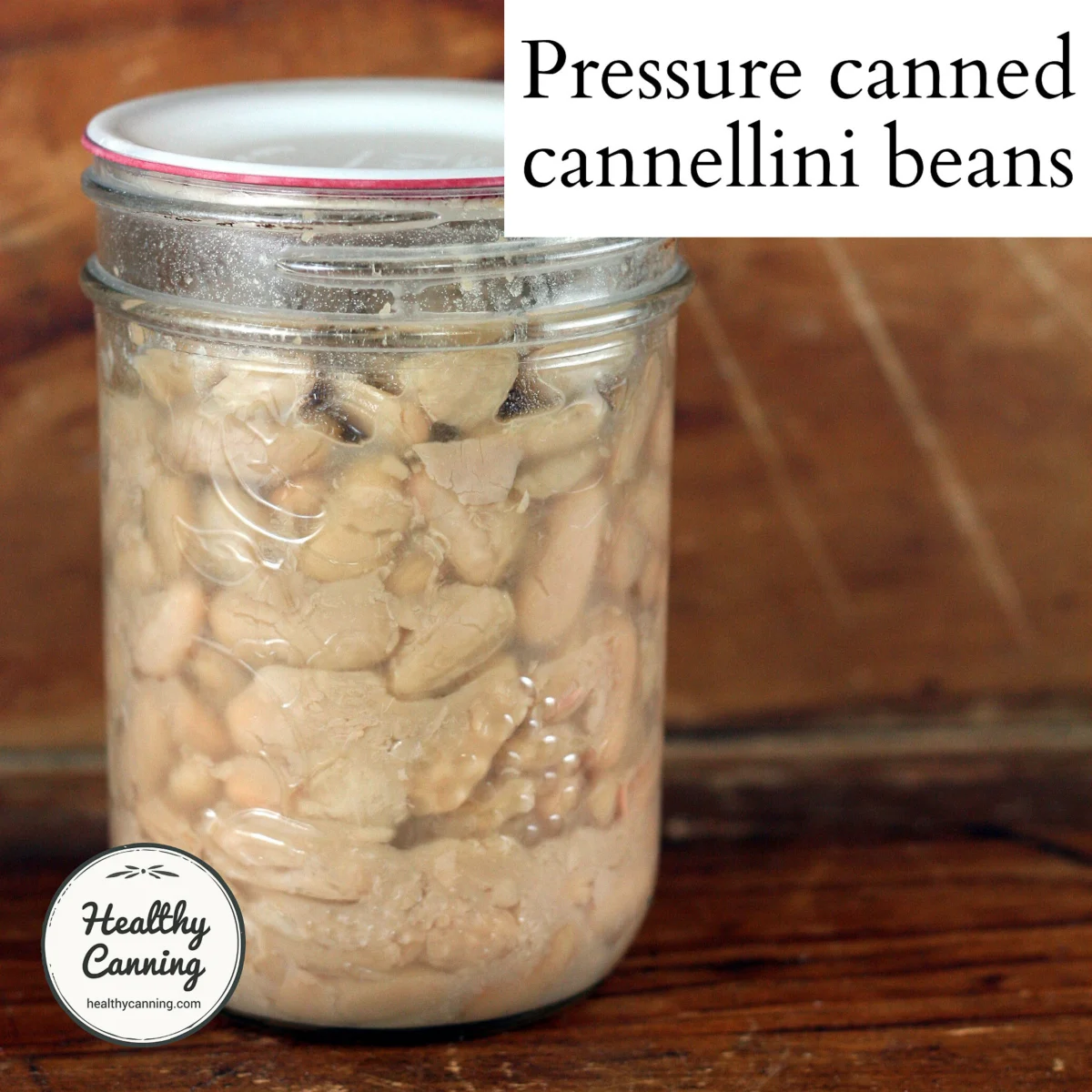
Cannellini beans are prized in Italian cuisine, particularly in Tuscan dishes, for their creamy texture and nutty, mild flavor. However, home-canned versions differ significantly from their commercially canned counterparts. Because the USDA-recommended processing times are lengthy—75 minutes for pints and 90 minutes for quarts—the beans undergo a prolonged period of high-heat cooking.
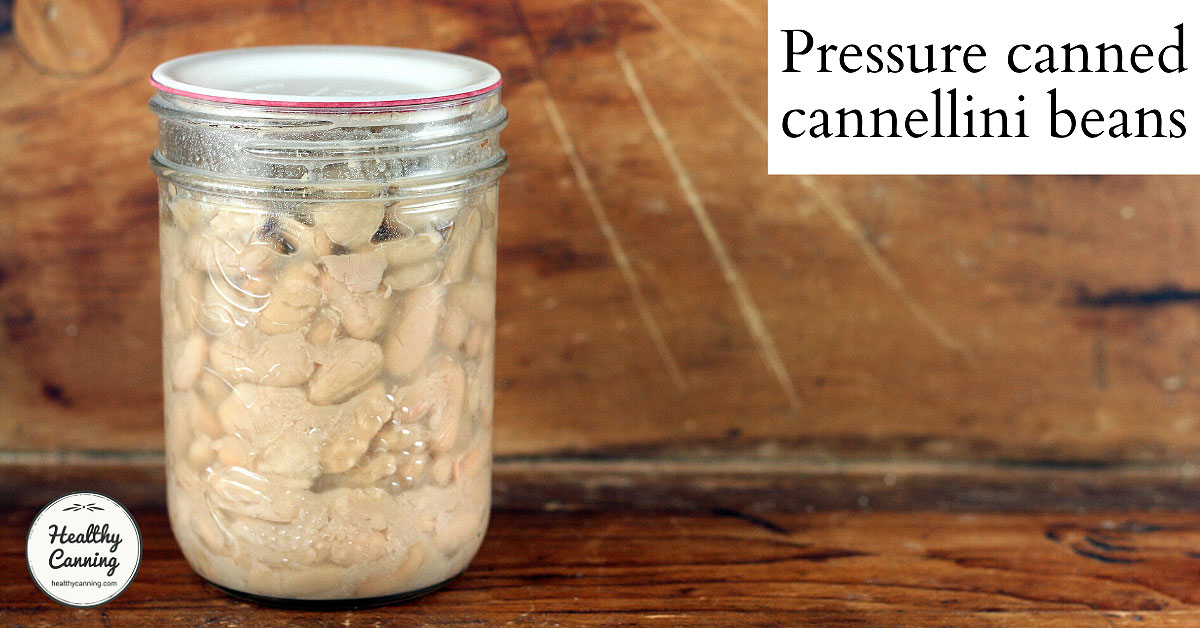
The result is a bean that is very soft. Journalistic inquiries into the culinary utility of home-canned cannellini beans suggest that they are ideal for soups, stews, and purees. They are particularly effective when used in bean pâtés, hummus-style spreads, or as a thickening agent for broths. Home preservers are cautioned that these beans may lose their structural integrity if tossed vigorously in a bean salad, a factor that should be considered during meal planning.
Chronology of the Canning Process
The transition from dried legume to shelf-stable jarred good follows a specific chronological sequence designed to ensure both quality and safety.
- Selection and Rehydration: The process begins with sorting dried cannellini beans to remove stones, debris, or shriveled specimens. Rehydration is a critical first step. There are two primary methods: the "Overnight Soak," where beans are covered with water and left for 12 to 18 hours, and the "Hot Soak," where beans are brought to a boil for two minutes and then allowed to sit for one hour.
- Pre-cooking: After soaking and rinsing, the beans are placed in fresh water, brought to a boil, and simmered for 30 minutes. This step ensures the beans are fully hydrated before entering the jar, preventing them from expanding too much during the pressure-canning cycle, which could lead to siphoning or seal failure.
- Jar Preparation: Clean, hot jars are filled with the hot beans and cooking liquid (or fresh boiling water). A critical component of this stage is maintaining a 1-inch (3 cm) headspace. This gap allows for the expansion of the food and the creation of a vacuum seal during the cooling process.
- Processing: Jars are placed in the pressure canner, which is then vented for 10 minutes to ensure all air is removed and the interior is filled with pure steam. Once vented, the pressure is brought to the level required by the user’s altitude and maintained for the duration of the processing time.
Technical Data and Altitude Adjustments
Precision is the hallmark of safe canning. The processing time and pressure are not suggestions but requirements based on extensive laboratory testing by the USDA.
Processing Times and Pressure Requirements:
- Jar Sizes: Quarter-litre (1/2 US pint), half-litre (1 US pint), and one-litre (1 US quart).
- Weighted Gauge Pressure: 10 lbs (69 kPa) for altitudes between 0 and 300 meters (0–1,000 feet). For altitudes above 300 meters, the pressure must be increased to 15 lbs.
- Dial Gauge Pressure: 11 lbs (76 kPa) at low altitudes, with incremental increases required as elevation increases.
- Time Duration: Pints (and half-pints) require 75 minutes of continuous pressure. Quarts require 90 minutes.
Failure to adjust for altitude is one of the most common errors in home canning. As altitude increases, the boiling point of water decreases, necessitating higher pressure to achieve the internal temperatures required for sterilization.
Nutritional Value and Health Implications
Home-canning cannellini beans offers significant health advantages, primarily through the control of additives. Commercial canned beans are often high in sodium, used both as a preservative and a flavor enhancer. A standard 130g serving of home-canned cannellini beans (without added salt) contains approximately:
- Calories: 100 kcal
- Protein: 6 g
- Fiber: 5 g
- Sodium: 30 mg (naturally occurring)
- Potassium: 250 mg
- Iron: 1.8 mg
By canning at home, individuals can eliminate added salts and chemical firming agents like calcium chloride. Furthermore, the use of glass jars avoids concerns regarding Bisphenol A (BPA) and other epoxy liners found in many metal cans.
Expert Analysis and Reaction from the Preservation Community
Master Food Preservers and agricultural extension agents have noted a significant uptick in interest regarding legume preservation. "The ability to turn a shelf-stable dried bean into a ‘fast food’ that can be heated and served in minutes is a major draw for modern homesteaders," notes a representative from a leading Master Food Preserver group. However, these experts also issue a stern warning: there are no "shortcuts" in bean canning.
The reaction from the canning community regarding the "softness" of home-canned cannellini beans is generally one of acceptance. While some hobbyists have attempted to use firming agents or shorter processing times, safety experts warn that such modifications are dangerous. The 75-to-90-minute window is the minimum time required for heat to penetrate the center of the jar and the center of the individual beans to ensure total pathogen destruction.
Broader Impact on Food Security and Sustainability
The enrichment of the domestic pantry through home canning has broader implications for food security. As global supply chains face periodic volatility, the ability to process bulk-purchased dried beans into ready-to-eat servings provides a buffer against inflation and shortages.
From a sustainability perspective, home canning reduces the carbon footprint associated with transporting heavy, water-filled commercial cans. A single bag of dried beans is lightweight and compact; once canned at home, the glass jars are reusable for decades, significantly reducing municipal waste.
Furthermore, the practice encourages a "nose-to-tail" approach to vegetable cooking. The liquid used in the canning process, often discarded in commercial settings, is rich in starch and nutrients. In home-canned beans, this "aquafaba" or bean liquor is frequently used as a base for soups, providing a depth of flavor that is unattainable with water alone.
Conclusion
Home-canned cannellini beans represent a intersection of traditional self-sufficiency and modern food science. While the requirement for a pressure canner and the necessity of long processing times may seem daunting to the novice, the rewards are found in the superior nutritional profile and the convenience of having pre-cooked, high-quality protein readily available. By adhering to the guidelines established by the USDA and acknowledging the specific culinary characteristics of the finished product, home preservers can safely and effectively enhance their food stores with this versatile legume. The soft, creamy results may not suit a salad, but they remain an unparalleled addition to the hearty, healthful cuisine of the modern home.