
The pursuit of a balanced diet often centers on maximizing protein intake, a crucial macronutrient for muscle repair, satiety, and overall bodily function. While staples like chicken, eggs, and legumes are widely recognized protein powerhouses, a deeper dive into nutritional science reveals a broader spectrum of foods that can contribute significantly to daily protein goals. This article explores seven often-overlooked food items and offers three simple smoothie recipes designed to enhance protein consumption, particularly within the framework of practical meal preparation. The emphasis is on variety and accessibility, aiming to support individuals in establishing sustainable, health-conscious eating habits without resorting to restrictive or overly complex dietary regimens.
The Evolving Landscape of Protein Consumption
In recent years, the conversation around nutrition has increasingly highlighted the importance of protein. Beyond its role in muscle building, protein is vital for hormone production, immune function, and maintaining healthy skin, hair, and nails. For many, the traditional approach to increasing protein involves a predictable rotation of lean meats, fish, dairy, and plant-based staples like beans and lentils. However, a growing understanding of diverse food profiles suggests that a more varied approach can be equally, if not more, effective and enjoyable.
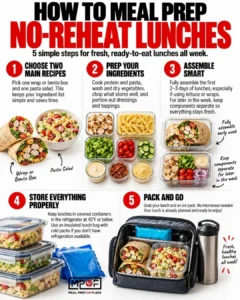
Meal preparation has emerged as a key strategy for individuals seeking to maintain consistent nutritional intake amidst busy schedules. The ability to integrate a wider array of protein sources into pre-planned meals and snacks is fundamental to achieving dietary balance and avoiding nutritional monotony. This approach not only supports health objectives but also fosters a more sustainable relationship with food, making healthy eating feel less like a chore and more like an integrated aspect of daily life.
Unlocking Protein Potential: Beyond the Usual Suspects
The following seven foods, while perhaps not traditionally heralded as primary protein sources, offer valuable contributions to a protein-rich diet. Their versatility and ease of integration into various meal formats make them ideal candidates for expanding a meal prep repertoire.
1. Pistachios: A Nutty Protein Powerhouse
Pistachios stand out as a particularly convenient and nutrient-dense snack option. A standard one-ounce serving, approximately 49 kernels, provides around 6 grams of plant-based protein. This is complemented by a healthy dose of dietary fiber and monounsaturated and polyunsaturated fats, which are beneficial for cardiovascular health. Their inherent portability and pre-portioned nature make them an excellent choice for on-the-go snacking or as a component of packed lunches.
Nutritional Breakdown (per 1-ounce serving):
- Protein: ~6 grams
- Fiber: ~3 grams
- Healthy Fats: ~13 grams
Culinary Applications:
- Snack Packs: Pre-portioned into small containers or bags for easy access.
- Salad Toppings: Add crunch and protein to green salads, grain bowls, or yogurt parfaits.
- Baked Goods: Incorporated into muffins, cookies, or energy bars for added texture and nutrition.
- Trail Mix: Combined with dried fruits and other nuts for a hearty snack.
The convenience of pistachios aligns perfectly with meal prep strategies, as they require no preparation and can be readily incorporated into diverse culinary applications throughout the week.
2. Avocado: The Creamy Contributor
While primarily celebrated for its abundant healthy fats, avocado also offers a modest but valuable protein contribution. A medium avocado (approximately 200 grams) contains about 4 grams of protein, alongside significant amounts of fiber, potassium, and a range of vitamins. Its creamy texture and satiating properties make it an excellent addition to meals, enhancing palatability and contributing to a feeling of fullness.
Nutritional Snapshot (per medium avocado):
- Protein: ~4 grams
- Healthy Fats: ~29 grams
- Fiber: ~13.5 grams
Versatile Uses:
- Toast Toppings: A classic and simple way to add protein and healthy fats to breakfast or snack.
- Smoothie Enhancer: Contributes to a rich, creamy texture and adds protein to blended beverages.
- Salad Component: Adds a decadent and satisfying element to leafy green salads.
- Sandwich & Wrap Filler: A healthy alternative to mayonnaise or other less nutritious spreads.
Avocado’s role in a balanced diet is often underestimated. When paired with other protein sources, it amplifies the meal’s overall satiety and nutritional profile.
3. Walnuts: Heart-Healthy Protein Boost
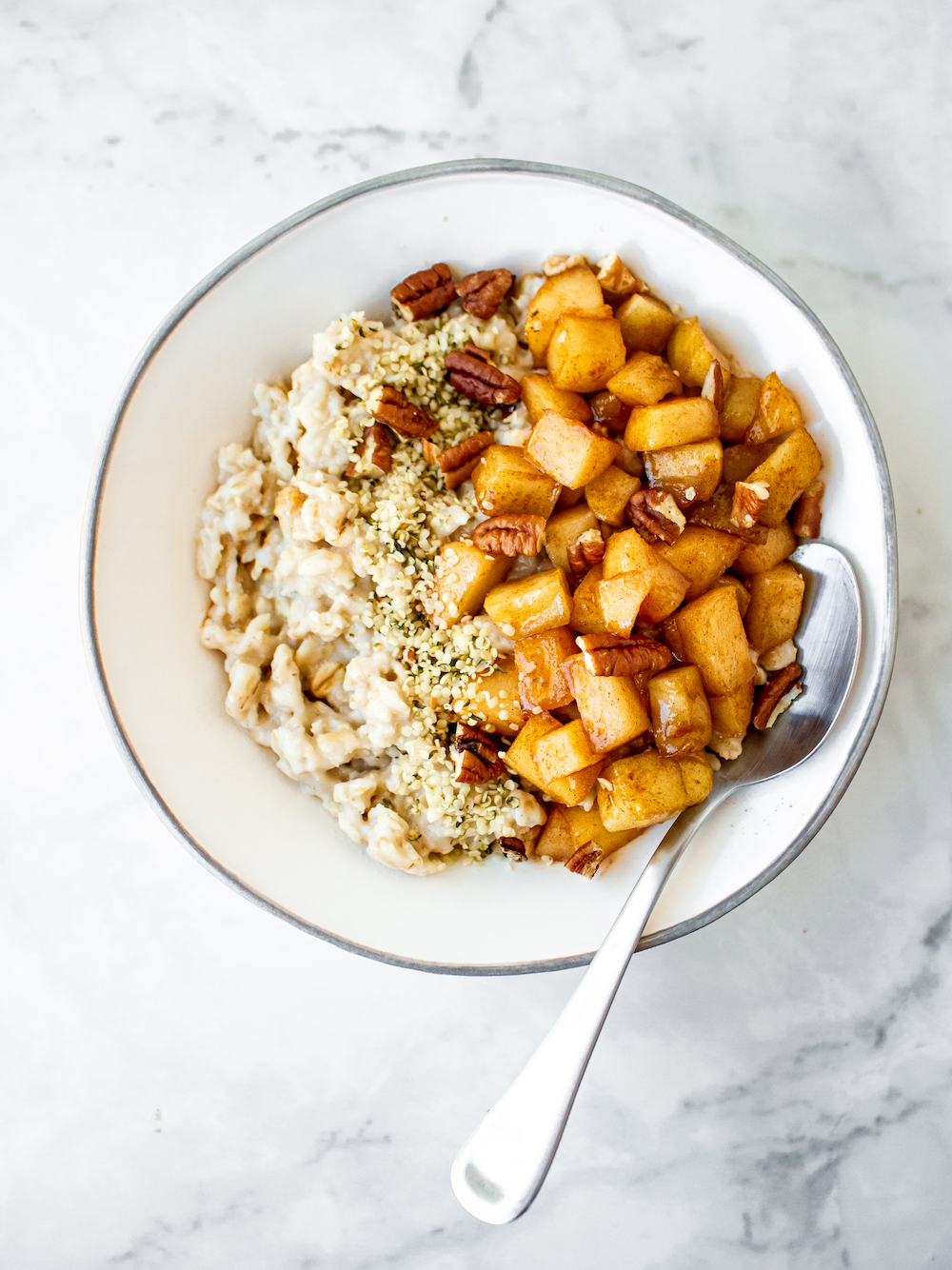
Walnuts are another tree nut that offers a significant protein punch, alongside their well-documented benefits for brain health due to their high omega-3 fatty acid content. An ounce of walnuts, about 14 halves, provides approximately 4 grams of protein. Their slightly bitter, earthy flavor and satisfying crunch make them a versatile ingredient for both sweet and savory dishes.
Protein Content (per 1-ounce serving):
- Protein: ~4 grams
- Omega-3 Fatty Acids: ~2.5 grams
- Fiber: ~2 grams
Incorporating Walnuts:
- Breakfast Bowls: Sprinkled over oatmeal, yogurt, or cottage cheese.
- Salad Additions: A crunchy counterpoint to mixed greens and vegetables.
- Baking: Used in breads, muffins, and granola for added texture and protein.
- Savory Dishes: Incorporated into stir-fries, pasta sauces, or as a topping for roasted vegetables.
The nutritional density of walnuts, particularly their omega-3 content, makes them a valuable addition for individuals looking to support cognitive function and overall well-being.
4. Spinach: The Nutrient-Dense Leafy Green
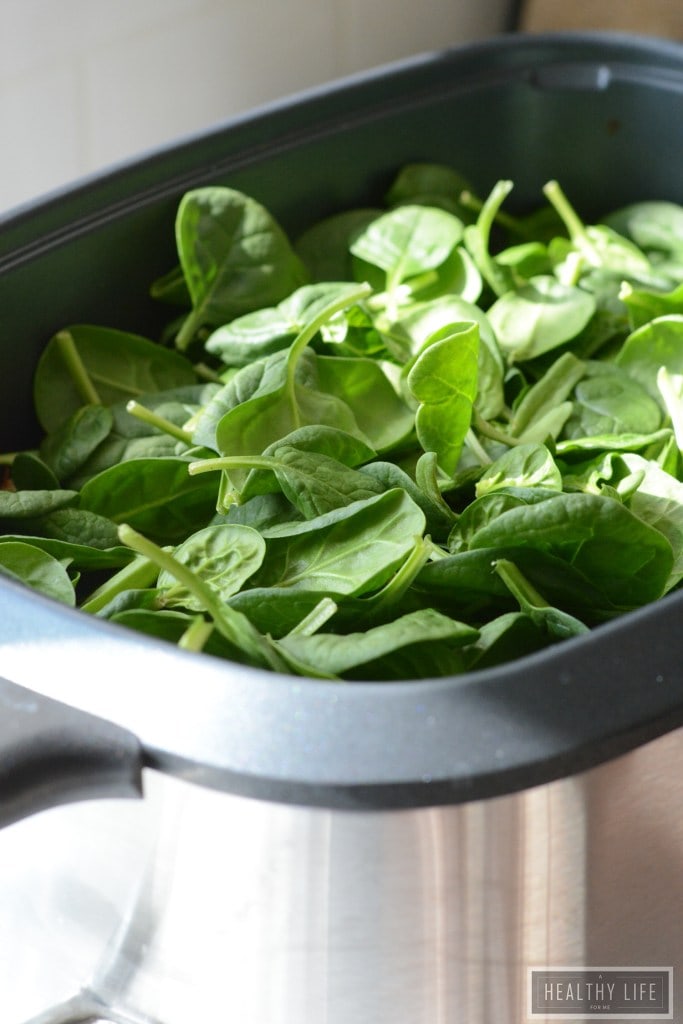
Spinach, a leafy green powerhouse, contributes a surprising amount of protein, especially when consumed in larger quantities or when cooked. A one-cup serving of raw spinach contains about 1 gram of protein, while a cup of cooked spinach can provide up to 5 grams. Beyond protein, spinach is exceptionally rich in vitamins A, C, and K, as well as folate and iron, making it a cornerstone of a nutrient-dense diet.
Protein Contribution (per 1 cup cooked):
- Protein: ~5 grams
- Vitamins & Minerals: Excellent source of Vitamin A, C, K, folate, and iron.
Versatile Preparations:
- Smoothie Booster: Blended into smoothies for added nutrients without significantly altering taste.
- Omelets & Scrambles: Wilted into eggs for a protein-packed breakfast.
- Stir-fries & Sautéed Dishes: A quick and easy addition to main courses.
- Soups & Stews: Added towards the end of cooking for a nutritional boost.
- Wraps & Sandwiches: Used as a fresh, leafy base.
Spinach’s mild flavor and rapid cooking time make it an exceptionally practical ingredient for meal prep, capable of enhancing a wide range of dishes.
5. Goat Cheese: Tangy Protein and Flavor
Goat cheese offers a delightful combination of tangy flavor, creamy texture, and a respectable protein content. A one-ounce serving of most goat cheeses provides approximately 6 grams of protein. Its distinct taste makes it a potent flavor enhancer, allowing a small amount to significantly elevate a dish. This makes it an efficient way to add both protein and culinary interest to meal prep without relying on heavy sauces.
Protein Profile (per 1-ounce serving):
- Protein: ~6 grams
- Fat Content: Varies by type, generally moderate.
Culinary Integration:
- Salad Enhancer: Crumbled over salads for a burst of flavor and protein.
- Baked Dishes: Added to pasta bakes, quiches, or frittatas.
- Toast & Crackers: A simple topping for a quick, protein-rich snack.
- Vegetable Pairings: Delicious when melted over roasted or grilled vegetables.
The strong flavor profile of goat cheese means it can act as a primary flavor component, reducing the need for additional seasonings and contributing to a more streamlined meal preparation process.
6. Oatmeal: A Fiber and Protein Foundation
Oatmeal, often recognized for its high fiber content, also serves as a valuable source of protein, contributing around 6 grams per half-cup of dry oats. This makes it an excellent base for a satiating breakfast, providing sustained energy release throughout the morning. Its neutral flavor profile allows for extensive customization, making it adaptable to various dietary preferences and nutritional goals.
Nutritional Highlights (per 1/2 cup dry oats):
- Protein: ~6 grams
- Fiber: ~4 grams (primarily soluble fiber)
Boosting Oatmeal’s Protein Power:
- Greek Yogurt or Cottage Cheese: Stirring in a dollop adds significant protein and creaminess.
- Nuts and Seeds: Almonds, walnuts, chia seeds, and flaxseeds provide additional protein and healthy fats.
- Protein Powder: A scoop can dramatically increase the protein content for a more substantial meal.
- Nut Butters: Peanut butter, almond butter, or other nut butters offer protein and healthy fats.
Oatmeal’s versatility as a breakfast staple and its ability to be enhanced with other protein sources solidify its place in a comprehensive meal prep strategy.
7. Green Peas: The Underrated Legume
Green peas are a true nutritional underdog, offering a surprising amount of protein for a relatively affordable and widely available vegetable. A one-cup serving of cooked green peas provides approximately 8 grams of protein, along with significant amounts of fiber, vitamins A and C, and other essential nutrients. Their inherent sweetness and pleasant texture make them a versatile addition to a variety of dishes, and their freezer-friendly nature makes them exceptionally practical for meal prep.
Protein Power of Peas (per 1 cup cooked):
- Protein: ~8 grams
- Fiber: ~7 grams
- Vitamins: Good source of Vitamin A and C.
Culinary Applications:
- Side Dishes: Simply steamed or lightly seasoned as a healthy accompaniment.
- Soups and Stews: Added for color, flavor, and a protein boost.
- Pasta and Rice Dishes: Mixed into grains or pasta for added nutrition and texture.
- Casseroles and Bakes: An excellent ingredient for enhancing savory dishes.
- Smoothie Inclusion: Can be added to smoothies for a subtle sweetness and protein lift.
The affordability and ease of storage for green peas, particularly frozen varieties, make them a highly practical choice for consistent meal preparation.
Crafting Protein-Rich Smoothies for Convenience
Smoothies offer a highly efficient way to consume a concentrated dose of nutrients, and with strategic additions, they can become a significant source of protein. The following three smoothie recipes are designed for ease of preparation and can be customized to fit individual taste preferences and dietary needs.
1. Almond Avocado Matcha Smoothie
This smoothie offers a creamy texture from the avocado, a subtle earthy note from the matcha, and a satisfying protein boost from the almond butter and optional protein powder.
Key Ingredients:
- 1/2 cup unsweetened almond milk
- 1/4 ripe avocado
- 1 tablespoon almond butter
- 1 teaspoon matcha powder
- 1/2 frozen banana (for sweetness and creaminess)
- Optional: 1 scoop vanilla or unflavored protein powder
- Optional: Ice cubes
Meal Prep Tip: Portion the avocado, banana, and matcha into freezer-safe bags or containers. In the morning, simply combine the frozen ingredients with almond milk and almond butter in a blender.
2. Green Protein Smoothie
This vibrant smoothie is packed with nutrients from spinach and offers a refreshing taste. The inclusion of Greek yogurt or protein powder ensures a substantial protein content.
Key Ingredients:
- 1 cup unsweetened almond milk or water
- 1 cup fresh spinach
- 1/2 cup frozen pineapple chunks
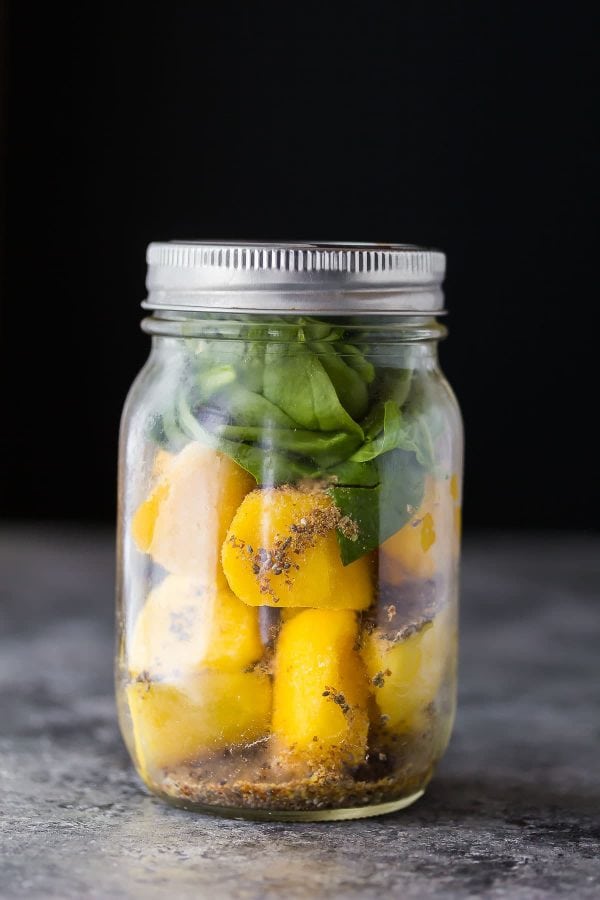
- 1/2 cup frozen mango chunks
- 1/2 cup plain Greek yogurt (or 1 scoop vanilla protein powder)
- Optional: 1 tablespoon chia seeds or flax seeds
Nutritional Enhancement: The Greek yogurt or protein powder is crucial for transforming this smoothie from a light beverage into a more substantial, protein-rich meal replacement.
3. Orange Pineapple Smoothie
A bright and tropical option, this smoothie is both delicious and easy to assemble. While it can be enjoyed as a refreshing drink, adding a protein source elevates its role as a more complete meal.
Key Ingredients:
- 1 cup unsweetened almond milk or orange juice
- 1 cup frozen pineapple chunks
- 1/2 cup frozen orange segments
- 1/2 cup plain Greek yogurt (or 1 scoop vanilla protein powder)
- Optional: A pinch of ginger for added zest
Serving Suggestion: This smoothie serves as a pleasant post-workout recovery drink or a light breakfast. For a more filling meal, incorporating Greek yogurt or protein powder is highly recommended.
Integrating These Foods into Your Meal Prep Strategy
The approach to incorporating these protein-rich foods into meal preparation is best viewed as building a flexible toolkit rather than adhering to rigid recipes.
Step 1: Prioritize High-Impact Protein Sources
Begin by identifying the ingredients that offer the most significant protein contribution per practical serving. These form the foundational protein elements of your meals.
- Green Peas: Offer a substantial 8 grams of protein per cup.
- Goat Cheese: Provides about 6 grams of protein per ounce.
- Oatmeal: Contributes roughly 6 grams of protein per half-cup.
- Pistachios: Deliver around 6 grams of protein per ounce.
The strategy here is not to rely on a single source to meet all protein needs but to combine moderate sources. This allows for greater flexibility and prevents dietary monotony.
Step 2: Pair with Complementary Ingredients
Once the primary protein sources are established, integrate these foods with other ingredients you regularly enjoy. This ensures that your meal prep remains appealing and sustainable.
- Oatmeal Combinations: Pair with Greek yogurt, nuts, seeds, or a scoop of protein powder for a comprehensive breakfast.
- Salad Enhancements: Add pistachios, goat cheese, or walnuts to salads for texture and protein.
- Grain Bowl Additions: Incorporate green peas and a sprinkle of pistachios into grain bowls.
- Smoothie Boosters: Blend spinach, avocado, and almond butter into smoothies for added protein and healthy fats.
These pairings help create meals that are not only protein-rich but also balanced in terms of fiber, healthy fats, and micronutrients.
Step 3: Utilize Smoothies for Nutritional Gaps
Smoothies serve as an excellent backup or supplement to your meal prep. They are particularly useful for busy mornings or when a quick, nutrient-dense option is needed. A well-constructed smoothie should aim for a balance of macronutrients to ensure satiety.
A balanced smoothie typically includes:
- Liquid Base: Water, almond milk, or other non-dairy milk.
- Fruits: For natural sweetness, vitamins, and fiber.
- Vegetables: Spinach or kale for micronutrients.
- Protein Source: Greek yogurt, protein powder, nuts, seeds, or nut butters.
- Healthy Fats: Avocado, nuts, or seeds for satiety and nutrient absorption.
This structure ensures that a smoothie provides sustained energy rather than a quick sugar rush followed by a crash.
Storage and Reheating Guidelines
Proper storage and reheating are crucial for maintaining the quality and safety of prepped foods.
For Dry Goods (Nuts, Oats, Seeds)
- Storage: Airtight containers or resealable bags at room temperature.
- Longevity: Typically last for several months when stored properly.
For Perishables (Spinach, Avocado, Goat Cheese)
- Spinach: Wash and dry thoroughly, store in an airtight container lined with paper towels in the refrigerator. Use within 3-5 days.
- Avocado: Store whole, unripe avocados at room temperature. Once ripe, refrigerate. Cut avocados should be stored with the pit intact, lightly coated with lemon juice or olive oil, and tightly wrapped to minimize oxidation. Consume within 1-2 days.
- Goat Cheese: Keep in its original packaging or an airtight container in the refrigerator. Consume according to the best-by date, usually within a week or two after opening.
For Green Peas
- Storage: Frozen peas can be stored in their original packaging in the freezer for up to 12 months. Fresh peas should be shelled and stored in an airtight container in the refrigerator for 2-3 days.
For Smoothies
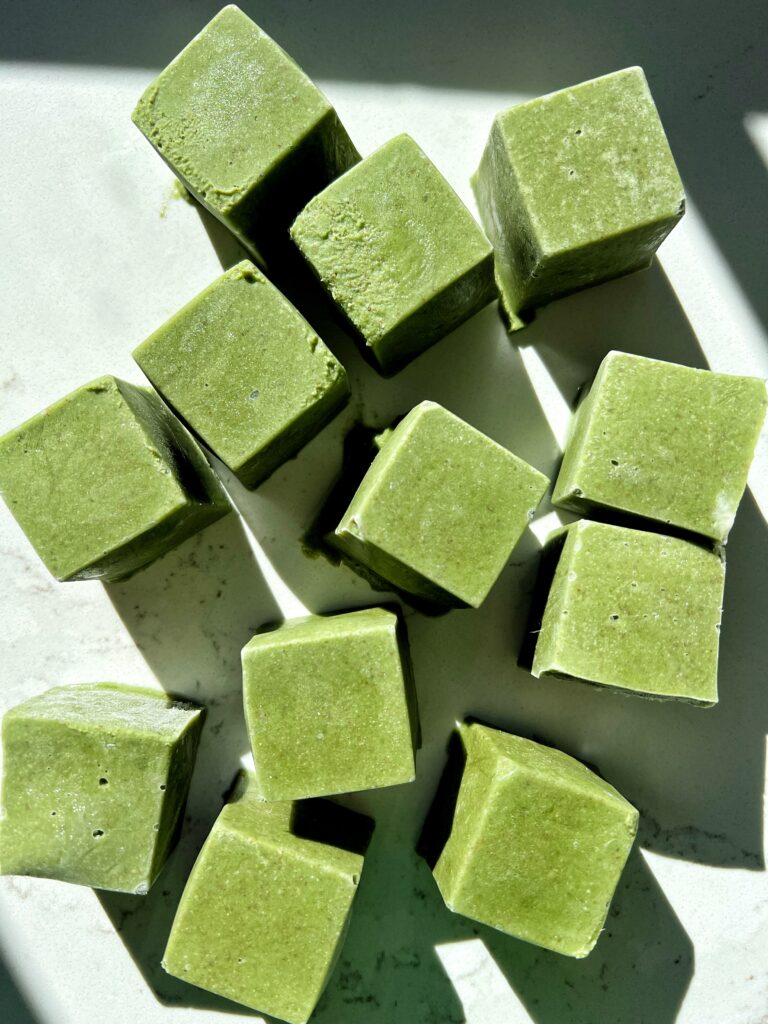
- Preparation: Prepare smoothie packs by portioning ingredients into freezer bags. Blend fresh ingredients as needed.
- Storage: Blended smoothies are best consumed immediately. If storing, transfer to an airtight container and refrigerate for up to 24 hours. The texture may change.
Reheating Strategies
The method of reheating depends on how the food was prepared and its intended use.
Oatmeal
- Microwave: Reheat in a microwave-safe bowl with a splash of liquid for 1-2 minutes, stirring halfway.
- Stovetop: Gently warm in a saucepan over low heat, adding liquid as needed.
Peas
- Microwave: Heat in a microwave-safe dish for 1-2 minutes until warmed through.
- Stovetop: Briefly sauté or steam until heated.
Spinach
- Microwave: Reheat in a microwave-safe dish for 30-60 seconds.
- Stovetop: Briefly sauté in a pan until wilted and heated.
Goat Cheese
- Goat cheese is typically served cold or at room temperature. If adding to a hot dish, it will melt during the cooking process.
Smoothies
- Smoothies are intended to be consumed cold and are not typically reheated. If stored, they should be consumed chilled.
Nutritional Considerations
While precise nutritional data varies based on specific brands, portion sizes, and preparation methods, the foods discussed offer significant nutritional benefits. For example, one ounce of pistachios provides approximately 160 calories, 6 grams of protein, and 13 grams of fat. A medium avocado offers around 240 calories, 4 grams of protein, and 22 grams of fat. Green peas, per cup, provide about 125 calories and 8 grams of protein.
For individuals aiming to precisely track their macronutrient intake, utilizing a nutrition calculator or app can provide more detailed insights. These tools allow for customization based on exact ingredient quantities and specific dietary goals.
Helpful Tips and Ingredient Swaps
- Boost Protein in Oatmeal: Beyond nuts and seeds, consider adding a tablespoon of hemp hearts for an additional 3 grams of protein and healthy fats.
- Savory Oatmeal: Experiment with savory oatmeal by adding herbs, spices, and a topping of spinach and a fried egg.
- Avocado Substitutes: If avocado is not preferred or available, a small amount of hummus or a drizzle of olive oil can provide healthy fats and some protein.
- Nut-Free Options: For nut allergies, sunflower seeds, pumpkin seeds, or tahini can offer alternative protein and healthy fat sources.
- Dairy-Free Smoothies: Utilize plant-based yogurts (coconut, soy, almond) or additional protein powder to maintain protein content in dairy-free smoothies.
- Frozen vs. Fresh Peas: Frozen peas are a convenient year-round option. If using fresh peas, ensure they are cooked thoroughly.
Conclusion: Embracing Variety for Sustainable Nutrition
The principle that protein intake must be limited to a few conventional sources is a misconception that can hinder dietary diversity and long-term adherence to healthy eating plans. By recognizing and incorporating less obvious but equally valuable protein contributors like pistachios, avocado, walnuts, spinach, goat cheese, oatmeal, and green peas, individuals can enrich their meals and snacks with essential nutrients.
These foods, when integrated thoughtfully into meal preparation routines, offer practical solutions for increasing protein consumption without adding significant complexity. The accompanying smoothie recipes further demonstrate how easily these principles can be applied to busy lifestyles. Ultimately, the pursuit of a balanced diet is most successful when it embraces flexibility, variety, and convenience, making healthy eating a sustainable and enjoyable aspect of daily life.