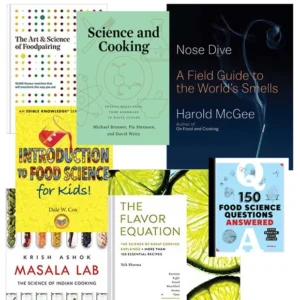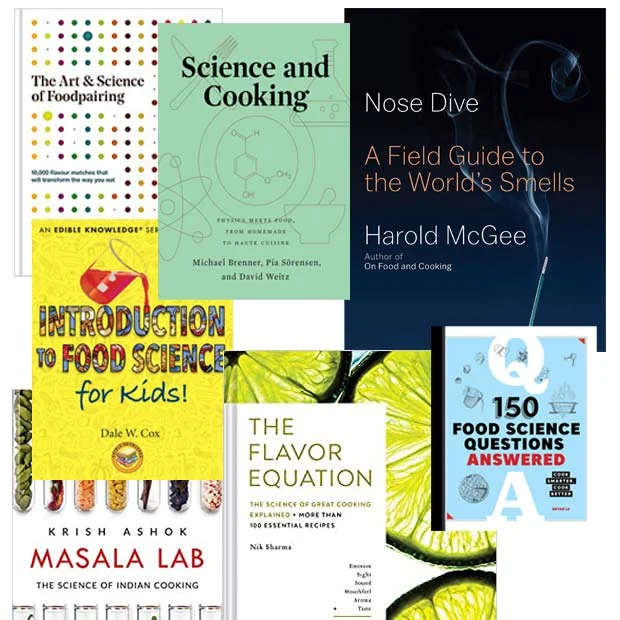

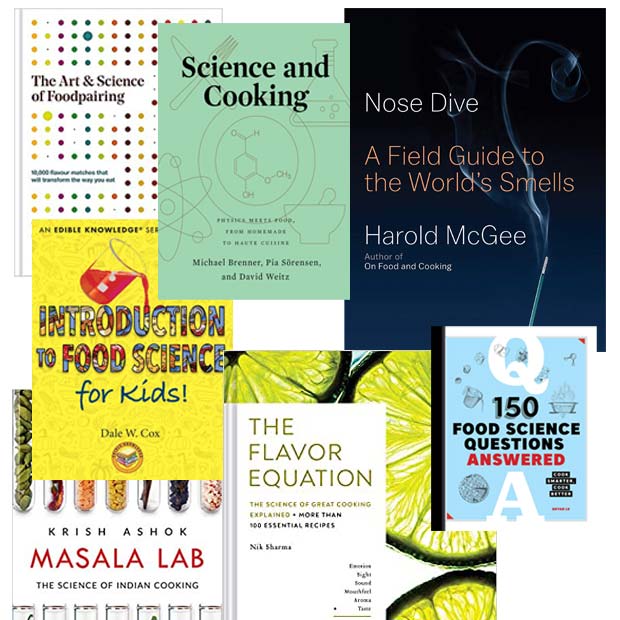
The influential Khymos blog, a long-standing authority in the intersection of food and science, has broken an extended seven-year hiatus in its book recommendation series, releasing a comprehensive list of notable food science and culinary titles published in 2020. This eagerly awaited compilation marks a significant return for the platform, which last issued such a guide in 2013, reinforcing its commitment to spotlighting literature that imbues cooking with a rigorous scientific perspective. The 2020 selection features seven distinct books, ranging from in-depth explorations of flavor and smell to practical guides for home cooks and even an introductory text for children, underscoring the expanding reach and popularization of culinary science.
The Return of a Culinary Science Authority
Khymos, known for its meticulous approach to exploring the scientific underpinnings of gastronomy, has been a pivotal online resource for chefs, food enthusiasts, and scientists alike. Its previous recommendations, notably the 2013 list, served as a benchmark for discerning readers seeking to deepen their understanding of food beyond mere recipes. The recent re-engagement with book recommendations signals a renewed focus on curating essential reads in a field that has seen tremendous growth and innovation over the past decade. The blog’s prolonged silence on new publications since 2013 had left a void for many followers who relied on its expert insights to navigate the burgeoning literature on molecular gastronomy and culinary physics. The return is therefore met with considerable anticipation, offering a fresh perspective on the most impactful works in the domain.
The hiatus between 2013 and 2020 spanned a period of immense transformation within the food industry and culinary arts. Molecular gastronomy, once a niche discipline championed by figures like Ferran Adrià and Heston Blumenthal, has gradually permeated mainstream cooking, influencing everything from fine dining to everyday kitchen practices. Educational institutions, professional chefs, and home cooks alike have shown an increasing appetite for understanding the "why" behind cooking processes, moving beyond traditional empiricism to embrace scientific principles. This shift has, in turn, fueled a demand for accessible yet authoritative literature, making Khymos’s updated recommendations particularly timely and relevant.
Spotlight on 2020’s Groundbreaking Publications
The 2020 list from Khymos is a testament to the diversity and intellectual rigor now present in food science literature. Each selected title offers a unique contribution, collectively illustrating the multifaceted nature of the field.
-
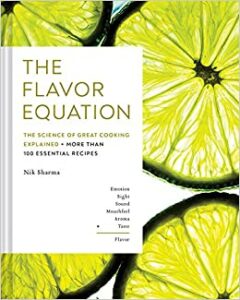
"The Flavor Equation" by Nik Sharma (352 pages): This book stands out for its innovative integration of scientific principles directly into its 100 recipes. Sharma, a renowned food writer and photographer, structures the scientific explanations under "The Flavor Approach" heading for each dish, making complex concepts immediately applicable and understandable. The book dedicates approximately one-third of its content to exploring flavor from various scientific and sensory angles, presented in an easily accessible manner. The inclusion of metric units is a significant bonus for a global audience, reflecting a practical consideration often overlooked in English-language culinary texts. Khymos’s high recommendation for this title underscores its success in bridging the gap between theoretical science and practical cooking.
-
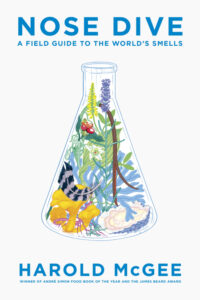
"Nose Dive: A Field Guide to the World’s Smells" by Harold McGee (688 pages): Harold McGee is an undisputed titan in the field of food science writing, famously igniting widespread interest with his seminal work, "On Food and Cooking: The Science and Lore of the Kitchen." "Nose Dive" is his latest magnum opus, entirely dedicated to the complex world of olfaction. This extensive guide explores smells not just in food but across a vast spectrum of environments, detailing volatile molecules without overwhelming the general reader. Khymos notes that while the science is present, it is not prohibitive, making it accessible to anyone with an interest in the subject. The anticipation expressed by Khymos to "dive properly into this one" speaks volumes about its perceived depth and importance. The mention of different covers for UK and US editions also highlights the global reach and careful production of such specialized works.
-
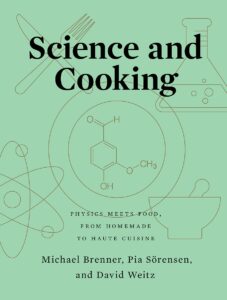
"Science and Cooking: Physics Meets Food, From Homemade to Haute Cuisine" by Michael Brenner, Pia Sørensen, and David Weitz (320 pages): This book emerges directly from the acclaimed "Science and Cooking" course at Harvard University, which commenced a decade prior to the book’s publication. The course, known for its YouTube-archived lectures featuring an impressive roster of celebrated chefs, scientists, and authors, provides a rich foundation for the book. The authors, hailing from backgrounds in applied mathematics, chemistry, and physics, expertly weave scientific explanations with practical recipes. Their ability to integrate diverse scientific disciplines with culinary topics makes this book a comprehensive guide for those seeking to understand the physics and chemistry behind various cooking techniques. Like Sharma’s book, it also earns praise for its use of metric units.
-
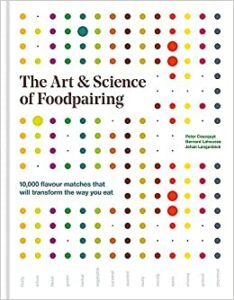
"The Art and Science of Foodpairing" by Peter Coucquyt, Bernard Lahousse, and Johan Langenbick (388 pages): The concept of "foodpairing," which explores complementary flavors based on shared aromatic compounds, has been a subject of both fascination and debate within the culinary world. Khymos has a long-standing interest in this area, having previously interviewed Bernard Lahousse and reported on The Flemish Primitives conferences where this concept was often discussed. This book compiles the extensive research and practical application developed by the company Foodpairing, which has pioneered the methodology. Despite some of the controversies surrounding the strict scientific interpretation of food pairing, Khymos acknowledges its undeniable value in inspiring culinary creativity, asserting that "inspiration in the kitchen is guaranteed anyhow." This recognition highlights the book’s practical utility, even where scientific consensus might still be evolving.
-
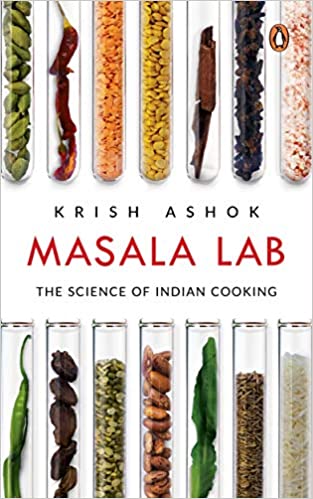
"Masala Lab" by Krish Ashok (280 pages): A particularly exciting addition to the list is "Masala Lab," which applies a scientific lens to regional cuisines, specifically Indian cooking. The author, an electronics and software engineer, brings an analytical curiosity to the kitchen, promising a fresh perspective on traditional methods. Khymos expresses particular delight in seeing diverse culinary traditions receive this kind of scientific treatment, signaling a broader and more inclusive approach to food science literature. The challenge of its limited availability, primarily through Amazon India, underscores its specialized nature but also its potential to open up new avenues for culinary scientific exploration beyond Western cuisines.
-
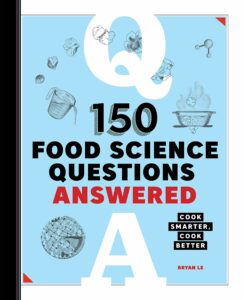
"150 Food Science Questions Answered: Cook Smarter, Cook Better" by Bryan Le (198 pages): This book serves as an excellent entry point for individuals new to the scientific aspects of cooking. Structured as a series of Q&As, it covers fundamental topics such as cooking basics, flavor principles, ingredient groups, and essential food safety and storage information. Khymos recommends it as a handy reference for quick look-ups, but also as a browse-worthy text that can spark interest in various scientific concepts. Its accessible format and practical focus make it ideal for home cooks looking to enhance their understanding and improve their culinary skills through a scientific mindset.
-
"Introduction to Food Science for Kids!: A Kitchen-Based Workbook" by Dale W Cox (112 pages): The inclusion of a children’s workbook on food science reflects a crucial trend: the early introduction of STEM concepts through engaging, real-world applications. The kitchen, as Khymos points out, is an ideal "arena to introduce children to chemical and physical concepts." This book aims to demystify scientific principles for a younger audience, fostering curiosity and foundational knowledge in a fun and interactive way. Its presence on the list highlights the growing recognition of food science as an educational tool for all ages, promoting scientific literacy from an early age.
Broader Trends and Implications in Culinary Science Publishing
The selection of these books by Khymos illuminates several significant trends within the culinary and scientific publishing landscape. Firstly, there is a clear demand for integrated learning, where scientific explanations are seamlessly woven into recipes and practical applications, rather than being presented as dry academic theory. This approach, exemplified by "The Flavor Equation" and "Science and Cooking," makes the science immediately relevant and actionable for the reader.
Secondly, the rise of specialized deep dives into specific sensory aspects, such as "Nose Dive," indicates a maturation of the field. Beyond general "science of cooking" texts, authors are now exploring individual components of the culinary experience with unprecedented detail and scientific rigor. This allows for a more profound understanding of flavor perception and creation.
Thirdly, the inclusion of "Masala Lab" signals a vital movement towards globalizing food science. For too long, much of the molecular gastronomy discourse has centered on Western culinary traditions. By applying scientific inquiry to diverse regional cuisines, authors like Krish Ashok are not only enriching the understanding of these traditions but also broadening the scope and appeal of food science globally. This move is critical for fostering cross-cultural scientific dialogue and innovation in cooking.
Finally, the emphasis on accessibility across all levels, from professional-grade texts like "The Art and Science of Foodpairing" to beginner-friendly Q&A formats ("150 Food Science Questions Answered") and even children’s workbooks ("Introduction to Food Science for Kids!"), demonstrates a concerted effort to democratize food science. This push aims to make scientific cooking principles available to everyone, regardless of their prior scientific background or age. This broad appeal suggests that food science is no longer confined to professional kitchens or academic labs but is becoming a staple in home kitchens and educational curricula.
Looking Ahead: The Future of Khymos Recommendations
While the 2020 list provides a robust and diverse selection, the Khymos blog also subtly hints at future content by mentioning "some highlights from 2014-2019 (my favorites in bold)" without providing the list itself in the current post. This suggests that the blog plans to address the gap left by its hiatus, potentially offering retrospective recommendations that cover the intervening years. Such a forthcoming compilation would be invaluable for readers seeking to catch up on the seminal works that emerged during this period of rapid culinary innovation.
The return of Khymos’s book recommendations is more than just a list; it is a reaffirmation of the enduring importance of scientific inquiry in the culinary arts. It serves as a guiding light for those passionate about understanding the intricate processes that transform raw ingredients into gastronomic experiences, further solidifying the blog’s legacy as a critical voice in the global food science community. The carefully curated selections from 2020 are poised to inform, inspire, and educate a new generation of culinary scientists, professional chefs, and curious home cooks alike, fostering a deeper appreciation for the delicious intersection of science and food.