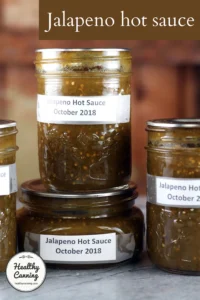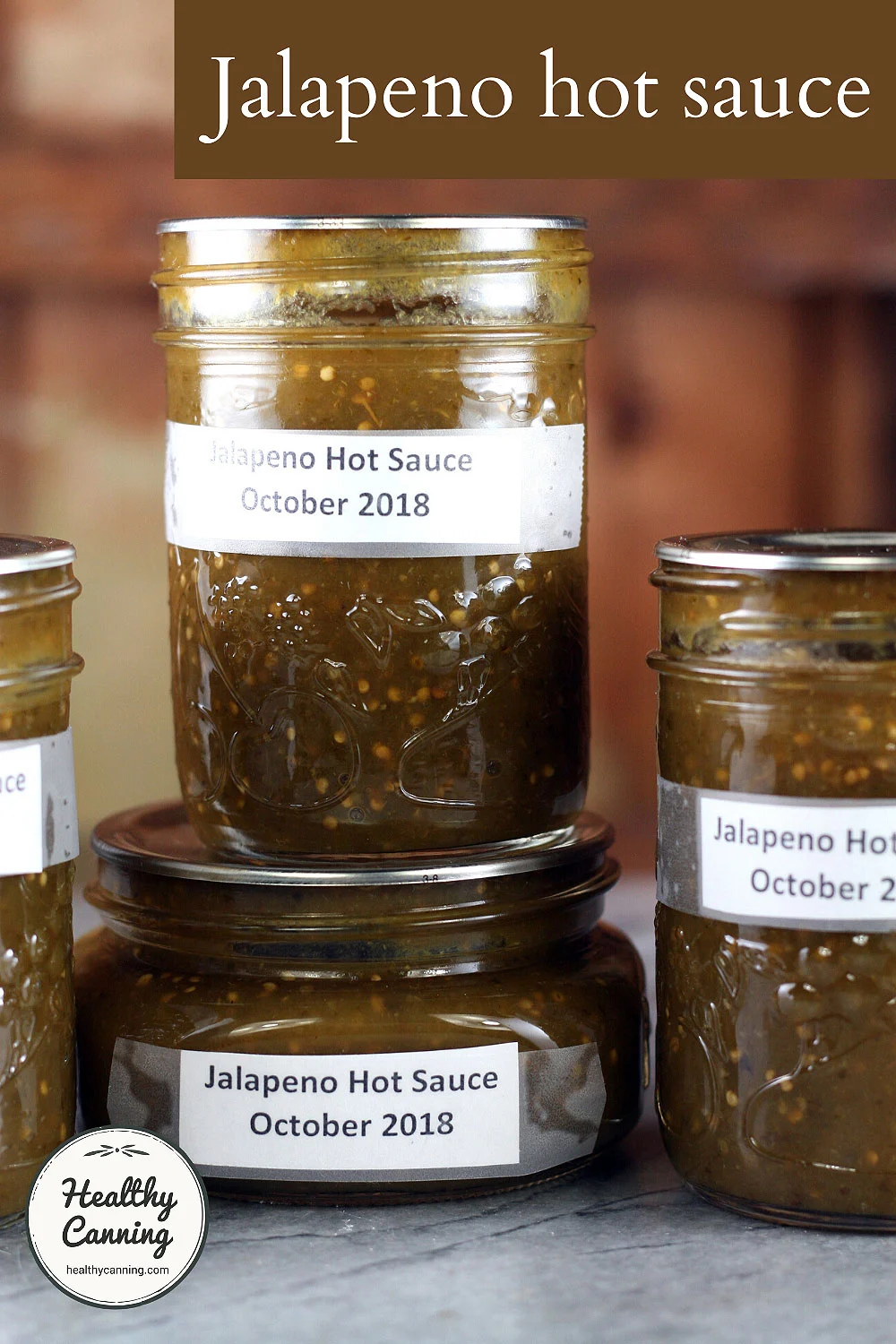

Home food preservation has transitioned from a historical survival necessity into a specialized culinary discipline grounded in rigorous microbiological science and standardized safety protocols. Central to this modern movement is the adaptation of heritage recipes to meet contemporary safety standards, a process exemplified by the recent development of a thick, green jalapeño-based hot sauce derived from established United States Department of Agriculture (USDA) guidelines. This specific formulation, which utilizes canned tomatillos and jalapeño peppers, represents a significant evolution of the traditional USDA Cayenne Pepper Sauce recipe, demonstrating how ingredient substitutions can be executed safely without compromising the shelf-stability or acidity required for water-bath and steam canning.
As global interest in artisanal condiments and self-sufficiency continues to rise, the demand for verified canning recipes has reached an all-time high. The jalapeño hot sauce in question serves as a primary example of "safe swapping"—a practice where high-acid or chemically similar ingredients are exchanged within a validated framework to create new flavor profiles. By substituting green jalapeños for red peppers and tomatillos for tomatoes, home preservers are able to produce a thick, spoonable condiment that maintains the necessary pH levels to prevent the growth of Clostridium botulinum, the bacterium responsible for botulism.
The Historical Context of Standardized Canning
The journey toward standardized home canning began in the late 19th and early 20th centuries as the USDA sought to reduce food waste and improve rural nutrition. In 1909, the first federal bulletins regarding home preservation were published, though it was not until the mid-20th century that the science of thermal death times for pathogens was fully integrated into consumer-facing recipes. The "Cayenne Pepper Sauce" recipe, which serves as the genetic ancestor to the modern jalapeño version, was developed to provide a high-acid environment through the use of vinegar, ensuring that the sauce could be safely processed in a boiling water bath rather than a high-pressure canner.

The National Center for Home Food Preservation (NCHFP), established in the early 2000s and hosted by the University of Georgia, has since become the definitive authority on these standards. Their research confirms that while the heat levels and colors of peppers may vary, the fundamental safety of the "Cayenne Pepper Sauce" template remains intact as long as the ratio of solids to acid is strictly maintained. The transition to a jalapeño-tomatillo base is a modern iteration of this long-standing commitment to food safety and culinary variety.
Chronology of Recipe Development and Adaptation
The development of the jalapeño hot sauce follows a specific chronological sequence of testing and validation:
- Baseline Formulation: The original USDA Cayenne Pepper Sauce was established using red peppers and tomatoes, focused on a 10-minute processing time for half-pint and pint jars.
- Safety Verification of Substitutions: Food scientists determined that tomatillos possess an acidity profile comparable to, and often higher than, standard tomatoes. Furthermore, the substitution of one pepper variety for another (e.g., jalapeño for cayenne) is considered safe provided the total volume or weight of the peppers remains unchanged.
- Refinement of Texture: Unlike thinner, vinegar-heavy sauces like Tabasco, this formulation was designed to be "spoonable." This was achieved by utilizing the natural pectins found in tomatillos and the fibrous structure of jalapeños.
- Modern Processing Standards: The inclusion of steam canning as an equivalent to water-bath canning was validated in 2015 by research at the University of Wisconsin-Madison, allowing for the jalapeño sauce to be processed using either method for 10 minutes at sea level.
Technical Specifications and Supporting Data
The technical integrity of this hot sauce relies on specific measurements and environmental conditions. The recipe typically yields five half-litre (US pint) jars, requiring a headspace of 2 centimeters (approximately 1/2 inch) to ensure a proper vacuum seal during the cooling process.
Nutritional and Chemical Profile:
A single tablespoon of this jalapeño hot sauce contains approximately 8 calories, 1.6 grams of carbohydrates, and negligible amounts of fat and protein. More importantly, the sodium content is kept low at 2 mg per serving, unless salt is added for flavor. The heat intensity is governed by the Scoville Heat Units (SHU) of the jalapeños used, which generally range from 2,500 to 8,000 SHU. This makes the sauce significantly hotter than standard commercial "mild" sauces but manageable for enthusiasts of spicy condiments.
Processing and Altitude Adjustments:
One of the most critical data points for home canners is the adjustment for altitude. While the base processing time is 10 minutes, this applies only to altitudes between 0 and 305 meters (0–1,000 feet). As altitude increases, the boiling point of water decreases, requiring an extension of the processing time to ensure the internal temperature of the jar reaches the necessary threshold to neutralize spoilage organisms. Failure to adjust for altitude is one of the most common errors in home food preservation and can lead to seal failure or foodborne illness.
Expert Reactions and Safety Implications
The NCHFP has issued rare commentary regarding this specific sauce, emphasizing its potency. "This is a very hot sauce," the center notes, advising consumers to use it sparingly as a condiment rather than a base ingredient. This warning underscores the sensory impact of the jalapeño substitution, which provides a sharper, more immediate heat than the lingering burn of traditional cayenne.
Master Food Preservers—volunteers trained by university extension programs—often point to this recipe as a success story in "safe modification." By adhering to the USDA’s acidification ratios, the recipe ensures that the pH remains well below the 4.6 threshold required for shelf-stable high-acid foods. Experts from groups like the Master Food Preserver help networks emphasize that while the ingredients can be swapped, the ratio of vinegar to vegetables must never be decreased, as the vinegar provides the primary barrier against pathogens.
Broader Impact on Food Security and Sustainability
The rise of recipes like the jalapeño hot sauce reflects a broader societal shift toward sustainable consumption and food security. By canning seasonal gluts of peppers and tomatillos, households reduce their reliance on industrial supply chains and decrease food waste. In regions like Australia and New Zealand, where vinegar strengths can vary from the North American standard of 5% acidity, preservers are cautioned to verify their ingredients to ensure the preservation process is effective.
Furthermore, the ability to customize heat levels and ingredient sources allows consumers to avoid the preservatives, thickeners, and high-fructose corn syrup often found in commercial hot sauces. This "clean label" approach to home canning is not merely a trend but a return to a more transparent relationship with food.
Analysis of the Preservation Method: Water-Bath vs. Steam
The choice between water-bath canning and steam canning for this hot sauce represents a significant technological advancement in the kitchen. Water-bath canning involves submerging jars in boiling water, a method that is energy-intensive and time-consuming. Steam canning, conversely, uses only a few inches of water to create a steam environment that maintains the same temperature as boiling water.
For a 10-minute processing time, steam canning is significantly more efficient, reducing the time required to bring the pot to temperature. However, both methods are equally effective at creating the vacuum seal necessary for the jalapeño hot sauce to remain shelf-stable for 12 to 18 months. The shift toward steam canning, supported by the same data that validates the USDA’s traditional recipes, highlights the intersection of modern efficiency and historical safety standards.
Conclusion
The development and dissemination of the green jalapeño hot sauce recipe signify a sophisticated era of home preservation. By leveraging the foundational research of the USDA and the NCHFP, and applying it to modern flavor profiles like the tomatillo-jalapeño blend, preservers are able to create high-quality, safe, and culturally relevant food products. As the culinary world continues to embrace the "farm-to-table" and "DIY" ethos, the importance of maintaining scientific rigor in the kitchen remains paramount. This hot sauce is more than a condiment; it is a testament to the enduring value of food science in the domestic sphere, ensuring that the art of canning remains both a creative outlet and a safe practice for generations to come.