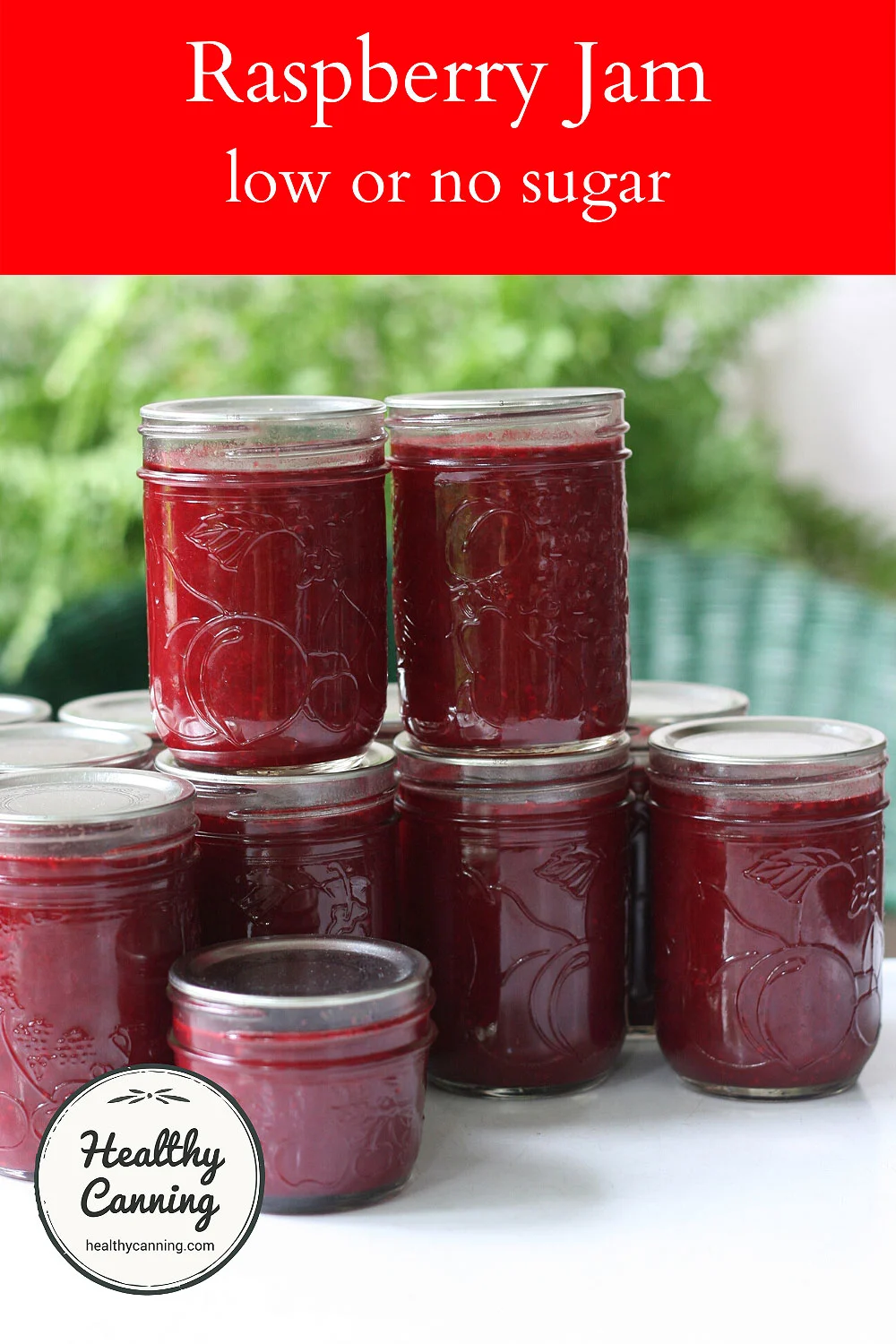

The landscape of home food preservation has undergone a significant transformation in recent years, driven by a growing consumer demand for reduced-sugar products and a return to artisanal, self-sufficient culinary practices. Among the most popular preserves in this movement is the raspberry jam made using Pomona’s Pectin, a specialized low-methoxyl pectin that allows for a gel set without the massive quantities of sugar required by traditional methods. This shift represents more than just a culinary preference; it reflects a broader intersection of food science, health consciousness, and a resurgence in domestic skills that had previously seen a decline in the mid-to-late 20th century.
The Evolution of Home Canning and Pectin Technology
To understand the significance of the raspberry jam recipe utilizing Pomona’s Pectin, one must first look at the history of food preservation. Traditionally, jam making relied on high-methoxyl pectin, which is naturally occurring in many fruits but requires a sugar concentration of at least 55% to 85% to achieve a proper "set." This high sugar content acts as a preservative by binding water molecules, making them unavailable for microbial growth. However, as dietary guidelines began to emphasize the reduction of refined sugars, the home canning community sought alternatives.
Pomona’s Universal Pectin, developed in the late 20th century, revolutionized this process. Unlike standard pectin, which is sugar-activated, Pomona’s is a low-methoxyl pectin derived from citrus peels that is calcium-activated. This means that a jam can be made with little to no sugar, or with alternative sweeteners such as honey, agave, or stevia, because the gelling process is triggered by a calcium solution rather than a sugar-acid-pectin bond. This technological advancement has made it possible for diabetic individuals and health-conscious consumers to enjoy preserves that retain the bright, tart flavor of fresh raspberries without the caloric density of traditional jams.
Technical Specifications and Recipe Framework
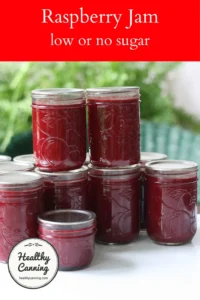
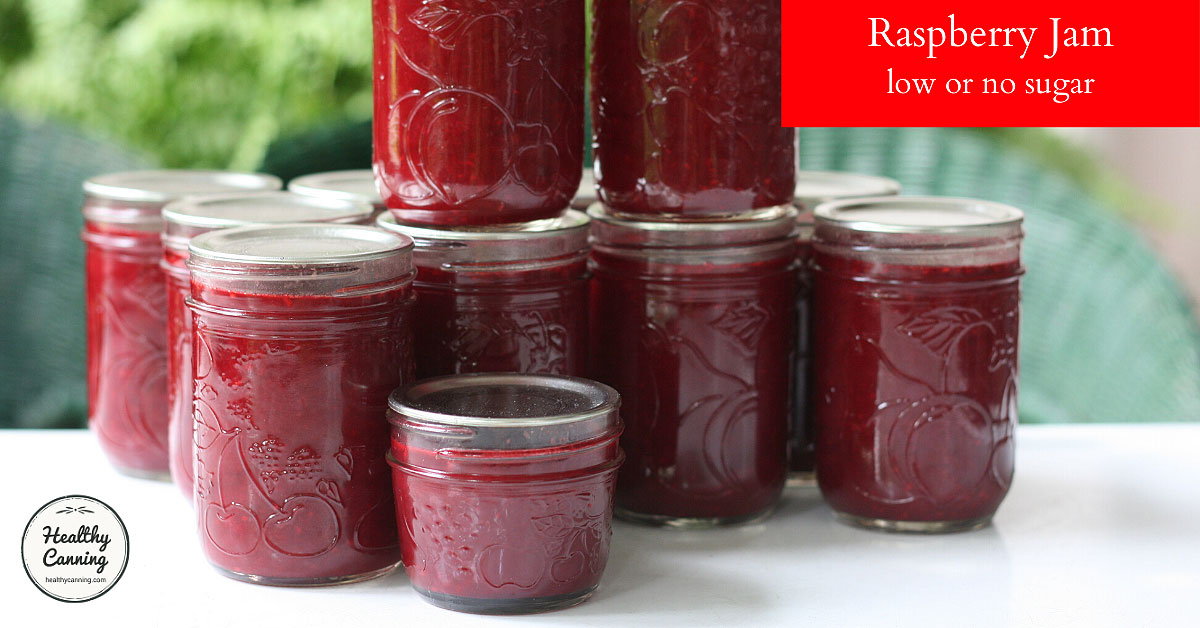
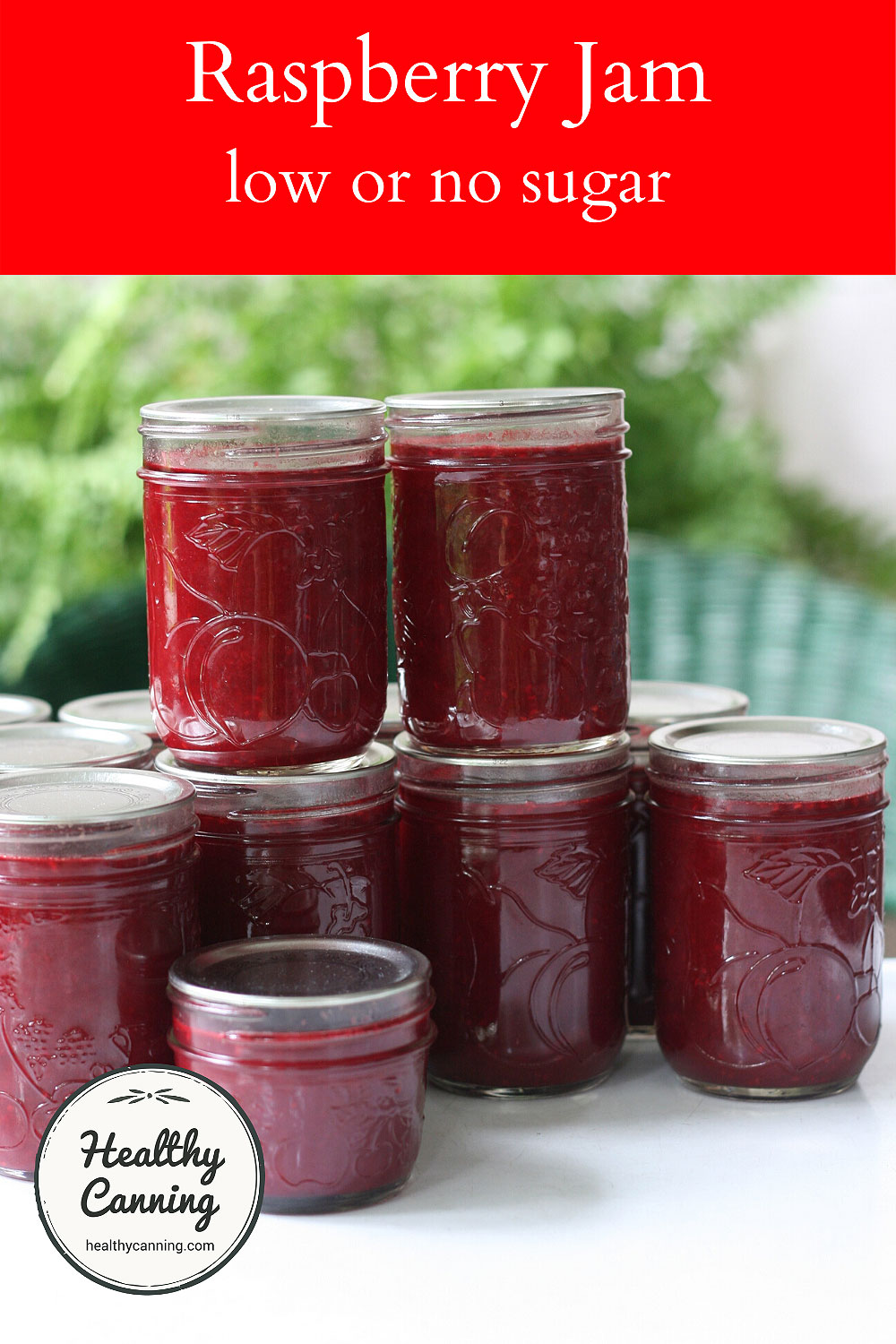
The production of home-canned raspberry jam requires precision and adherence to established food safety protocols. The recipe provided yields approximately four quarter-litre (8 oz / 250 ml) jars, a standard size for household consumption. The flexibility of the ingredients is a hallmark of this method; the jam can be prepared using fresh raspberries during the peak summer harvest or frozen raspberries during the off-season.
For those who prefer a more refined texture, the option to strain seeds is a common modification. Raspberries are known for their high seed-to-pulp ratio, and while some consumers enjoy the rustic texture of whole-fruit jam, straining provides a smooth, "seedless" alternative that is often preferred for glazing pastries or spreading on delicate breads.
Processing Parameters:
- Jar Sizes: 125 ml (4 oz) or 250 ml (8 oz).
- Headspace: A strict 1 cm (1/4 inch) is required to ensure a proper vacuum seal.
- Processing Time: 10 minutes in a boiling water bath or steam canner.
- Altitude Adjustments: Essential for safety; processing times must increase as altitude rises above 1,000 feet (300 meters) to compensate for the lower boiling point of water.
The Science of the Ingredients: Raspberries and Calcium
Raspberries (genus Rubus) are a nutritional powerhouse, rich in Vitamin C, manganese, and dietary fiber. They contain high levels of anthocyanins—antioxidants that give the berries their deep red hue. When processed into jam, the goal is to preserve these heat-sensitive nutrients as much as possible while ensuring a shelf-stable product.
The inclusion of the calcium water is the critical differentiator in this recipe. When Pomona’s Pectin is added to the fruit mixture, it remains inactive until it encounters the calcium ions. This chemical reaction creates a cross-linked mesh that traps the fruit juice, creating a firm gel. This allows the cook to use as little as one cup of sugar for four jars of jam, compared to the four or five cups that might be required in a traditional recipe.
Chronology of the Canning Process
The preparation of raspberry jam is a systematic process that must be followed to ensure both quality and safety.
- Preparation of Equipment: Jars are inspected for cracks or nicks and sterilized. The water bath or steam canner is prepared and brought to a simmer.
- Fruit Preparation: Raspberries are mashed. If a seedless jam is desired, the pulp is passed through a fine-mesh sieve or a food mill.
- The Calcium Component: Calcium water is prepared by mixing the calcium powder (included in the pectin kit) with water. This solution is added to the fruit base.
- The Sweetener Phase: In a separate bowl, the pectin powder is thoroughly mixed into the chosen sweetener (sugar, honey, or sugar substitute). This prevents the pectin from clumping when it hits the hot fruit.
- The Boil: The fruit and calcium mixture is brought to a boil. The sweetener-pectin mix is added, and the concoction is stirred vigorously for 1 to 2 minutes while returning to a full boil.
- Jarring: The hot jam is ladled into prepared jars, leaving the requisite 1 cm of headspace. Rims are wiped clean to ensure a perfect seal, and lids are applied.
- Processing: The jars are submerged in the canner and processed for 10 minutes. After processing, they are left to cool undisturbed for 12 to 24 hours.
Nutritional Analysis and Dietary Impact
The shift toward low-sugar canning has significant public health implications. According to the nutritional data associated with this recipe, a single tablespoon of raspberry jam made with one cup of sugar contains approximately 21 calories and 4 grams of sugar. In contrast, using a granulated sugar substitute like Splenda can reduce the caloric count to approximately 10 calories per tablespoon.
For the American public, where the prevalence of Type 2 diabetes and obesity remains a primary concern, the ability to control the glycemic load of staple foods like fruit preserves is vital. Furthermore, by omitting artificial preservatives and high-fructose corn syrup—common in commercial jams—home canners are able to produce a "clean label" product that aligns with modern clean-eating movements.
Market Trends and Consumer Reactions
The rise in popularity of Pomona’s Pectin and similar products coincides with a broader "DIY" movement in the culinary world. Market analysts have noted a significant uptick in the sale of canning supplies over the last decade, with a notable spike during the 2020-2021 period as more individuals sought to secure their food supply chains during global disruptions.
Master Food Preservers—volunteers trained by university extension programs—report that low-sugar fruit spreads are among the most requested topics in community workshops. Feedback from these groups suggests that while traditionalists still value the syrupy sweetness of old-fashioned jam, younger generations of "homesteaders" prioritize the natural tartness of the fruit. The ability to use honey as a sweetener is particularly lauded by the "back-to-the-land" community, as it allows for a product that can be sourced entirely from local ecosystems.
Safety Standards and Official Guidelines
Food safety is the paramount concern in any canning operation. The United States Department of Agriculture (USDA) and the National Center for Home Food Preservation (NCHFP) provide the gold standard for canning safety. While this specific recipe is adapted from Pomona’s Pectin guidelines, it adheres to the core principles of acid-based preservation.
Raspberries are naturally high-acid fruits, typically falling within a pH range of 3.2 to 3.6. This acidity is crucial because it prevents the growth of Clostridium botulinum, the bacteria responsible for botulism, which cannot thrive in environments with a pH below 4.6. The 10-minute processing time is calculated to destroy mold, yeast, and other spoilage organisms that might be present on the fruit or in the environment. Experts emphasize that any deviation from the recipe—such as adding low-acid vegetables or significantly altering the fruit-to-acid ratio—could compromise the safety of the final product.
Broader Implications of Home Canning
Beyond the immediate nutritional benefits, the practice of making raspberry jam at home contributes to environmental sustainability. By using reusable glass jars and sourcing fruit from local farms or backyard gardens, consumers significantly reduce their carbon footprint associated with transport and packaging waste.
Furthermore, the "shelf life" of home-canned goods, which is generally recommended at one year for peak quality, provides a level of food security. In an era of fluctuating food prices and supply chain vulnerabilities, a pantry stocked with high-quality, low-sugar preserves represents a tangible asset for the modern household.
The raspberry jam recipe using Pomona’s Pectin is a microcosm of the modern food movement: it combines the rigors of scientific safety with the flexibility of personal dietary needs, resulting in a product that is both a link to the past and a solution for a healthier future. As more consumers move away from mass-produced, high-sugar commodities, the humble jar of raspberry jam stands as a testament to the enduring value of homemade quality.