
The world of coffee, once largely a domain of routine consumption, is increasingly being transformed by a meticulous, scientific approach to extraction. What began as a personal quest for a better morning brew has evolved into a broader exploration of the intricate chemical and physical processes that define a truly exceptional cup. This shift reflects a growing global appreciation for specialty coffee, moving beyond mere caffeine delivery to a connoisseurship of flavor, aroma, and mouthfeel.
The Evolution of Coffee Appreciation: From Necessity to Craft
For many, coffee consumption begins as a functional necessity, a stimulant to navigate demanding schedules. This was the case for a chemistry PhD, whose regular coffee habit commenced only after entering professional life, driven by a one-hour commute requiring sustained focus. Over 15 years, this relationship matured from reliance on caffeine to a nuanced appreciation for coffee’s complex flavors. This personal journey mirrors a larger cultural phenomenon: the rise of the "third wave of coffee."
The third wave, prominent in regions like Scandinavia, champions coffee as an artisanal product, emphasizing high-quality, single-origin beans, lighter roasts, and transparent sourcing. Unlike the first wave (mass-market commodity coffee) and second wave (espresso-based drinks, flavored lattes), the third wave focuses on elevating the coffee experience through meticulous cultivation, precise roasting, and scientific brewing. This movement has fostered a vibrant ecosystem of specialty roasters and subscription services, like Kaffebox in Scandinavia, which curate selections from diverse regional roasters, allowing enthusiasts to explore a spectrum of profiles. The global specialty coffee market, valued at approximately $45 billion in 2021, is projected to grow at a compound annual growth rate (CAGR) of over 12% through 2028, underscoring this widespread and deepening appreciation.

The Catalyst: A Deep Dive During Unprecedented Times
The extraordinary circumstances of 2020, marked by reduced social interaction and more time for introspection, inadvertently provided a perfect environment for a deeper dive into coffee science. A "Coffee Advent Calendar" offering 24 days of blind tasting proved revelatory. This daily ritual highlighted the profound impact of bean origin and processing methods on flavor, fostering both moments of triumph in correct identification and humility in recognizing the subtle complexities that often defy easy categorization. "When you win, you win — when you lose, you learn," became a guiding principle.
Simultaneously, experimenting with various coffee hand grinders alongside a trusty Rancilio Rocky introduced significant variability into the daily brewing routine. This period of "panta rhei" – everything flows – initially caused frustration due to the inconsistent results in pour-over preparation. However, this frustration served as a powerful catalyst for in-depth research and learning, leading down a rabbit hole of coffee extraction science that proved far deeper than anticipated. Previous explorations into extraction methods for water, oil, ethanol, and even beer brewing, along with specific coffee topics like Norwegian egg coffee, Aeropress convenience, and the effect of salt, had merely scratched the surface. The past decade has seen an explosion of information and scientific publications, particularly concerning pour-over and drip coffee, making it an opportune time for a comprehensive re-evaluation of brewing practices.
Fundamentals of Extraction: Brew Ratio and Total Dissolved Solids
At the heart of reproducible coffee brewing lie quantifiable parameters. Two foundational concepts are Brew Ratio (BR) and Total Dissolved Solids (TDS).
Brew Ratio (BR): The Recipe’s Blueprint
The brew ratio defines the proportion of water to coffee grounds. Typically expressed as grams of water per gram of coffee, a common starting point is 60 grams of coffee for 1000 grams of water, yielding a BR of 16.7 (1000/60). Similar to a baker’s percentage, BR provides a concise "recipe" for coffee, enabling easy scaling of quantities while maintaining consistent strength. Black coffee brew ratios generally fall within the range of 15 to 25. The Specialty Coffee Association (SCA) often recommends a brew ratio between 1:15 and 1:18 for its "Golden Cup Standard," highlighting the importance of this parameter for optimal flavor extraction.
Total Dissolved Solids (TDS): Measuring Strength and Unlocking Flavor
One often experiences coffee that is "too strong," sometimes accompanied by bitterness. The simple act of adding hot water can miraculously transform such a cup, revealing hidden fruity notes. This subjective experience underscores the importance of objective strength measurement. Total Dissolved Solids (TDS) quantifies the amount of soluble material extracted from coffee grounds into the water, providing the easiest way to measure coffee strength. While TDS does not directly measure taste quality, it serves as a critical indicator, signaling when strength deviates from optimal ranges.
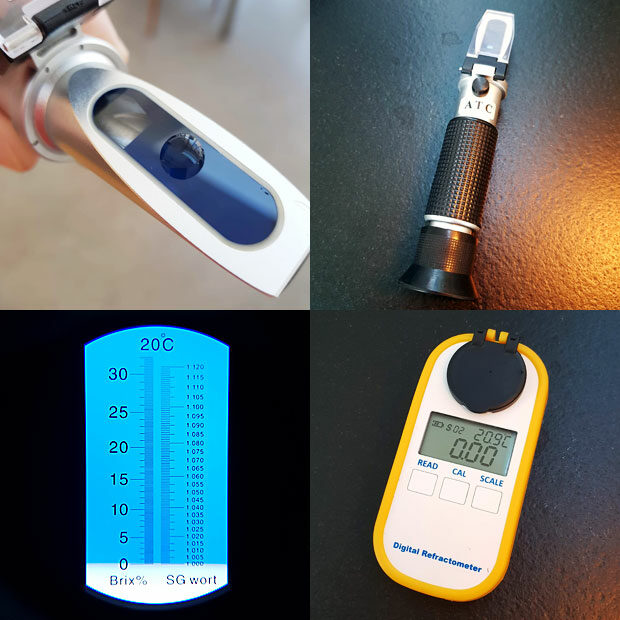
Traditional gravimetric measurement of TDS, involving evaporating water from a coffee sample, is impractical for home or café use due to the small quantities involved (1.2-1.5% solids, or 12-15 grams per liter) and the need for highly accurate laboratory balances. Fortunately, refractometers offer a more accessible solution. These devices measure how light bends as it passes through a liquid, a property directly related to the concentration of dissolved solids. Analog handheld refractometers, often calibrated in %Brix, can provide a quick estimate. A conversion factor (approximately %TDS = %Brix x 0.85) allows for translation. While handheld models offer a resolution of 0.0-0.2 %Brix, sufficient to confirm if a brew is within or outside the typical 1.2-1.5% TDS range for normal coffee, they lack the precision for fine-tuning. Digital refractometers, particularly those designed for coffee with 0.01 °Brix readout and automatic TDS conversion, offer superior accuracy but come at a higher cost.
For the home enthusiast, a handheld refractometer remains a highly recommended, versatile kitchen tool. Beyond coffee, it can be used for tasks like dialing in sugar content for sorbets (e.g., aiming for 26% Brix) or measuring specific gravity for beer brewing. It’s a valuable diagnostic tool, particularly for distinguishing between coffee strength and perceived bitterness or astringency. It also serves as a stark reminder that a typical cup of black coffee is over 98% water.
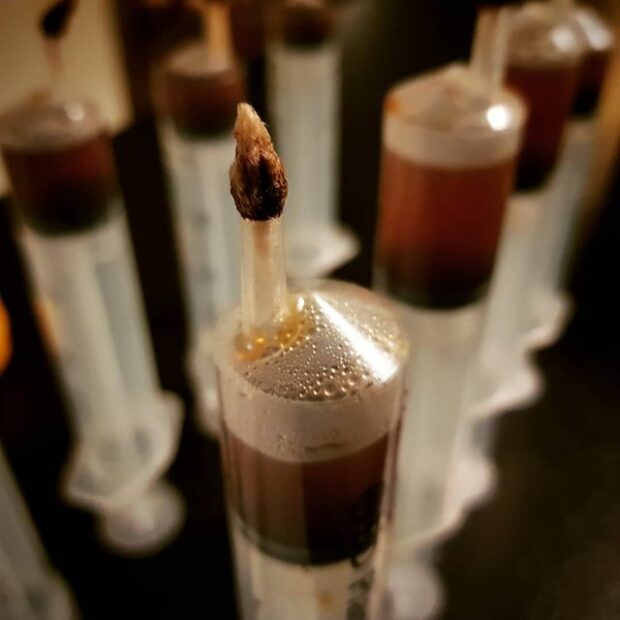
Measuring TDS during the extraction process, especially for percolation brews, requires careful sample preparation. Samples must be hot-filtered to halt extraction immediately and then cooled completely before measurement. A DIY method using plastic syringes with cotton plugs offers an economical and efficient way to achieve this, minimizing waste and avoiding the expense of lab-grade syringe filters. The cotton acts as a filter and a plug, preventing evaporation during cooling and ensuring accurate readings.
Unpacking Extraction Yield: EY vs. EEY
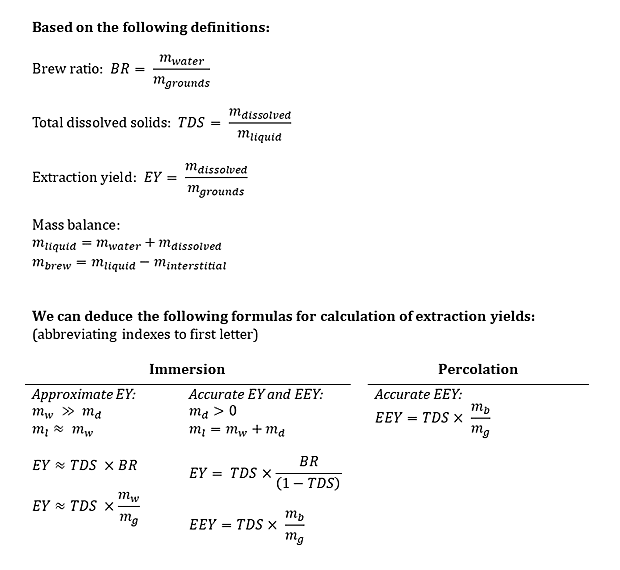
Once TDS is measured, calculating the extraction yield (EY) becomes the next logical step. This parameter quantifies how much of the coffee grounds’ mass has been dissolved into the brew. However, the calculation can become complex, especially for percolation methods where some liquid remains within the grounds (interstitial liquid). To simplify this, two distinct definitions of extraction yield are proposed:
- Extraction Yield (EY): Focuses on the total solids extracted from the coffee grounds into the entire liquid mass involved in the brewing process, including interstitial liquid. This is particularly relevant for immersion brews where all liquid is mixed.
- Effective Extraction Yield (EEY): Focuses on the total solids delivered into the cup. This is more relevant from an economic perspective and for assessing the final beverage. For percolation brews, EY often equals EEY because the interstitial liquid is not considered part of the final beverage.
Experts like Scott Rao and Jonathan Gagné have extensively discussed the complexities of extraction yield calculations. The proposed definitions aim to circumvent the problem of dissolved solids in interstitial liquid for percolation brews, by separating what is extracted from the grounds from what is actually consumed.
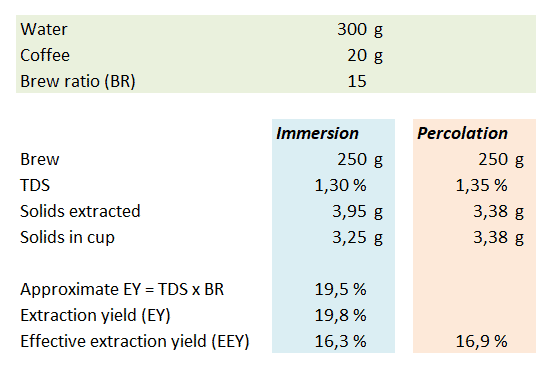
Consider an example: 300g water and 20g coffee yield 250g coffee brew.
- For an immersion brew with 1.30% TDS, the calculated EY (precise) is 19.8%, indicating the percentage of initial coffee grounds extracted into the total liquid. The EEY (solids in cup / initial grounds) is 16.3%.
- For a percolation brew with 1.35% TDS (often higher in the cup due to fresh water continually flowing through the bed), the EEY is 16.9%.
This example highlights a crucial insight: percolation methods are often more efficient at delivering solids to the cup, while immersion extracts more total solids from the grounds into the overall liquid mass. The difference in total extracted solids (e.g., 3.95g in immersion vs. 3.38g in percolation from the example) directly contributes to the distinct flavor profiles of these brewing methods. Given the hundreds of chemical compounds in coffee, extracting an additional 0.57g of solids significantly alters the final chemical composition and, consequently, the sensory experience.
Accurate yield calculations depend heavily on precise weighing of coffee grounds and accurate TDS measurements. Even small uncertainties in TDS (e.g., 0.02% TDS) can translate to notable variations in calculated EY, emphasizing the need for reliable equipment and methodology. Factors like evaporation during brewing, which can alter the effective brew ratio and temperature, also warrant consideration for hyper-accurate analysis, though they are often disregarded in practical settings.
The Critical Role of Grind Size and Particle Distribution
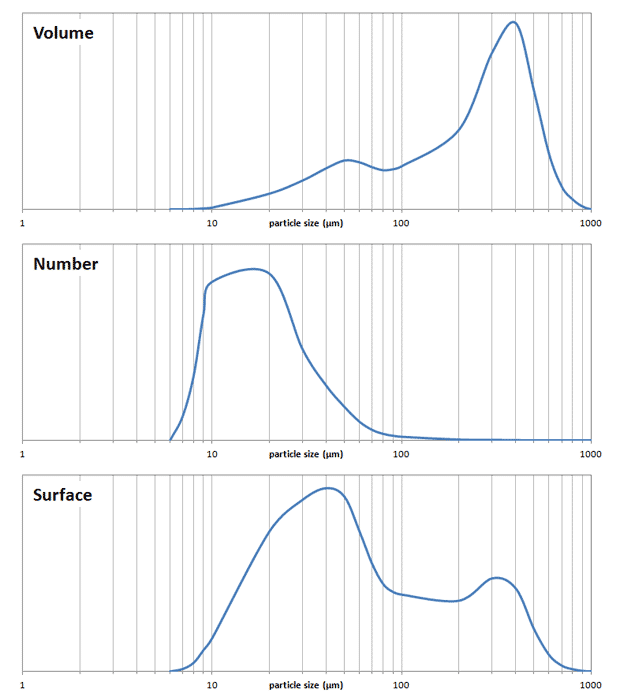
Before extraction, roasted coffee beans must be ground. This seemingly simple step is, in fact, one of the most critical and complex variables in brewing. Grinding shatters beans into a range of particle sizes, from large "boulders" to extremely small "fines" (generally defined as particles smaller than 100 µm). Ground coffee never exhibits a uniform size; instead, it displays a Particle Size Distribution (PSD).
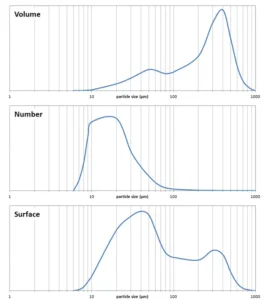
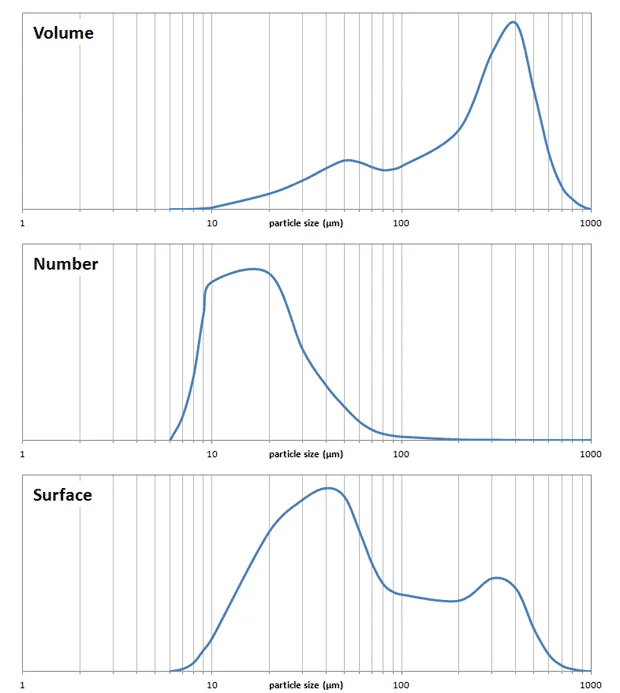
Measuring PSD can be done using mechanical sifters (like those from Kruve) or through advanced laboratory equipment (e.g., MicroTrac, Sympatec). A more accessible method involves image analysis, though it can underestimate fines due to their tendency to clump. The way PSD is visualized significantly impacts its interpretation. While volume distribution (the most common) might show a low volume of fines, visualizing by number of particles reveals a vast quantity of fine particles. Crucially, visualizing by surface area provides the most accurate picture of extraction potential, as extraction occurs at the particle surface. Research suggests that over half of the extraction can occur from particles smaller than 100 µm.
Matt Perger’s preliminary findings from Barista Hustle suggest that coffee particles are only extracted to a depth of about 100 µm. This implies that larger particles have an unextracted core, leading to wasted coffee. However, larger particles are essential for forming a stable filter bed, which prevents clogging and ensures adequate draw-down time in percolation methods.
For pour-over coffee, a narrow particle distribution with minimal fines is generally preferred. Fines can lead to over-extraction (bitterness), clogging filters, and slow flow rates. Conversely, overly coarse grounds lead to under-extraction (sourness) and weak coffee. The ideal grind balances extraction efficiency with flow rate.
The choice of grinder profoundly influences PSD. Cheap blade grinders produce an inconsistent grind with a high proportion of fines, making them unsuitable for quality brewing. Burr grinders, available in manual and electric forms, are the standard. They come with various burr materials, geometries, and sizes (flat vs. conical). High-end machines often feature larger flat burrs, with specific groove designs optimized for espresso (which benefits from some fines) or pour-over (where fines are undesirable). While conical burrs are common in hand grinders due to their compact design, the debate between flat and conical burrs often lacks rigorous scientific backing in terms of measured PSDs and sensory data.
Surprisingly, industrial cylindrical grinders can produce extremely narrow PSDs, suggesting that commercially pre-ground filter coffee, if properly packaged in an inert atmosphere, could theoretically offer a more uniform grind than most home equipment. However, the rapid oxidation of ground coffee upon exposure to oxygen, leading to stale flavors within days, necessitates grinding whole beans just before brewing to preserve freshness.
Exploring double grinding (coarse followed by fine) or using grain mills for pre-crushing could potentially narrow the PSD, but proper evaluation would require tools like sifters or image analysis. Ultimately, for pour-over, the optimal grind size is often the finest possible that still allows for a sufficient flow rate without clogging. The Aeropress, with its pressure-assisted filtration, bypasses some of these flow rate challenges by allowing extraction to be stopped at a precise time.
Beyond the Basics: Water, Temperature, and Filters
While grind size, brew ratio, and extraction yield form the core, other parameters critically influence the final cup.
Water Chemistry’s Influence:
"Water is not just water." The mineral composition and pH of brewing water significantly impact coffee flavor. Just as in beer brewing, specific mineral content can enhance certain characteristics. Magnesium ions, for instance, are known to selectively extract certain desirable compounds, enhancing sweetness, while bicarbonates can act as buffers, influencing pH and perceived acidity. The SCA has established detailed water quality standards, recommending specific ranges for total hardness, alkalinity, and pH. Many enthusiasts now craft their own "DIY mineral waters" by adding precise amounts of salts to distilled water or adjusting local tap water, a practice that has garnered attention in publications like Wired. This emphasizes that the solvent itself is a key ingredient, not merely a vehicle.
Temperature’s Dual Impact:
Temperature is a powerful variable, affecting both the solubility of compounds and their diffusion rates. Generally, higher temperatures accelerate extraction and increase the solubility of most compounds. However, maximizing extraction isn’t always the goal for the "best possible cup." Different temperatures extract different flavor compounds at varying rates. For example, some acidic compounds are more readily extracted at lower temperatures, while bitter compounds might be more dominant at higher temperatures. This is evident in cold brew, where intentional low-temperature extraction over extended periods (typically overnight) yields a distinct flavor profile, often less acidic and bitter. Furthermore, the serving temperature of the coffee itself affects sensory perception; sweetness and bitterness are perceived less intensely as a beverage cools, while sourness and saltiness remain relatively stable. Therefore, comparing hot and cold brews requires tasting them at comparable temperatures for accurate sensory evaluation.
The Filter Medium:
The filter material significantly influences the clarity and mouthfeel of brewed coffee. Paper filters are the most common and effective at retaining fine particles, producing a "clean" cup. The ability to discern microscopic particle size differences (e.g., 5 µm in chocolate) explains why a French press, which allows fines into the cup, can taste "muddy" or contribute a pronounced "body" or "texture" compared to the exceptionally "clean" profile of a Chemex with its thick paper filter. Beyond particle retention, paper filters also retain coffee oils, which contribute to taste and mouthfeel in an espresso but are often filtered out in pour-over. Experimenting with metal filters, which allow oils to pass through, can provide a benchmark for understanding what is lost with paper filtration.
Within paper filters, choices abound, from bleached to unbleached. While environmental concerns might favor unbleached, bleached filters typically contain fewer residual compounds (lignin, hemicellulose) that could impart off-flavors. Modern bleaching processes largely avoid chlorine, using other oxidizing agents. The chemical precision seen in laboratory-grade filter papers (like Whatman grades) suggests a greater potential for specialized coffee filters. Research into filter porosity and performance (e.g., as explored by Coffee Ad Astra) reveals significant differences between brands like Hario, Chemex, and Cafec, even before considering the swelling of cellulose fibers when wet, which can alter actual filtration characteristics.
A Prioritized Path to Brewing Excellence
For those embarking on a scientific journey into coffee brewing, a systematic approach to parameter exploration is key. Based on practical impact and logical progression, the following hierarchy is recommended:
- Brew Ratio, Total Dissolved Solids (TDS), and Extraction Yield (EY/EEY): These interconnected parameters form the foundational understanding of strength and efficiency. Getting these right is paramount, as even the finest beans cannot compensate for a fundamentally imbalanced extraction.
- Grind Size and Particle Size Distribution (PSD): The consistency and fineness of the grind directly impact extraction kinetics and flow, influencing both strength and flavor balance.
- Freshness of Beans: Using freshly roasted beans and minimizing oxygen exposure (grinding just before brewing, storing in airtight containers) is crucial for preserving volatile aromatic compounds and preventing oxidation, which leads to stale flavors.
- Temperature: Control over brewing temperature influences solubility and diffusion rates, allowing for targeted extraction of desired flavor compounds.
- Water Composition: While a more advanced parameter, adjusting mineral content can significantly enhance or alter the flavor profile.
- Filter Material: The choice of filter impacts clarity, mouthfeel, and the presence of oils and fines.
Without a solid grasp of the first three parameters, experimenting with later ones will yield inconsistent and confusing results. For example, attempting water adjustments while still grappling with inconsistent grind size or fluctuating brew ratios will obscure any potential benefits. The "Coffee Compass" from Barista Hustle serves as an excellent practical guide for diagnosing and adjusting brew parameters based on sensory feedback, helping navigate the complex landscape of coffee flavors.
Broader Implications for Coffee Culture and Industry
This meticulous, scientific approach to coffee brewing has profound implications. It elevates coffee from a mere beverage to a culinary art form, demanding precision and understanding. For home enthusiasts, it democratizes the ability to brew consistently excellent coffee, empowering them to troubleshoot and refine their methods. For the coffee industry, it drives innovation in equipment design (grinders, brewers, refractometers), promotes transparency in sourcing and processing, and raises the bar for quality across the entire supply chain. Roasters can provide more detailed information, cafes can offer more consistent and exceptional beverages, and consumers can make more informed choices, fostering a more appreciative and discerning coffee culture worldwide. The journey into coffee science is not just about making a better cup; it’s about understanding and celebrating the complex alchemy that transforms a humble bean into an extraordinary experience.