
The global shift toward home-based food preservation and "from-scratch" culinary practices has reached a new milestone as domestic cooks increasingly reject mass-produced condiments in favor of customizable, cost-effective alternatives. At the forefront of this movement is the resurgence of DIY celery salt, a fundamental seasoning that has historically been a staple of North American spice racks but is now being reimagined through the lens of gourmet craftsmanship and dietary necessity. By transitioning from store-bought jars to home-blended mixtures, consumers are finding they can produce high-quality seasonings for a fraction of the retail cost while gaining total control over sodium levels and flavor profiles.
The Economic and Culinary Shift Toward DIY Seasonings
In an era of fluctuating grocery prices and supply chain inconsistencies, the economic incentive for producing pantry staples at home has never been more pronounced. Commercial celery salt, often sold in small 2-to-4-ounce containers, frequently carries a significant markup that accounts for packaging, branding, and distribution. Industry analysis suggests that home-made versions can be produced for "pennies on the dollar," utilizing bulk-purchased celery seeds or dehydrated celery scraps that would otherwise be discarded.
Beyond the financial savings, the move toward DIY celery salt represents a broader trend in culinary "gourmetization." While commercial versions are typically limited to a standard blend of table salt and ground celery seed, the home cook has the liberty to experiment with premium ingredients. The use of flaky sea salt, Applewood smoked salt, or mineral-rich pink Himalayan salt transforms a basic utility spice into a craft ingredient. This customization allows for a more nuanced flavor profile that can be tailored to specific dishes, such as elevating a classic Chicago-style hot dog or providing the essential backbone for a sophisticated Bloody Mary cocktail.
Technical Methodology: From Seed to Powder
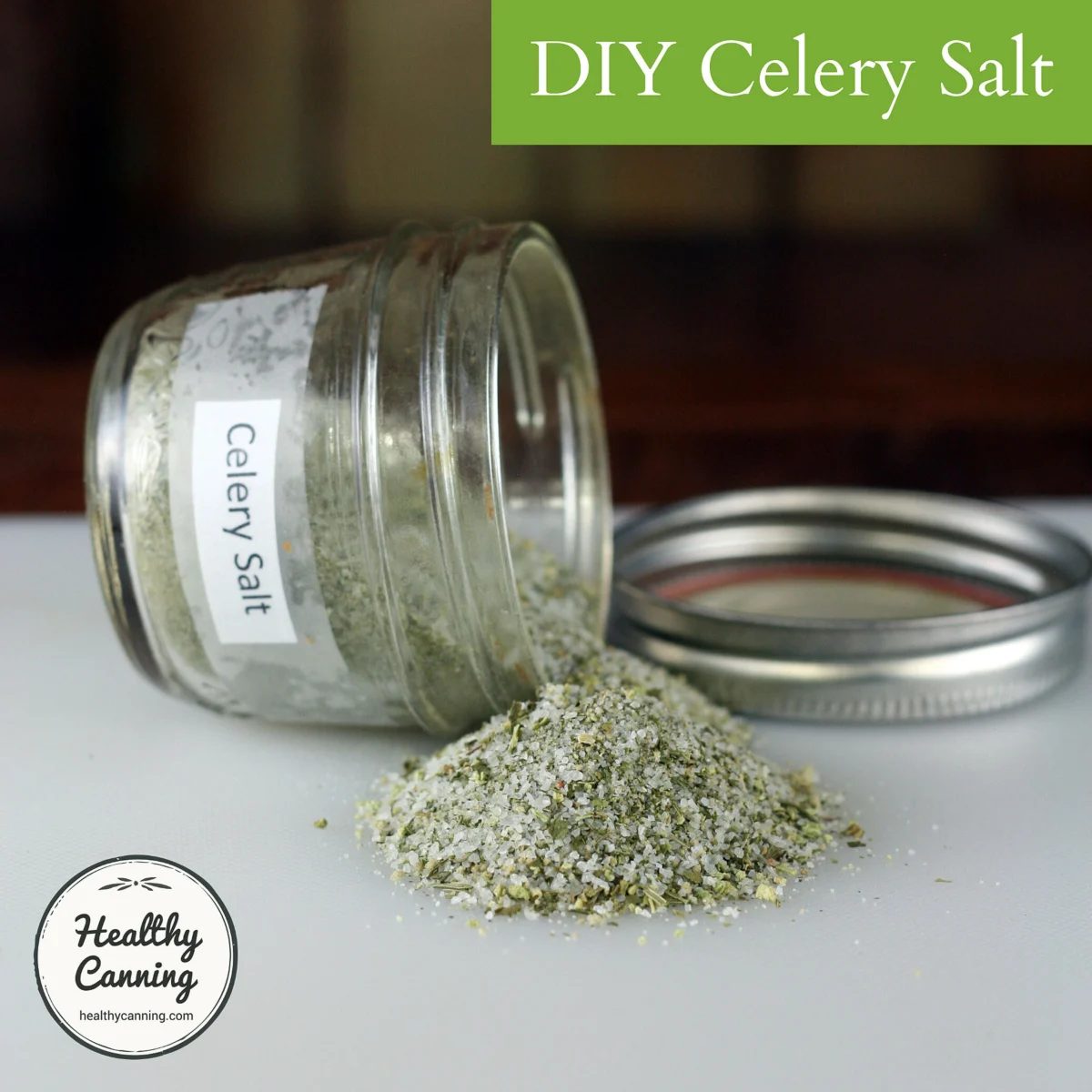
The production of celery salt at home generally follows two primary methodologies, each offering distinct textural and flavor results. The traditional approach involves the utilization of whole celery seeds, which are ground and blended with salt. However, a more contemporary and "gourmet" method involves the use of celery powder.

To produce celery powder, home cooks utilize food dehydrators to remove moisture from celery stalks and, more importantly, the nutrient-dense leaves. Once fully desiccated, the celery is pulverized into a fine, aromatic powder. When this homemade powder is combined with high-quality salt, the resulting condiment possesses a vibrant, fresh vegetal note that is often missing from mass-produced varieties.
According to culinary standards derived from various preservation experts, a standard yield for a home batch is approximately five tablespoons (75 grams). This quantity is considered optimal for maintaining freshness, as ground spices begin to lose their volatile oils and aromatic potency over time. The flexibility of the ratio—typically two parts salt to one part celery component—allows for individual adjustment based on the potency of the celery source and the grain size of the salt used.
Addressing Public Health: The Sodium-Free Revolution
One of the most significant drivers of the DIY seasoning trend is the growing public health concern regarding sodium intake. The World Health Organization (WHO) and various national health agencies have consistently warned that excessive salt consumption is a primary contributor to hypertension and cardiovascular disease. For individuals on medically mandated low-sodium diets, commercial celery salt is often an inaccessible luxury due to its high salt-to-spice ratio.
The DIY model offers a definitive solution to this challenge. By utilizing salt substitutes—such as potassium-based alternatives like Herbamare or herbal blends—consumers can create a "sodium-free celery salt." This allows those with dietary restrictions to enjoy the specific umami-like quality that celery provides without the associated health risks of traditional sodium chloride. This shift toward "functional seasonings" highlights the role of home preservation as a tool for preventative healthcare.
Historical Context and Cultural Significance
Celery salt occupies a unique position in the American culinary lexicon. Its history is deeply intertwined with the industrial growth of the Midwest and the evolution of American street food.

- The Chicago Connection: In the early 20th century, celery salt became the "secret ingredient" of the Chicago-style hot dog. Born out of the Great Depression, the "Depression Sandwich" (as the hot dog was then known) used celery salt to add a sophisticated flavor profile to an affordable meal. To this day, a hot dog in Chicago is considered incomplete without a heavy dusting of the seasoning.
- The Old Bay Legacy: Celery salt is a primary component of Old Bay Seasoning, created by Gustav Brunn in 1939. This blend became synonymous with Chesapeake Bay seafood culture, proving that celery salt was a foundational element in complex spice Maryland-style rubs.
- The Cocktail Era: The rise of the Bloody Mary in the mid-20th century further solidified celery salt’s status. The interaction between the salt, the celery aromatics, and the acidity of the tomato juice created a classic flavor pairing that remains a global standard in mixology.
Chronology of the "From-Scratch" Resurgence
The timeline of the current DIY seasoning trend can be traced through several key cultural shifts:
- 2008-2010: The global financial crisis sparks a renewed interest in "victory gardens" and home canning as a means of economic resilience.
- 2015-2018: The "clean label" movement gains momentum, with consumers scrutinizing ingredient lists for anti-caking agents (like calcium silicate) often found in commercial salts.
- 2020-2022: The COVID-19 pandemic leads to a massive surge in home cooking and the purchase of kitchen appliances like dehydrators and spice grinders. During this period, "pantry projects" become a dominant social media trend.
- 2023-Present: Persistent inflation in the food sector cements DIY practices not just as a hobby, but as a standard household management strategy.
Market Analysis and Consumer Behavior
Data from market research firms indicates a steady increase in the sale of bulk spices and home dehydration equipment. While the global spice market continues to grow, there is a noticeable pivot toward "component ingredients" rather than pre-mixed blends.
Retailers have noted that consumers are increasingly purchasing large quantities of celery seed and high-end salts separately. This suggests a more informed consumer base that values the autonomy of blending. Furthermore, the rise of digital platforms has allowed for the rapid dissemination of recipes and techniques, sourcing information from various specialized outlets such as "imperfectlyhappy.com" and "wholenewmom.com," which advocate for self-sufficiency and chemical-free living.
Expert Perspectives on Food Preservation
Master Food Preserver groups and culinary educators emphasize that while making celery salt is simple, it serves as a "gateway" to more complex food preservation techniques. Experts suggest that the process teaches consumers about moisture content, volatile oil preservation, and the importance of airtight storage.
"The act of making your own seasoning is a reclamation of food sovereignty," states a representative from a leading Master Food Preserver group. "When you control the salt, you control the health outcome. When you control the spice, you control the flavor. It moves the consumer from a passive recipient of industrial food to an active producer."
Implications for Sustainability and Waste Reduction
The environmental impact of DIY celery salt production is a critical, though often overlooked, factor. By utilizing the leaves and trimmings of celery—parts that are frequently discarded in commercial processing or by home cooks—the DIY method aligns with "zero-waste" kitchen philosophies.
Furthermore, the reduction in packaging waste is substantial. A single glass jar used for home-made celery salt can be reused indefinitely, eliminating the need for the plastic shakers and composite metal-and-cardboard containers that dominate spice aisles. This reduction in the carbon footprint associated with transport and packaging contributes to more sustainable consumption patterns.
Future Outlook: The New Standard for the Modern Pantry
As the culinary landscape continues to evolve, the distinction between "professional" and "home" kitchens continues to blur. The DIY celery salt movement is a microcosm of a larger shift toward intentionality in eating. As technology makes home dehydration and grinding more accessible, and as health consciousness remains a primary driver of consumer behavior, the presence of artisanal, home-blended seasonings is expected to become a standard feature of the modern pantry.
The transition from "pennies on the dollar" savings to a "gourmet" experience represents a holistic approach to cooking that values economy, health, and flavor equally. Whether it is used to rim a glass, season a roast, or top a classic street food staple, home-made celery salt is more than just a condiment; it is a testament to the enduring appeal of culinary self-sufficiency.