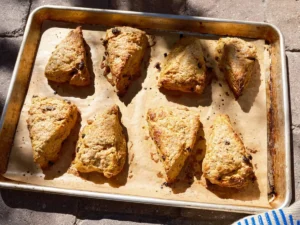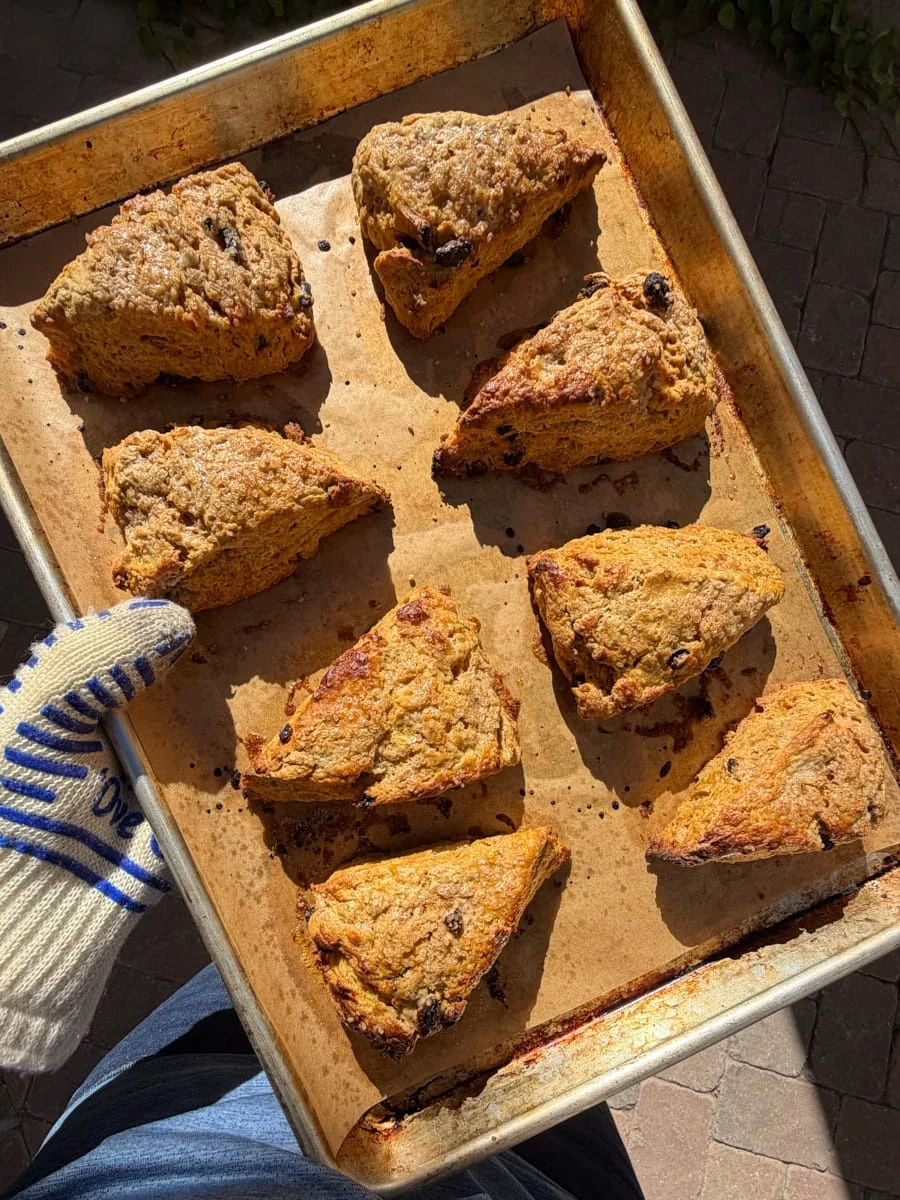

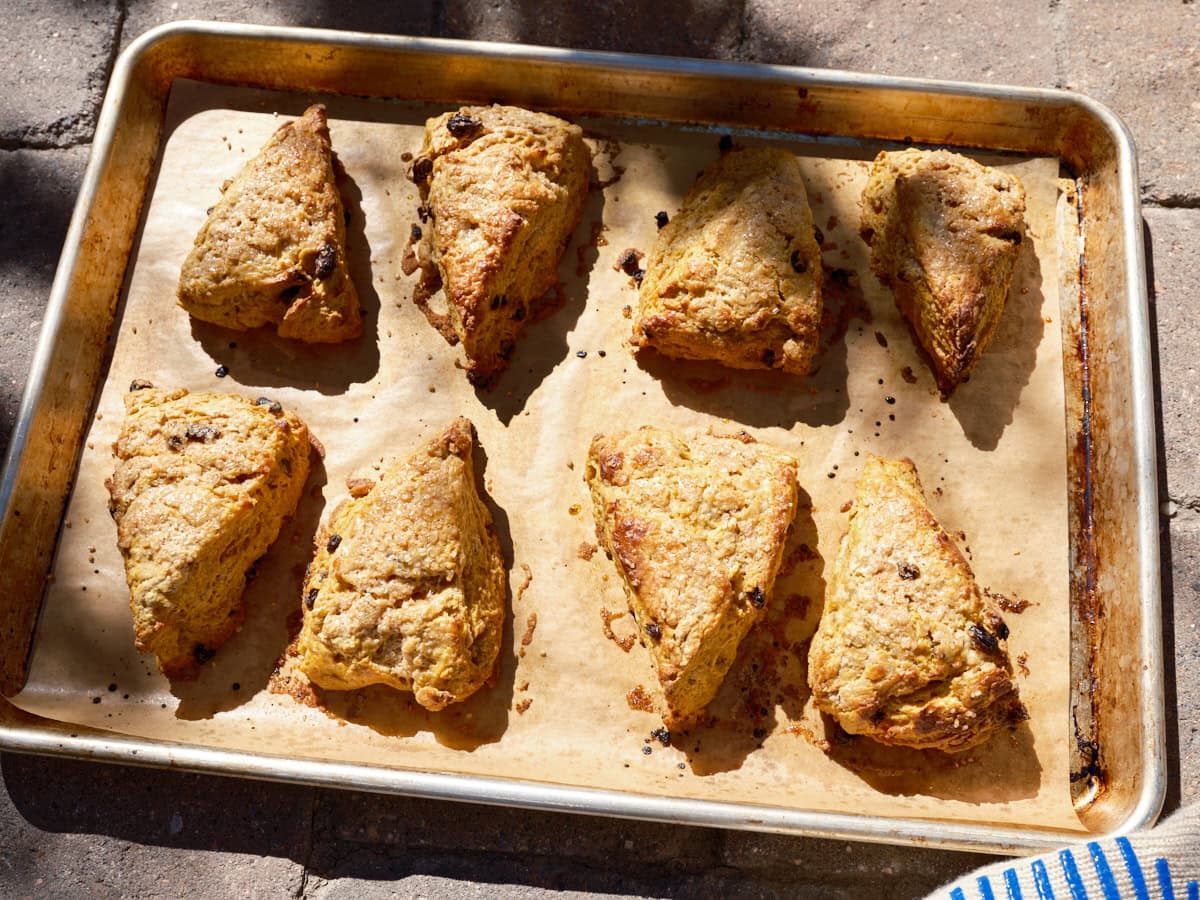
The culinary world is abuzz with the latest innovation in artisanal baking: sourdough pumpkin scones. This unique creation, born from a passion for both traditional sourdough techniques and seasonal flavors, offers a distinct departure from the conventional scone, presenting a tantalizing combination of a soft, yielding interior and a robust, craggy crust. While the debate over whether these treats lean more towards scones or biscuits may persist, their inherent sweetness firmly plants them in the scone category for many enthusiasts. The development of this recipe has been a meticulous journey, focusing on achieving a superior rise and a refined texture, particularly for bakers navigating the challenges of high-altitude environments.
The origin of this specific recipe can be traced back to an ongoing exploration of sourdough baking, with a particular emphasis on utilizing sourdough starter discard—a byproduct of maintaining a sourdough starter that is often discarded but can be ingeniously incorporated into various baked goods. This approach not only minimizes food waste but also imbues the final product with a characteristic tang and depth of flavor unique to fermented doughs. The inclusion of pumpkin, a quintessential autumn ingredient, adds a layer of seasonal appeal and a subtle sweetness that complements the sourdough’s complexity.
The Science of the Scone: Texture and Technique
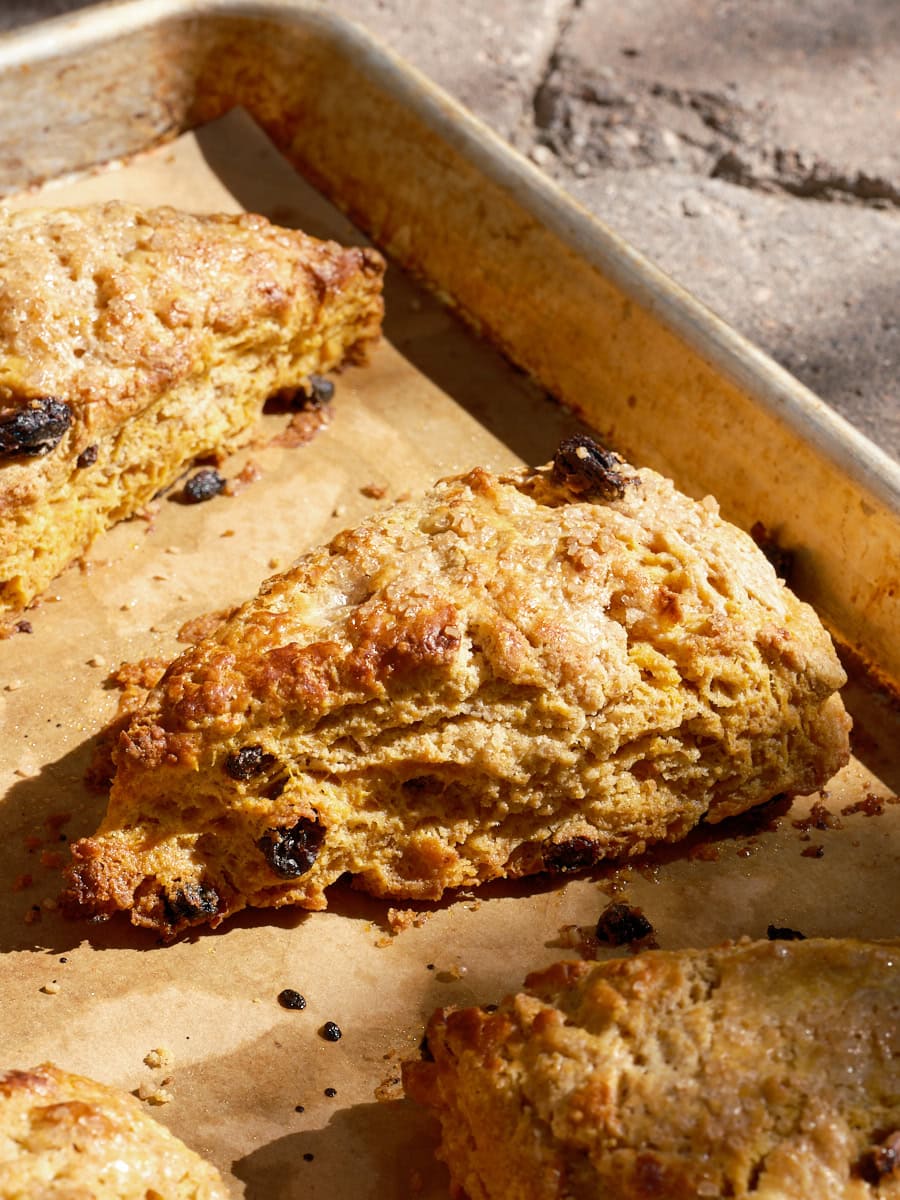
A key aspect of these sourdough pumpkin scones lies in their textural profile. Unlike the drier, denser scones often found in traditional bakeries, these are characterized by a surprisingly tender and moist crumb. This is achieved through a combination of carefully selected ingredients and precise baking methods.
One of the foundational elements contributing to the scone’s unique texture is the use of buttermilk. While buttermilk contains less fat than heavy cream, its acidity plays a crucial role in tenderizing the dough. The low pH of buttermilk interacts with the gluten structure, making it more relaxed and extensible. This is particularly beneficial when working with whole-grain flours like einkorn, which can sometimes be more delicate and prone to toughness. The acidic nature of buttermilk, in conjunction with the sourdough starter, helps to create a pliable dough that can achieve a significant rise without becoming dense.
The author’s experimentation has highlighted the impact of acidity on gluten development. In contrast to recipes that rely heavily on the high fat content of heavy cream for flakiness—where fat coats flour particles and creates distinct layers upon melting—this recipe leverages acidity for a different, yet equally desirable, tender texture. The tang of the buttermilk not only contributes to the tenderness but also harmonizes beautifully with the subtle fermentation notes from the sourdough discard and the earthy sweetness of the pumpkin.
Adapting to the Elements: High-Altitude Baking Insights
The pursuit of the perfect scone has also led to a deeper understanding of baking at higher altitudes. For those residing in regions like the high desert, where atmospheric pressure is lower, adjustments are often necessary to achieve optimal results in baking. This principle, well-established in high-altitude sourdough bread baking, is equally applicable to scones.
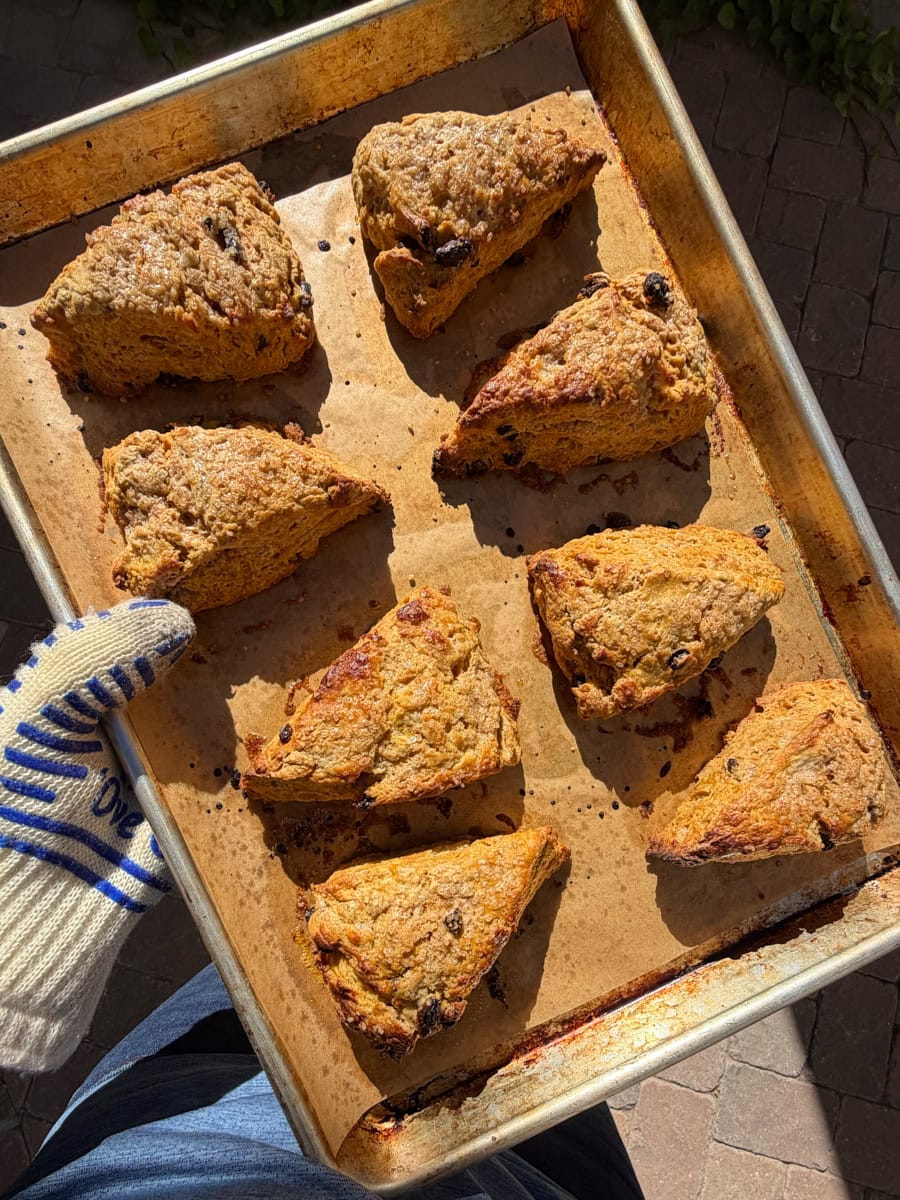
The article emphasizes that achieving a tall, well-risen scone, rather than one that spreads excessively, is significantly impacted by baking conditions. A crucial technique identified for this purpose is the use of convection baking. The intense and even heat generated by a convection oven helps to quickly form a crust on the exterior of the scones during the initial stages of baking. This rapid crust formation effectively "sets" the dough, preventing it from spreading outwards and encouraging it to rise upwards.
For bakers whose ovens lack a convection setting, a practical alternative is suggested: increasing the baking temperature by approximately 25 degrees Fahrenheit for the initial few minutes of baking. This temporary boost in heat can help to mimic the rapid setting effect of convection, thereby promoting a taller scone. This meticulous attention to detail underscores the commitment to overcoming environmental baking challenges and achieving consistent, high-quality results.
Ingredient Versatility: Substitutions and Flavor Profiles
The recipe also embraces ingredient versatility, acknowledging that not all bakers may have specific flours or purees readily available.
Flour Substitutions: For those without whole-grain einkorn flour, a direct substitution with any readily available whole wheat flour is recommended. The article specifically mentions heritage wheat varieties such as Red Fife, Butler’s Gold, or Marquis as particularly suitable choices. The inherent earthiness of these whole-grain flours is noted as a valuable asset, providing a rustic counterpoint to the sweetness of the pumpkin and the tang of the sourdough, creating a well-balanced flavor profile.
Pumpkin Puree Alternatives: In instances where pumpkin puree is not available, the recipe offers several viable alternatives. Sweet potato puree or butternut squash puree can be used in equivalent weights. For a slightly sweeter profile, applesauce or mashed banana can be substituted, though their increased sweetness should be taken into account.
Liquid Variations: The article addresses potential shortages of buttermilk. A common and effective homemade substitute involves adding one teaspoon (approximately 5g) of white vinegar or lemon juice to 70g of whole milk. Allowing this mixture to sit for about five minutes will result in a slight curdling, replicating the acidic properties of buttermilk. Alternatively, kefir can be used as a direct one-to-one replacement.
Inclusions: For bakers who are not fond of raisins, the recipe suggests dried cranberries as a suitable alternative. Fresh or frozen blueberries are also presented as an interesting variation that could add a bright, fruity note to the scones.
The Sourdough Advantage: Beyond Basic Baking
The integration of sourdough starter discard in this recipe is more than just a trend; it represents a sophisticated approach to baking that leverages the natural leavening and complex flavor development inherent in sourdough fermentation. Sourdough starters are a symbiotic culture of yeasts and bacteria, meticulously nurtured over time. When this starter is fed and maintained, a portion is often considered "discard"—a component that, while no longer actively used for leavening, is rich in flavor and fermentation byproducts.
Incorporating this discard into scones not only reduces waste but also contributes a unique tangy depth that distinguishes them from conventional baked goods. The wild yeasts and lactic acid bacteria present in the starter work to break down complex carbohydrates and proteins in the flour, leading to a more digestible and flavorful end product. This process also contributes to the tender crumb and the subtle complexity that makes these scones so appealing. The fermentation process can also enhance the bioavailability of certain nutrients in the flour.
A Culinary Legacy and Future Endeavors
The development of these sourdough pumpkin scones is a testament to persistent culinary exploration and collaboration. The author credits Michele for her invaluable inspiration and contributions to refining the recipe over several years. This collaborative spirit is often at the heart of culinary innovation, where shared passion and experimentation lead to novel creations.
The success of this recipe opens doors to further culinary adventures. Leftover pumpkin puree can be readily utilized in other delightful sourdough creations, such as a festive Pumpkin Cinnamon Sourdough bread or a simpler, yet equally delicious, batch of Pumpkin Pancakes. This interconnectedness of recipes and ingredients exemplifies a holistic approach to home baking, encouraging the creative use of seasonal produce and the ongoing exploration of sourdough techniques.
The journey from a simple desire for pumpkin-infused baked goods to a meticulously crafted recipe for sourdough pumpkin scones highlights the intricate interplay of ingredients, techniques, and personal inspiration. The resulting baked good is not merely a confection but a testament to the art and science of baking, offering a unique textural experience and a symphony of flavors that celebrate both seasonal bounty and the ancient magic of sourdough.