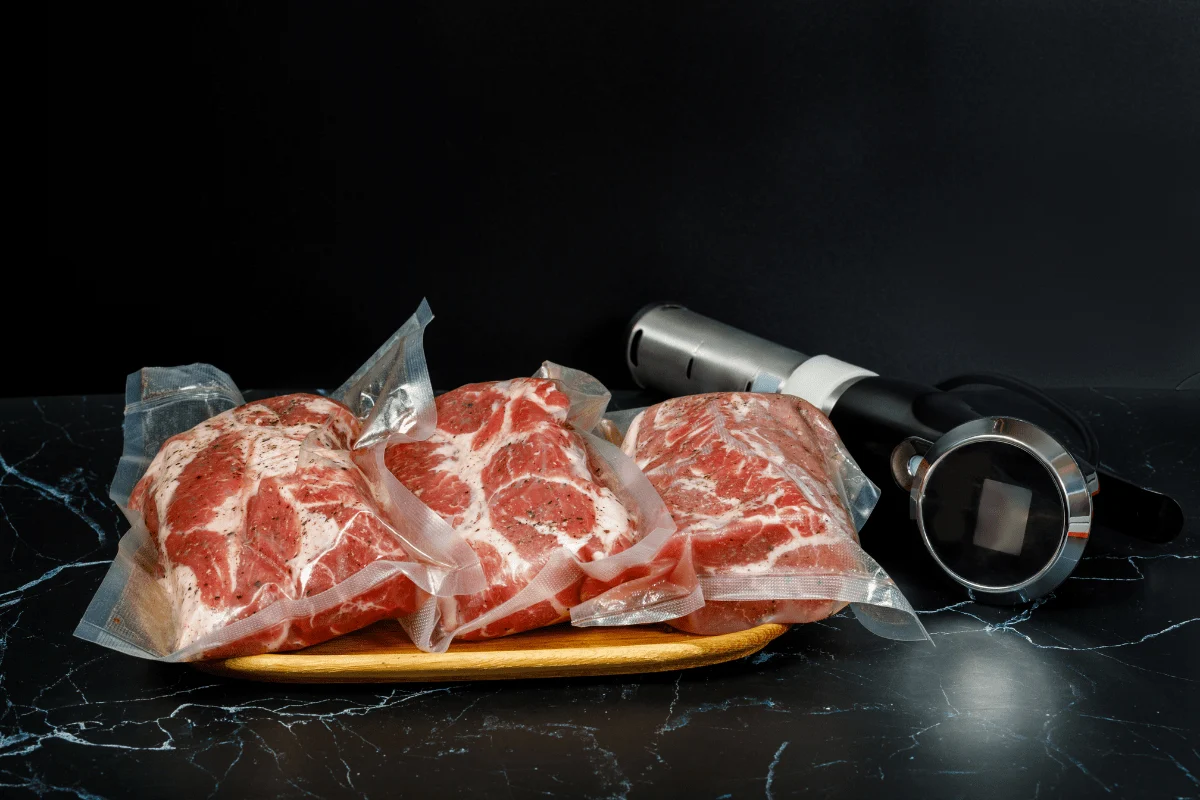

The culinary world is experiencing a transformative shift, driven by the increasing adoption of sous vide technology in professional kitchens. What began as an experimental technique in culinary schools has matured into a cornerstone of modern gastronomic excellence, offering unparalleled precision, consistency, and efficiency. This article delves into the impact of commercial sous vide machines, exploring their evolution, the key factors to consider when selecting one, and their profound implications for culinary operations.
From Culinary School Labs to Restaurant Stoves: A Decade of Immersion
My initial encounter with sous vide cooking occurred during my formative years in culinary school. We utilized a large, multi-compartment water bath to prepare proteins, meticulously comparing the results to traditional cooking methods. The revelation was immediate and profound: a level of tenderness and uniform doneness previously unattainable. This experience was further amplified as I entered the professional restaurant scene. The timing was serendipitous; sous vide technology was rapidly becoming more accessible, allowing for intensive hands-on application and refinement of techniques. Over the past decade, I’ve gained extensive experience with some of the industry’s most robust commercial sous vide machines, insights that will guide restaurateurs and chefs in making informed purchasing decisions, optimizing their operations, and ultimately, elevating their culinary output.
Our Top Picks for Commercial Sous Vide Excellence
Navigating the landscape of commercial sous vide equipment can be a daunting task. To assist in this critical decision-making process, we’ve identified two standout options that cater to different operational needs and budgetary considerations.
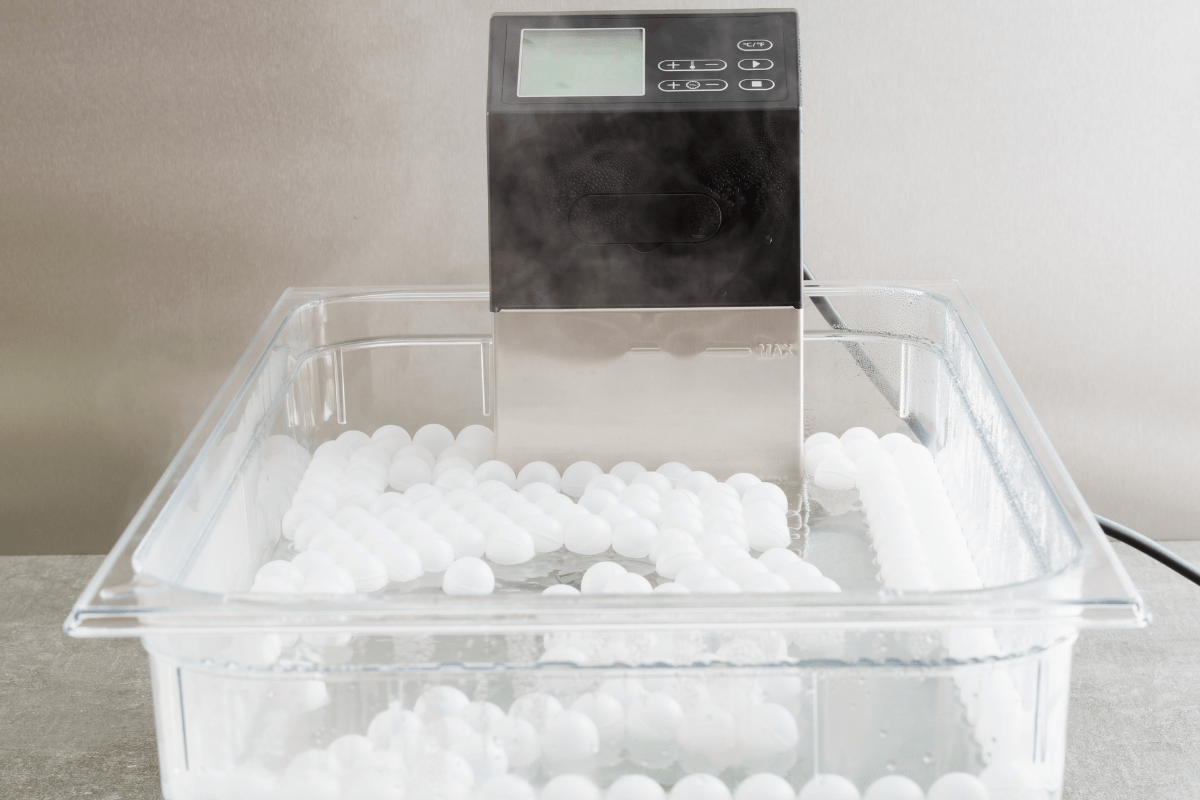
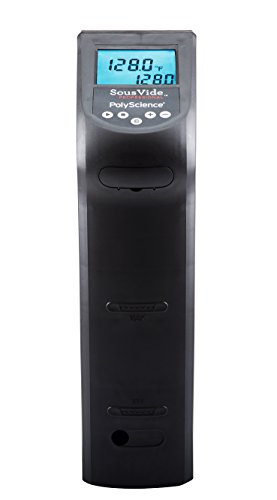
Our Top Pick: PolyScience Creative Series Sous Vide Immersion Circulator
The PolyScience Creative Series immersion circulator represents a pinnacle of commercial sous vide technology. This unit, while also a favored choice for home enthusiasts seeking an upgrade, truly excels within the demanding environment of a professional kitchen. It masterfully combines impressive power and precision within a remarkably compact and portable form factor.
Key Features:
- Compact and Portable Design: Its small footprint makes it easy to store and transport, ideal for catering events or kitchens with limited space.
- Exceptional Temperature Accuracy: Maintains water baths within an astonishing ±0.1°F, ensuring precise and consistent cooking results.
- Durability for Extended Use: Engineered for reliability, this circulator can handle multi-day cooking tasks without compromising performance, a critical factor in high-volume kitchens.
The user interface is remarkably intuitive, requiring only the selection of the desired temperature to commence cooking. While this particular model does not feature an integrated timer, this is a minor consideration given its other strengths, as separate timing devices are standard in most commercial kitchens. The generously sized, back-lit LCD display provides clear visibility of both the current and target temperatures, allowing chefs to monitor the water bath’s status at a glance and confirm temperature stability when ingredients are introduced. Despite its modest dimensions, the PolyScience Chef circulator possesses the power to accurately heat water baths up to 8 gallons, with a maximum temperature capability of 200°F.
What truly distinguishes PolyScience sous vide machines are the exceptional accuracy of their heating coils and the robust construction of their water pumps. This allows for the precise management of large water volumes and the capacity for continuous cooking over extended periods without the concern of overheating or temperature fluctuations. A critical feature for any commercial setting is the auto-restart functionality; in the event of a power interruption, the unit automatically resumes operation at the last set temperature, safeguarding precious product from spoilage even when unattended. My personal experience includes utilizing this model for recipes requiring up to 72 hours of continuous operation, a testament to its unwavering accuracy and dependability.
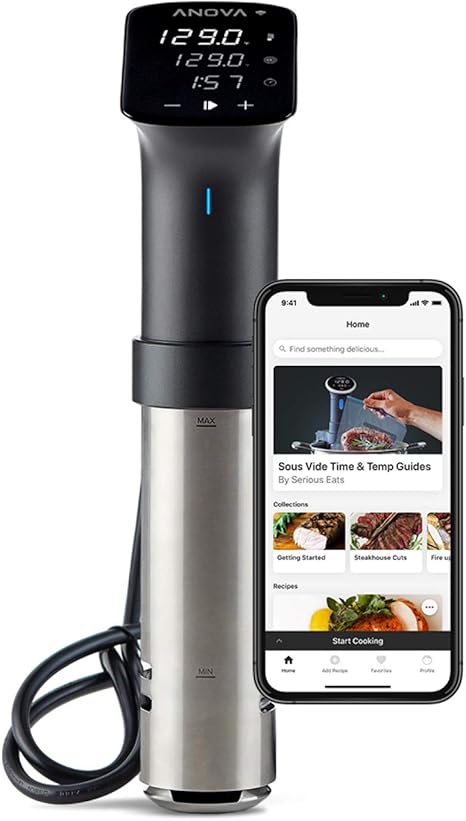
Also Great: Anova Culinary Sous Vide Precision Cooker Pro
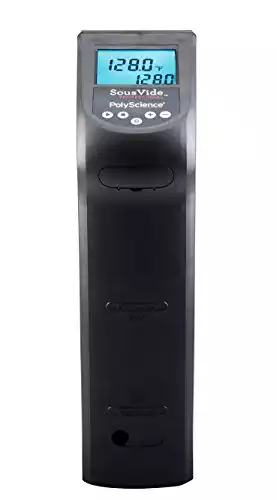
For operations seeking exceptional value without compromising on performance, the Anova Culinary Sous Vide Precision Cooker Pro emerges as a compelling option. While not strictly classified as a commercial unit, its accuracy, dependability, and cost-effectiveness make it a viable contender for smaller establishments or those with less intensive sous vide demands.
Key Features:
- User-Friendly App Integration: Offers seamless control through a dedicated smartphone application, enhancing convenience and remote monitoring.
- Exceptional Longevity: Designed for continuous operation, capable of running for an impressive 10,000 hours, signifying robust engineering.
The Anova Precision Cooker Pro has proven its mettle in small restaurant settings, consistently delivering reliable performance. Its power-to-size ratio is remarkable, and the ability to acquire multiple units for the price of a single high-end commercial model offers significant strategic advantages. This allows for the simultaneous operation of several water baths at varying temperatures, a boon for both extensive food preparation and dynamic service periods.
Despite its accessible price point, the Anova Precision Cooker Pro does not sacrifice performance. Its technical specifications rival those of more expensive counterparts. The controls are straightforward, featuring touch-sensitive buttons on the unit itself, complemented by the convenience of wireless control via the Anova app. Notably, this model includes a built-in timer, addressing a functional gap present in some premium options. The precision is outstanding, with temperature accuracy maintained within 0.09°F. Like its commercial counterparts, it boasts impressive longevity for continuous cooking.
The primary consideration distinguishing the Anova Pro from true commercial units is its potential for reduced long-term durability under extreme, constant restaurant usage. While PolyScience circulators have a documented history of over a decade of service, the Anova unit’s extensive operational lifespan in such demanding environments remains to be fully tested. However, anecdotal evidence suggests a strong track record of reliability.
What to Look For in a Commercial Sous Vide Machine
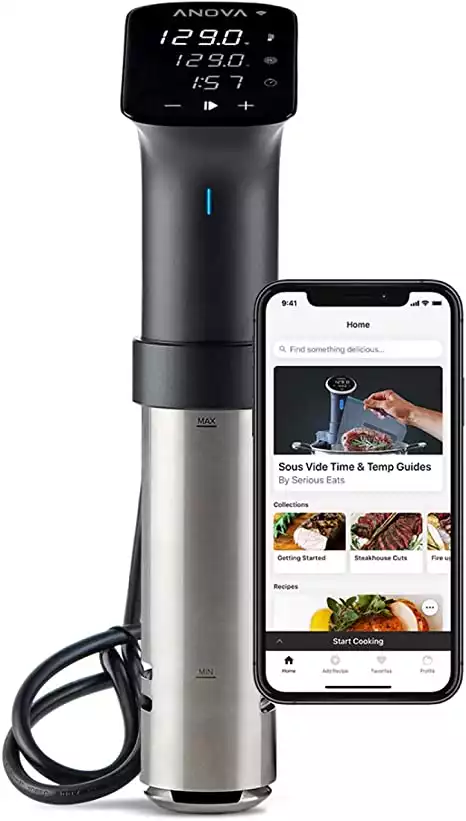
Selecting the right commercial sous vide machine requires a thorough understanding of the technology and its application in a professional setting. Several key factors dictate performance, efficiency, and overall value.
Type of Cooker: Immersion Circulators vs. Other Commercial Options
Immersion circulators stand out as a superior choice for precision cooking in commercial kitchens due to their accuracy, portability, ease of storage, and cost-effectiveness when compared to other specialized appliances.
- Water Ovens: These all-in-one units integrate a water reservoir, heating element, and circulation motor. While offering comparable precision and the convenience of a dedicated appliance, they occupy significant space and offer limited flexibility in terms of water bath size, restricting their utility for diverse cooking tasks.
- Combi-Ovens: These versatile workhorses combine dry heat and steam for a wide array of cooking techniques. While invaluable in a commercial kitchen, they generally lack the pinpoint temperature control of immersion circulators, particularly for low-temperature sous vide applications. Furthermore, their prohibitive cost, starting in the thousands and quickly escalating, places them in a different investment category.
Power, Wattage, and Speed: Driving Performance
The wattage of a sous vide machine directly correlates to its heating speed and the size of the water bath it can effectively manage. Commercial-grade units typically operate within the 1000 to 1200-watt range. Anything below this threshold generally indicates a unit designed for domestic use. Within this power spectrum, small water baths (3-5 gallons) can reach optimal temperature in approximately 15 minutes, while larger baths (up to 8 gallons) may require closer to 30 minutes. Preheating the water can significantly expedite this process. Higher wattage also ensures rapid temperature recovery when cold ingredients are introduced, crucial for maintaining consistent cooking conditions during busy service periods.
Precision: The Cornerstone of Sous Vide

The essence of sous vide cooking lies in its unparalleled precision. Even many consumer-grade units achieve accuracy within ±0.1°F. Any commercial unit falling short of this standard should be approached with caution. Regarding temperature ranges, most immersion circulators offer similar capabilities. Their typical starting point is around 100°F, sufficient for most culinary applications, and they generally reach maximum temperatures of approximately 200°F. Temperatures exceeding this range are more efficiently achieved using conventional boiling water or combi-ovens.
Compatible Containers: Versatile and Readily Available
For sous vide cooking, robust and appropriately sized containers are essential. Commercial food storage boxes, often found in restaurant walk-ins, are ideal. Brands like Cambro offer polycarbonate food boxes in various capacities, perfectly suited for sous vide applications and contributing to overall kitchen organization. The 4.75-gallon (approximately 18-liter) size is a common and effective choice for many tasks. For larger-scale operations or specific menu items, 8-gallon (approximately 30-liter) versions are also available. Smaller, 3-gallon (approximately 11-liter) containers are suitable for more specialized or limited batch cooking.
Controls: Simplicity and Clarity
The control interface on immersion circulators should prioritize simplicity. The primary function is temperature setting, and an easily readable, backlit or LED display is paramount. This ensures that temperature settings are visible at a glance, even in low-light conditions or from a distance. While wireless connectivity and app integration are common features in home models and are present in units like the Anova Pro, their necessity in a commercial setting is secondary. Nevertheless, the convenience of app-based notifications for task completion can be a valuable asset.
The Vacuum Sealer: An Indispensable Sous Vide Companion
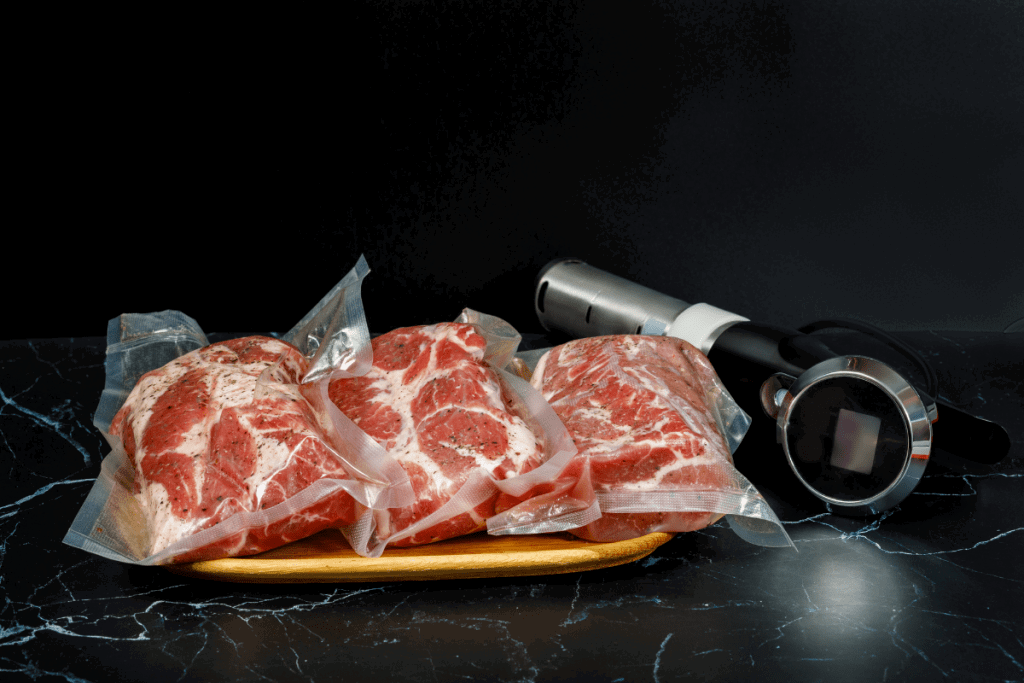
While not an absolute prerequisite for every commercial sous vide application, a vacuum sealer is highly recommended and arguably indispensable for optimal results. It ensures that cooking bags are completely waterproof, preventing any ingress of water that could dilute flavors or compromise food safety. Vacuum sealing also enhances marination efficiency and contributes to greater cooking consistency. Investing in a reliable commercial vacuum sealer is a strategic decision that complements sous vide operations significantly.
Care and Maintenance: Ensuring Longevity
The durability and ease of maintenance of a commercial sous vide immersion circulator are critical for long-term operational success. Regular cleaning and adherence to manufacturer guidelines will ensure years of trouble-free service. The primary maintenance tasks involve cleaning the heating coil and any debris that may accumulate in the circulator pump. Wiping the coil clean after each use is standard practice. For stubborn buildup, running a cooking cycle with a solution of equal parts water and white vinegar is effective. Maintaining a clean water bath, free from extraneous substances, is crucial for the longevity of the water pump. Periodically inspecting the pump for debris and removing it with tweezers or a toothpick will prevent potential malfunctions.
What to Expect to Spend: Investment in Quality
A true commercial-grade immersion circulator represents a significant investment, typically ranging around $1,000. While this may seem substantial, it is often one of the more cost-effective appliances in a professional kitchen when considering its impact on efficiency and quality. For operations with less frequent sous vide usage or those prioritizing budget, the Anova Culinary Sous Vide Precision Cooker Pro offers a compelling alternative at a few hundred dollars, providing impressive performance and accuracy for its price point.
Frequently Asked Questions About Commercial Sous Vide
What is a Commercial Sous Vide Used For?
Commercial sous vide machines find application across a broad spectrum of culinary disciplines, from beverage preparation and savory dishes to pastry. A primary use is the precise cooking and holding of proteins during service, eliminating guesswork regarding doneness and expediting food delivery to the dining room. It is also invaluable for the exact cooking of delicate items like eggs, where minute temperature variations can drastically alter texture.
Commercial vs. Home-Use Sous Vide: Which is Right?
For home use, consumer-grade sous vide machines offer sufficient accuracy and functionality at a fraction of the cost of commercial units. Commercial models primarily differentiate themselves through enhanced durability and construction designed for continuous, heavy-duty operation. Some may also carry specific commercial use and sanitation certifications, which can be a consideration for certain establishments.
What Type and Size of Cooking Vessel Will I Need?
As mentioned, commercial food storage boxes, such as the 4.5-gallon (approximately 17-liter) Cambro food boxes, are exceptionally well-suited for most sous vide applications. While larger pots can be utilized, these specialized containers offer a more streamlined and organized setup. For larger items like 3-pound bone-in pork chops, 8-gallon (approximately 30-liter) models may be necessary.
Cost Economy and Value Add in a Commercial Kitchen
The value proposition of sous vide cooking in a commercial kitchen is substantial. Its inherent precision leads to unparalleled consistency, minimizing over- and under-cooking, thereby reducing food waste and improving profitability. Furthermore, sous vide cooking frees up valuable stovetop and oven space, alleviating pressure during peak service times. In kitchens that fully embrace sous vide, a noticeable reduction in competition for cooking resources is often observed.
Power Supply Interruption: What Happens?
Many advanced commercial circulators, including the PolyScience Chef and the Anova Pro, incorporate an auto-restart feature. This crucial function ensures that if a power interruption occurs, the machine will automatically resume cooking at the last set temperature once power is restored. This provides significant peace of mind, particularly for multi-day cooking processes when constant supervision may not be feasible.
My Recommendation: Strategic Investment for Culinary Advancement
Incorporating a commercial sous vide machine into your operation is a strategic decision that promises both financial savings and enhanced culinary precision.
The PolyScience Creative Series immersion circulator stands as a testament to proven durability and accuracy in the demanding professional culinary landscape. While its initial cost is higher, its long-term reliability and superior performance render it a sound investment, especially when compared to the expense of other commercial kitchen appliances.
For smaller operations, establishments with less frequent sous vide requirements, or those prioritizing budget, the Anova Culinary Sous Vide Precision Cooker Pro presents an excellent, more affordable alternative. It delivers impressively accurate and powerful cooking capabilities that can significantly benefit a range of culinary endeavors.
Regardless of the chosen circulator, the selection of appropriately sized containers for the water bath is essential. Additionally, incorporating a wire rack within the setup can further optimize water circulation and food placement, contributing to even cooking results. This investment in precision cooking technology is not merely an upgrade; it is a fundamental step towards achieving new heights of culinary excellence and operational efficiency.