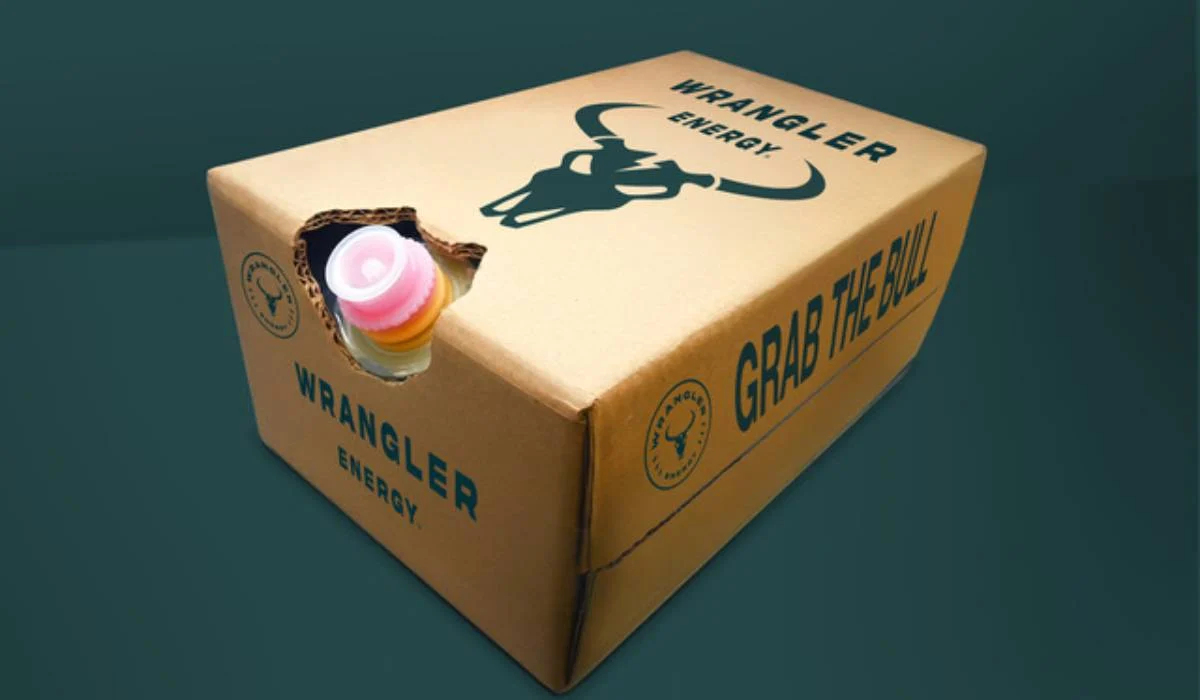

The foodservice landscape is undergoing a significant transformation as Heartland Food Products Group announces the launch of Wrangler Energy in a Bag-In-Box (BIB) format, specifically designed for fountain systems. This strategic move aims to provide restaurant operators, bar owners, and hospitality managers with a high-margin, convenient alternative to traditional canned energy drinks. As the beverage industry pivots toward functional and customizable options, the introduction of a fountain-poured energy drink represents a shift in how energy beverages are distributed and consumed within the "away-from-home" sector. By offering a product that contains 80 mg of caffeine and a blend of essential B vitamins, Heartland is positioning Wrangler Energy as a versatile tool for operators looking to capitalize on the burgeoning demand for functional refreshment.
The timing of this launch is aligned with aggressive growth projections for the energy drink category. According to recent data from industry research firm Datassential, the energy drink segment is expected to grow by 33 percent over the next four years. This trajectory suggests that energy drinks are no longer a niche product found primarily in convenience store coolers but are becoming a staple of the broader American diet. For foodservice operators, the transition from stocking individual cans to utilizing a centralized fountain system offers numerous operational efficiencies, including reduced storage requirements, simplified inventory management, and a significant reduction in packaging waste.
The Evolution of the Energy Beverage Market
To understand the significance of Wrangler Energy’s move into the fountain space, one must look at the historical trajectory of the energy drink market. Since the late 1990s, the category has been dominated by premium-priced cans. Brands like Red Bull and Monster established a retail-first model that relied on high visibility in refrigerated glass cases. However, as energy drinks moved into the mainstream, consumers began seeking these beverages in a wider variety of environments, including quick-service restaurants (QSRs), casual dining establishments, and bars.
The "fountainization" of energy drinks is the logical next step in this evolution. Historically, foodservice operators faced a dilemma: they could either sell expensive cans, which often carried lower margins and required significant refrigeration space, or they could forgo the category entirely. The Bag-In-Box system, which is the industry standard for sodas like cola and lemon-lime, allows for a much higher profit margin per ounce. By integrating Wrangler Energy into existing fountain infrastructure, Heartland is enabling operators to offer the product at a price point that is attractive to consumers while remaining highly lucrative for the business.
Technical Specifications and Nutritional Profile
Wrangler Energy has been formulated to meet the specific sensory and functional expectations of the modern energy drink consumer. Each serving is loaded with 80 mg of caffeine, a dosage that aligns with the industry standard for an 8.4-ounce serving, providing a predictable and effective energy boost. In addition to caffeine, the formula is enriched with a complex of B vitamins, which are commonly associated with metabolic support and cognitive clarity.
The versatility of the BIB format extends beyond a simple glass of energy drink. The flavor profile of Wrangler Energy has been engineered to serve as a neutral yet invigorating base for a variety of mixed beverages. In the growing "mocktail" movement, where consumers seek sophisticated non-alcoholic options that offer more than just sugar, an energy-based mixer provides a functional "kick." Conversely, in the bar and nightlife sector, the product serves as a streamlined solution for high-volume cocktails, such as the ubiquitous energy-and-vodka pairings, eliminating the need for bartenders to open and discard multiple cans during a busy shift.
Operational Impact and Economic Benefits for Foodservice
For the modern restaurant operator, efficiency is the primary driver of profitability. The introduction of Wrangler Energy via a BIB system addresses several pain points currently facing the industry.
Waste Reduction and Sustainability
Traditional canned beverages generate a significant amount of aluminum and plastic waste. In a high-volume environment, the disposal of hundreds of cans daily adds to a facility’s waste management costs and contradicts corporate sustainability goals. A single Bag-In-Box container can replace dozens of cases of cans, significantly lowering the carbon footprint associated with shipping, storage, and disposal.
Inventory and Storage Optimization
Space is at a premium in most commercial kitchens and bar areas. Storing cases of energy drinks takes up valuable real estate in walk-in coolers. The BIB system utilizes a concentrated syrup that is mixed with filtered water and carbonation at the point of dispense. This allows an operator to store the equivalent of hundreds of servings in a small, shelf-stable cardboard box, freeing up refrigeration space for perishable food items.
Margin Enhancement
The cost-of-goods-sold (COGS) for fountain beverages is notoriously low compared to bottled or canned counterparts. By switching to a fountain-delivered energy drink, operators can see a dramatic improvement in their beverage margins. This is particularly crucial in an era of rising labor costs and food inflation, where high-margin beverage programs often subsidize the lower margins of the food menu.
Analyzing the 33 Percent Growth Projection
The Datassential projection of 33 percent growth by 2026-2027 is rooted in several demographic and behavioral shifts. Generation Z and Millennials, who now make up a plurality of the workforce and consumer base, have shown a distinct preference for functional beverages over traditional carbonated soft drinks. For these cohorts, an energy drink is often a replacement for a second cup of coffee or a mid-afternoon snack.
Furthermore, the "blurring of the lines" between beverage categories has contributed to this growth. We are seeing the rise of "dirty sodas" and customized beverage bars where consumers add flavors, creams, and functional "shots" to their drinks. Wrangler Energy’s availability in a fountain format allows operators to participate in this trend by offering "energy upgrades" to standard fountain drinks, a move that increases the average check size.
Strategic Responses and Industry Implications
While Heartland Food Products Group has been a leader in the "away-from-home" sector through its other brands, the aggressive push into the energy segment with Wrangler suggests a broader corporate strategy to challenge the dominance of established beverage giants. By focusing on the fountain delivery system, Heartland is targeting the infrastructure of the foodservice industry rather than the crowded shelves of the grocery store.
Industry analysts suggest that this move may force other major energy drink players to reconsider their distribution models. If more national restaurant chains adopt fountain energy drinks to save costs and increase speed of service, the traditional "can-only" model may become a liability in the B2B space.
"The demand for energy is constant, but the delivery method is ripe for disruption," says one beverage industry consultant. "Operators are tired of the logistical headaches of cans. If you can provide the same flavor and functional effect through the gun or the fountain head, it’s an easy win for the house."
Chronology of the Energy-Fountain Integration
The journey toward fountain-integrated energy drinks has been gradual but persistent:
- Early 2000s: Energy drinks are strictly a retail product, sold in 8.4oz or 16oz cans.
- 2010-2015: Large QSR chains begin experimenting with "energy infusions" using bottled syrups added to sodas.
- 2018-2022: The rise of specialized beverage shops (e.g., Dutch Bros, Swig) proves that consumers will pay a premium for customized, energy-based drinks prepared on-site.
- 2023-2024: Heartland identifies a gap in the market for a high-quality, standardized BIB energy drink for general foodservice use.
- Present: The launch of Wrangler Energy in BIB format, supported by the 33% growth forecast, marks the mainstreaming of energy drinks as a foundational fountain category alongside cola, tea, and lemon-lime.
Conclusion and Future Outlook
As the foodservice industry continues to recover and evolve in the post-pandemic era, the focus has shifted toward maximizing the value of every customer visit. Wrangler Energy’s entry into the fountain beverage market provides a timely solution for operators who need to balance consumer demand for functional beverages with the practical realities of running a profitable business.
The projected 33 percent growth in the category indicates that the appetite for energy drinks is far from reaching a plateau. By providing a product that is rich in B vitamins and caffeine, and delivering it through a convenient, high-margin BIB system, Heartland Food Products Group is not just launching a new product; it is providing a roadmap for the future of the beverage station. As more operators request samples and integrate Wrangler Energy into their menus, the presence of the "energy" tab on the soda fountain may soon become as common as the "cola" button, signifying a new era in the American beverage landscape.
For now, the move represents a "first-mover" advantage for those foodservice providers willing to adapt to the changing tastes of a caffeinated public. With the ease of the Bag-In-Box system and the backing of strong market data, Wrangler Energy is poised to become a staple in the high-paced world of foodservice refreshments.