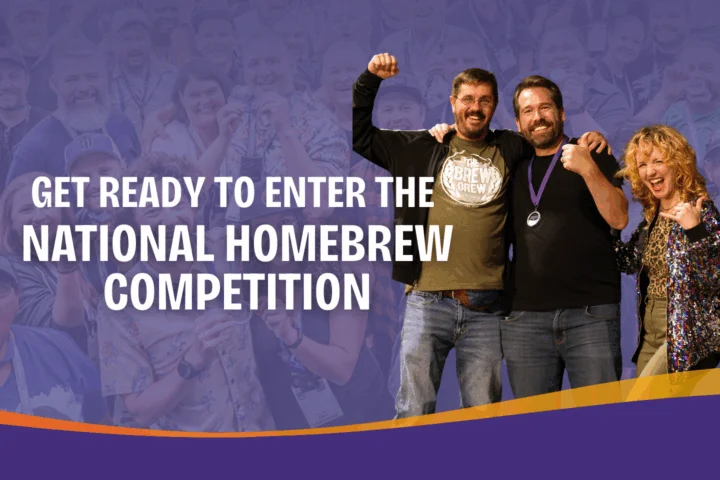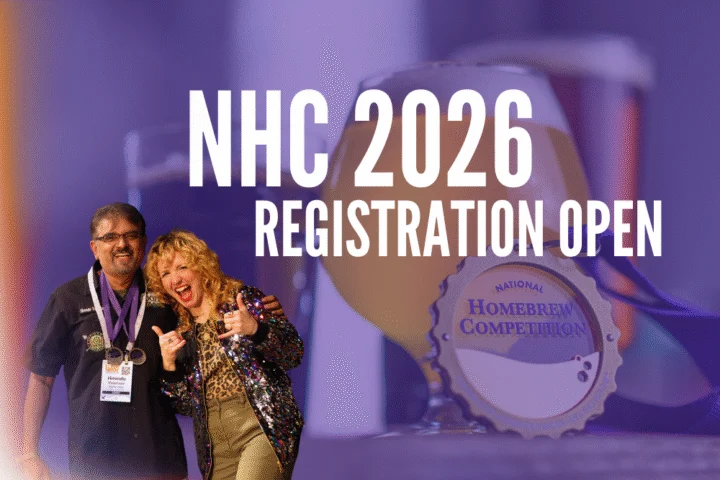

The American Homebrewers Association (AHA) has officially announced the opening of registration for the 2026 National Homebrew Competition (NHC), a milestone event that signifies the 48th year of the world’s most prestigious amateur brewing contest. Since its inception in 1979, the NHC has served as the definitive platform for hobbyist brewers to showcase their technical skills and creativity. With over 170,000 entries judged across its nearly five-decade history, the competition remains the largest of its kind globally, drawing participation from beer, cider, and mead makers seeking professional-level validation and the chance to secure a gold medal.
The 2026 edition continues the tradition of rigorous evaluation, supported by the Beer Judge Certification Program (BJCP). Registration is scheduled to remain open until February 25, 2026, at 8:00 AM MT. This year’s competition structure involves a multi-tiered judging process designed to filter the highest quality entries through regional rounds before concluding with a grand finale at Homebrew Con in Asheville, North Carolina.
Historical Context and the Legacy of the NHC
The National Homebrew Competition is more than a mere contest; it is a historical pillar of the craft beer movement in the United States. Founded just one year after President Jimmy Carter signed H.R. 1337—the legislation that legalized homebrewing at the federal level—the NHC has grown in tandem with the American craft beer revolution. Many of the industry’s most celebrated professional brewers began their careers as NHC entrants, using the competition’s feedback to refine recipes that would eventually launch commercial empires.
The competition is organized by the American Homebrewers Association, a division of the Brewers Association, which represents the interests of small and independent craft brewers. By maintaining a partnership with the BJCP, the NHC ensures that every entry is evaluated by trained sensory experts who provide detailed, objective feedback. This educational component has historically been a primary driver for participation, as brewers receive comprehensive scoresheets that analyze aroma, appearance, flavor, mouthfeel, and overall technical execution.
Comprehensive Competition Structure and Timeline
The 2026 competition is structured into two primary phases: the First Round regional judging and the Final Round. This year, the AHA has organized nine distinct First Round judging sites across the United States. A critical logistical update for 2026 is that brewers are not restricted to their closest geographical site; they may select any of the nine locations based on preference or availability, provided the site has not reached its capacity.
Each regional site is capped at 750 entries to ensure that judges can maintain a high standard of evaluation without sensory fatigue. This entry cap necessitates a "first-come, first-served" approach to registration, urging competitors to secure their spots well ahead of the February deadline.
The timeline for the 2026 competition is as follows:
- February 25, 2026: Registration closes at 8:00 AM MT.
- Spring 2026: First Round judging takes place at nine regional sites.
- May 1, 2026: Notification deadline for entrants advancing to the Final Round.
- June 2026: Final Round judging and the National Homebrew Competition Awards Ceremony held during Homebrew Con in Asheville, North Carolina.
The culmination of the event at Homebrew Con in Asheville is particularly significant. Known as "Beer City, USA," Asheville provides a backdrop of a thriving professional brewing scene, offering a symbolic bridge between the amateur competitors and the commercial industry.
Technical Evaluation and Judging Standards
The integrity of the NHC rests upon its judging panel, which comprises some of the most qualified sensory analysts in the world. This includes Master and National-level BJCP judges, Certified Cicerones®, and seasoned members of the brewing community. The evaluation process is blind, meaning judges have no knowledge of the brewer’s identity, ensuring that awards are granted solely on the merit of the liquid in the glass.
Entries are categorized according to the BJCP Style Guidelines, which provide a rigorous framework for what constitutes a world-class example of a specific style, whether it be a traditional German Pilsner, a complex Belgian Dubbel, or an experimental fruit-infused mead. For the 2026 competition, the AHA continues to utilize the Brewing Application Portal (BAP), a digital platform that streamlines the submission of entries and the distribution of scoresheets.
One of the most valuable aspects for participants is the advancement system. Only the top three entries—Bronze, Silver, and Gold—in each category at the regional level advance to the Final Round. This "best-of-the-best" approach ensures that the final judging table features only the most technically proficient and stylistically accurate brews from across the country.
Industry Impact and the Role of the AHA
The National Homebrew Competition serves as a vital talent pipeline for the broader beverage industry. While the competition is open only to AHA members, this requirement fosters a dedicated community of enthusiasts who are invested in the advancement of brewing science. The AHA provides its members with resources ranging from legislative advocacy to technical journals like Zymurgy, and the NHC is the annual highlight of these efforts.
The economic implications of homebrewing are substantial. The hobby supports a secondary market of equipment manufacturers, ingredient suppliers, and local homebrew shops. By hosting a competition of this scale, the AHA stimulates interest in these sectors. Furthermore, the feedback provided during the NHC often leads to the professionalization of hobbyists. It is estimated that a significant percentage of the over 9,000 craft breweries currently operating in the U.S. were founded by individuals who once competed in the NHC.
Logistics and Participation Requirements
To participate in the 2026 NHC, individuals must hold a current membership with the American Homebrewers Association. The registration process involves submitting entry details through the BAP and adhering to strict shipping and drop-off windows, which vary by regional site.
The AHA has also emphasized the importance of community engagement leading up to the event. On February 3, 2026, the competition’s Chair and Deputy Chair will host a Q&A session on the AHA forum to address technical questions regarding entry requirements, shipping logistics, and style classifications. This level of transparency is intended to lower the barrier to entry for first-time competitors while maintaining the high standards expected by veterans of the circuit.
Asheville as the 2026 Host City
The selection of Asheville, North Carolina, as the site for the Final Round and Homebrew Con is a strategic move that aligns the competition with one of the most vibrant brewing hubs in the United States. Asheville’s high density of breweries per capita and its culture of craft appreciation make it an ideal location for the "eleven events" that constitute the full NHC and Homebrew Con experience.
Participants who advance to the Final Round will have their entries judged in a city that celebrates brewing innovation. The awards ceremony, traditionally a high-energy event, serves as the "Oscars of Homebrewing," where the Homebrewer of the Year, Cidermaker of the Year, and Meadmaker of the Year are crowned. These titles carry immense weight within the community and often lead to collaborations with professional breweries.
Analysis of Trends in Amateur Brewing
As the NHC enters its 48th year, the types of entries submitted reflect broader shifts in consumer tastes and brewing technology. In recent years, there has been a marked increase in the quality and quantity of non-traditional entries, including hazy IPAs, pastry stouts, and complex wild ales. The 2026 competition is expected to continue this trend, alongside a resurgence in traditional lager styles that require precise temperature control and technical discipline—areas where homebrewers have made significant strides thanks to modern home-fermentation equipment.
The inclusion of cider and mead categories also highlights the diversity of the fermentation hobby. These categories have seen steady growth as makers explore local honey varieties and heirloom apple cultivars, often bridging the gap between winemaking and brewing.
Conclusion and Call to Action
The 2026 National Homebrew Competition stands as a testament to the enduring appeal of craft fermentation. By providing a structured, professional, and highly competitive environment, the AHA and BJCP continue to elevate the hobby to an art form. For the thousands of brewers preparing their kettles and fermenters, the road to Asheville begins with the registration window that is now officially open.
As the February 25 deadline approaches, the brewing community is expected to reach the 750-entry cap across several regional sites quickly. Prospective entrants are encouraged to finalize their recipes and secure their registration to ensure their place in the 48th chapter of homebrewing history. With nearly half a century of tradition behind it, the NHC remains the ultimate proving ground for those who seek to turn water, malt, hops, and yeast into award-winning excellence.