
The journey from a home baker’s wish for a larger oven to the active pursuit of one is a well-trodden path, often marked by an escalating passion for dough and an increasing volume of loaves. For many, this transition signifies a natural evolution, a move towards greater efficiency and the ability to explore the finer nuances of baking—flavor, fermentation, handling, and shaping. This guide delves into the practicalities of scaling up home bread production, focusing specifically on the Rofco bread oven, a Belgian-made brick oven that has become a pivotal tool for bakers seeking to expand their capabilities. The Rofco oven, with its robust construction and excellent heat retention, offers a viable solution for those venturing into larger batch baking, whether for personal enjoyment, small-scale community sales, or the nascent stages of a micro-bakery.
The author’s personal experience highlights this evolution. The initial desire for an oven capable of baking six loaves at a time, while modest by commercial standards, represents a significant leap for a home kitchen. This yearning for increased capacity is not about diminishing the quality of smaller batches, but rather about optimizing the process. Having the right tools, such as a Rofco oven, allows bakers to dedicate more attention to the creative and technical aspects of bread making, rather than being constrained by oven size. This shift often stems from a gradual, yet persistent, increase in baking obsession, leading some to consider more ambitious ventures like farmer’s market stalls or even full-fledged nano or micro-bakeries. This comprehensive guide aims to consolidate the essential knowledge for navigating this transition, covering the tools, optimal times, temperatures, and other critical tips derived from hands-on experience with the Rofco bread oven. It serves as a resource for those contemplating the purchase of a Rofco, offering insights into its operation and the development of a personalized baking process.
Understanding the Rofco Bread Oven: A Belgian Workhorse
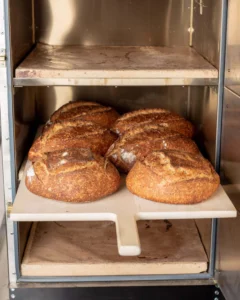
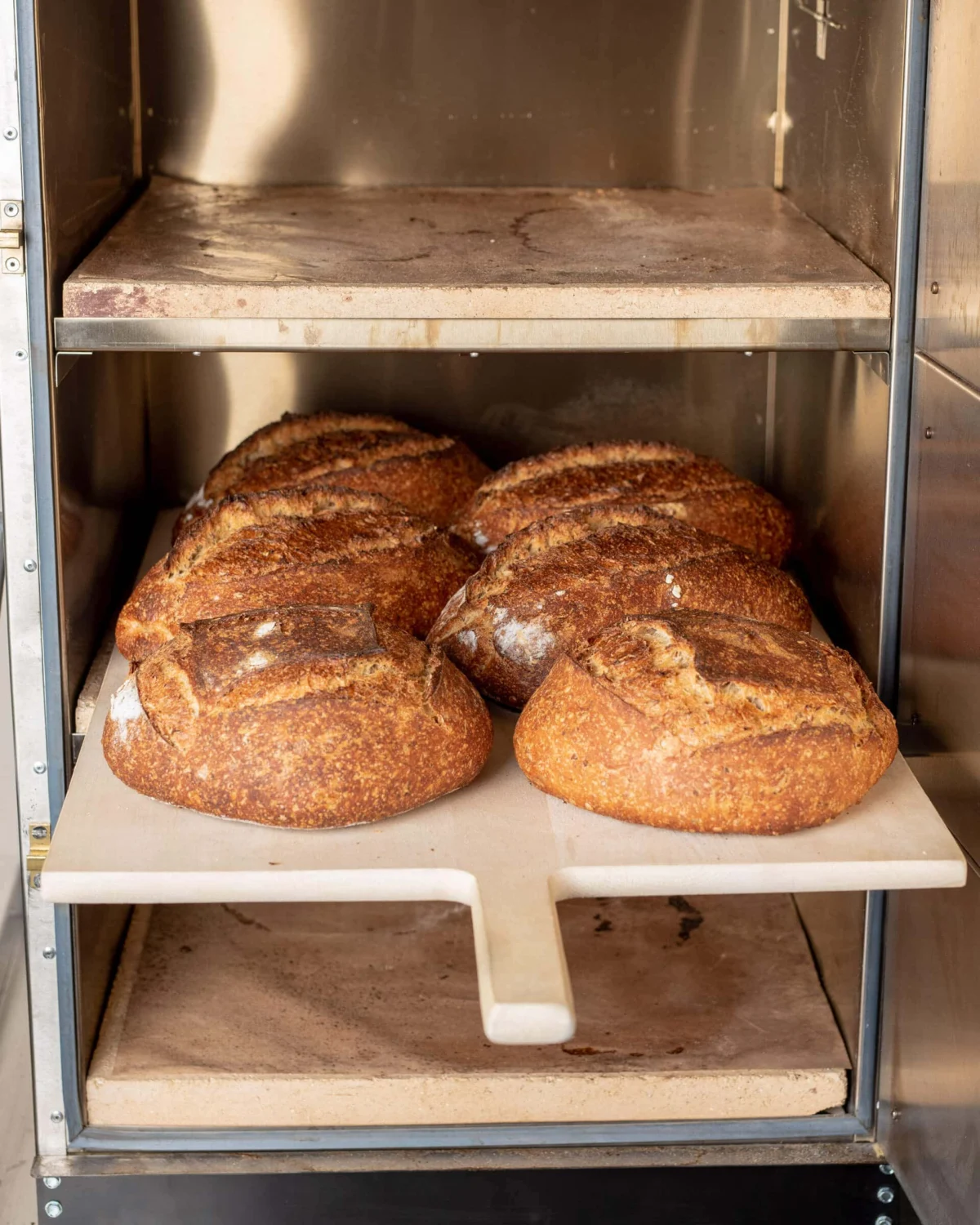
The Rofco bread oven is a testament to functional design, originating from Belgium and specifically engineered for baking bread. Available in various configurations, the B40 model, which features three expansive square baking decks, represents the largest offering in the Rofco lineup. Its construction is characterized by its no-nonsense simplicity and a meticulously sealed oven chamber. A key advantage of the Rofco is its minimal external heat radiation, allowing for placement in close proximity to walls or other appliances, a practical consideration for many home kitchens. The oven’s three chamotte deck stones, each 1-3/8 inches thick, are designed to retain substantial heat. This thermal mass is crucial for maintaining consistent baking temperatures, even after the oven door is opened for loading dough. The Rofco’s ability to hold heat for extended periods makes it exceptionally well-suited for consecutive baking sessions, with only brief recovery times needed between batches.
Operationally, the Rofco oven utilizes standard 220V AC single-phase power, a common electrical requirement in many households, typically requiring a 6-20P plug and a 6-20R receptacle. For those without an existing compatible outlet, the installation of a dedicated receptacle and breaker by a qualified electrician is a necessary preparatory step. The author recounts such an installation, emphasizing the importance of ensuring adequate electrical infrastructure for the oven.
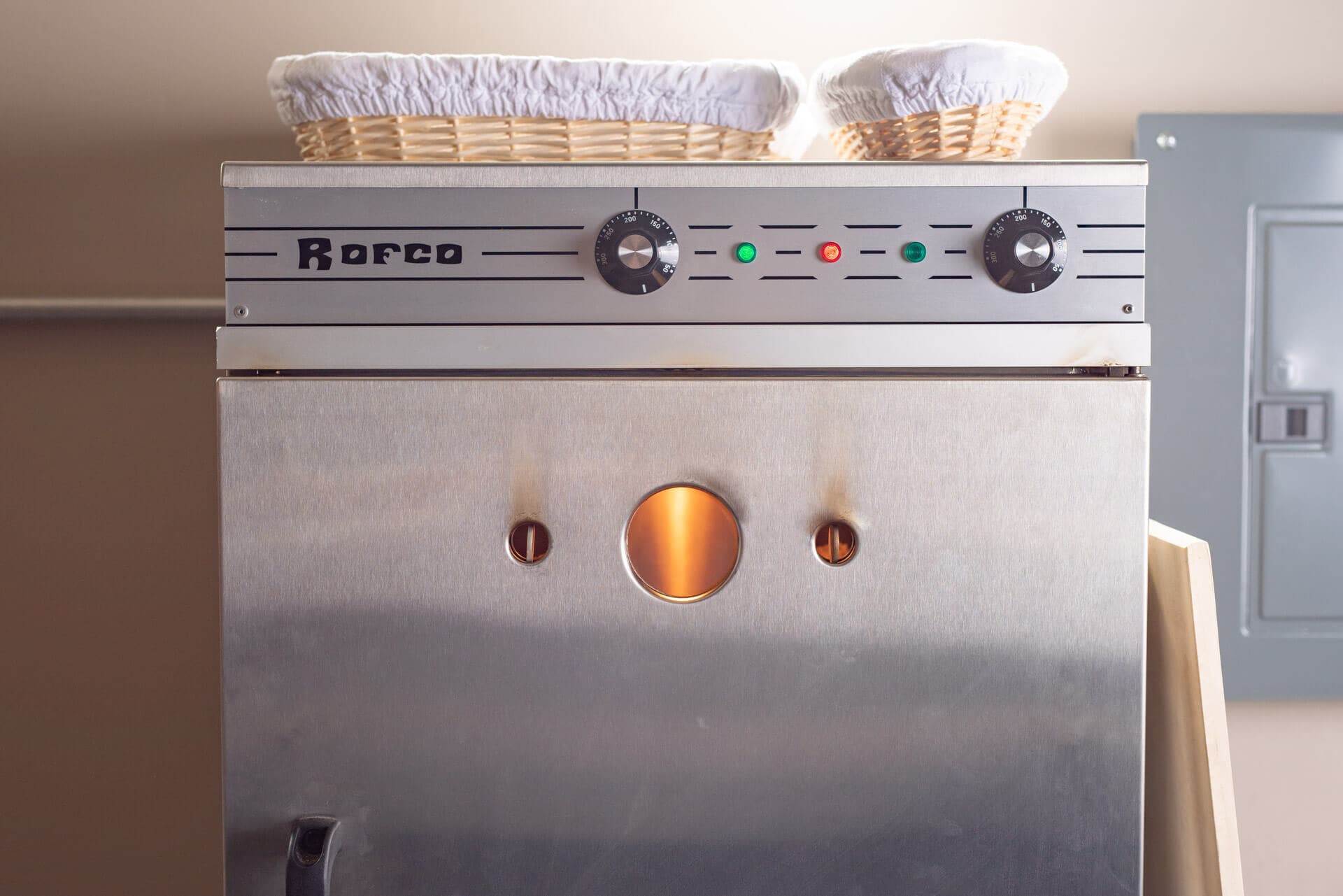
The Rofco B40, in particular, offers significant capacity. While capable of accommodating large-scale batches for events, it is also efficiently utilized for baking batches of 4 to 6 loaves on a regular basis. Its straightforward design and reliable performance have earned it the moniker of a "bare-bones workhorse," fulfilling essential baking needs with unwavering consistency. The author notes their purchase experience with Pleasant Hill Grain in the US, commending their exceptional customer service and responsiveness to inquiries, even regarding minor equipment issues. While a discount was received from the vendor, the insights provided in this guide are presented independently and without vendor influence.
Recommendation: The Rofco Bread Oven
To address a common query directly: yes, the Rofco bread oven is highly recommended. It stands out as an exceptional appliance for any baker looking to transcend the limitations of producing just two loaves at a time in a conventional home oven. Its elegant simplicity, the ease with which its components can be repaired, and its consistent baking performance make it an outstanding choice for both dedicated home bakers and emerging professionals. The Rofco oven represents a significant upgrade in capability and efficiency for those serious about their bread-making endeavors.
Optimizing Dough Placement on the Decks: A Spatial Puzzle
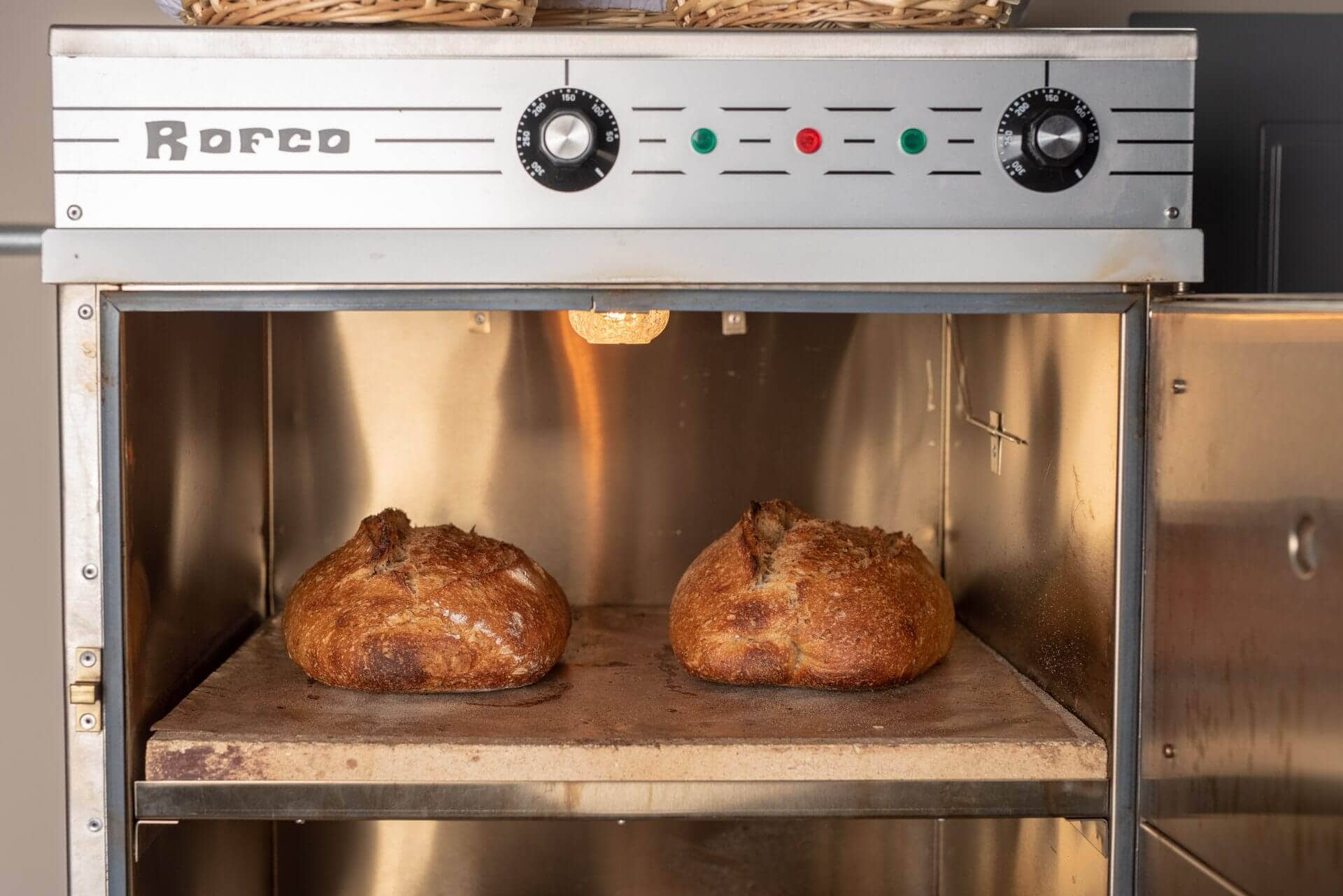
Maximizing the baking capacity of the Rofco oven involves a strategic approach to dough placement, akin to a real-life game of Tetris. The goal is to fit the largest possible quantity of dough without compromising the quality of the bake, ensuring even heat distribution and adequate space for oven spring. While the author acknowledges not having extensively tested the absolute limits of dough capacity, they provide common arrangements used in their home baking practice, with the configuration of two 900g batards per deck being the most frequent.
The Rofco B40 decks measure 18.9 inches by 18.9 inches. For illustrative purposes, the diagrams depict oval shapes representing the author’s typical batard shape and circular shapes for boules. The top edge of each diagram corresponds to the back of the oven, and the bottom edge to the front where the door is located.
- Configuration 1: 2 x 900g Batards per Deck
This arrangement typically involves placing two elongated loaves towards the front and back of each deck, allowing ample space for expansion. - Configuration 2: 2 x 800g Boules per Deck
For round loaves, two 800g boules can be positioned on each deck, with sufficient clearance between them and the oven walls. - Configuration 3: 4 x 700g Loaves per Deck
This configuration maximizes the number of loaves, fitting four smaller 700g loaves on each deck. This might involve a combination of shapes, such as two batards and two boules, or four of a single shape, strategically placed to ensure even baking.
Beyond whole loaves, the Rofco’s square steel trays, which are often included, offer versatility. These trays are ideal for baking smaller items such as buns, rolls, or even large square pizzas. Their use is particularly beneficial when baking a variety of goods, as they simplify the transfer of multiple small items into and out of the oven and help contain any spills.
Mastering Steam Generation in the Rofco Oven
Effective steaming at the commencement of the baking process is paramount for achieving optimal oven spring and a desirable crust on bread. The Rofco oven’s sealed chamber design is a significant asset in this regard, as it effectively traps steam until the vents are opened. However, unlike some professional ovens, the Rofco does not feature an integrated steam injection system. Bakers must therefore employ manual methods to introduce steam.
For those seeking to understand the fundamentals of steam in baking, prior reading on "How to Steam a Home Oven for Bread Baking" is highly recommended, as the principles are similar.
High-Pressure Sprayer Method
The author’s preferred method for generating steam involves a commercial-grade pressure sprayer. The key is to set the nozzle to produce the finest mist possible. Before loading the dough, the sprayer is filled with water and pressurized. Starting with the bottom deck, a thorough spray is applied for approximately 10 to 12 seconds, ensuring coverage around the baking surface. This process is then repeated for the middle and top decks. A word of caution is necessary when spraying the top deck: avoid directing the mist onto the oven’s glass-enclosed light fixture, as rapid temperature changes can cause the glass to crack. After the initial spray, a second application is recommended just before fully closing the oven door, ensuring maximum steam saturation.
To vent the steam, the oven door is carefully opened – allowing the initial rush of steam to dissipate before fully entering the oven—and then tilted to its partially open position. The circular vents on the door are then swiveled to their open position, facilitating the controlled release of steam.
Steam Pods: An Alternative Approach
Rofco offers optional rectangular steel steam pods designed to be preheated within the oven. When steaming is required, water or ice cubes are poured into these pods, and the oven door is immediately closed. The heat from the pods rapidly converts the liquid into steam, filling the oven chamber. While effective in generating steam, these pods occupy valuable space on each deck, a factor that can be limiting when maximizing loaf capacity. The author has tested these pods and finds them to be a viable option, but ultimately prefers the space efficiency of the pressure sprayer method. Once the water has evaporated from the pods, steam is vented by opening the circular vents on the door.

The Rofco Baking Process: A Step-by-Step Guide
The author emphasizes that the baking process in a Rofco oven is continually refined, with ongoing adjustments to times, temperatures, and procedural details. While different dough formulations may necessitate variations, the following outline represents a robust and reliable process for most bread recipes.
The Rofco oven is equipped with two control knobs: the left controls the top heating element, and the right controls the bottom heating element. Indicator lights illuminate when each respective element is active.
Preheating the Oven:
To initiate the baking process, ensure the oven is empty. The author specifically advises against leaving silicone baking mats inside during preheating. Both the left and right control knobs are set to 240°C (482°F). A preheating duration of 1.5 hours is recommended to ensure the deck stones are thoroughly saturated with heat.
Loading the Dough:
Once preheated, the process of loading the dough begins. A large wooden pizza peel is placed on a table adjacent to the oven. A silicone baking sheet is laid on top of the peel, with additional sheets arranged in an assembly line nearby. The prepared dough, turned out onto the silicone sheets and scored, is then transferred to the oven. The sheet on the peel is slid into the oven first. The peel is then used to support the next sheet, and this process continues until all decks are loaded.
The Baking Sequence:

| Step | Temperature (°C) | Duration |
|---|---|---|
| 1. Preheat oven (door closed, vents closed) | 240 | 1 hour 30 mins |
| 2. Bake with steam | 150 | 20 minutes |
| 3. Vent steam (briefly open door, swivel vents to open position) | 220 | 10 minutes |
| 4. Bake (reshuffle loaves for even browning, if necessary) | 150 | 20-30 minutes |
Upon completion of the baking cycle, the loaves and silicone sheets are removed from the oven using the pizza peel and placed on wire racks to cool. The oven is then either turned off or reheated to 240°C if further baking is planned. The oven door is then closed.
Essential Tools for Rofco Oven Baking
Several key tools significantly enhance the experience and efficiency of baking with a Rofco oven.
Commercial-Strength Sprayer for Steam
For bakers who opt against the steam pods, a high-quality sprayer is indispensable. The author specifically recommends the Electric Spray Bottle, noting its compact size and ability to deliver a substantial volume of fine mist with a single button press. This surpasses the performance of previous hand-pump sprayers, offering greater control and ease of use.
Oven Equipment Stand
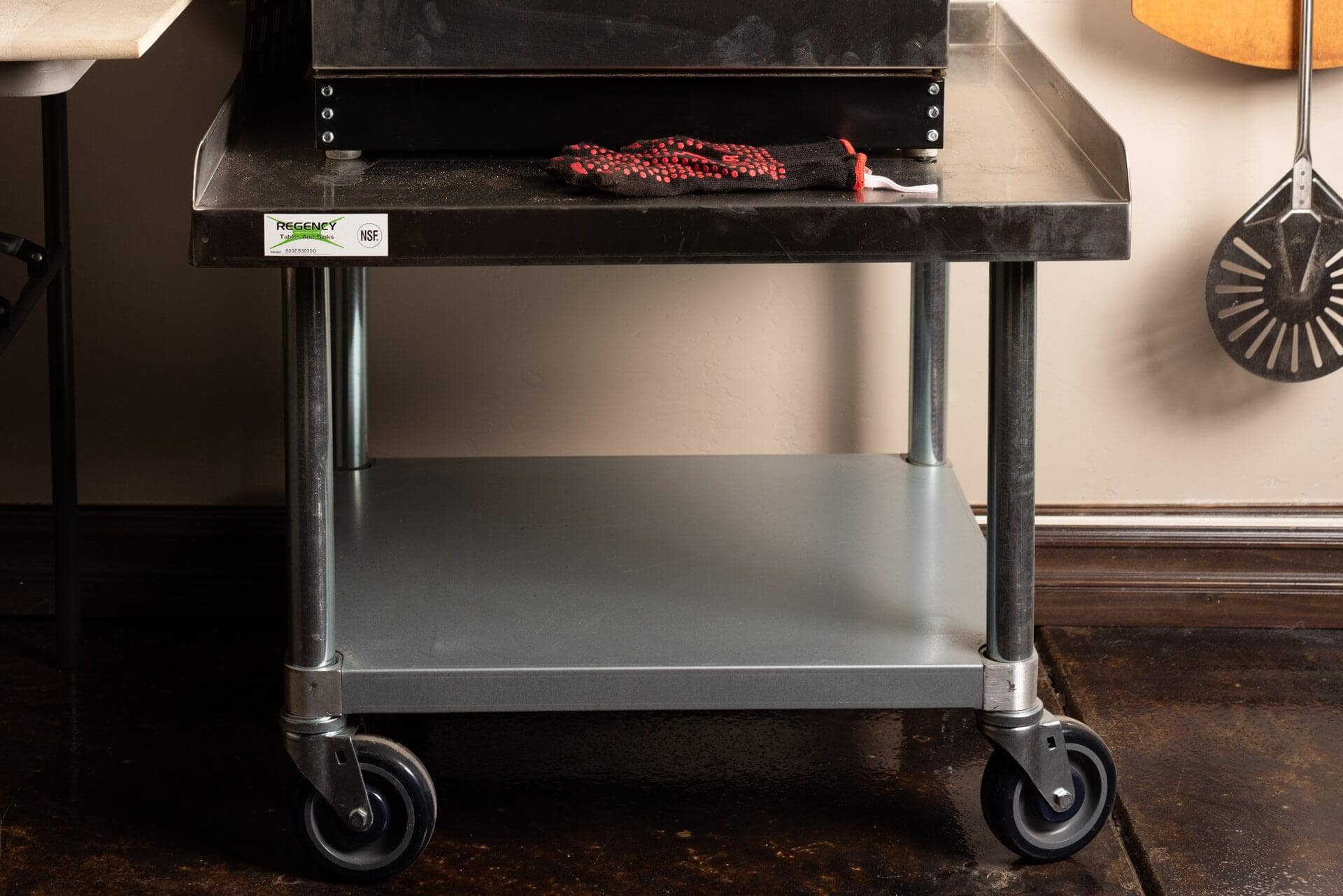
Elevating the Rofco oven to a more ergonomic height is crucial for comfortable loading and unloading. The author utilizes a custom-cut stainless steel equipment stand from WebstaurantStore. The Regency 30" x 30" 16-gauge stand, with legs cut to 18 inches, provides a stable platform. The addition of locking casters, while slightly impacting overall rigidity, offers the convenience of mobility should the oven need to be relocated. It is advisable to ensure precise leg measurements if casters are omitted to achieve the desired working height.
Large Wooden Peel
A substantial wooden pizza peel is a critical implement for safely and efficiently transferring dough into and out of the Rofco oven. The author found their initial approach of using inverted steel trays to be cumbersome. A large wooden peel, specifically an American Metalcraft 1836 measuring 18" x 29 1/2" with an 18" wide surface, proved to be an ideal fit for the Rofco B40’s 18.9" wide decks. Its size allows for easy maneuverability, and its lightweight yet durable construction makes it a reliable tool for daily baking operations.
Advanced Tips and Tricks for Rofco Oven Baking
Beyond the core operational procedures, several practical tips can further optimize the Rofco baking experience.
Drying Proofing Baskets (Bannetons)
A clever post-baking utilization of the Rofco’s residual heat involves drying proofing baskets. After unloading the dough, placing damp proofing baskets inside the still-warm oven can significantly expedite the drying process. This prevents moisture from accumulating in the fabric liners, thus mitigating the risk of mold growth and ensuring the baskets are ready for their next use promptly.
Continued Learning and Equipment Exploration
The author advises new Rofco users to anticipate a slight learning curve as they adapt to the oven’s unique characteristics. Starting with a straightforward sourdough recipe and practicing it consistently is recommended for mastering the new process. For those considering a Rofco purchase, Pleasant Hill Grain is highlighted for their excellent service.
For bakers looking to further enhance their production capabilities, exploring other professional-grade equipment is a logical next step. The Famag spiral dough mixer, capable of handling substantial dough batches, and the Ooni Halo Pro Spiral Mixer, suitable for smaller test batches and micro-bakeries, are presented as valuable additions to a serious baker’s arsenal. For those seeking even greater oven capacity, the RackMaster 2020 Bread Oven, with its larger deck dimensions, offers a significant increase in baking volume.
The Rofco bread oven represents a significant step for home bakers aiming to increase their production capacity. Its robust design, efficient heat retention, and straightforward operation make it an invaluable tool for achieving consistent, high-quality results. By understanding its capabilities and implementing optimized techniques for dough placement, steaming, and baking, bakers can unlock their full potential and elevate their bread-making endeavors.