
The upscale plant-based restaurant group PLANTA has officially concluded its operations in Toronto, marking a significant retreat from the city where the brand was founded nearly a decade ago. This decision, announced in May 2026, follows a tumultuous year of financial restructuring under bankruptcy protection. The closure of the Yorkville and Queen West locations signals a definitive pivot for the company, which now aims to stabilize its remaining footprint by focusing exclusively on its highest-performing markets in the United States.
The move effectively ends an era for the hospitality group, which first launched in 2016 with the goal of redefining vegan dining as a vibrant, high-end experience. While the brand once boasted an ambitious international portfolio, the combination of aggressive pre-pandemic expansion, shifting consumer spending habits, and the lingering effects of high-interest debt forced a dramatic reduction in its physical footprint.
A Legacy Interrupted: From Toronto Roots to U.S. Ambitions
PLANTA was established through a partnership between Steven Salm, CEO of Chase Hospitality Group, and internationally acclaimed Chef David Lee. The flagship location in Toronto’s Yorkville neighborhood quickly became a culinary landmark, proving that plant-based cuisine could thrive in a luxury setting. By utilizing innovative techniques to transform vegetables into sophisticated analogues—such as using watermelon to mimic ahi tuna or carrots to replicate smoked salmon—PLANTA successfully attracted a diverse clientele that extended beyond the traditional vegan demographic.
In a statement released on the company’s website following the Toronto closures, the brand expressed a mix of gratitude and pragmatic resignation. "PLANTA began in Toronto nearly ten years ago with a simple belief: plant-based dining could be vibrant, craveable, community-driven, and worthy of celebration," the statement read. "This journey has also come with operational and financial challenges. Despite every effort to continue forward in Toronto, our Yorkville and Queen West restaurants ultimately reached a point where it was no longer financially feasible to sustain operations."
The company confirmed that as of May 19, 2026, all Canadian operations have ceased. The brand’s remaining assets and resources will now be concentrated on its five U.S. locations: New York City, Los Angeles, Chicago, Washington, D.C., and Bethesda, Maryland.
The Chronology of Expansion and Financial Strain
To understand PLANTA’s current contraction, it is necessary to examine the aggressive growth strategy implemented between 2019 and 2023. Shortly before the global onset of the COVID-19 pandemic, the company secured significant financing intended to accelerate its development across North America.
2019–2021: The Expansion Trap
In late 2019, PLANTA entered into several long-term lease agreements and development commitments. When the pandemic forced the shuttering of indoor dining rooms in 2020, the company found itself in a precarious position. Construction on new sites stalled, yet the financial obligations associated with those leases remained. Supply chain disruptions and a tightening labor market further inflated the cost of opening new locations.
2022–2024: Growth Amidst Volatility
Despite the volatile environment, PLANTA pushed forward with its expansion plans, opening 12 new restaurants over a three-year period. This rapid scaling saw the company’s annual sales jump from approximately $3.5 million in its inaugural year to over $46 million by the end of 2024. However, this revenue growth masked deep-seated liquidity issues. The capital required to sustain such growth was increasingly sourced through short-term financing and convertible note agreements, which carried high repayment burdens.
2025: The Bankruptcy Filing
By May 2025, the weight of mounting expenses and underperforming units led PLANTA to declare bankruptcy. At the time of the filing, the chain had nearly 20 restaurants in operation. The legal proceedings revealed a business struggling to balance its high-end brand identity with the harsh realities of rising commodity prices and labor costs. Court documents indicated that by early 2025, the company had fallen behind on payments to several landlords, exacerbated by the traditional post-holiday slowdown in the restaurant industry.
Financial Data and Market Pressures
The financial trajectory of PLANTA serves as a case study for the broader challenges facing the "premium casual" dining sector. While the brand achieved a 1,200% increase in top-line revenue between 2017 and 2024, the cost of goods sold (COGS) and labor grew at a disproportionate rate.
In late 2023, PLANTA attempted to mitigate these costs by implementing menu price increases. However, management later acknowledged in court filings that these hikes contributed to a noticeable decline in guest traffic. This phenomenon, often referred to as "price sensitivity," became more pronounced as inflation forced consumers to tighten their discretionary spending.
The U.S. market, however, provided a different data set. Locations in metropolitan hubs like New York and Washington, D.C., maintained higher average check sizes and more consistent foot traffic compared to the original Toronto sites. This disparity ultimately informed the decision to abandon the Canadian market entirely. By focusing on the U.S., the company believes it can leverage higher density and a more resilient affluent consumer base.
The Plant-Based Industry Context
PLANTA’s restructuring does not occur in a vacuum. The plant-based food industry has faced a significant cooling period following the "vegan gold rush" of the late 2010s. Major players in the sector, including Beyond Meat and various fast-casual vegan chains like Veggie Grill, have also undergone significant downsizing or restructuring in recent years.
Industry analysts point to several factors contributing to this shift:
- The Rise of "Flexitarianism": Consumers are increasingly looking for plant-forward options rather than strict veganism. This has led traditional upscale restaurants to improve their vegetable-based offerings, increasing competition for specialized chains like PLANTA.
- Operational Complexity: PLANTA’s menu, featuring intricate items like miso truffle glazes and torched avocado rolls, requires highly skilled labor and expensive ingredients. Maintaining these standards across a large geographic footprint proved difficult during a period of labor shortages.
- Real Estate Burdens: The high-visibility, high-rent locations favored by PLANTA in cities like Toronto and Los Angeles require high volumes of traffic to remain profitable—volumes that became harder to achieve in a post-pandemic work-from-home economy.
Future Outlook: A Leaner, U.S.-Centric Model
The consolidation of PLANTA into five key U.S. markets represents a "survival of the fittest" strategy. By shedding the overhead of its Canadian headquarters and underperforming stores, the company aims to achieve a sustainable cash-flow-positive state.
The remaining restaurants continue to offer the globally inspired menu that defined the brand. Items such as the "Bang Bang Broccoli," "Chick’n Fried Mushroom Bao Buns," and the signature sushi rolls remain staples of the brand’s identity. The goal is to maintain the premium "celebratory" atmosphere that Salm and Lee envisioned, but within a more manageable and profitable scale.
The restructuring counsel hired in 2025 has focused on renegotiating the remaining U.S. leases to ensure they align with current market values. The company’s leadership remains optimistic that the U.S. business can serve as a foundation for a more cautious and data-driven expansion in the future, should the economic climate stabilize.
Broader Implications for Hospitality
The story of PLANTA’s retreat from Toronto is a cautionary tale for the hospitality industry regarding the risks of aggressive expansion fueled by debt. It highlights the vulnerability of even the most popular brands to macro-economic shifts and the "expansion trap" where growth in revenue does not necessarily equate to growth in stability.
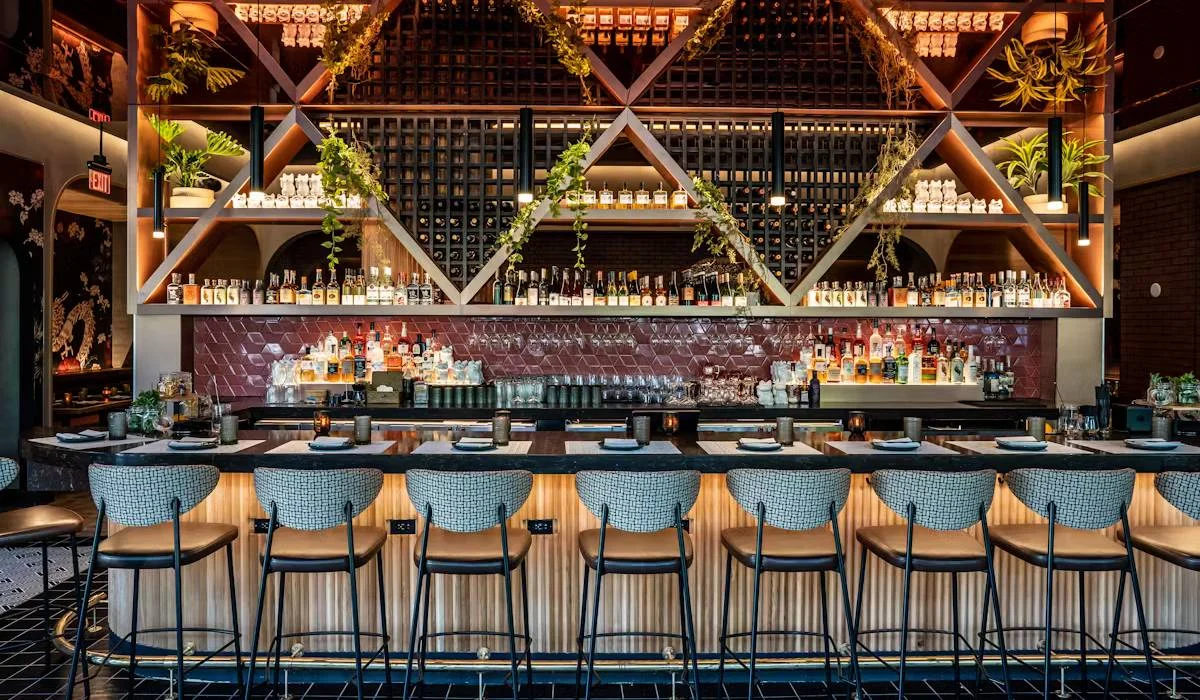
For the Toronto dining scene, the loss of PLANTA’s Yorkville and Queen West locations marks the departure of a pioneer in the upscale vegan space. While other plant-based options exist in the city, PLANTA’s unique blend of high-design interiors and innovative culinary techniques left a distinct mark on the local landscape.
As PLANTA moves forward, the industry will be watching closely to see if a U.S.-only focus will be enough to protect the brand from the ongoing volatility of the global restaurant market. The transition from a 20-unit international chain to a 5-unit domestic boutique operation is a stark reminder that in the modern economy, sometimes the only way to move forward is to step back.