
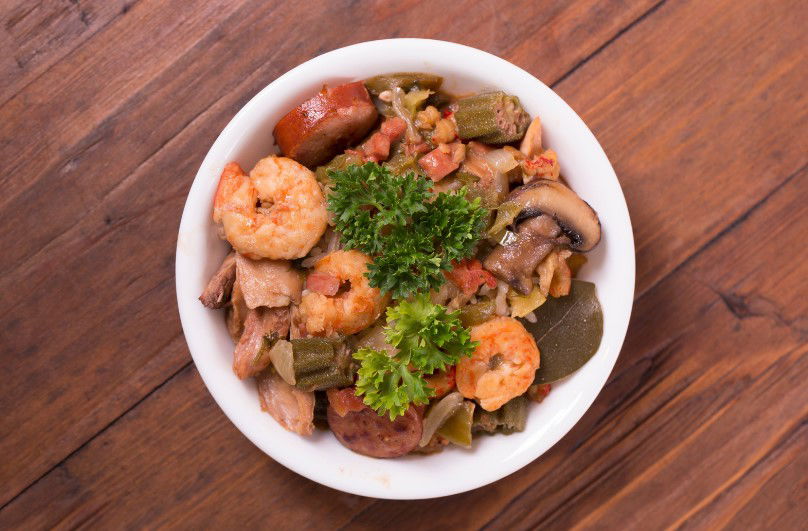
A steaming bowl of gumbo is more than just a meal; it’s a culinary experience, a rich tapestry of Southern flavors woven with tender meats, vibrant vegetables, and a deeply satisfying, thick broth. This iconic Louisiana stew, a cornerstone of Creole and Cajun cuisine, demands accompaniments that can stand up to its robust profile without overshadowing its complexity. The art of pairing lies in finding sides that either enhance the gumbo’s inherent richness, provide a cooling counterpoint to its spice, or offer a textural contrast that elevates the entire dining experience. This comprehensive guide explores the most celebrated and surprisingly effective Southern side dishes that transform a bowl of gumbo into a truly unforgettable feast.
The Genesis of Gumbo: A Culinary Melting Pot
Gumbo’s origins are as layered as its flavor. Believed to have emerged in Louisiana during the 18th century, it reflects the diverse cultural influences that shaped the region, including French, Spanish, African, Native American, and Caribbean traditions. The name itself is thought to derive from the West African word for okra, a key ingredient in many variations of the dish. Historically, gumbo was a resourceful way to utilize readily available ingredients, often cooked in large batches and shared within communities. Its evolution has seen countless regional and familial adaptations, from the seafood-heavy versions found along the coast to the meat-centric renditions further inland, each with its unique roux (a cooked mixture of fat and flour) and trinity (onion, bell pepper, and celery). The complexity of gumbo’s preparation, particularly the slow development of the roux, signifies a commitment to flavor that is best honored with thoughtfully chosen side dishes.
- The Quintessential Companion: Rice
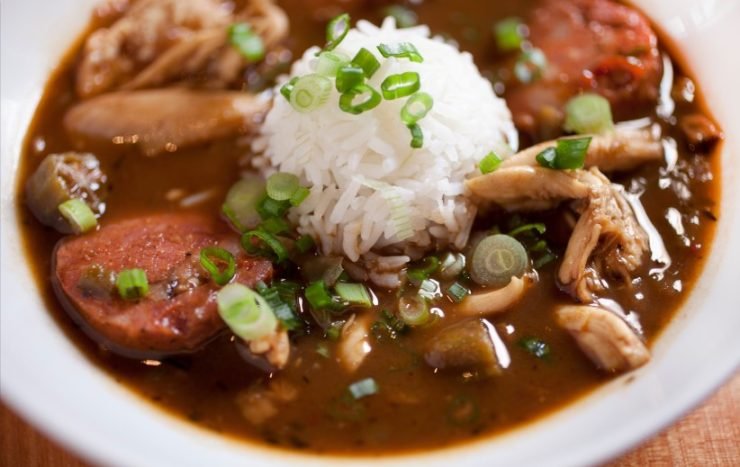
No discussion of gumbo accompaniments is complete without acknowledging the undisputed king: rice. This simple, yet essential, side serves as the perfect canvas for the vibrant flavors of gumbo. White rice, whether long-grain or medium-grain, is the traditional choice, offering a neutral base that absorbs the rich broth without introducing competing tastes. Its subtle starchiness provides a comforting heft to the stew, making each spoonful more substantial and satisfying. For those seeking a slightly nuttier flavor and added fiber, brown rice is also a viable option, though its distinct taste and firmer texture can slightly alter the overall flavor profile. The practicality of rice extends beyond its flavor compatibility; it reheats beautifully, making it an ideal component for meal prepping leftover gumbo. The ease with which rice can be prepared, whether in a dedicated rice cooker for consistently fluffy results or on the stovetop, further solidifies its status as the go-to side. Investing in a quality rice cooker, such as those from reputable Japanese brands known for their precision and versatility, can elevate home cooking of this staple. Alternatively, mastering the stovetop method, with its straightforward steps, ensures delicious rice even without specialized equipment. The role of rice in gumbo is not merely passive; it acts as a crucial textural element, a vehicle for flavor, and a means to stretch a rich dish to feed even the heartiest appetites, ensuring the gumbo remains the undisputed star of the plate.
- A Cool Counterpoint: Potato Salad
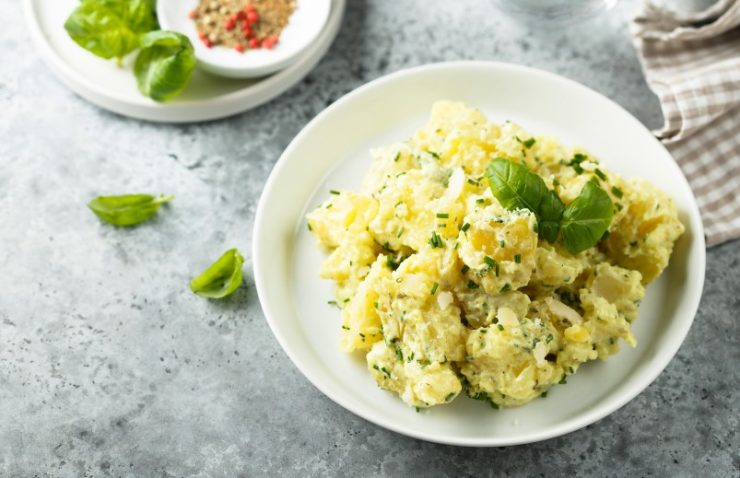
While seemingly an unconventional pairing, potato salad offers a surprisingly effective and welcome contrast to the intensity of gumbo. The creamy, often mayonnaise-based, dressing of a well-made potato salad provides a soothing balm to the palate, particularly when the gumbo boasts a significant spicy kick. The cool temperature of the potato salad is a direct antidote to the heat of the stew, allowing diners to enjoy a spicier gumbo with greater comfort. Furthermore, potato salad is a dish that benefits from advance preparation, making it an excellent choice for hosts looking to streamline their meal service. Assembling it ahead of time and keeping it chilled ensures that when the gumbo is ready, the accompanying dish is too. Opting for a Southern-style potato salad, often featuring mustard, pickles, or a touch of vinegar, can further complement the regional flavors of the gumbo. This classic side, with its hearty texture and cooling creaminess, offers a delightful textural and temperature dynamic that enhances the overall gumbo experience.
- The Hearty Embrace: Cornbread
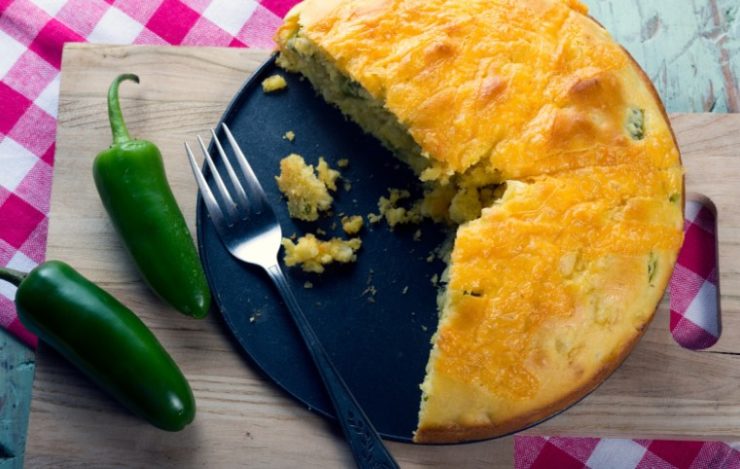
A true Southern staple, cornbread is a natural and beloved partner for gumbo. Its slightly crumbly yet tender texture makes it perfect for soaking up the flavorful broth, acting as a delicious sponge for every last drop. Cornbread offers a comforting heartiness that complements the richness of the gumbo without overwhelming it. The beauty of cornbread lies in its versatility; it can be as simple as a mix from a box or an elaborate scratch-made creation. Many home cooks prefer to bake their cornbread in a cast-iron skillet, which not only ensures a wonderfully crisp crust but also allows for effortless serving directly from the pan. The flavor of cornbread can be easily customized to suit individual preferences. Adding ingredients like diced jalapeños for a hint of heat, crumbled bacon for smoky depth, or grated cheddar cheese for a savory tang can elevate this classic side. Each variation provides a unique textural and flavor dimension that pairs harmoniously with the complex profile of gumbo, making it a perennial crowd-pleaser.
- A Tangy Refreshment: Bleu Cheese Wedge Salad
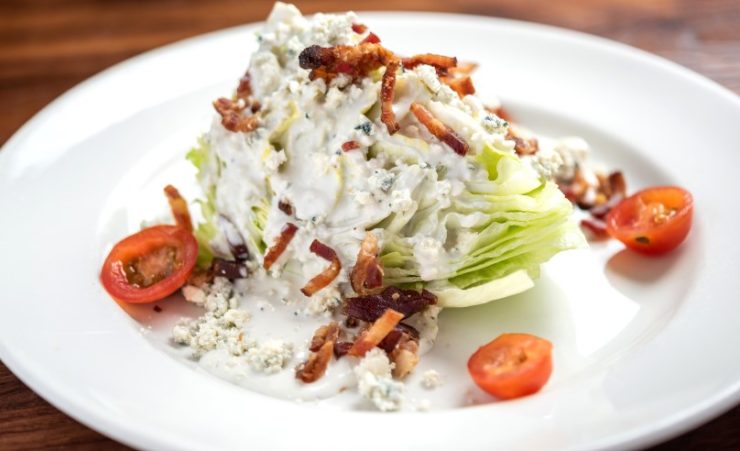
For those seeking a lighter yet equally sophisticated accompaniment, a Bleu Cheese Wedge Salad presents a compelling option. The pungent, creamy notes of bleu cheese, coupled with the crispness of iceberg lettuce, offer a refreshing contrast to a rich and hearty gumbo. This salad provides a welcome break from the density of the stew, its bright flavors cutting through the richness and cleansing the palate. The simplicity of a wedge salad, often featuring a drizzle of dressing and perhaps some bacon bits or cherry tomatoes, allows the gumbo to remain the focal point of the meal. Its quick preparation time also makes it an ideal choice for busy hosts. The interplay of textures – the cool, crisp lettuce against the warm, savory gumbo – creates a dynamic eating experience that is both satisfying and invigorating.
- A Nod to Tradition: Fried Okra
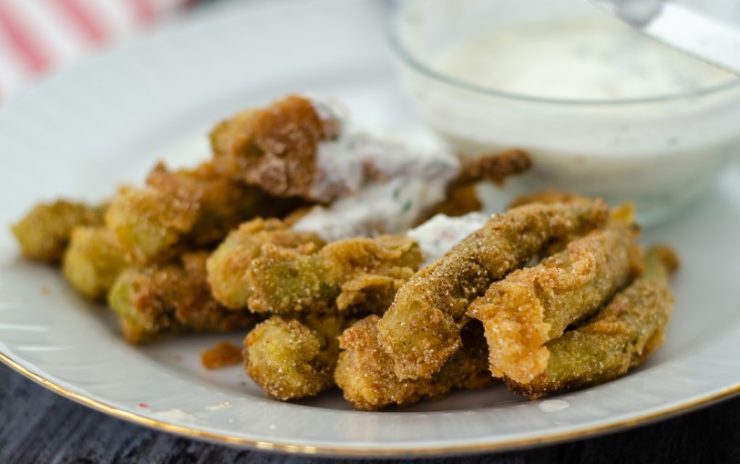
Given that the very name "gumbo" is believed to be derived from the West African word for okra, it’s only fitting that fried okra finds a place on this list. Serving fried okra alongside gumbo is a way to celebrate the dish’s heritage while adding a delightful textural element. The crispy, slightly chewy texture of perfectly fried okra provides a satisfying counterpoint to the tender ingredients in the gumbo. It can be enjoyed as a standalone snack or used as a topping for the stew, allowing diners to customize their bowl. The mild, earthy flavor of okra is complementary rather than competitive with the gumbo’s complex profile. For an elevated experience, pairing fried okra with a creamy dipping sauce, such as a garlic aioli, adds another layer of flavor and indulgence. This classic Southern preparation honors the ingredient’s historical significance and adds a beloved texture to the meal.
- Indulgent Comfort: Creamed Corn
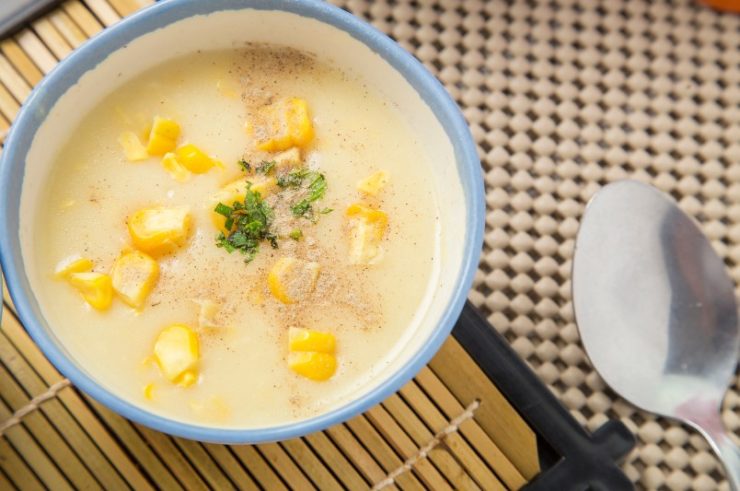
Southern-style creamed corn, rich with butter and cream, offers a decadent and comforting side that harmonizes beautifully with gumbo. The inherent sweetness of the corn, combined with the luxurious creaminess of the dairy, provides a soothing counterpoint to any spice in the gumbo. This side dish is versatile enough to be spooned directly onto the gumbo or served alongside, allowing for a balanced bite with each forkful. Its smooth texture and comforting flavor do not compete with the main dish but rather act as a delightful companion, enhancing the overall dining experience. The simplicity of preparing a flavorful creamed corn ensures it’s an accessible yet elegant addition to any gumbo meal.
- A Hearty Foundation: Fluffy Baked Potatoes
A perfectly baked potato, with its crispy, salty skin and light, fluffy interior, serves as an incredibly versatile and inexpensive side for gumbo. This humble potato offers a substantial base that can be enjoyed in several ways. It can be split open and topped with a generous portion of gumbo, transforming into a hearty, integrated meal. Alternatively, it can be prepared with classic baked potato toppings like cheese, bacon bits, chives, and sour cream, and served on the side as a comforting and filling accompaniment. The double-baking technique is a secret to achieving the ideal texture: a tight, wrinkled skin followed by a re-bake after buttering for ultimate crispness. This method ensures a pillowy soft interior that is both satisfying and delicious, making it a substantial addition that guarantees no one leaves the table hungry.
- Crisp and Cooling: Coleslaw
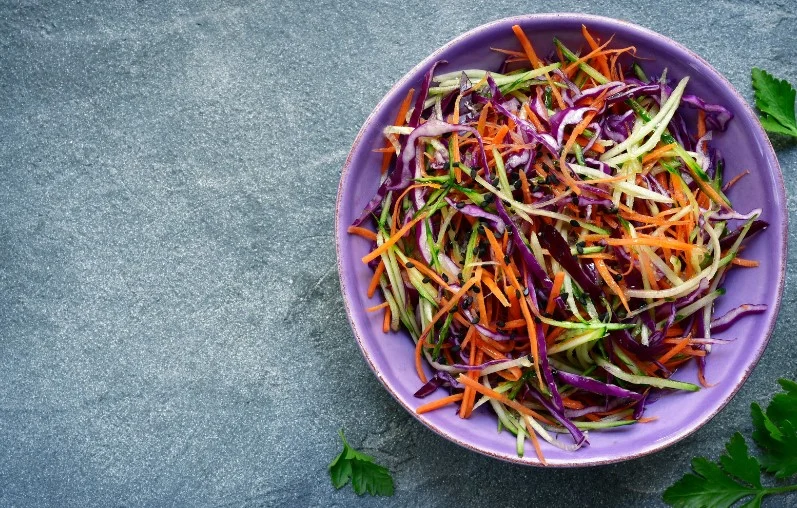
No Southern meal is truly complete without a refreshing bowl of coleslaw, and its pairing with gumbo is no exception. The crunchy texture of shredded cabbage, enlivened by a tangy dressing often made with mayonnaise, vinegar, and spices, offers a bright and cooling contrast to the rich, often spicy, gumbo. Coleslaw is an ideal make-ahead dish, allowing for easy preparation in large batches, which is particularly beneficial when serving a crowd. Its vibrant acidity cuts through the richness of the gumbo, cleansing the palate and providing a welcome textural crunch. A classic Southern coleslaw, with its simple yet effective flavor profile, is a testament to how a well-balanced side can elevate a complex main dish.
Frequently Asked Questions: Navigating Gumbo Pairings
What kind of bread goes with gumbo?
The textural diversity of bread makes several options excellent companions to gumbo. Cornbread, with its slightly crumbly nature, is a classic choice for soaking up broth. Fluffy biscuits offer a softer, melt-in-your-mouth experience, while a soft yeast roll provides a slightly chewy texture that complements the stew. Each bread type brings a different dimension to the meal, catering to varying preferences for texture and flavor absorption.
Does jambalaya go with gumbo?
While both gumbo and jambalaya are iconic Louisiana dishes with shared culinary roots and many overlapping ingredients, they are typically considered distinct main courses rather than pairings. Jambalaya incorporates rice directly into its cooking process, creating a flavorful one-pot rice dish. Gumbo, on the other hand, is a stew traditionally served with a side of rice. Serving both together can lead to an overwhelming similarity in taste and texture, making it advisable to choose one as the star of the meal.
The enduring appeal of gumbo lies not only in its intricate preparation and deep, complex flavors but also in the thoughtful selection of its accompaniments. From the humble grain of rice to the vibrant crunch of coleslaw, each side dish plays a crucial role in creating a balanced and satisfying culinary experience, celebrating the rich heritage of Southern cuisine.