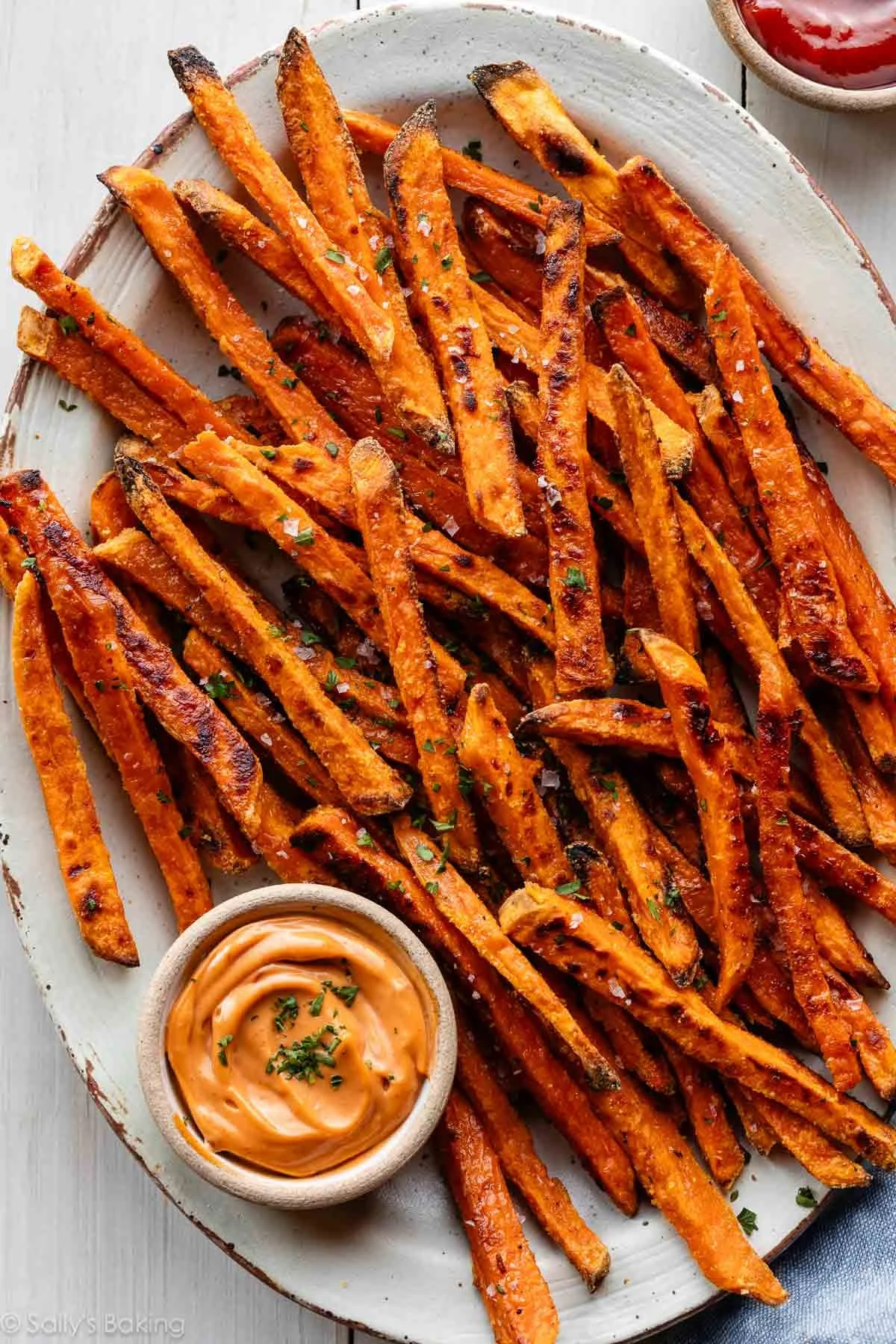

Culinary enthusiasts are increasingly seeking reliable methods to prepare healthier versions of beloved comfort foods, and crispy baked sweet potato fries stand as a prime example. This article delves into proven techniques that transform sweet potatoes into a consistently crunchy, flavorful side dish without resorting to deep frying, making it a versatile staple for any kitchen. The methodologies presented are adaptable for varying batch sizes and pair seamlessly with a diverse array of meals, underscoring their practicality and broad appeal.
The genesis of this culinary guide dates back to its initial publication in 2013, a testament to its enduring relevance and foundational soundness. Over the past decade, the recipe has undergone meticulous refinement, incorporating contemporary photographic documentation, enriched success tips, and critically, detailed instructions for air fryer preparation. This evolution reflects a commitment to adapting tried-and-true methods to modern kitchen appliances and evolving user expectations.
Addressing the Culinary Challenge: The Soggy Fry Dilemma
A common frustration among home cooks is the persistent issue of soggy sweet potato fries emerging from the oven. Unlike their starchy white potato counterparts, sweet potatoes inherently possess a higher moisture and sugar content, properties that complicate the quest for crispness. When exposed to heat, this excess moisture can steam the potato pieces rather than allowing them to develop a crisp exterior through roasting. The techniques outlined here specifically target this challenge, ensuring consistently crisp edges and tender interiors, all achieved without the need for cumbersome deep-frying equipment or excessive oil. The focus remains on simplicity, efficacy, and authentic flavor preservation.
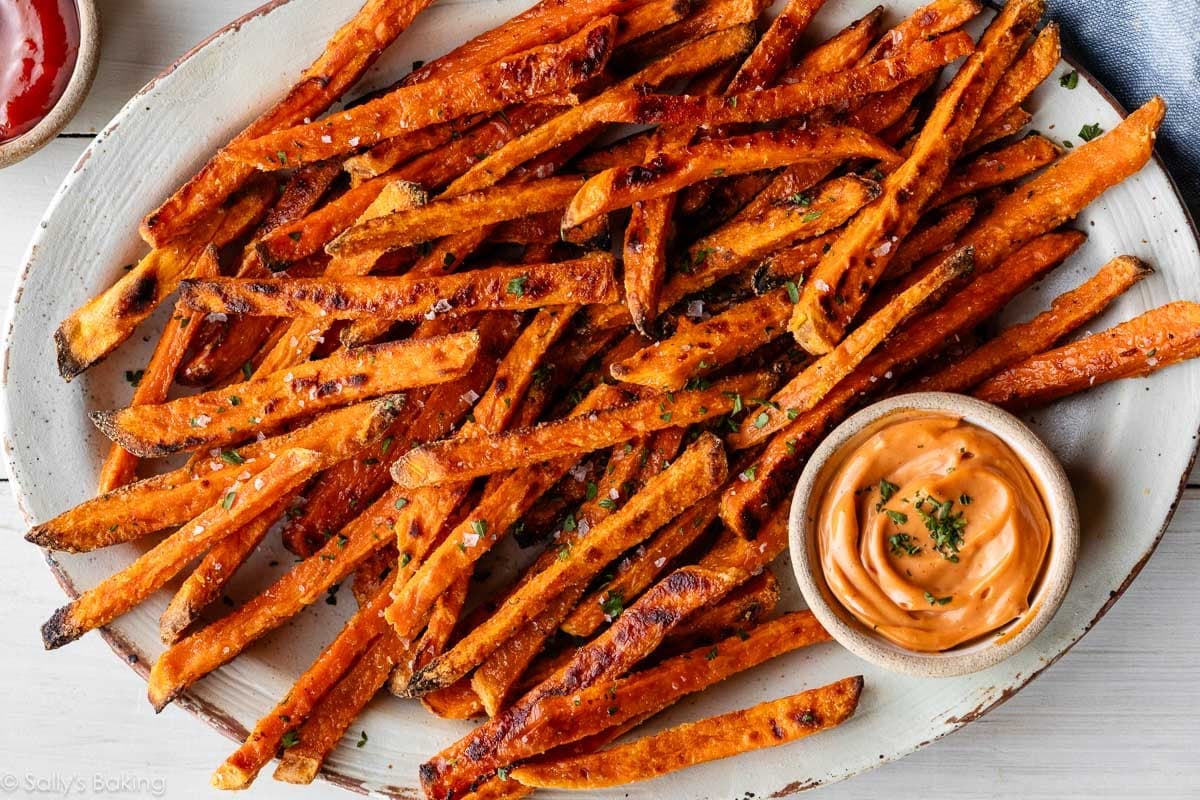
The Science Behind the Crisp: Why This Recipe Excels
The efficacy of this method lies in a synergistic application of culinary science principles. The primary moisture management strategy involves a light coating of cornstarch. Cornstarch, a powerful hygroscopic agent, effectively absorbs surface moisture from the sweet potato pieces. Upon heating, it forms a thin, brittle crust, contributing significantly to the desired crisp texture. This initial step is crucial in preventing the potatoes from steaming in their own moisture.
Furthermore, the cooking environment plays a pivotal role. High oven temperatures (or the intense circulating heat of an air fryer) are essential. This elevated heat promotes rapid evaporation of residual moisture and facilitates the Maillard reaction, a complex chemical process responsible for the browning and development of rich, savory flavors on the surface of the fries. Simultaneously, the sugars naturally present in sweet potatoes undergo caramelization, contributing to both color and a subtle sweetness that enhances the overall profile.
Crucially, adequate spacing on the baking pan is non-negotiable. Overcrowding a baking sheet inhibits proper air circulation around each fry. When fries are packed too closely, the moisture released from the potatoes becomes trapped, creating a steamy environment that prevents browning and crisping, leading directly to the dreaded soggy outcome. Utilizing multiple baking sheets or cooking in batches ensures that each fry has sufficient space to roast efficiently.
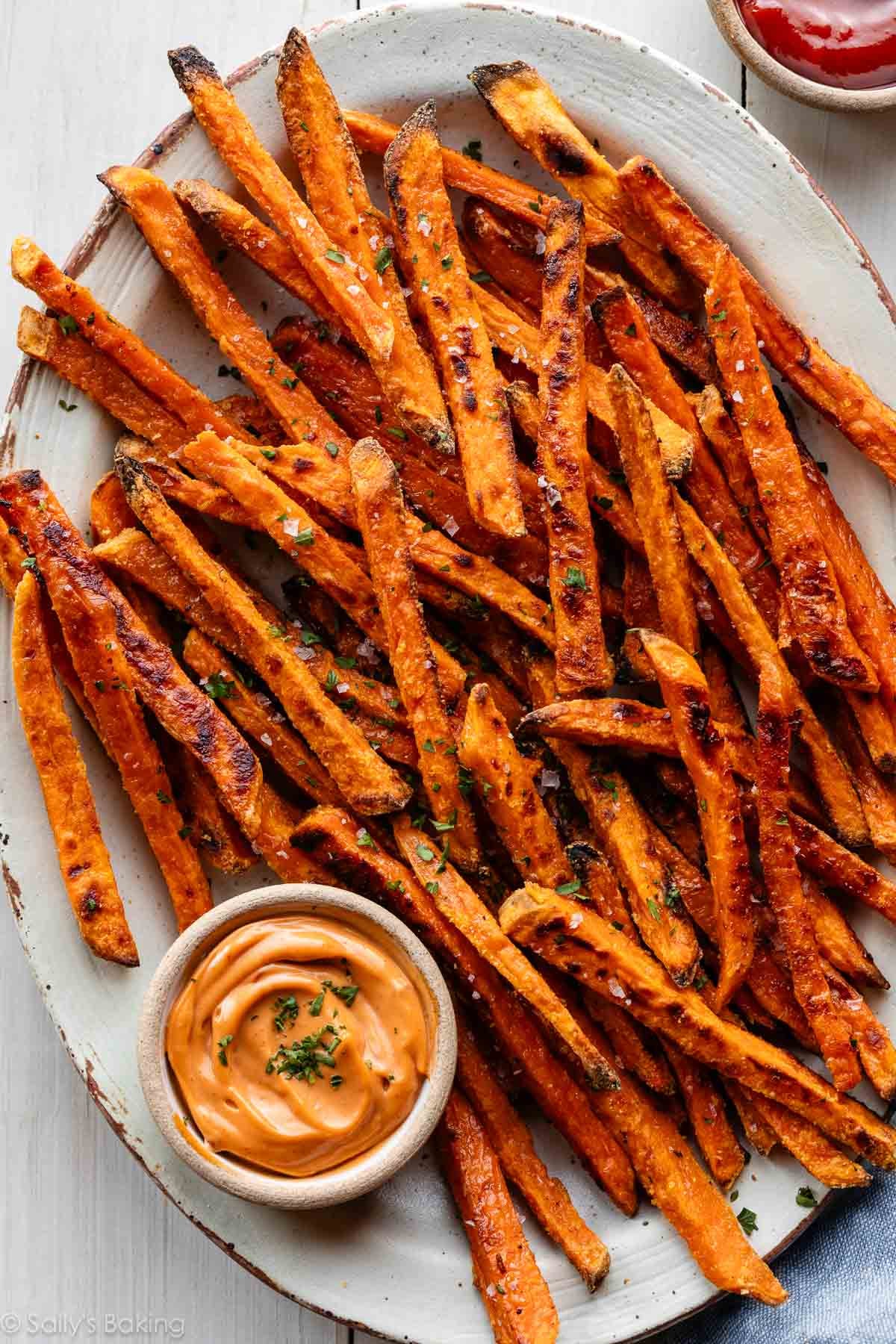
A Step-by-Step Culinary Chronology for Perfect Fries
The journey to perfectly crispy sweet potato fries begins with meticulous preparation and precise execution of several key stages:
-
Preparation of Sweet Potatoes:
- Selection: Choose firm, blemish-free sweet potatoes. Varieties like Beauregard or Jewel are common and work well.
- Washing and Peeling: Thoroughly wash the sweet potatoes. Peeling is optional; the skin contains additional fiber and nutrients, and contributes a rustic texture, but many prefer them peeled. If peeling, use a sturdy vegetable peeler.
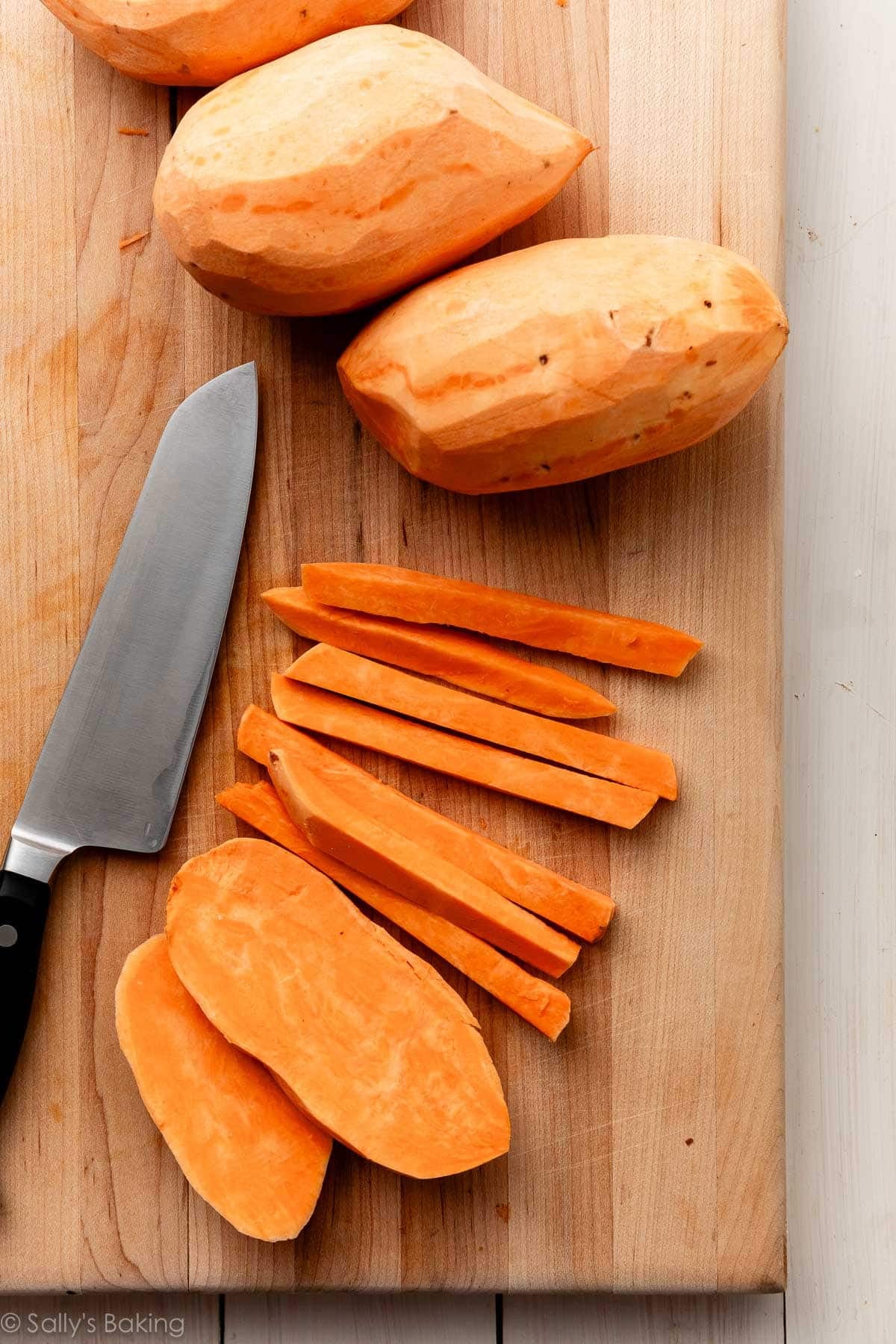
- Cutting Consistency: This is a critical factor for even cooking. The goal is to achieve uniform strips, approximately 1/4-inch wide. While perfection is not required, minimizing variations in size ensures that all fries cook at a similar rate, preventing some from burning while others remain undercooked. A very sharp knife is indispensable for this task. For those new to cutting fries, practice improves consistency over time.
-
The Cornstarch Treatment:
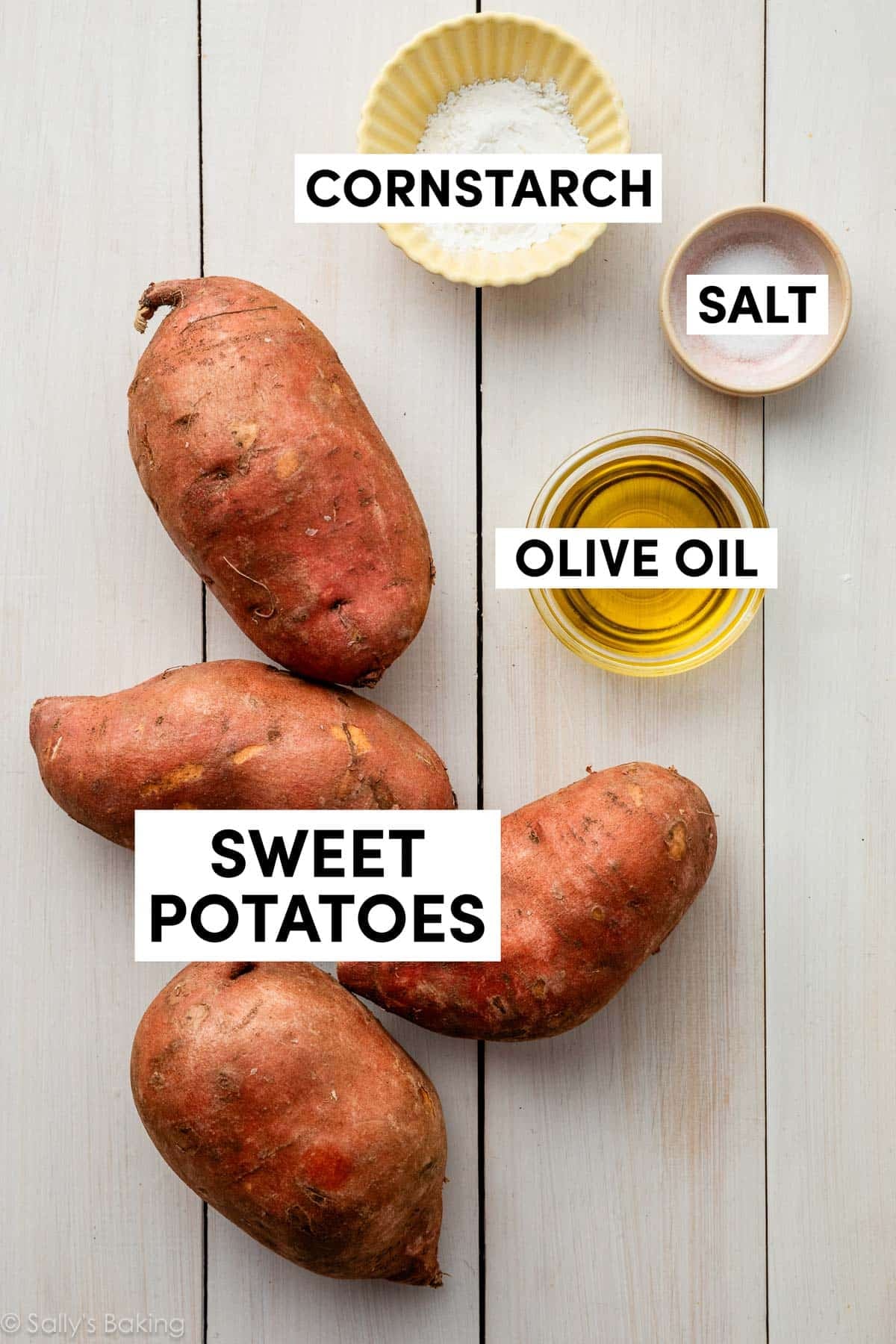
- Application Timing: The cornstarch must be applied before any oil or seasonings. Applying it afterward will result in clumpy, uneven coatings and a discernible starchy taste.
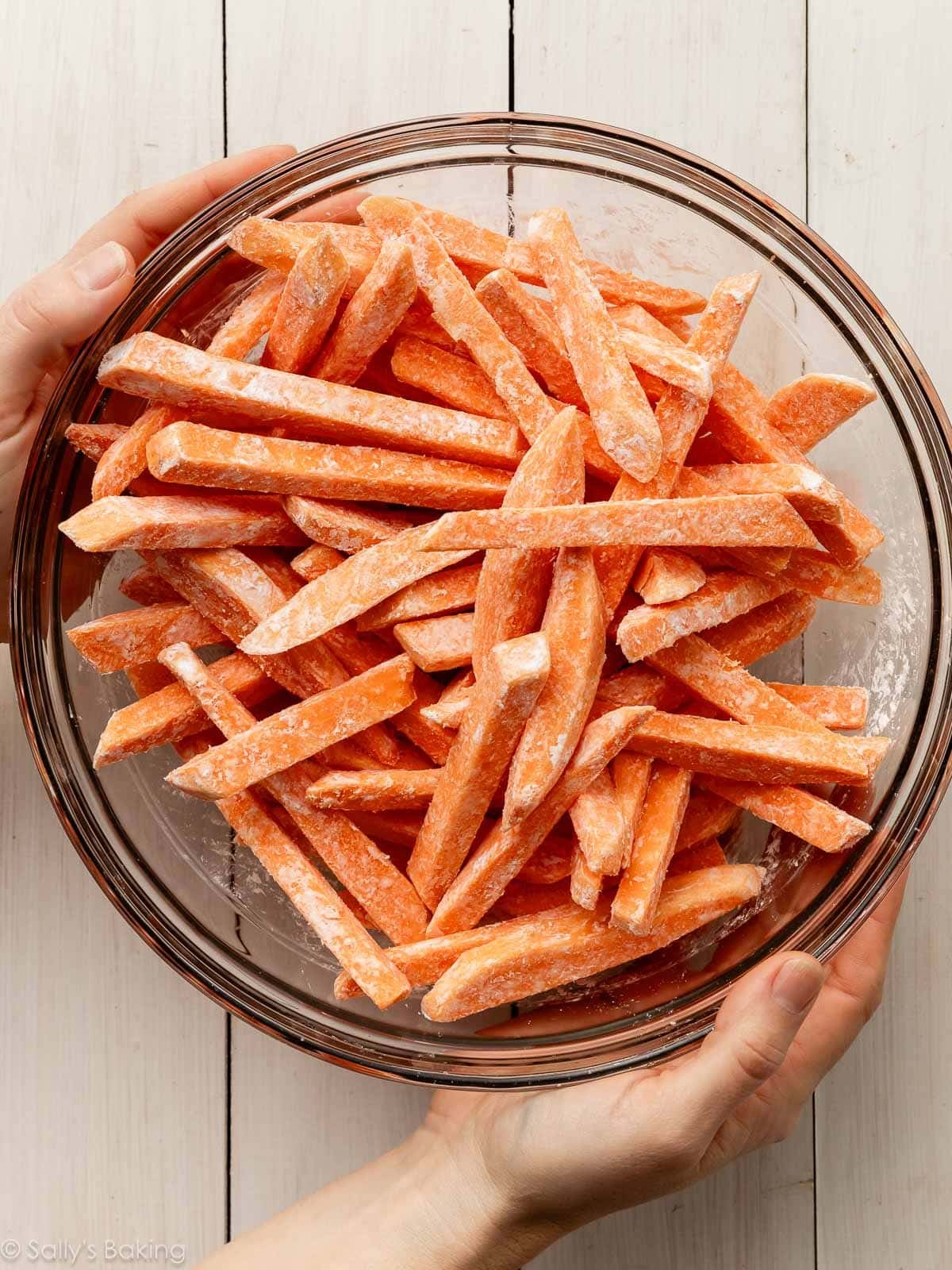
- Method: For optimal, even coverage, place the cut sweet potato strips and cornstarch in a large bowl and toss vigorously, or for a more engaging and effective method, combine them in a large zip-top bag and shake thoroughly until each fry is lightly dusted. The aim is a very thin, even layer, which acts as a barrier against moisture and promotes a crisp exterior.
-
Seasoning and Flavor Profiles:
- Once coated with cornstarch, the fries are ready for oil and seasonings. Olive oil is a popular choice for its flavor and high smoke point, but avocado oil or grapeseed oil can also be used.
- Basic Seasoning: A simple application of salt is often sufficient to highlight the natural sweetness of the potato.
- Flavor Expansion: For those desiring more complex profiles, the versatility of sweet potato fries allows for a wide range of seasoning options:
- Savory: Garlic powder, onion powder, smoked paprika, black pepper, cayenne pepper (for a kick), chili powder, cumin, or a pre-made spice blend like Cajun seasoning.
- Sweet & Savory: A pinch of cinnamon, nutmeg, or a touch of brown sugar can complement the potato’s inherent sweetness, creating a profile often found in popular restaurant versions.
- Herbal: Dried rosemary or thyme can add an aromatic depth.
- The choice of seasoning should ideally complement the main dish being served.
-
Arrangement for Optimal Roasting:
- Parchment Paper: Line baking sheets with parchment paper to prevent sticking and facilitate easier cleanup.
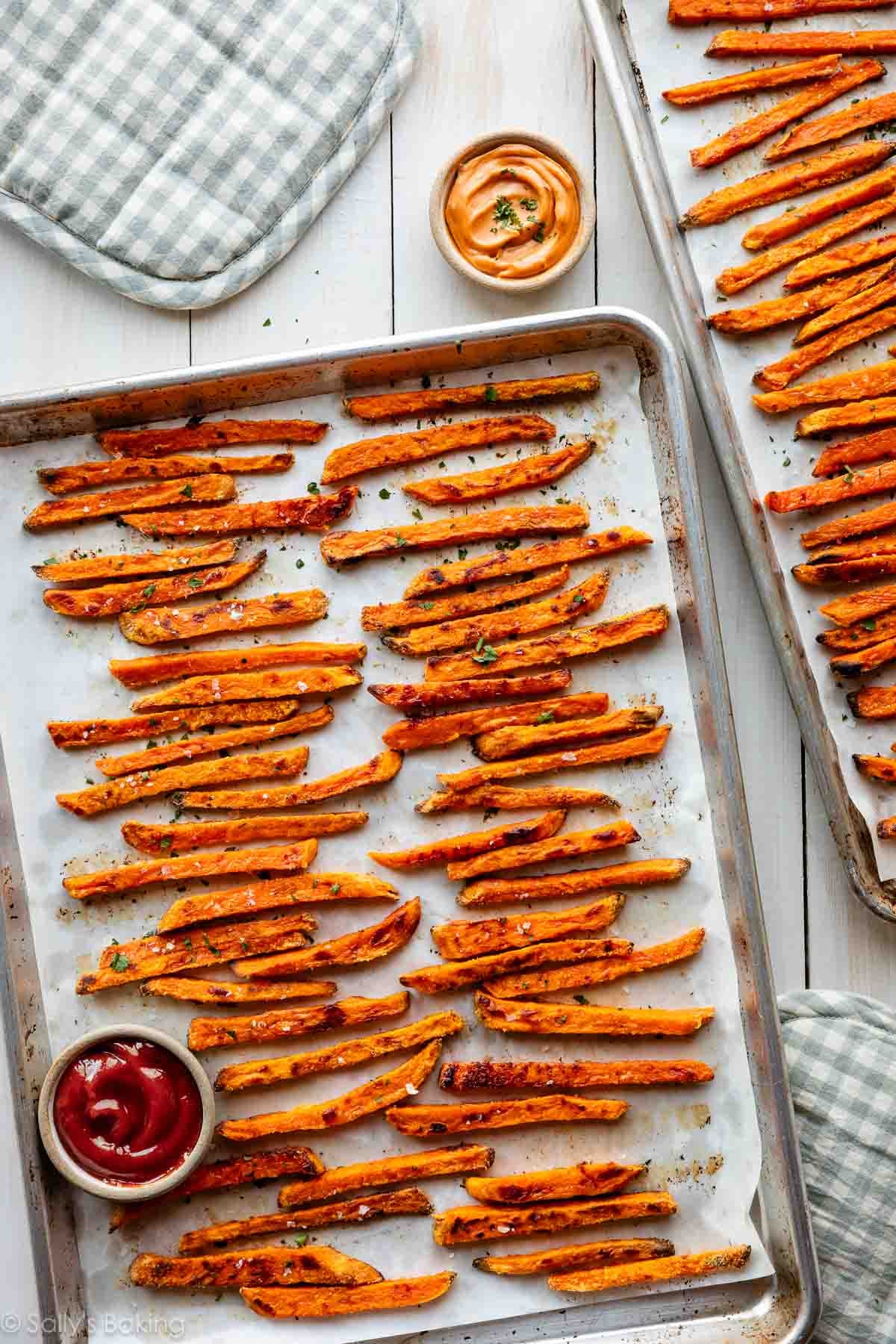
- Single Layer and Spacing: Arrange the seasoned sweet potato fries in a single layer on the prepared baking sheets. Crucially, ensure ample space between each fry. As previously noted, overcrowding will lead to steaming rather than roasting, resulting in a soft, rather than crisp, texture. Depending on the quantity of fries, using two baking sheets or baking in successive batches is often necessary to achieve the best results.
-
Baking Protocol:
- High Heat: Preheat the oven to a high temperature, typically around 400-425°F (200-220°C), to encourage rapid browning and crisping.
- Mid-Bake Flip and Rotation: Approximately halfway through the baking time, carefully flip each fry to ensure even cooking and browning on all sides. If using two baking sheets, it is advisable to swap their positions on the oven racks at this point. This addresses potential hot spots within the oven and promotes uniform cooking across both sheets. Total baking time can range from 20 to 30 minutes, depending on the oven and the thickness of the fries, until they are golden brown and crispy.
The Air Fryer Advantage: Speed and Enhanced Crispness
The advent of the air fryer has revolutionized the preparation of many baked and fried foods, and sweet potato fries are a prime beneficiary. The device’s rapid air circulation technology is exceptionally effective at crisping food surfaces efficiently.
Air Fryer Instructions:
- Preparation: Follow the same steps for washing, peeling, cutting, and coating the sweet potatoes with cornstarch, oil, and seasonings.
- Preheat: Preheat the air fryer to 375-400°F (190-200°C) for about 5 minutes.
- Batch Cooking: Due to the smaller capacity of most air fryers, it is essential to cook in batches. Arrange the fries in a single layer in the air fryer basket, ensuring they are not overcrowded. Overfilling will impede air circulation and lead to uneven cooking and sogginess.
- Cooking Cycle: Cook for 15-20 minutes, shaking the basket vigorously every 5-7 minutes to redistribute the fries and promote even crisping. The fries are done when they are golden brown and achieve the desired level of crispness.
- Serve Immediately: Air-fried sweet potato fries are best consumed fresh to retain their optimal texture.
Oven vs. Air Fryer: A Comparative Analysis
Both methods yield delicious results, but each offers distinct advantages:
- Crispness: The air fryer generally produces a noticeably crisper fry due to its intense, circulating hot air, often mimicking the texture of deep-fried potatoes more closely than a conventional oven.
- Time Efficiency: Air frying is typically faster, with cooking times often cut by a third compared to oven baking. This makes it ideal for quick weeknight meals.
- Batch Size: Ovens offer the distinct advantage of cooking larger quantities simultaneously, making them more suitable for serving families or entertaining guests. Air fryers are better suited for smaller batches or individual portions.
- Effort: Both methods require similar levels of preparation. The air fryer may require more frequent shaking of the basket compared to the oven’s mid-bake flip.
Ultimately, the choice between oven and air fryer depends on individual kitchen equipment, desired batch size, and preferred level of crispness. Both pathways lead to flavorful, well-cooked sweet potato fries.
Nutritional Profile and Health Implications
Sweet potatoes offer a compelling nutritional profile that distinguishes them from traditional white potatoes, positioning them as a healthier alternative in many diets. They are exceptionally rich in beta-carotene, a precursor to Vitamin A, which is vital for vision, immune function, and skin health. A single medium sweet potato can provide well over 100% of the daily recommended intake of Vitamin A. They are also a good source of Vitamin C, an antioxidant that supports immune health, and various B vitamins, important for energy metabolism.
Furthermore, sweet potatoes are high in dietary fiber, contributing to digestive health, promoting satiety, and helping to regulate blood sugar levels. Their glycemic index, while varying by cooking method, is generally lower than that of white potatoes, making them a more stable carbohydrate source. By opting for baked or air-fried methods over deep frying, the fat content is significantly reduced, minimizing unhealthy saturated and trans fats and making them a heart-healthier option. This aligns with broader public health recommendations emphasizing reduced intake of fried foods and increased consumption of nutrient-dense vegetables.
Broader Impact and Culinary Trends
The successful preparation of crispy baked sweet potato fries reflects several significant trends in contemporary home cooking. Firstly, it underscores the increasing demand for healthier modifications of comfort foods. Consumers are not willing to sacrifice flavor or texture for health, and recipes that deliver both are highly valued. Secondly, the integration of air fryer instructions highlights the growing adoption of new kitchen technologies aimed at convenience and improved cooking results. The air fryer has quickly become a staple appliance for many, and adapting classic recipes to maximize its potential is a natural progression.
Finally, the enduring popularity and continuous refinement of this recipe, originating from 2013 and undergoing multiple updates, demonstrates the dynamic nature of culinary expertise. It showcases how dedicated home cooks and culinary experts continually refine techniques based on experience, user feedback, and advancements in kitchen science. This iterative process empowers home cooks with reliable, accessible methods to elevate their everyday meals, contributing to a more informed and capable culinary landscape. Whether served alongside a gourmet burger, a grilled chicken breast, or as a standalone snack, these perfectly crispy sweet potato fries are a testament to the power of simple techniques yielding extraordinary results.