
The American Homebrewers Association (AHA) has officially concluded its inaugural board election as an independent entity, marking a transformative milestone in the organization’s nearly 50-year history. In a process that spanned several months and drew significant engagement from the global homebrewing community, members have elected four new directors to lead the association into its next era. This election represents the culmination of a strategic transition for the AHA, which recently established itself as a dual-structured non-profit consisting of a 501(c)(6) membership organization and a 501(c)(3) supporting foundation.
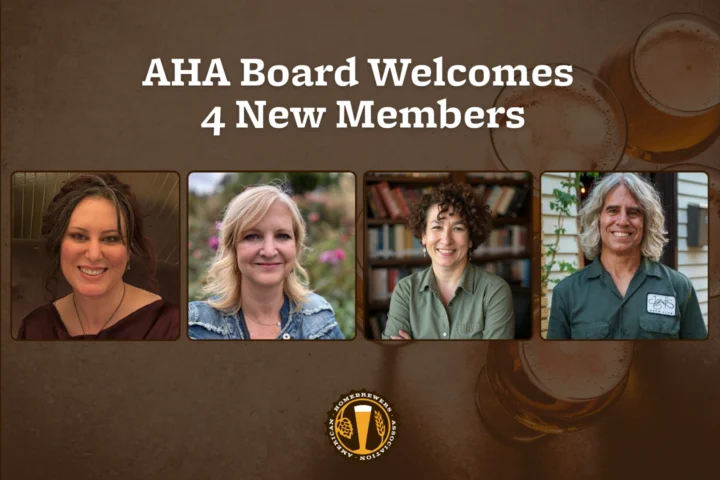
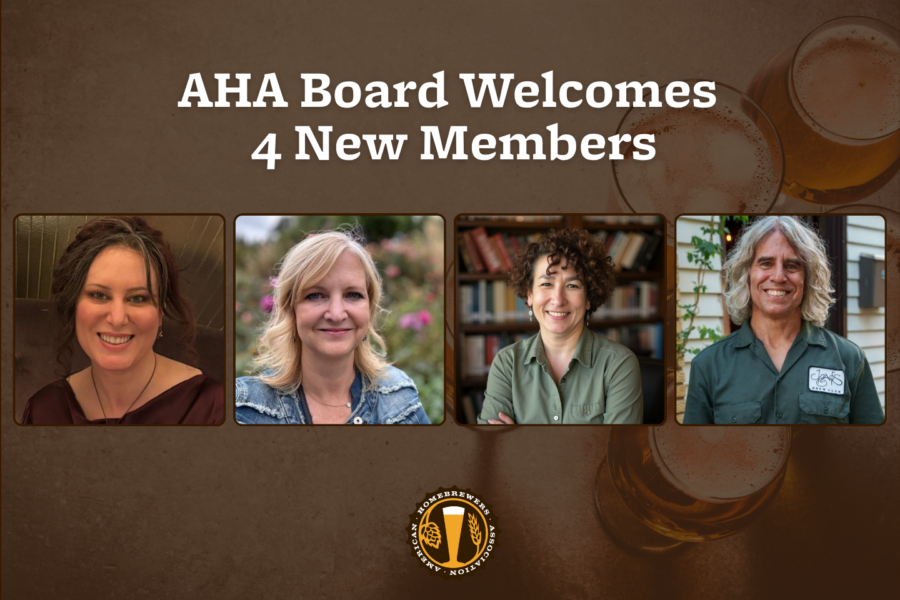
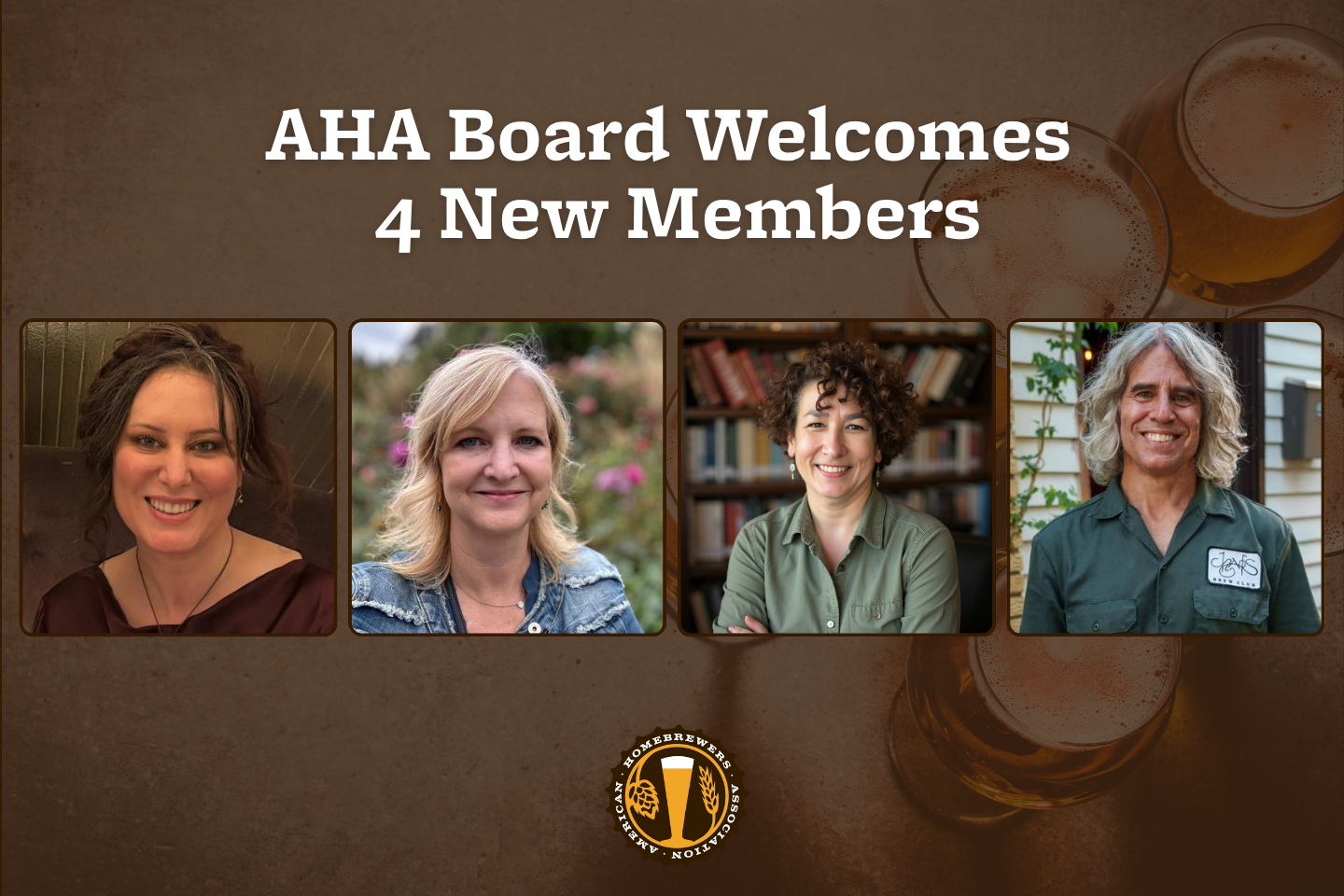
The results of the March election saw Jen Blair, Stephanie Butler, Jen Pereira, and Jeff Whelpley emerge as the successful candidates from a highly competitive field. These four individuals will each serve a three-year term on the AHA Board of Directors. They join three continuing members—Shawna Cormier, Drew Beechum, and Gregory Roskopf—to form the leadership body that will oversee the association’s governance, strategic initiatives, and advocacy efforts.
The newly elected board members are scheduled to be officially seated on June 20, 2026, during the AHA’s annual meeting. This meeting will take place in Asheville, North Carolina, as part of Homebrew Con, the premier annual gathering for amateur brewers, fermenters, and hobbyists.
A Rigorous Selection Process and Community Engagement
The path to the 2026 board election was characterized by a robust selection process designed to ensure a diverse and skilled leadership team. The AHA reported that the initial call for nominations yielded an impressive pool of 28 nominees. These individuals represented a broad spectrum of the homebrewing community, including decorated competitive brewers, industry educators, community organizers, and technical experts.
Following a thorough review by the nominating committee, the field was narrowed to a slate of 10 finalists. AHA members were then invited to cast their ballots, participating in a democratic process that underscores the association’s commitment to being member-directed. The high level of participation in this first independent election is seen as a positive indicator of the community’s investment in the AHA’s future.
"The work started by the AHA Founding Board to bring the association to a new future has been impressive to say the least," said Shawna Cormier, Chair of the AHA Board. "With our new elected board members, we are positioned to help the AHA grow for generations. We look forward to bringing AHA’s vision of ‘a homebrewer in every neighborhood and a homebrew club in every community’ to life."
Transitioning to Independence: Context and Significance
To understand the weight of this election, it is necessary to examine the AHA’s recent organizational shift. Founded in 1978 by Charlie Papazian in Boulder, Colorado, the AHA spent decades operating as a division of the Brewers Association (BA), the trade group representing small and independent American craft brewers. While this partnership was fruitful for many years, the evolving needs of the homebrewing hobby and the commercial brewing industry led to the decision to establish the AHA as an independent organization.
By becoming a standalone 501(c)(6) and 501(c)(3), the AHA gained the autonomy to focus exclusively on the needs of amateur brewers without the competing priorities of a commercial trade association. The 501(c)(6) designation allows the AHA to operate as a business league or membership organization, engaging in advocacy and member-benefit programs. Simultaneously, the creation of the A-HA Foundation as a 501(c)(3) enables the association to pursue educational and charitable missions, potentially opening doors for grants and tax-deductible donations to support the science and art of fermentation.
This transition required the establishment of a "Founding Board" to navigate the legal, financial, and administrative complexities of the separation. Among those leaders were Sandy Cockerham and Gary Glass, whose departures from the board coincide with the seating of the new elected members. Glass, in particular, served as the long-time director of the AHA during its tenure under the Brewers Association, providing a vital bridge between the organization’s past and its independent future.
Profiles of the New Leadership
The four incoming board members bring a wealth of experience that reflects the multifaceted nature of modern homebrewing.
Jen Blair is a well-known figure in the beer education circuit. As a National Beer Judge Certification Program (BJCP) judge and an Advanced Cicerone®, Blair has dedicated much of her career to improving beer literacy and judging standards. Her presence on the board is expected to bolster the AHA’s educational resources and its connection to the competitive circuit.
Stephanie Butler brings a focus on community building and the social aspects of the hobby. With homebrew clubs serving as the backbone of the AHA’s grassroots network, Butler’s experience in fostering inclusive environments is seen as essential for achieving the association’s goal of having a club in every community.
Jen Pereira contributes a blend of technical brewing knowledge and organizational leadership. Her election highlights a continuing trend of increasing female representation in the leadership of a hobby that was historically male-dominated.
Jeff Whelpley rounds out the new quartet, bringing perspectives that likely touch on the technical, logistical, or digital aspects of the association’s operations. As the AHA seeks to modernize its digital resources and the HomebrewersAssociation.org platform, Whelpley’s insights will be critical.
The Role of Homebrew Con and the Asheville Seating
The decision to seat the new board at Homebrew Con 2026 in Asheville is symbolic. Asheville, often referred to as "Beer City, USA," has one of the highest densities of breweries per capita in the United States and a deeply rooted homebrewing culture. Hosting the annual meeting and the board transition in such a hub reinforces the AHA’s connection to the broader craft beer ecosystem.
Homebrew Con serves as the AHA’s flagship event, featuring the final round of the National Homebrew Competition (NHC)—the world’s largest international beer competition for amateurs. The convention provides a platform for educational seminars, social "Club Night" events, and the industry’s leading trade show for homebrewing equipment and ingredients. The 2026 event will now also be remembered as the moment the AHA’s first fully elected independent board took the helm.
Implications for the Future of Homebrewing
The successful execution of this election has several long-term implications for the AHA and its members:
- Democratic Governance: The shift from an appointed founding board to an elected board ensures that the association’s leadership remains accountable to its dues-paying members. This transparency is vital for maintaining trust and membership retention.
- Strategic Focus on Advocacy: As an independent 501(c)(6), the AHA can more aggressively pursue legislative goals, such as the legalization of homebrew transportation for competitions in all states or the clarification of tax laws regarding hobbyist fermentation.
- Educational Expansion: Through the A-HA Foundation (501(c)(3)), the association is better positioned to partner with academic institutions and scientific bodies to advance the study of zymurgy (the science of fermentation).
- Cultural Growth: The stated vision of "a homebrewer in every neighborhood" suggests a shift toward hyper-local engagement. The new board will likely prioritize resources for small-scale startup clubs and neighborhood brewing circles to combat the decline in social club participation seen in other sectors.
Industry Outlook and Challenges
The AHA takes this step at a time when the homebrewing hobby is recalibrating. Following a massive surge in interest during the 2010s—and a brief spike during the early pandemic years—the hobby has faced headwinds from the convenience of high-quality craft beer availability and shifting consumer habits.
However, the AHA remains a cornerstone of the community, providing "unmatched reasons" for membership through its long-running Zymurgy magazine, the NHC-validated recipe database, and the AHA Member Deals program, which offers discounts at over 2,000 breweries and supply shops nationwide.
The new board will be tasked with navigating these industry trends, ensuring that homebrewing remains an accessible, joyful, and educational pursuit for a new generation of hobbyists. The inclusion of diverse voices on the board is a clear signal that the association recognizes the importance of expanding its reach to underrepresented demographics within the brewing world.
As the AHA prepares for the Asheville convention in June 2026, the focus remains on the transition of power and the implementation of a multi-year strategic plan. The departure of founding members Sandy Cockerham and Gary Glass marks the end of the "independence transition" phase, leaving the newly elected board with a clear mandate to innovate and grow.
For the thousands of members who cast their votes, this election was more than just a procedural necessity; it was an affirmation of the AHA’s resilience and its enduring role as the heart of the homebrewing community. With a full board now in place, the American Homebrewers Association is prepared to continue its mission of promoting the community, education, and joy of homebrewing for years to come.