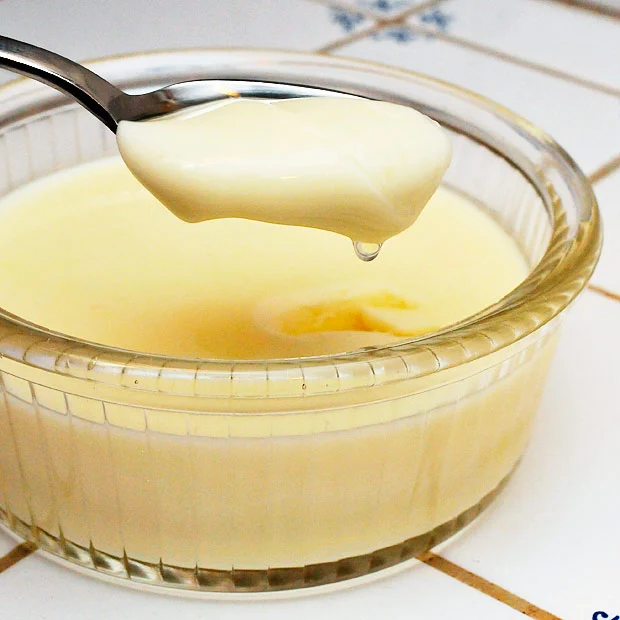

The delicate, aromatic dessert known as ginger milk curd (姜撞奶/薑汁撞奶 in Chinese) has long captivated palates with its unique texture and spicy-sweet flavor. However, its preparation has traditionally been shrouded in an air of mystique, often leading to inconsistent results and a proliferation of "kitchen myths" among home cooks. Recent scientific investigation, detailed in a comprehensive analysis, has successfully demystified this culinary enigma, providing a fool-proof recipe grounded in a precise understanding of enzymatic milk coagulation. This breakthrough not only offers a reliable method for creating the tender gel but also highlights the powerful intersection of traditional gastronomy and modern food science.
The Genesis of a Culinary Conundrum
The journey into understanding ginger milk curd began with a simple curiosity. While researching gel formation in foods that do not rely on external hydrocolloids, a culinary scientist encountered this seemingly straightforward dessert, requiring only three ingredients: milk, ginger, and sugar. An initial successful attempt yielded a tender, fragile gel within minutes, boasting a robust ginger flavor. Yet, subsequent attempts frequently failed, prompting a deeper dive into existing recipes. What emerged was a perplexing landscape of specific, yet often contradictory, instructions. From vague advice on milk temperature ("not too hot, not too cold") to precise but unsubstantiated claims about pouring techniques, the sheer volume of disparate guidance underscored a fundamental lack of scientific consensus. This inconsistency fueled a widespread frustration among enthusiasts, with reports of success rates as low as 50%, or even requiring numerous attempts before yielding the desired result, leading some to abandon the traditional method in favor of adding stabilizers like egg whites. This pattern of random success and failure is precisely where kitchen myths take root, as cooks attempt to attribute outcomes to unrelated changes in their process.
Cultural Significance and Traditional Challenges
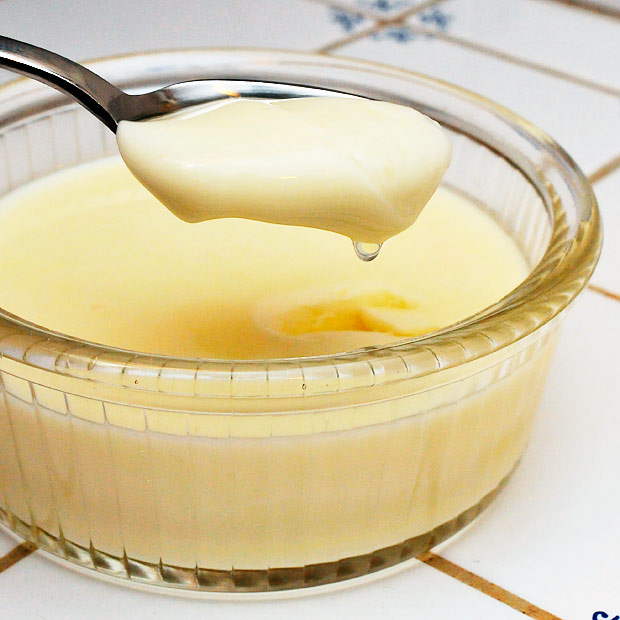
Ginger milk curd, or Jiang Zhuang Nai, holds a special place in Cantonese dessert traditions. Originating from Shawan Town in Panyu, Guangzhou, it is a beloved treat often served warm, particularly appreciated for its purported health benefits, especially in soothing the stomach. Historically, its preparation relied on anecdotal wisdom passed down through generations, with master chefs developing an intuitive "feel" for the correct temperatures and proportions. This reliance on experience, while yielding delicious results for the skilled, proved challenging for the uninitiated, making the dish notoriously difficult to replicate consistently outside of expert hands. The traditional method often involves heating milk to a specific temperature (often gauged by touch or visual cues like steam), adding sugar, and then quickly pouring it into a bowl containing fresh ginger juice, followed by a brief setting period without disturbance. The variations in ginger strength, milk fat content, and ambient kitchen temperatures could all subtly derail the delicate enzymatic reaction, contributing to the dish’s reputation for capriciousness.
Unveiling the Scientific Mechanism: The Role of Enzymes and Proteins
The scientific explanation behind ginger milk curd lies in a sophisticated enzymatic reaction, placing it within a broader category of foods where enzymes are utilized to curdle milk, akin to cheesemaking with rennet.
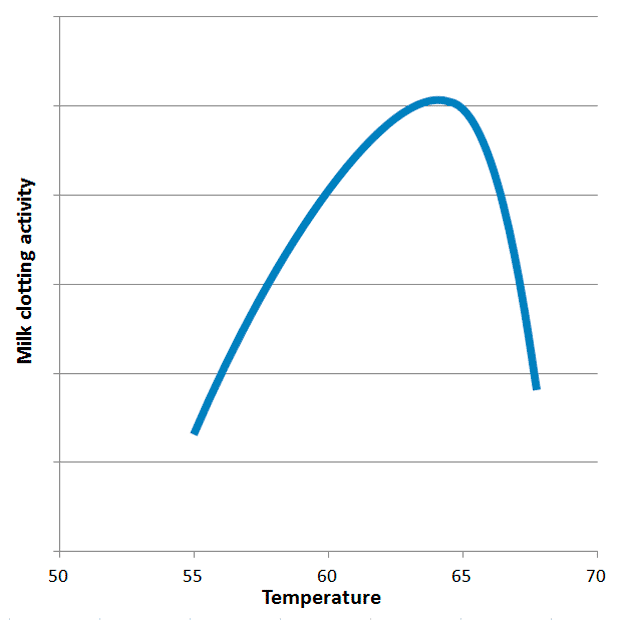
The Role of Ginger Proteases (Zingipain): The primary active agents in ginger juice are proteolytic enzymes, specifically ginger proteases (GP), sometimes referred to as zingipain (EC 3.4.22.67). These enzymes are biological catalysts capable of breaking down proteins into smaller fragments. Crucially, ginger proteases exhibit a highly sensitive and narrow temperature dependency for their milk-clotting activity (MCA). Research indicates that the optimal MCA of GP peaks around 63°C, falling off sharply both above 65°C and below 60°C. Above 70°C, these enzymes are rapidly denatured, meaning their three-dimensional structure is irreversibly destroyed, rendering them inactive. This narrow window of 60-65°C is paramount to successful gel formation and is the primary reason why many traditional attempts, lacking precise temperature control, often fail. While GP can exhibit non-specific proteolytic activity outside this range, it is the specific MCA, targeting a particular milk protein, that drives the desired gelation.
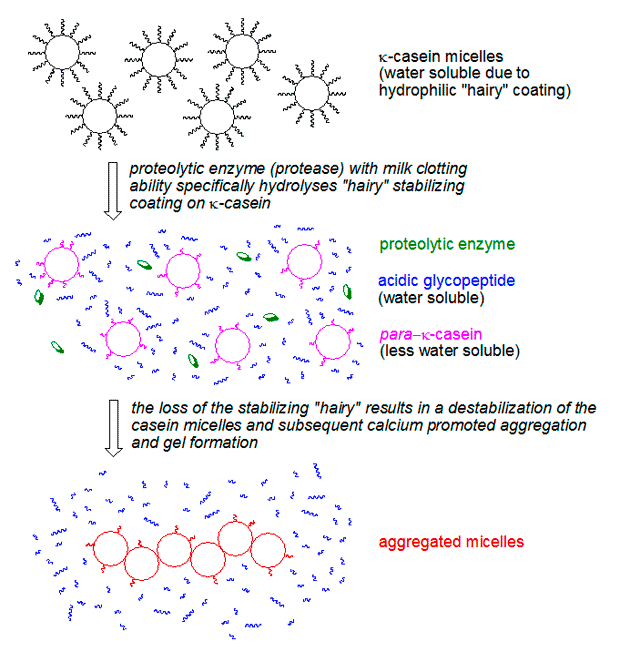
The Milk’s Core: Casein Micelles: The actual building blocks of the ginger milk curd gel are casein proteins, which constitute about 80% of the protein in cow’s milk. These proteins do not exist as individual molecules but rather assemble into large, spherical structures called micelles. These casein micelles are complex aggregates of alpha-, beta-, and kappa-casein, held together by calcium phosphate bridges. The outermost layer of these micelles is predominantly covered by kappa-casein. A key feature of kappa-casein is its structure: it possesses a hydrophilic (water-loving) C-terminal region, known as the glycomacropeptide, which protrudes from the micelle surface, forming a "hairy" layer. This layer serves two vital functions: it stabilizes the micelles, keeping them dispersed in the aqueous phase of milk, and it prevents them from aggregating and coalescing by providing steric hindrance and electrostatic repulsion. This stable state is why milk typically remains a liquid.
The Coagulation Cascade: The magic happens when the ginger proteases encounter the casein micelles. Zingipain, acting as a highly specific protease, targets and cleaves the hydrophilic glycomacropeptide portion of the kappa-casein. This enzymatic hydrolysis effectively "shaves" the protective hairy layer from the surface of the casein micelles, leaving behind the hydrophobic para-kappa-casein. With their protective layer removed, the micelles lose their stability. They are no longer repelled from each other and can now collide and aggregate. The calcium ions naturally present in milk play a crucial role in facilitating these aggregations, forming a three-dimensional network that traps water, resulting in the formation of a soft, tender gel. This entire process occurs remarkably quickly, often within minutes. The resulting gel, like many enzyme-coagulated gels, is inherently fragile and prone to syneresis—the natural expulsion of liquid (whey) from the gel matrix, which can be observed as clear droplets forming on the surface.
Critical Factors for Success: Precision is Key
The scientific understanding of ginger milk curd’s formation underscores several critical factors that differentiate a successful, repeatable outcome from a random occurrence.
1. Temperature Control: As established, the 60-65°C temperature window is non-negotiable for optimal ginger protease activity. Heating milk above 65°C rapidly denatures the enzymes, preventing gelation. Conversely, temperatures below 60°C significantly reduce enzyme activity, leading to a weak or non-existent gel. Therefore, a digital kitchen thermometer is an indispensable tool for achieving consistent results.
2. Milk Selection: The strength of the resulting gel is also influenced by the milk itself. If milk is heated above 65°C, even if subsequently cooled to the optimal range, compounds like lactoglobulins can denature and precipitate onto the kappa-casein. This interference can hinder the proper enzymatic cleavage and subsequent aggregation, leading to a weaker gel. Furthermore, milk fat can also interfere with gel formation, making skimmed milk a preferred choice for achieving a stronger, more stable curd. Higher calcium concentrations in milk can also contribute to a firmer gel by aiding in micelle aggregation.
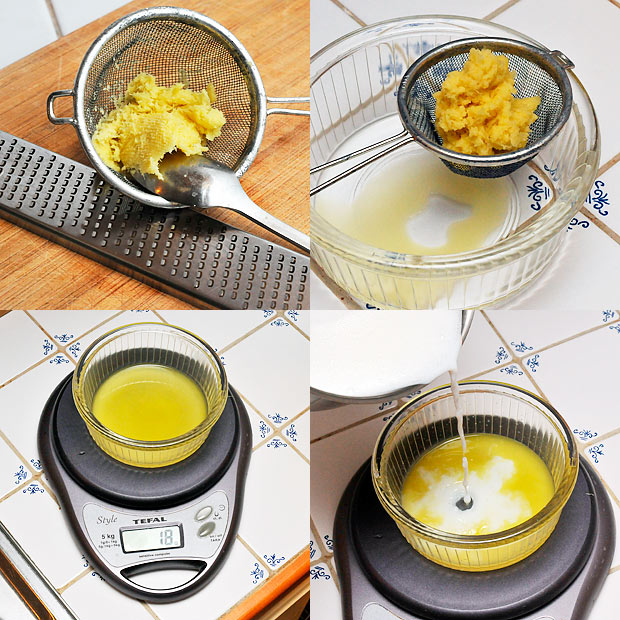
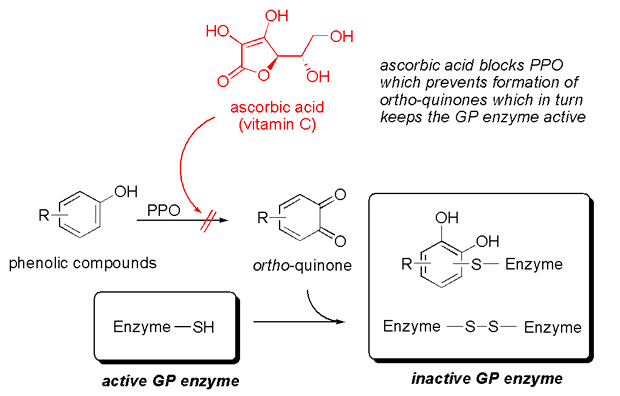
3. Freshness of Ginger Juice: The stability of ginger proteases in freshly squeezed ginger juice is surprisingly short-lived. At room temperature (around 30°C), the enzymes have a half-life of approximately 20 minutes, meaning half of their activity is lost within that time. After another 20 minutes, only 25% of the original activity remains. This rapid degradation is attributed to another enzyme present in ginger: polyphenol oxidase (PPO), the same enzyme responsible for the browning of apples. When ginger is grated, PPO is exposed to phenolic compounds, oxidizing them into ortho-quinones. These quinones can then react with and inactivate the ginger proteases. This explains why preparing ginger juice in advance and storing it without precautions can lead to failed attempts.
A simple scientific trick, however, can circumvent this issue: the addition of ascorbic acid (vitamin C). Ascorbic acid acts as an antioxidant, blocking the action of PPO, thereby preventing the inactivation of the ginger proteases. Adding a small pinch (approximately 0.2%) of vitamin C to freshly squeezed ginger juice can significantly extend the enzyme’s half-life, allowing for preparation in advance if needed.
4. Mixing Technique: The method of combining the milk and ginger juice is also crucial. Pouring the heated milk from a height directly into the ginger juice ensures rapid and sufficient mixing, initiating the enzymatic reaction throughout the mixture simultaneously. Crucially, the mixture should not be stirred after combining. Stirring can disrupt the delicate network of aggregating casein micelles as they begin to form, leading to a broken or granular curd rather than a smooth gel.
The Fool-Proof Recipe: A Scientific Synthesis
Based on these scientific insights, a reliable, fool-proof recipe can be formulated, eliminating the guesswork and frustration associated with traditional methods:
Fool-Proof Ginger Milk Curd
-
Ingredients:
- 250 mL skimmed milk
- 18 g fresh ginger juice (approximately 31 g peeled ginger or 43 g raw ginger)
- 20 g sugar
-
Instructions:
- Prepare Milk: Combine skimmed milk and sugar in a saucepan. Heat carefully, monitoring with a digital kitchen thermometer, until the mixture reaches precisely 65°C. Remove from heat immediately.
- Prepare Ginger Juice: While the milk is heating, peel fresh ginger and microplane it to maximize juice extraction. Squeeze out 18g of juice into the serving bowl(s). (Note: If preparing juice in advance, add a pinch of ascorbic acid (0.2% by weight) to stabilize the enzymes.)
- Combine and Set: Immediately after the milk reaches 65°C, pour it from a moderate height (e.g., 15-20 cm) directly into the bowl containing the ginger juice. This ensures instant and thorough mixing.
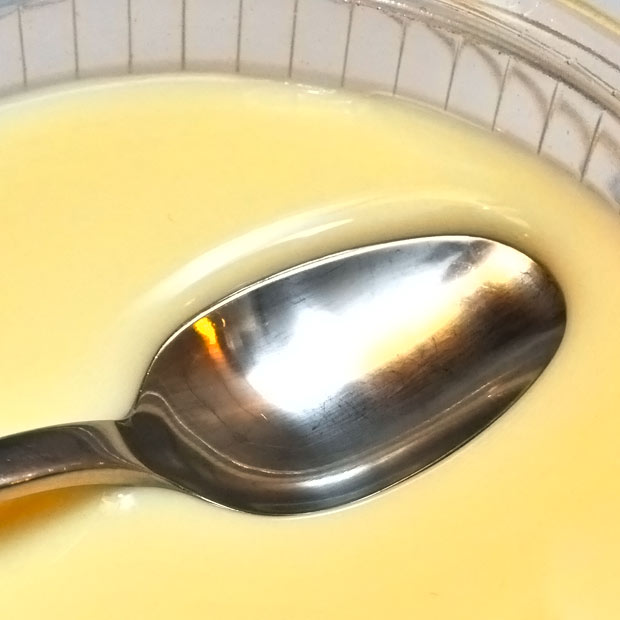
- Do NOT Stir: Allow the mixture to rest undisturbed at room temperature. Within 5-10 minutes, a firm gel will have formed, capable of supporting the weight of a spoon.
- Serve: The curd can be served immediately while warm or chilled in the refrigerator.
This recipe uses a milk-to-ginger juice ratio of approximately 14:1. While more ginger juice can be used for a stronger flavor, it may become overpowering. Reducing the amount would require further testing to ensure sufficient enzyme activity for gelling.
Broader Implications for Gastronomy and Food Science
The scientific demystification of ginger milk curd extends far beyond perfecting a single dessert.
Demystifying Home Cooking: This research empowers home cooks by transforming a seemingly temperamental recipe into a predictable process. Understanding the "why" behind each step allows for greater control and confidence in the kitchen, moving cooking from mere instruction following to applied science.
Innovation in Plant-Based Coagulants: The success with ginger proteases opens doors for broader applications in the food industry. Traditionally, animal-derived rennet (containing chymosin) has been the gold standard for milk coagulation in cheesemaking. However, there is growing demand for vegetarian and vegan alternatives. Research has already explored other plant extracts, such as those from kiwi and melon, which also contain proteases with milk-clotting activity at different optimal temperatures (40°C for kiwi, 70°C for melon). Ginger’s specific activity and temperature profile could make it a valuable candidate for developing novel plant-based coagulants, potentially leading to new varieties of vegetarian cheeses or dairy-free desserts.
Educational Value: The ginger milk curd serves as an excellent, accessible model for teaching fundamental principles of biochemistry, enzyme kinetics, and protein chemistry in culinary schools and science classrooms. It vividly illustrates concepts like enzyme specificity, denaturation, half-life, and the structural role of proteins in food systems.
Future Research Avenues: While a fool-proof recipe has been established, the scientific journey continues. Further experimentation could explore:
- The impact of different ginger varieties on protease activity and flavor profiles.
- Precise optimization of calcium levels in milk to fine-tune gel strength.
- The effect of varying sugar concentrations on gel texture and stability.
- The potential for combining ginger proteases with other plant-based coagulants for synergistic effects or novel textures.
- Detailed analysis of the rheological properties of ginger milk curd under various conditions.
In conclusion, the transformation of ginger milk curd from a dish reliant on elusive "skill and luck" to one achievable through scientific precision underscores the profound impact of food science on culinary practices. By rigorously investigating the biochemical mechanisms at play, researchers have not only perfected a beloved dessert but also provided valuable insights that could inspire innovation across the broader food industry, reinforcing the idea that cooking, at its heart, is a delicious application of chemistry. The persistent "kitchen myths" now give way to verifiable facts, paving the way for consistent culinary success.
References:
Mazorra-Manzano, M. A.; Perea-Gutiérrez, T. C.; Lugo-Sánchez, M. E.; Ramirez-Suarez, J. C.; Torres-Llanez, M.; González-Córdova, A. F.; Vallejo-Cordoba, B. “Comparison of the milk-clotting properties of three plant extracts” Food Chem. 2013, 141, 1902-1907. DOI: 10.1016/j.foodchem.2013.05.042
Su, H.-P.; Huang, M.-J.; Wang, H.-T. “Characterization of ginger proteases and their potential as a rennin replacement” J. Sci. Food Agric. 2009, 89, 1178-1185. DOI: 10.1002/jsfa.3572
Chen, Y.-Y. “Factors Affecting Protease Activity of Ginger and Its Application in Milk Clotting Products”, 2004, Thesis (Language: Chinese).