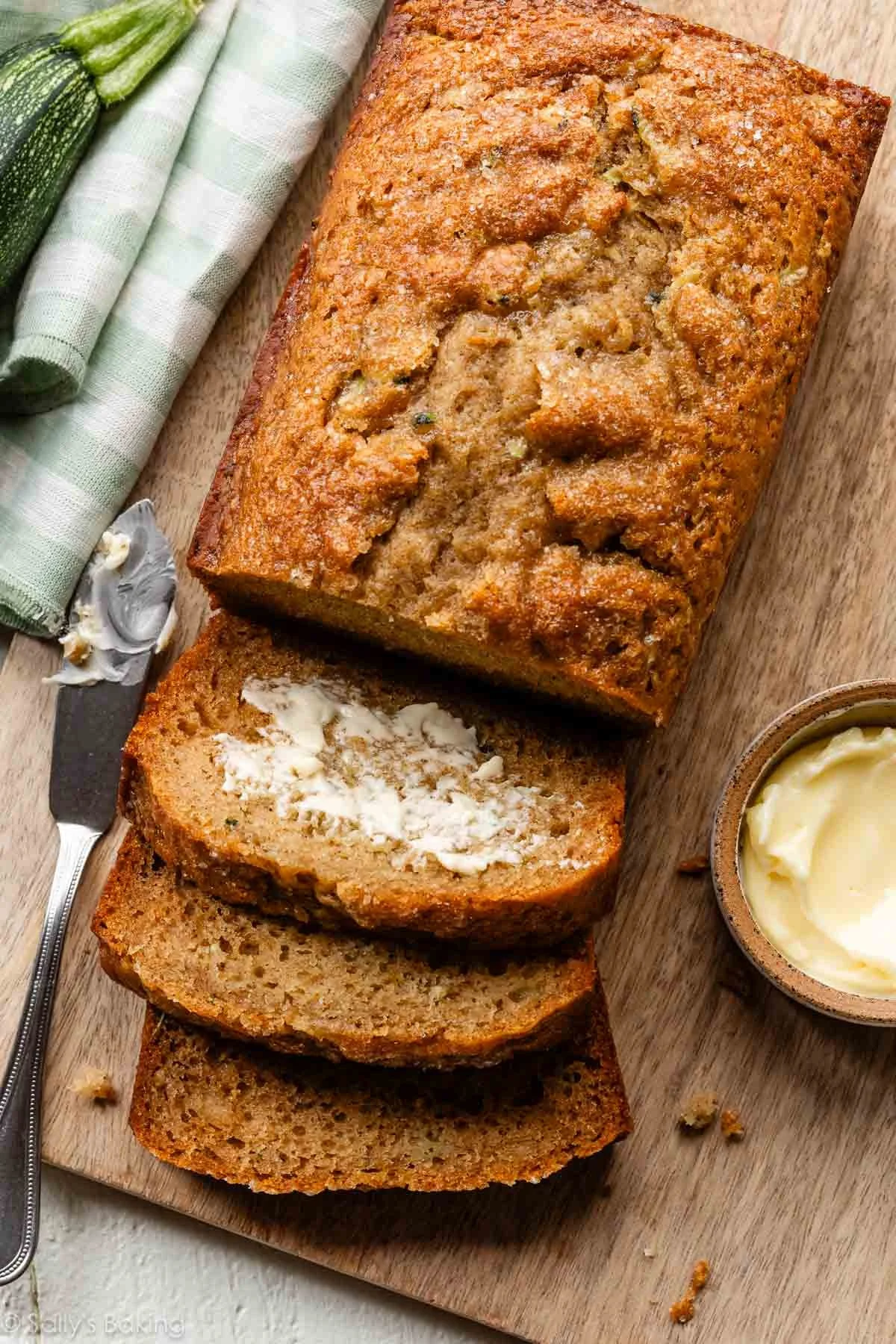

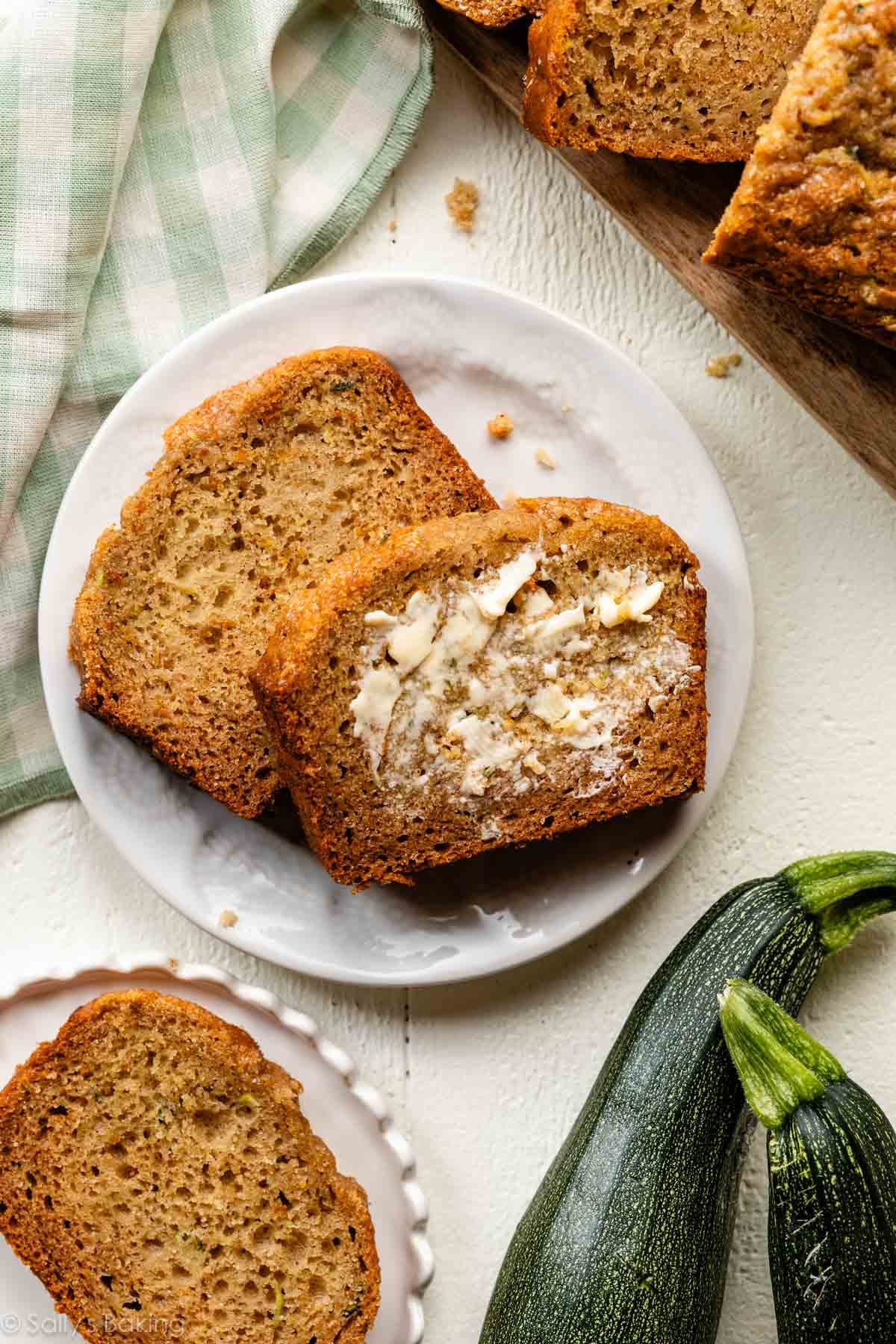
This particular Greek yogurt zucchini bread recipe stands as a prominent example of modern baking that successfully marries health-conscious ingredients with exceptional flavor and texture. Characterized by its natural sweetness derived from honey, its use of wholesome components, and the significant moisture contribution from Greek yogurt and fresh zucchini, it delivers a soft, flavorful, and accessible baking experience. The simplicity of its preparation, requiring only a couple of mixing bowls and no specialized mixer, further underscores its appeal to contemporary home bakers seeking both quality and convenience.
A Recipe’s Evolution: From Conception to Refinement
Originally introduced to the public in 2015, this recipe has undergone subsequent updates, incorporating new photographic documentation and refined success tips. This iterative development reflects a broader trend in digital culinary content, where recipes are continuously optimized based on user feedback, evolving ingredient availability, and advancements in baking techniques. Such revisions ensure that the recipe remains relevant, reliable, and continues to meet the expectations of a discerning audience seeking reliable, healthier alternatives to traditional baked goods. The enduring popularity of this zucchini bread, which has been consistently lauded by its practitioners, positions it as a staple for utilizing seasonal summer zucchini.
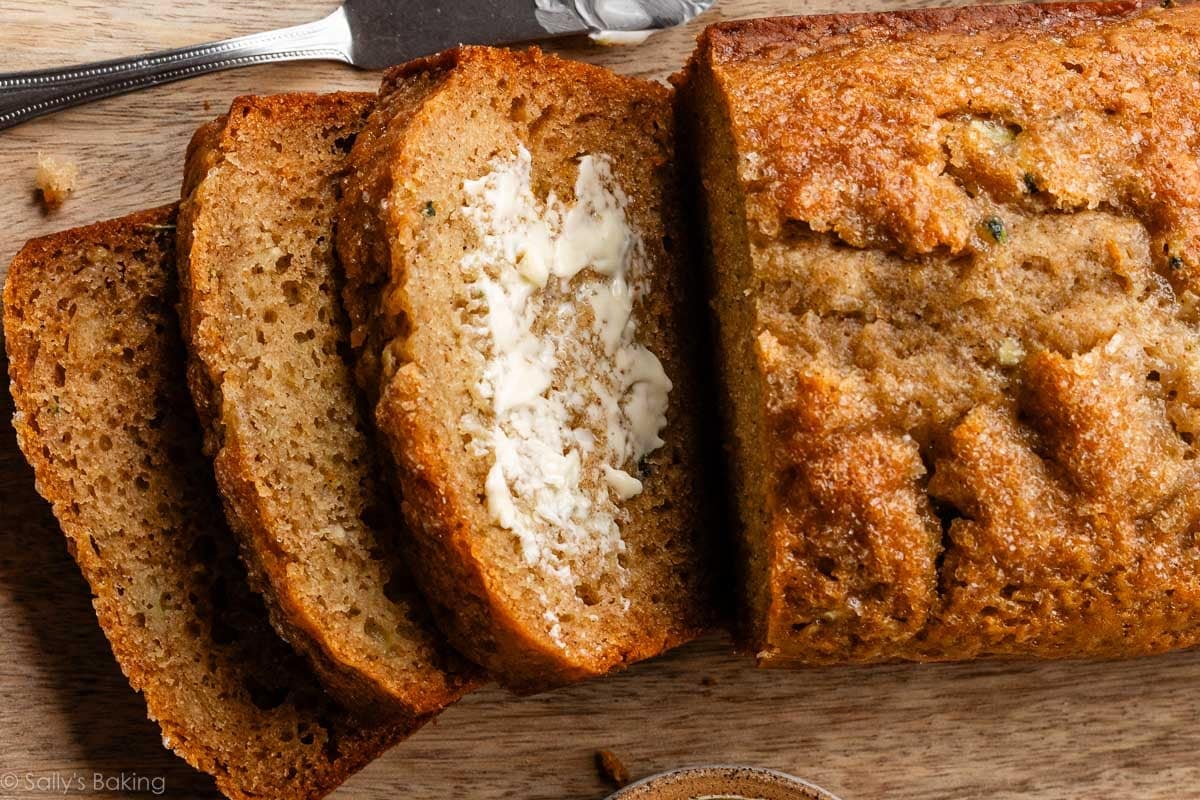
This recipe represents a healthier interpretation of classic zucchini bread, a staple in American home baking. The resulting loaf consistently achieves a wonderfully moist interior with a tender crumb, complemented by a subtly spiced flavor profile. Its inherent versatility allows for numerous customizations, including the addition of chopped nuts such as walnuts for textural contrast, dried cranberries or fresh blueberries for a burst of fruitiness, or chocolate chips for a sweeter indulgence. Furthermore, the batter can be adapted to produce Greek yogurt zucchini muffins, offering an equally delicious and convenient serving format. This adaptability, combined with its straightforward preparation and consistent results, solidifies its status as a favored method for incorporating surplus summer zucchini into delectable treats.
The Nutritional Powerhouse: Deconstructing Key Ingredients
The success and appeal of this Greek yogurt zucchini bread are intrinsically linked to its carefully selected core ingredients, each contributing distinct nutritional and textural benefits.
-
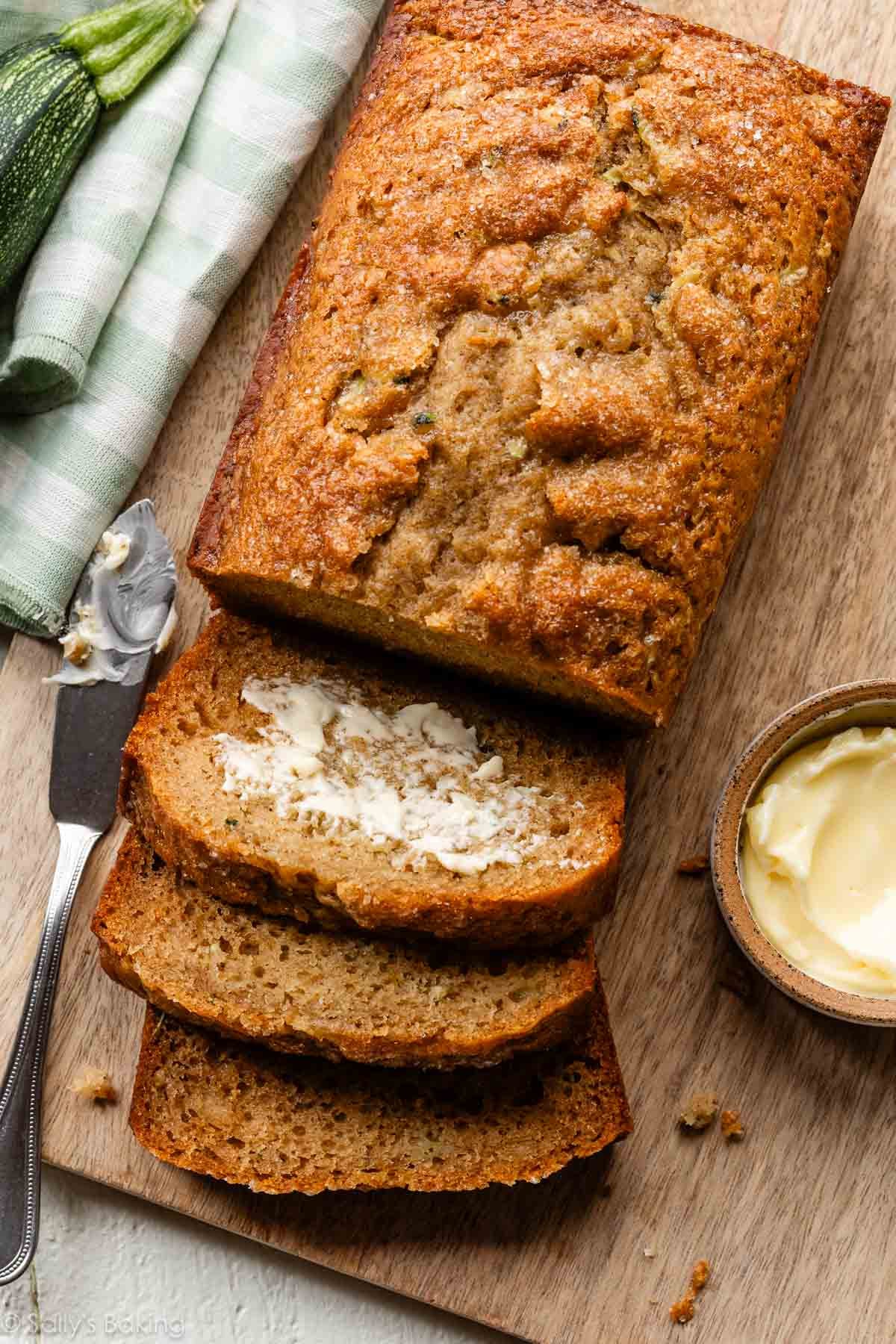
Zucchini: More Than Just Filler: Fresh zucchini, often overlooked for its culinary versatility beyond savory dishes, plays a crucial role. Comprising over 90% water, it contributes significant moisture to the bread, allowing for a reduction in added fats while ensuring a tender crumb. Beyond moisture, zucchini is a source of essential nutrients, including Vitamin C, Vitamin A (particularly in its skin), potassium, and dietary fiber. Its neutral flavor profile ensures it complements the other ingredients without overpowering them, while its fibrous structure adds subtle texture. The abundance of zucchini during summer months makes this recipe an excellent strategy for reducing food waste and embracing seasonal eating.
-
Greek Yogurt: The Moisture and Protein Catalyst: As a cornerstone ingredient, Greek yogurt elevates this recipe beyond its traditional counterparts. Unlike conventional yogurts, Greek yogurt is strained, resulting in a thicker, creamier consistency with a higher protein content and lower lactose. In baking, it functions as a potent humectant, locking in moisture and contributing to the bread’s soft texture. Its inherent acidity reacts with leavening agents, promoting a higher rise and a lighter crumb. Furthermore, it serves as a healthier alternative to butter or oil, reducing the overall fat content while boosting the protein profile, making the bread more satisfying.
-
Honey: Nature’s Sweetener and Flavor Enhancer: The choice of honey as a primary sweetener aligns with the recipe’s wholesome philosophy. Honey, a natural sugar, offers a complex flavor profile that complements the subtle spice and fresh zucchini notes. Beyond its sweetness, honey possesses humectant properties, further contributing to the bread’s moistness and extending its shelf life. It also contains trace amounts of antioxidants, adding a minor nutritional benefit compared to refined sugars. The use of natural sweeteners like honey reflects a growing consumer preference for less processed ingredients.
-
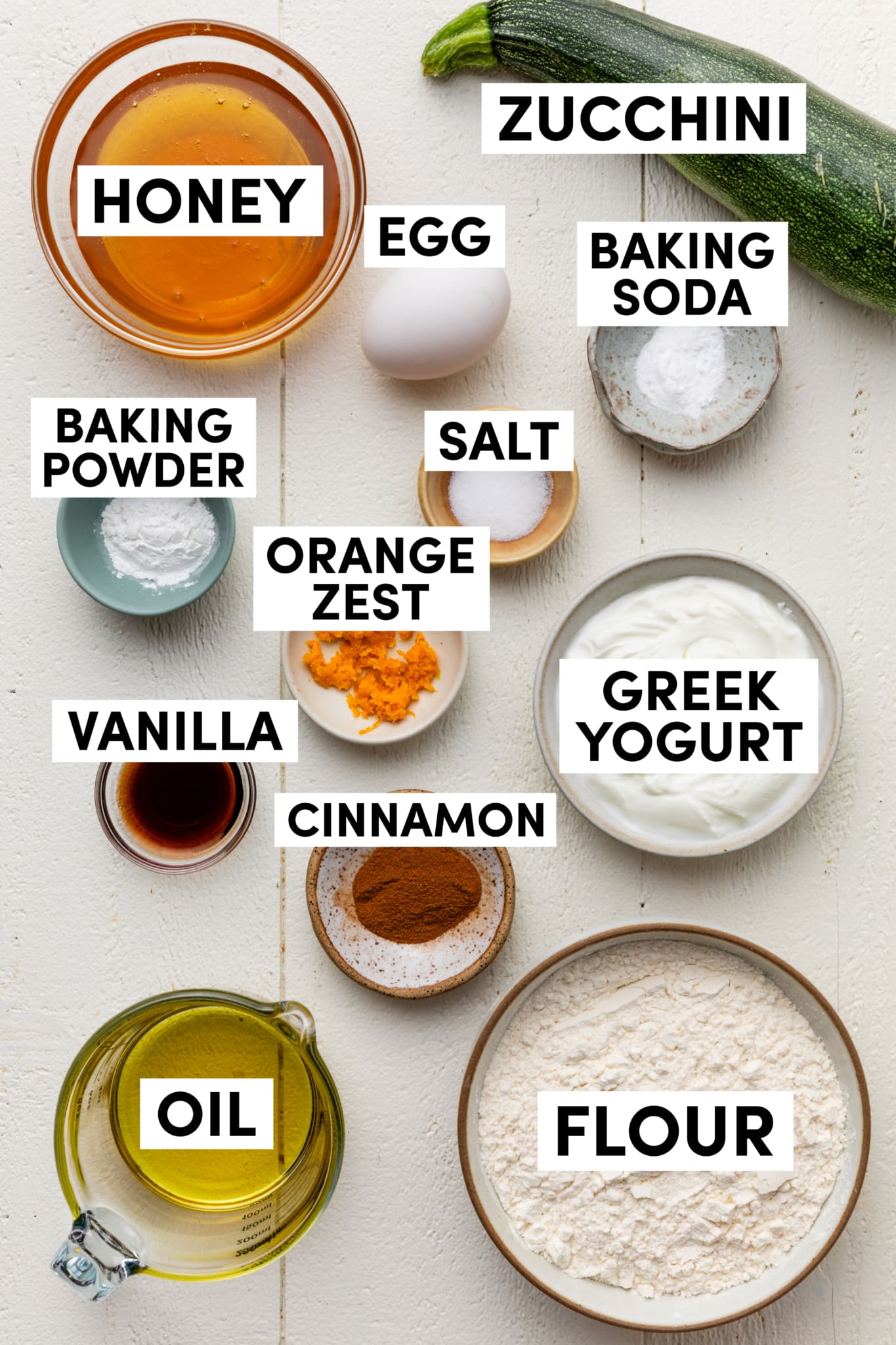
The Wholesome Ingredient Philosophy: The overarching philosophy of this recipe emphasizes the use of accessible, nutrient-dense ingredients. Beyond zucchini, Greek yogurt, and honey, a typical recipe might include whole wheat flour (or a blend with all-purpose flour for texture), eggs (for structure and richness), a modest amount of healthy oil (like canola or olive oil), and baking soda/powder for leavening. Spices such as cinnamon or nutmeg are often included to enhance the flavor profile, creating a comforting aroma. This combination results in a bread that is not only delicious but also provides a more balanced nutritional contribution than many traditional sweet quick breads.
Seamless Preparation: A Nod to Accessible Home Baking
The streamlined preparation process is a significant factor in this recipe’s broad appeal. It comes together quickly, utilizing only two mixing bowls – one for dry ingredients and one for wet. This minimalist approach eliminates the need for specialized equipment like stand mixers, making it approachable for novice bakers and time-constrained individuals alike.
The methodology typically involves whisking the dry ingredients (flour, leavening agents, spices) in one bowl to ensure even distribution. Concurrently, the wet ingredients (Greek yogurt, honey, eggs, oil, vanilla extract) are combined in a separate bowl. For optimal results and the smoothest batter, the use of room-temperature ingredients is highly recommended. This is a fundamental principle in baking; room-temperature ingredients emulsify more readily, creating a more cohesive and uniform batter, which in turn leads to a better-textured final product. Cold ingredients can cause clumping and make the batter dense.
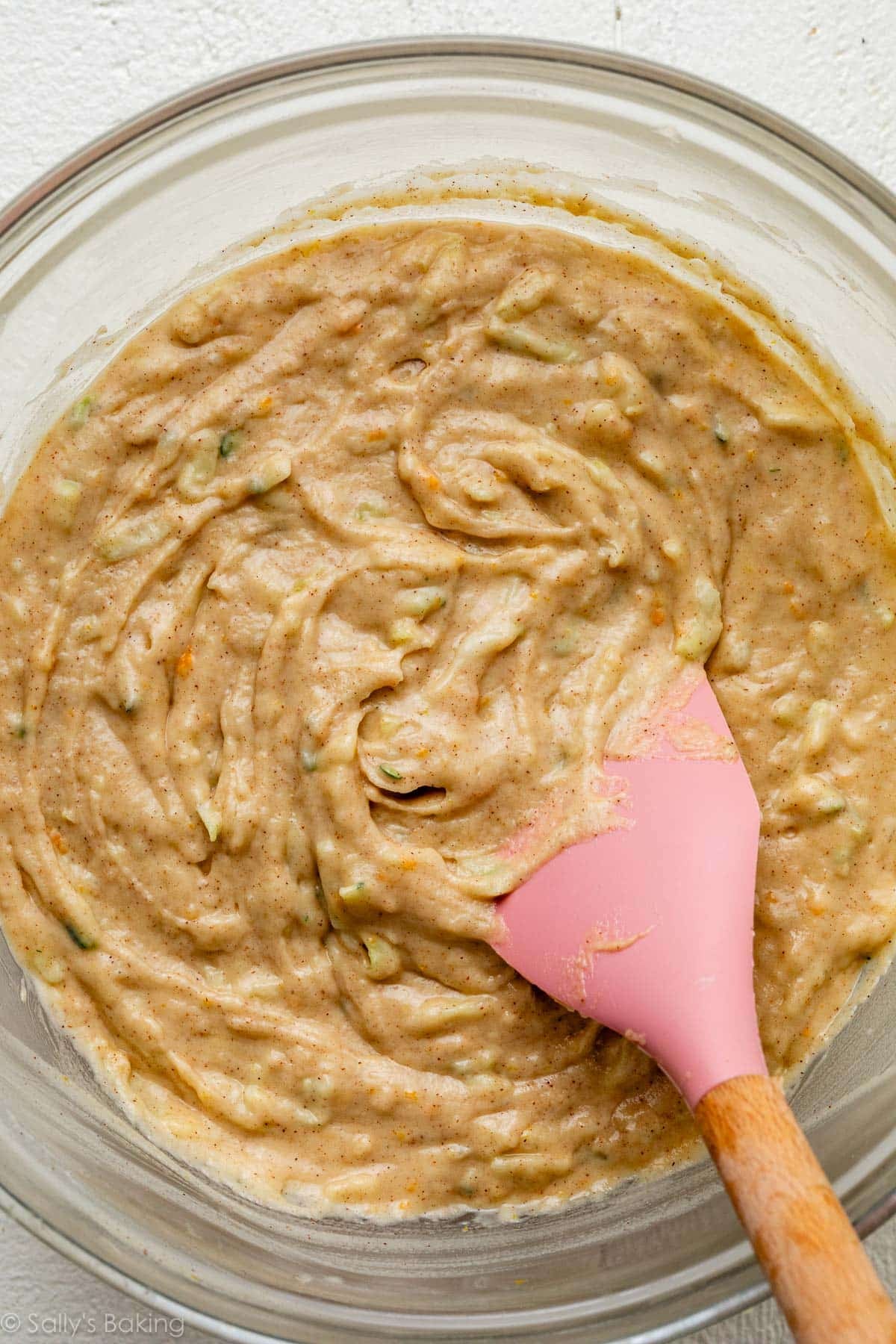
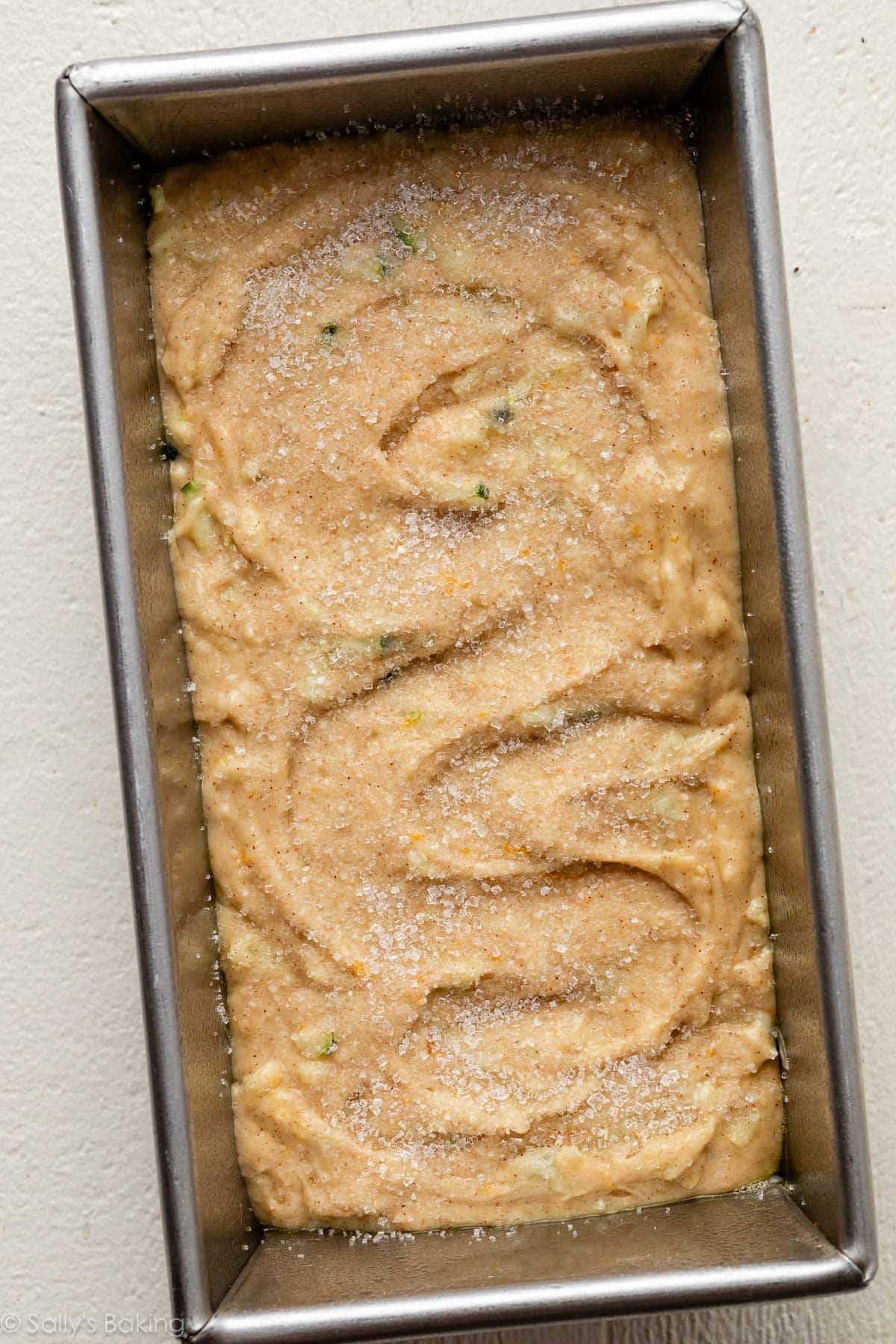
Once combined separately, the wet ingredients are gently folded into the dry, mixing only until just combined. Overmixing at this stage is a common pitfall in quick bread baking, as it can overdevelop gluten, leading to a tough, chewy texture. The grated zucchini and any chosen add-ins, such as orange zest, walnuts, or chocolate chips, are then gently folded in. The resulting batter is characteristically thick, which is precisely the desired consistency for a moist, sturdy loaf. Optionally, a light sprinkle of coarse sugar, such as turbinado sugar, on top of the batter before baking can provide a delightful textural crunch and a visually appealing finish.
Optimizing the Bake: Equipment and Technique
The choice of baking vessel plays a subtle yet critical role in the final outcome of the Greek yogurt zucchini bread. For achieving the ideal structure – a tall, beautifully domed top and a consistently soft, moist center – an 8.5 x 4.5-inch loaf pan, often labeled as a "1-lb loaf pan," is recommended. This specific dimension encourages the batter to rise higher, concentrating the heat more effectively and promoting an even bake.
Conversely, using a larger 9 x 5-inch pan will result in a shorter loaf due to the increased surface area and shallower batter depth. While still yielding a delicious product, the baking time will likely be reduced, necessitating careful monitoring to prevent overbaking and drying out the bread. Regardless of the pan size, proper greasing and flouring, or lining with parchment paper, is essential to ensure easy release of the baked loaf. Baking at the correct temperature for the specified duration is paramount; a skewer or toothpick inserted into the center should come out with moist crumbs, but not wet batter, indicating doneness. Cooling the bread in the pan for a short period before transferring it to a wire rack allows it to set properly and prevents it from becoming soggy.
Community Endorsement: Real-World Impact
The real-world success of this Greek yogurt zucchini bread recipe is strongly affirmed by enthusiastic feedback from the baking community. Testimonials from home bakers frequently highlight its efficacy and deliciousness, particularly its ability to appeal to even the most discerning palates, including children. For instance, one reader, Ashley, reported making the recipe as muffins, noting, "These are excellent! Made the muffins last night and they’re already almost all gone. I peeled the zucchini before I grated it and it’s the first time my vegetable-hesitant preschooler has eaten zucchini bread (and he asked for thirds)." This anecdotal evidence underscores the recipe’s capacity to subtly incorporate vegetables into diets, making it a valuable tool for parents. Another reader, Val, succinctly praised it as the "Best healthier zucchini bread I’ve made yet," directly validating its claim as a superior, health-conscious option. Such feedback is crucial in the digital age, serving as social proof and guiding other potential bakers towards reliable and enjoyable recipes.
Beyond the Bread: Broader Culinary Implications
The enduring popularity and success of this Greek yogurt zucchini bread recipe extend beyond its immediate culinary attributes, carrying broader implications for contemporary home cooking and dietary trends.
-
Seasonal Utilization and Food Waste Reduction: The recipe serves as an exemplary model for utilizing seasonal produce, particularly during the summer months when zucchini is abundant. This practice aligns with growing consumer interest in sustainable eating and minimizing food waste, transforming garden gluts into delicious, wholesome treats. By providing a palatable and versatile method for consuming vegetables, it encourages a more mindful approach to grocery shopping and meal planning.
-
The Health-Conscious Baking Movement: This zucchini bread is a vanguard of the health-conscious baking movement, demonstrating that baked goods can be both indulgent and nutritious. It caters to a demographic increasingly seeking options that reduce refined sugars and unhealthy fats while incorporating beneficial ingredients like whole grains, fruits, and vegetables. This shift reflects a wider societal trend towards wellness and preventative health through dietary choices. The inclusion of Greek yogurt for protein and moisture, alongside honey for natural sweetness, directly addresses these consumer demands.
-
Inspiring Further Culinary Exploration: Recipes like this often serve as a gateway to further culinary exploration. Home bakers, having experienced success with this versatile formula, are often inspired to experiment with other vegetable-based baked goods or to adapt the core principles of using Greek yogurt and natural sweeteners to other recipes. The mention of related recipes such as zucchini cake, zucchini fritters, and zucchini biscuits within the same culinary platform highlights a comprehensive approach to leveraging a single ingredient across diverse dishes, both sweet and savory. This encourages creativity and expands the home cook’s repertoire, fostering a more dynamic and engaging relationship with food preparation.
In conclusion, this Greek yogurt zucchini bread is more than just a recipe; it is a testament to the evolving landscape of home baking. It encapsulates a blend of convenience, nutritional awareness, and culinary versatility, making it a staple for modern kitchens. Its ability to transform a humble summer squash into a moist, flavorful, and adaptable treat, while aligning with contemporary health and sustainability trends, ensures its continued relevance and popularity during zucchini season and beyond.