
The enduring popularity of the apple crisp, a staple of North American autumn cuisine, represents more than just a seasonal dessert; it serves as a historical intersection of agricultural heritage and domestic culinary tradition. While modern variations have evolved to include sophisticated flavor profiles and diverse techniques, the fundamental structure of the dish—stewed fruit topped with a baked, crumbly mixture of flour, sugar, and fat—remains one of the most reliable preparations in home cooking.
The Historical Context of Fruit Crisps
The apple crisp emerged as a prominent household dish during the early 20th century, specifically gaining traction in the United States during the Great Depression. As families sought ways to stretch ingredients, the fruit crisp became a practical alternative to the labor-intensive apple pie. Unlike pies, which require the precise preparation of pastry dough, a crisp offers a forgiving, rustic method for utilizing the seasonal apple harvest. Historical records from the 1920s indicate that the term "apple crisp" first appeared in print in the Appleton Post-Crescent in 1924, signaling its entry into the broader American culinary lexicon.
Botanical and Culinary Significance of Apple Varieties
The success of an apple crisp is heavily dependent on the variety of fruit selected. Culinary experts and food scientists emphasize the importance of "baking apples," which possess the structural integrity to maintain their shape under high-heat, moisture-heavy conditions. Honeycrisp, Granny Smith, and Braeburn are frequently cited as the gold standard for these preparations.

The Honeycrisp, developed by the University of Minnesota and released in 1991, has become a favorite for this specific dessert due to its unique cell structure. When heated, these apples undergo a transition from a crisp, raw state to a "jammy" consistency, a chemical process caused by the breakdown of pectin within the fruit’s cell walls. This creates a natural syrup that, when combined with cinnamon and sugar, provides the structural foundation for the dish.
The Mechanics of the Topping
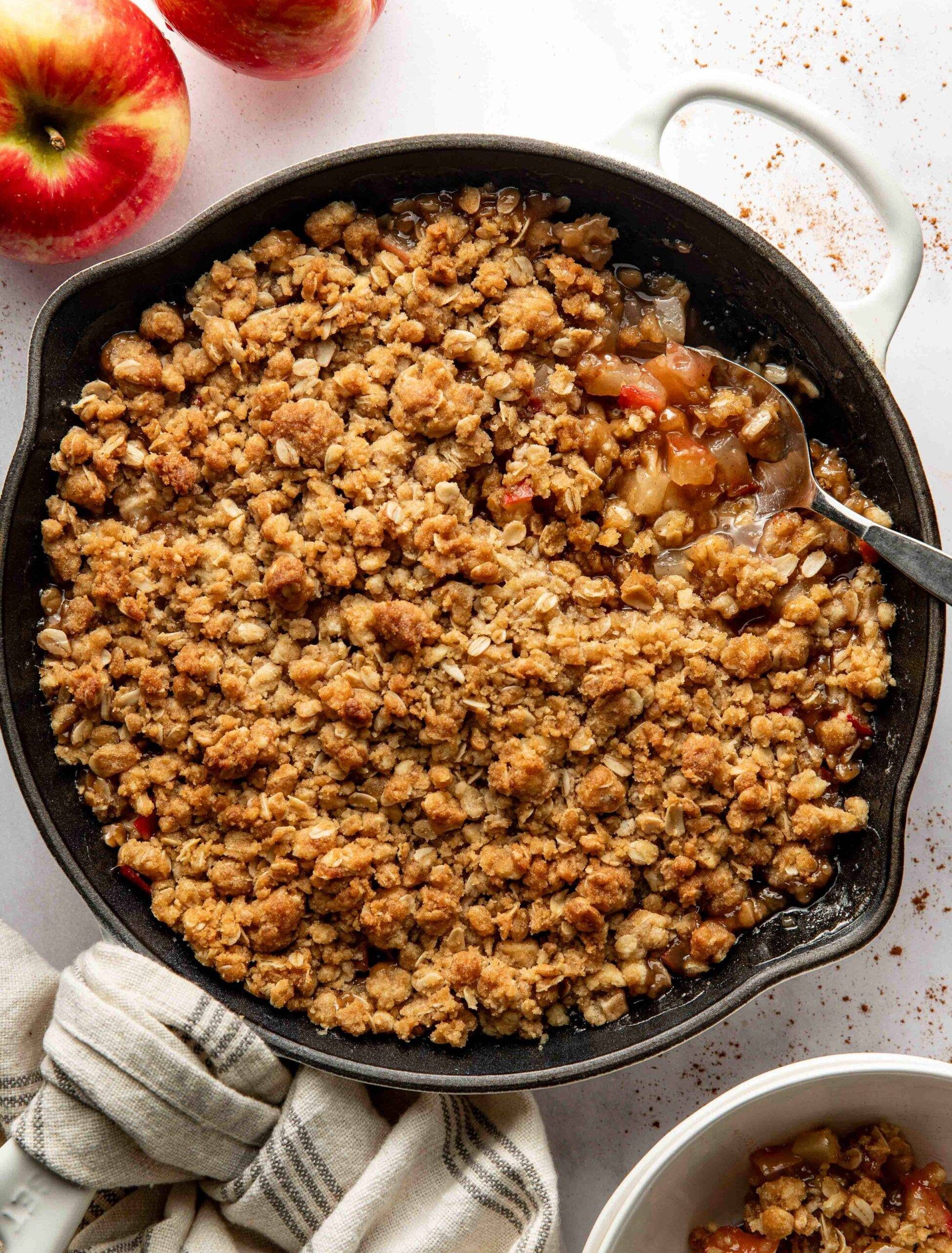
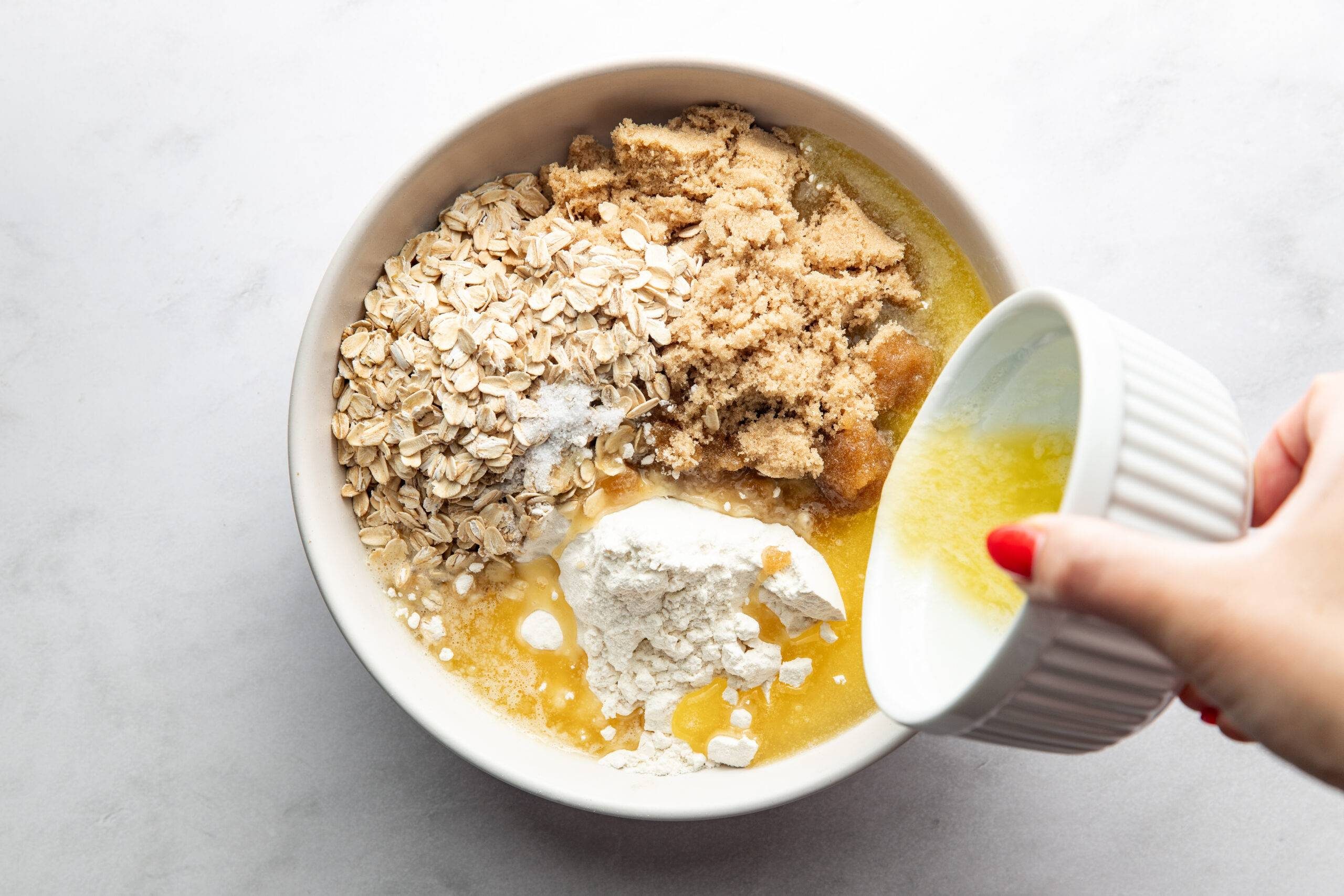
The defining feature of a professional-grade apple crisp is the contrast between the tender fruit base and the crunchy, buttery topping. This layer, typically composed of oats, flour, brown sugar, and cold butter, relies on the Maillard reaction—a chemical reaction between amino acids and reducing sugars that gives browned food its distinctive flavor.
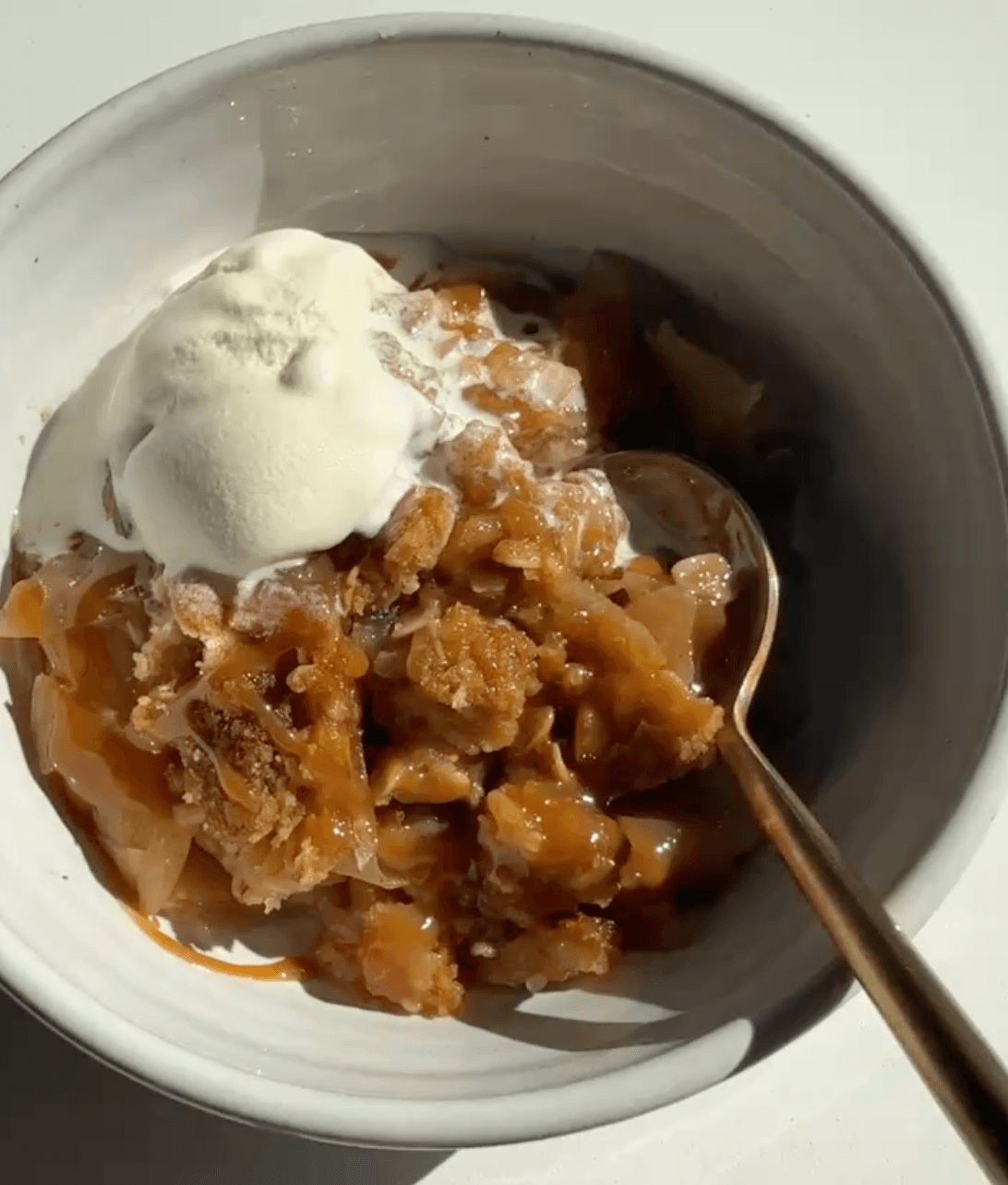
To achieve the ideal texture, the butter must be integrated into the dry ingredients while still cold. This prevents the fats from melting prematurely, allowing them to coat the flour and oat particles, which creates a crumbly texture rather than a homogenous paste. The addition of rolled oats contributes not only to the structural crunch but also to the nutritional profile of the dessert, adding fiber and a complex, nutty flavor that complements the acidity of the apples.
Culinary Methodology: A Step-by-Step Analysis
The preparation of a classic apple crisp follows a standardized culinary process that emphasizes ingredient preparation and thermal management:

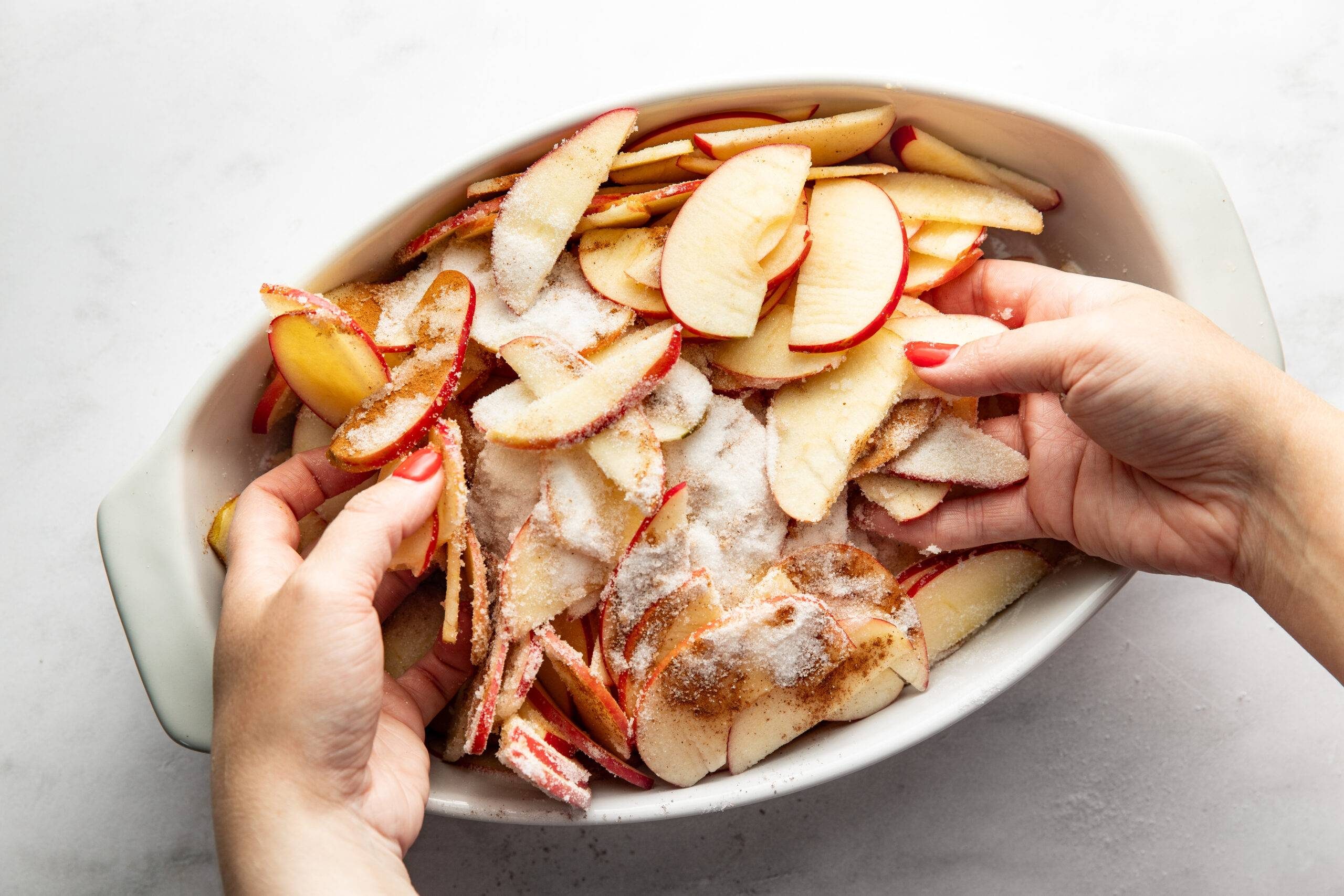
- Preparation of the Fruit: Whether utilizing a mandoline for uniform slices or hand-dicing for a more rustic texture, the goal is consistency. Coating the fruit in a mixture of cinnamon, sugar, and a thickening agent (such as flour or cornstarch) ensures that the liquid released during the baking process develops into a thick, concentrated glaze rather than a watery consistency.
- The Crumble Assembly: The topping is arguably the most critical component. The technique involves a "rub-in" method, where the fat is incorporated until the mixture resembles coarse sand.
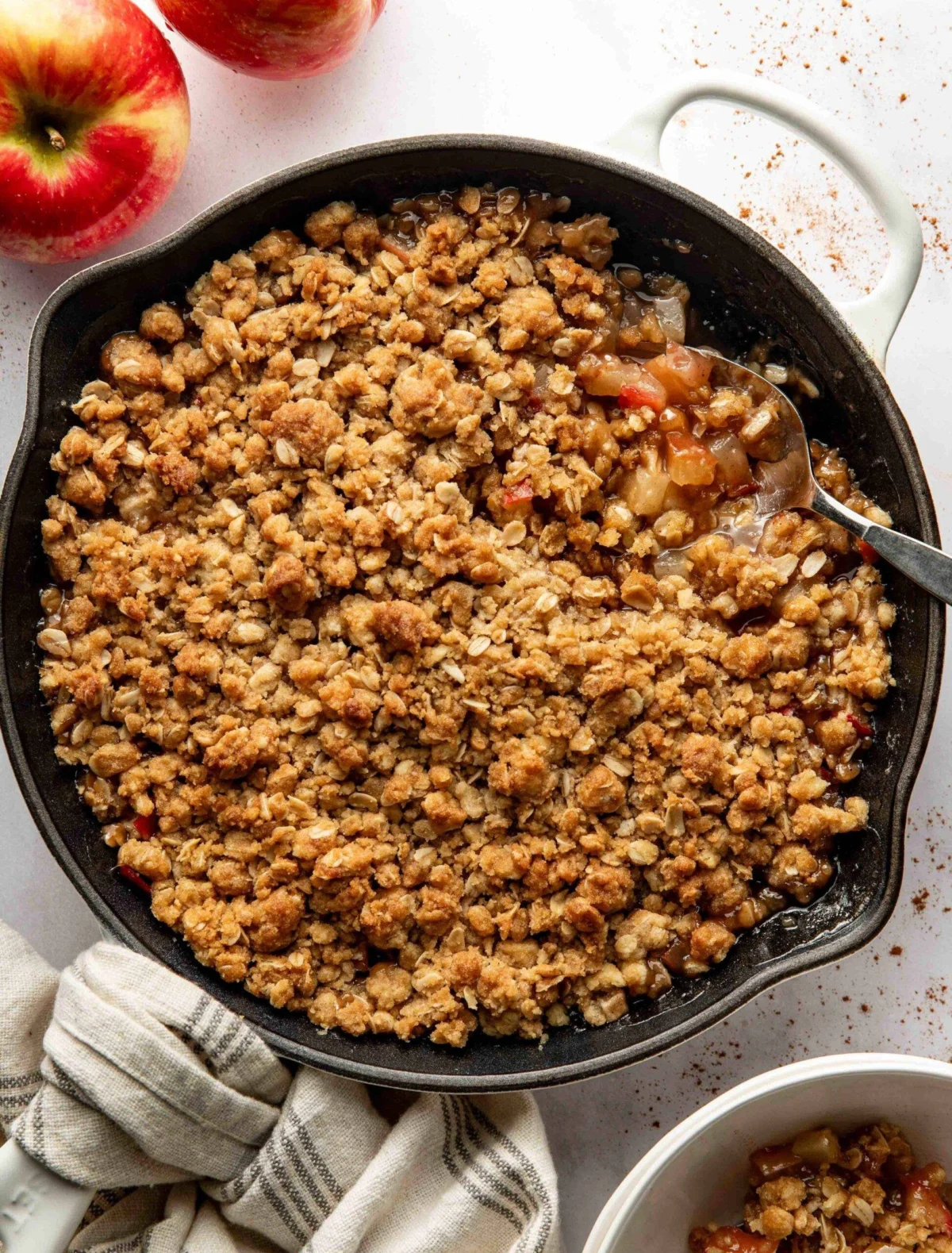
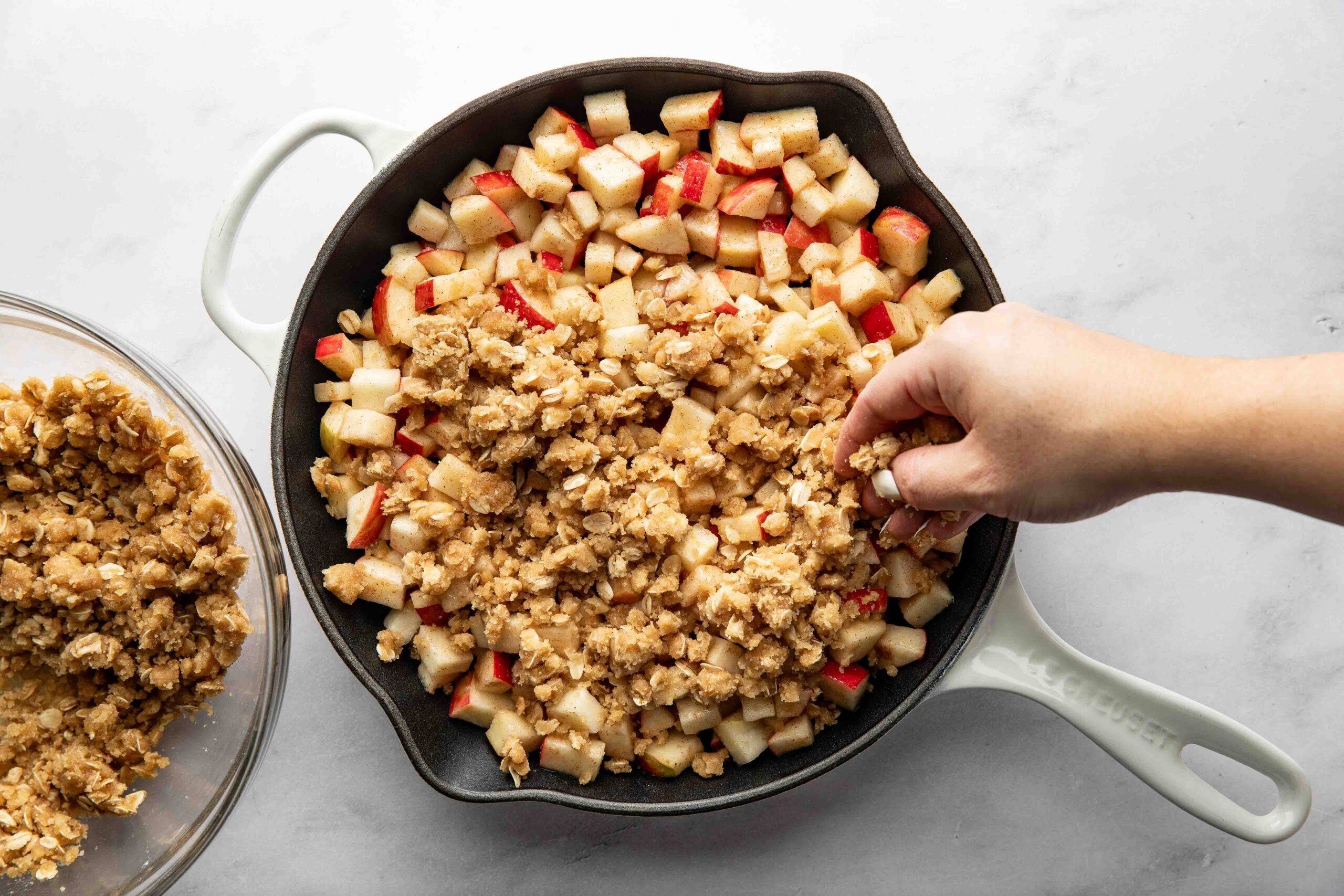
- Thermal Application: Baking in a cast-iron skillet is often recommended by culinary professionals for two primary reasons: the heat retention properties of iron and the even distribution of heat across the bottom and sides of the pan. This results in an uniform "jamming" of the apples while simultaneously crisping the surface of the topping.
- The Cooling Period: Following the removal from the oven, a brief resting period is essential. This allows the fruit juices to stabilize and thicken, ensuring the structural integrity of the dessert when served.
Economic and Social Implications
The seasonal nature of apple crisp preparation aligns with the broader agricultural calendar. In the United States, apple production peaks between late August and early November, a period that coincides with a marked increase in household baking activity. According to data from the U.S. Department of Agriculture (USDA), the apple industry contributes significantly to the national economy, with per capita consumption remaining stable even as dietary preferences shift toward processed alternatives.
Furthermore, the act of home baking—specifically the preparation of "heritage" recipes—serves as a significant social catalyst. Anthropological studies suggest that the preparation of traditional desserts facilitates communal bonding. The sensory experience of the smell of cinnamon and baked fruit is frequently linked to "nostalgia marketing" and the strengthening of familial ties during holiday gatherings.
Expert Perspectives on Recipe Development
Culinary educators note that the "peel-on" versus "peel-off" debate remains a point of contention among home cooks. While some argue that peeling is necessary for a refined texture, others suggest that leaving the skins intact provides additional color, flavor, and fiber. From a technical standpoint, the skin becomes soft enough to be unobtrusive during the extended baking time required for the crisp, rendering the labor of peeling largely optional.
The use of a cast-iron skillet, while often associated with a "homestead" aesthetic, serves a legitimate culinary purpose. The pan’s high thermal mass allows for a steady temperature, preventing the edges of the fruit from scorching before the center has reached the desired level of doneness. This ensures that the contrast between the "jammy" apples and the "crisp" topping is preserved.
Broader Trends in Modern Baking
In recent years, the trend toward "simplified" recipes—those that rely on minimal ingredients and straightforward techniques—has gained momentum. The Apple Crisp stands at the forefront of this movement. Unlike complex desserts like soufflés or tiered cakes, which require high degrees of technical precision, the crisp is inherently forgiving. This accessibility makes it a primary entry point for novice bakers, contributing to its sustained popularity across generations.
The evolution of the recipe also reflects changing consumer preferences. Modern adaptations now frequently experiment with the addition of spices such as cardamom, ginger, or even miso to the topping, illustrating how a traditional dish can remain relevant through subtle, innovative adjustments. Despite these variations, the core request remains the same: a reliable, comforting dish that bridges the gap between raw agricultural product and finished, elevated dessert.
In conclusion, the apple crisp remains a significant element of the North American culinary landscape. Its success is rooted in the chemistry of its components, the simplicity of its preparation, and its historical association with the autumn harvest. Whether prepared as a rustic skillet dessert or a refined individual serving, the dish exemplifies the intersection of tradition and functional culinary design, maintaining its status as a foundational element of the seasonal diet.