
The modern workplace has undergone a significant transformation, with many professionals moving away from traditional communal breakrooms. As office layouts evolve to favor open-plan designs and hybrid work environments, the access to shared kitchen appliances—specifically the communal microwave—has become increasingly unreliable or nonexistent. Consequently, the challenge of maintaining a nutritious, cost-effective, and appetizing lunch routine has shifted toward cold meal preparation. By designing menus specifically for cold consumption, individuals can circumvent the logistical hurdles of reheating while ensuring consistent nutritional intake.
The Shift Toward Cold Meal Logistics
The reliance on microwaves is often a byproduct of the standard "leftover" culture, where dinner portions are repurposed for the next day’s lunch. However, food scientists note that many dishes lose structural integrity and sensory appeal when subjected to repeated heating cycles. Cold meal preparation requires a strategic shift in ingredient selection. By focusing on components that maintain texture—such as al dente pasta, hardy greens, and proteins that are flavorful at room temperature—meal prep becomes a more efficient process.
According to a 2023 survey on workplace dining habits, approximately 42% of professionals who meal prep express dissatisfaction with the quality of reheated food, citing "soggy textures" and "uneven heating" as primary deterrents. Transitioning to cold-first meal planning addresses these concerns directly, provided that food safety protocols regarding temperature control are strictly followed.
Nutritional Efficiency and Protein Integration
A well-balanced cold lunch should prioritize a stable macronutrient profile. Incorporating high-quality proteins such as rotisserie chicken, shrimp, or hard-boiled eggs ensures satiety, while complex carbohydrates like whole-grain pasta or fiber-rich vegetables maintain energy levels throughout the afternoon.
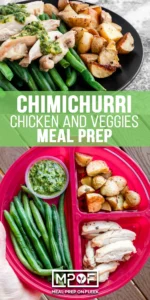
For instance, the integration of lean proteins into a bento-style box provides a consistent 20 to 30 grams of protein per serving. This is crucial for metabolic regulation and sustained cognitive function. When preparing these meals, the chronological order of assembly matters. Ingredients should be categorized into "sturdy" and "delicate." Sturdy items, such as pre-cooked grains or roasted meats, can be portioned early in the week, while delicate items—such as avocado or fresh vinaigrettes—should be added at the point of consumption to prevent oxidative browning or the wilting of greens.
Chronological Preparation Framework
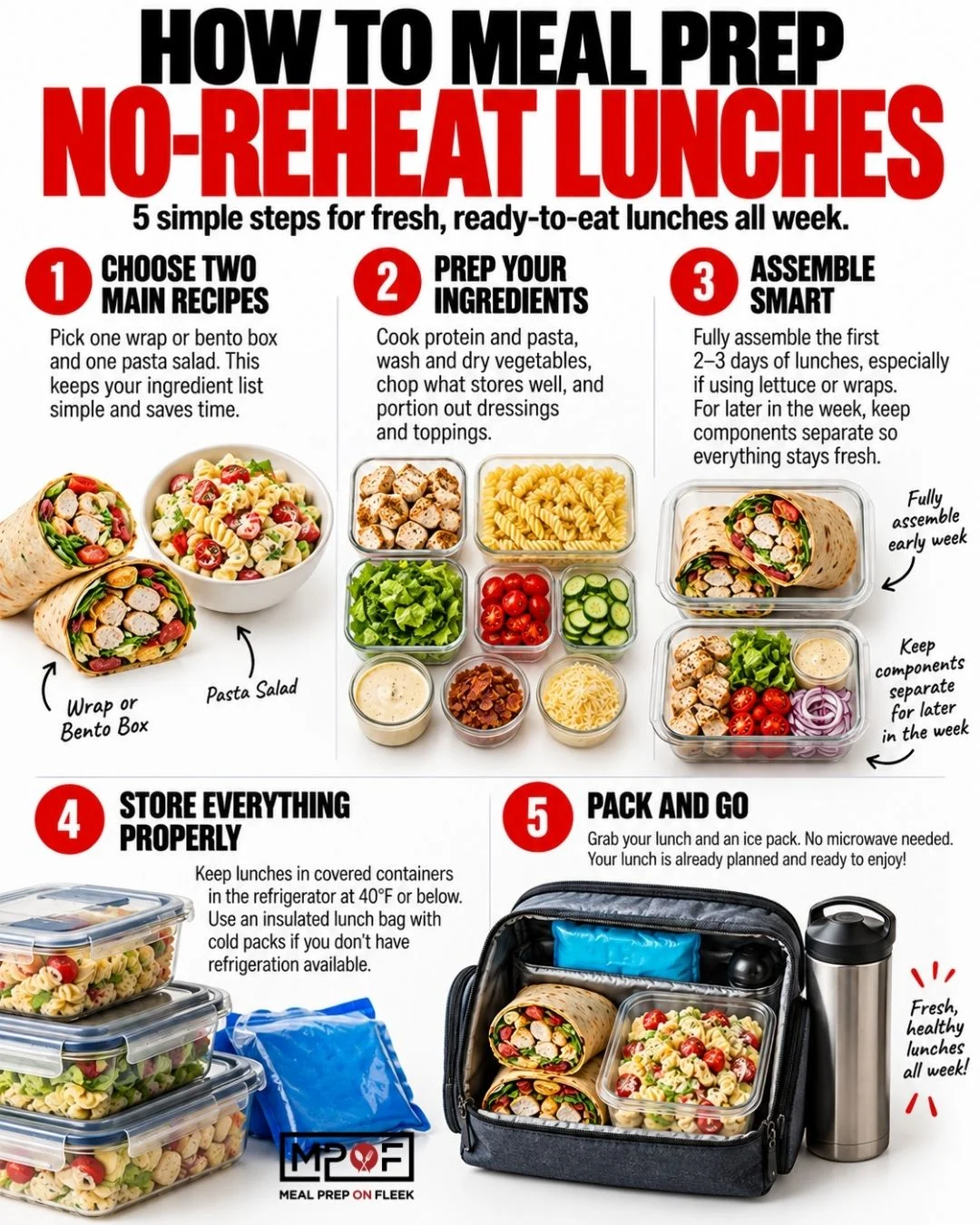
To maximize efficiency, culinary planners recommend a "two-wave" preparation strategy. Rather than attempting to assemble five distinct meals on a Sunday, which often leads to ingredient degradation by Thursday, professionals should adopt a mid-week pivot.
- Phase 1 (Sunday): Prepare bulk components such as boiled pasta, grilled or rotisserie-style proteins, and wash/chop hardy vegetables. Assemble meals for Monday through Wednesday.
- Phase 2 (Wednesday Evening): Assemble the remaining two days of meals. This ensures that the lettuce remains crisp and the avocado or seafood components stay within the peak window of freshness, significantly reducing the risk of bacterial growth associated with prolonged refrigeration of delicate items.
Strategic Ingredient Selection
The success of a cold lunch hinges on the "sauce-on-the-side" rule. Moisture is the primary enemy of meal prep longevity. By utilizing small, leak-proof containers for dressings, balsamic glazes, or aiolis, the structural integrity of salads and wraps can be maintained for up to 96 hours.
Professional dietitians emphasize the importance of flavor profiles that are enhanced, rather than muted, by chilling. Ingredients such as lime juice, fresh cilantro, red onions, and capers serve as effective flavor enhancers that thrive in cold environments. When working with shrimp or salmon, which are common in cold-prep recipes, these acidic components also act as mild natural preservatives, keeping the protein tasting fresh.
Food Safety and Temperature Regulation
The legal and health standards for food storage are critical in a professional setting. According to the FDA Food Code, perishable food should not remain in the "danger zone"—between 40°F and 140°F—for more than two hours. For those without access to an office refrigerator, the use of high-grade insulated lunch bags paired with professional-grade frozen gel packs is not merely a convenience, but a necessity.
Data from workplace wellness reports suggest that individuals who utilize insulated, temperature-controlled containers are 30% more likely to maintain their meal-prep habits long-term, as the quality of the food remains consistent with the effort invested in its preparation.
Case Study: High-Performance Cold Menus
A review of successful cold meal prep models highlights five distinct approaches:
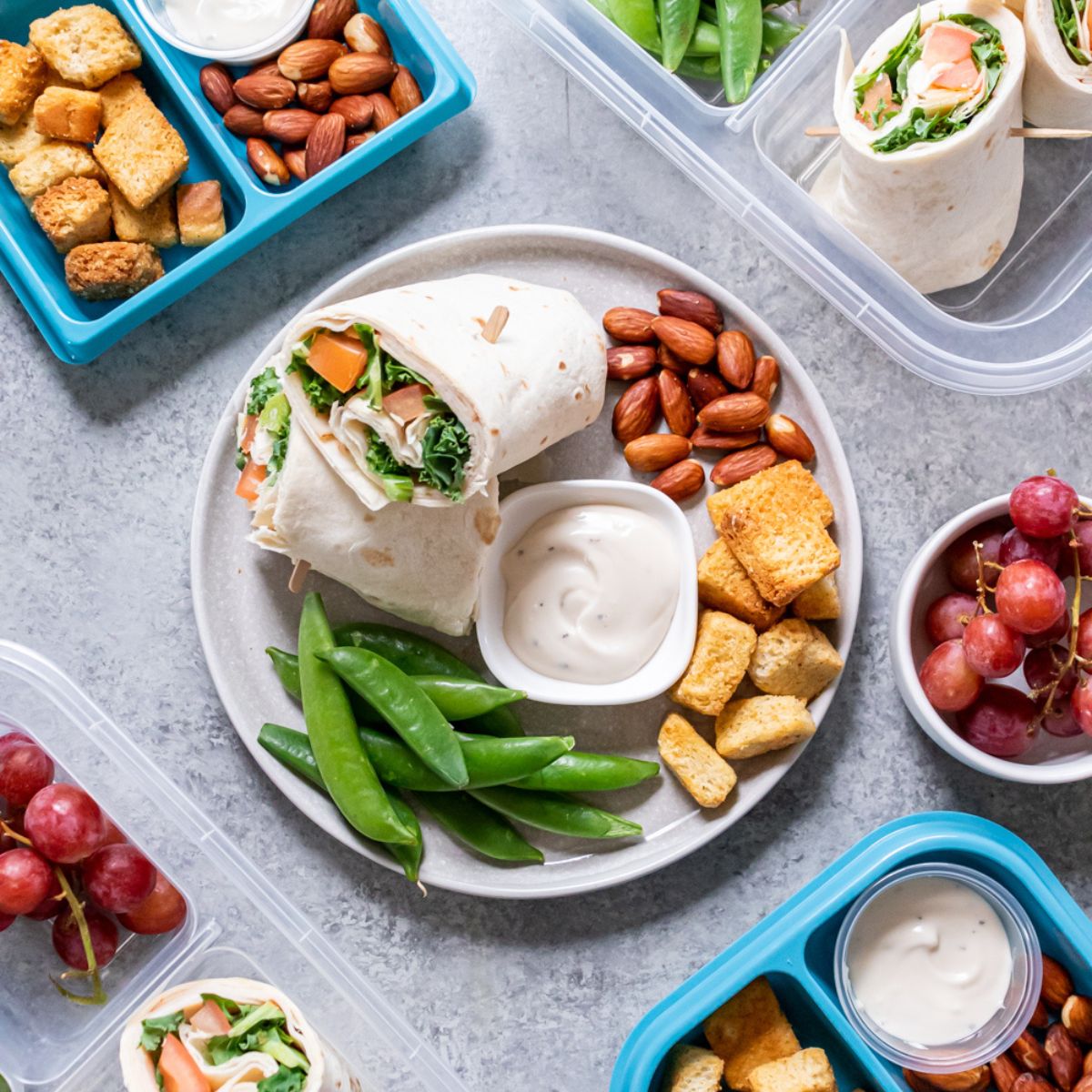
- Chicken Caesar Bento Boxes: By utilizing compartments, the croutons remain crunchy, and the wrap stays dry. This model relies on the durability of kale, which is far more resilient than spring mix or iceberg lettuce.
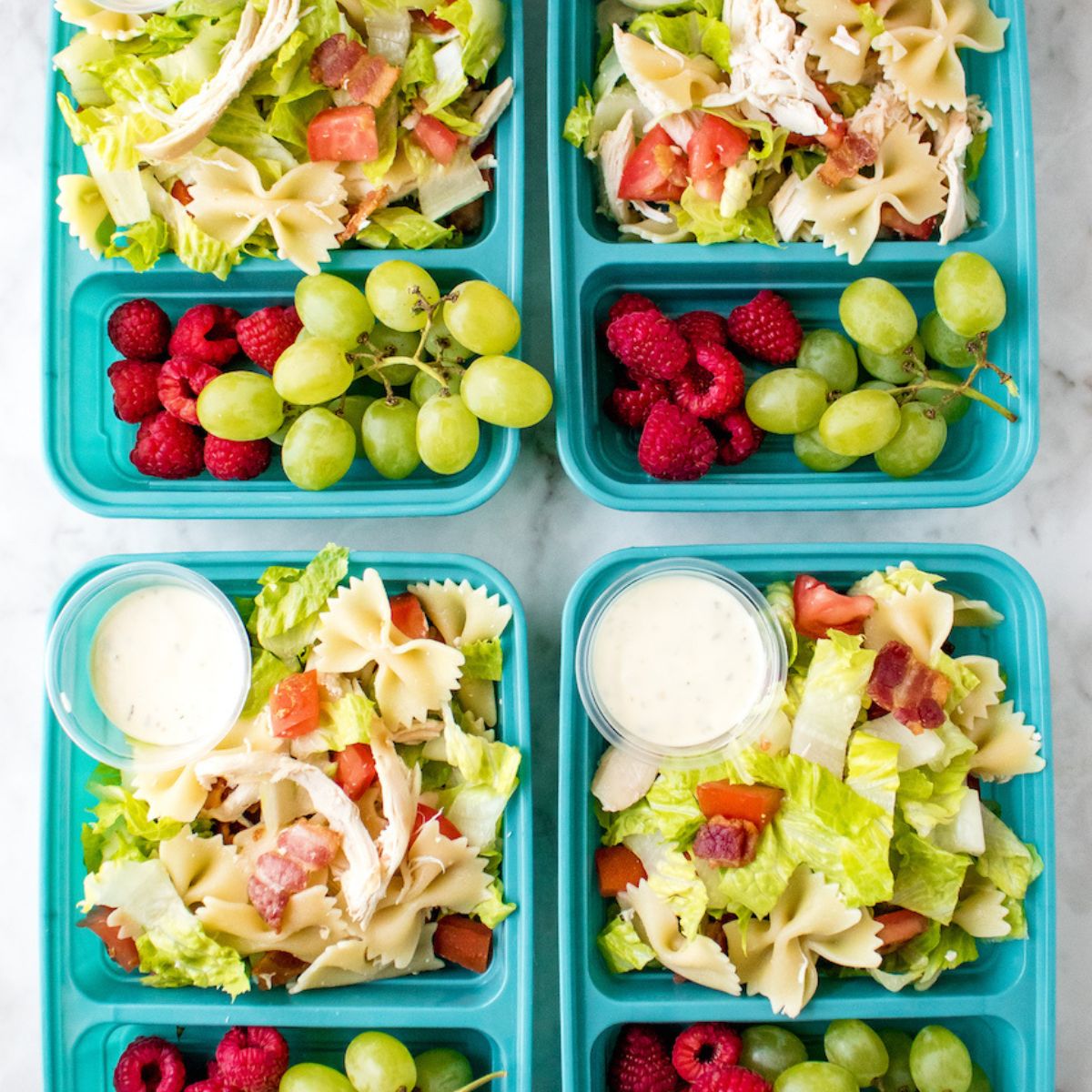
- Chicken BLT Pasta Salad: The use of bowtie pasta (farfalle) is strategic; its shape holds sauce effectively without becoming mushy, and the addition of bacon provides a savory, salty punch that remains delicious at room temperature.
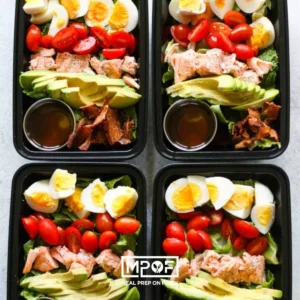
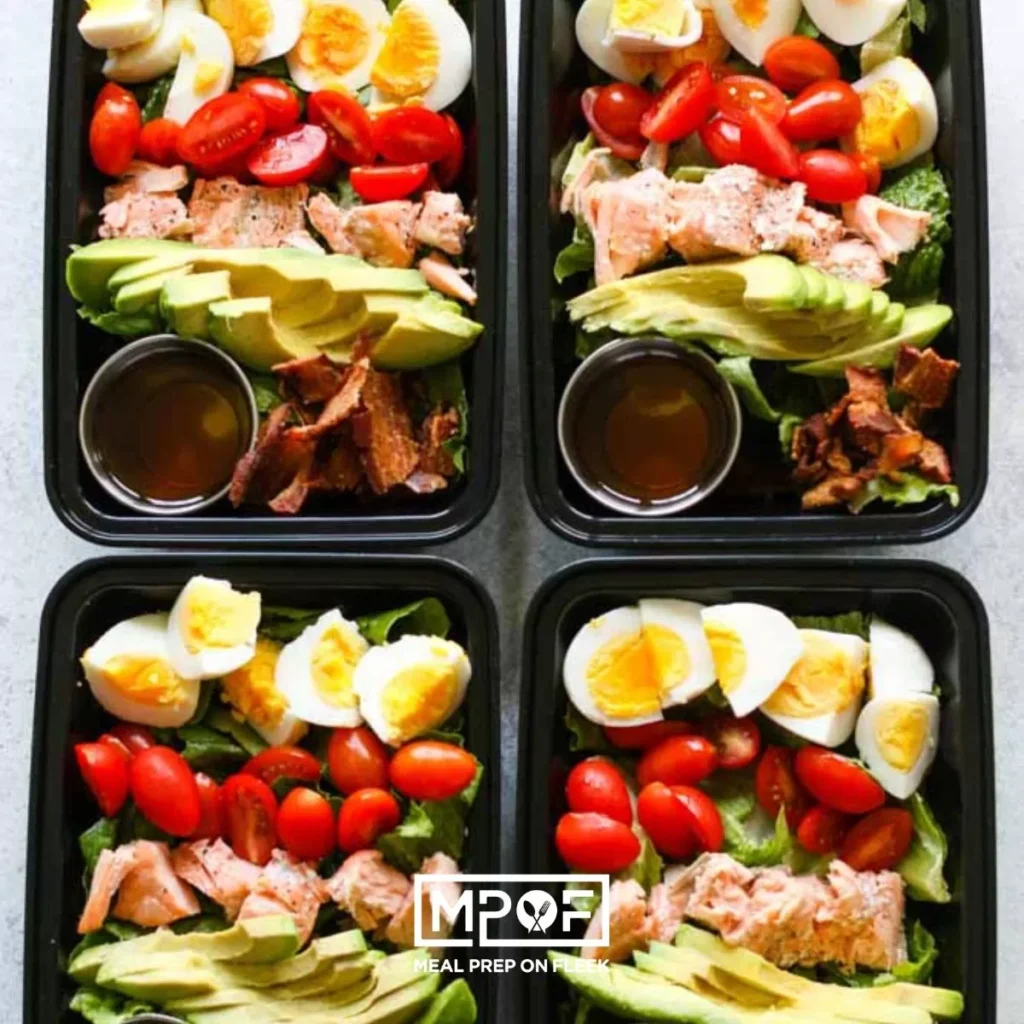
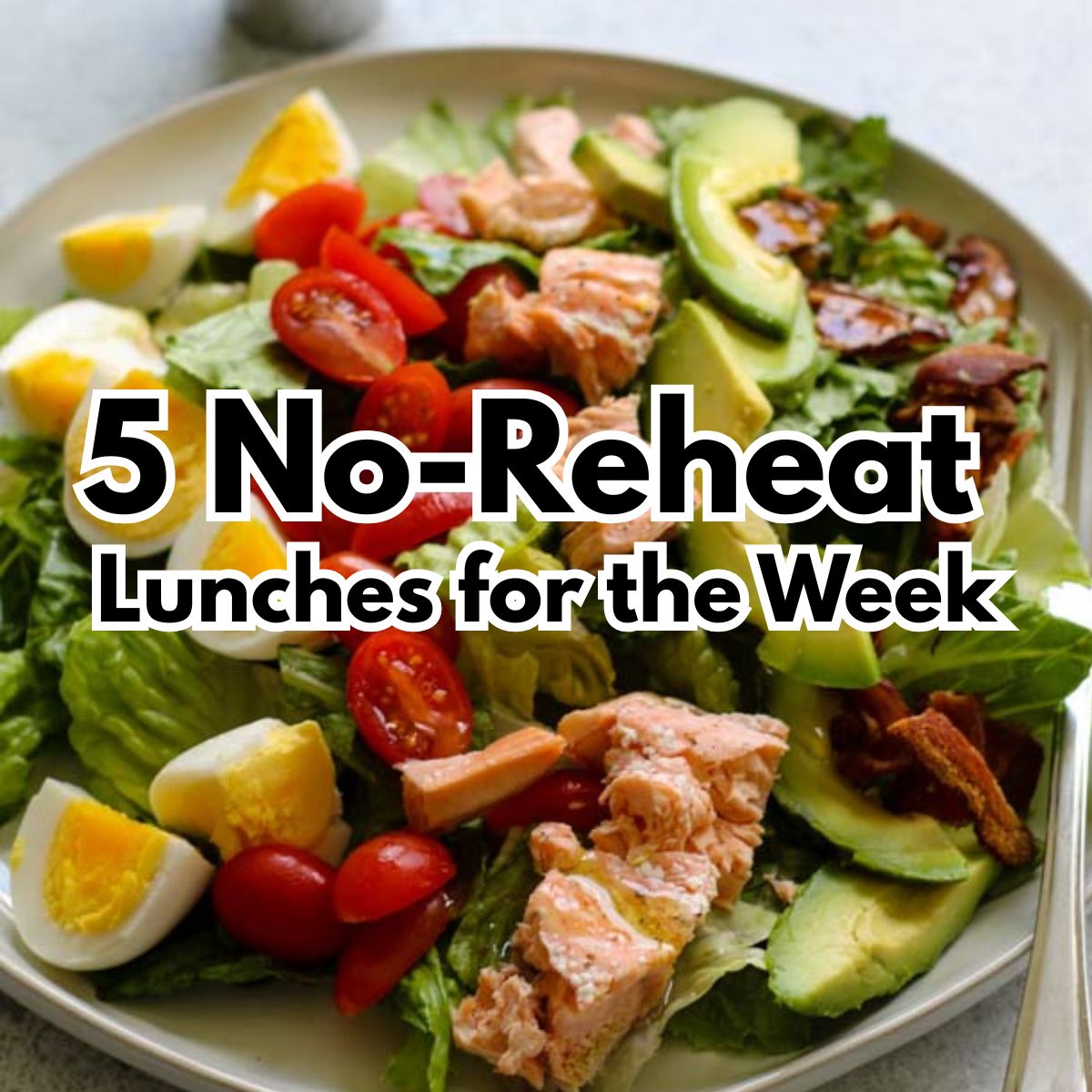
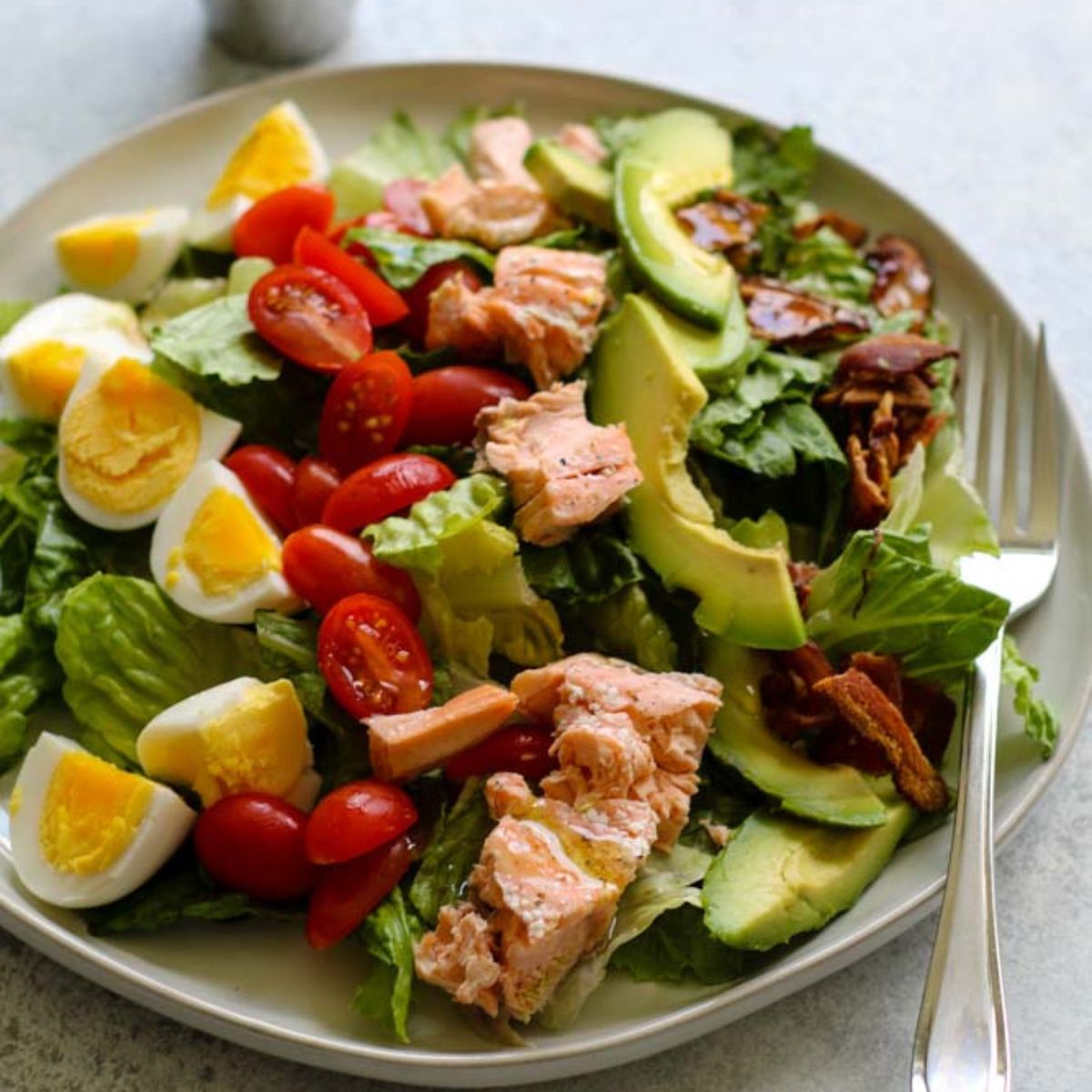
- Salmon Cobb Salad: This serves as a high-omega-3 option. By keeping the red wine vinaigrette separate, the acidity does not break down the romaine lettuce fibers prematurely.
- Cuban Pasta Salad: This variation introduces pickled elements—dill pickles and red onion—which add a necessary acidity that cuts through the richness of the cheese and salami.
- Skillet Shrimp with Tomato and Avocado: A Mediterranean-inspired dish that utilizes lime juice to prevent the avocado from oxidizing. This dish is specifically designed to be eaten cold, as the flavors of the chipotle and cilantro intensify after marinating in the refrigerator for 24 hours.
Economic and Environmental Impact
The broader implication of adopting a consistent cold-lunch strategy is a measurable reduction in food waste and expenditure. By purchasing ingredients in bulk and utilizing them across multiple recipes—such as using the same rotisserie chicken for both a bento box and a pasta salad—households can reduce their weekly grocery spending by an estimated 15% to 25%.
Furthermore, the environmental impact of reducing reliance on communal microwaves—which are high-energy appliances—contributes to a lower carbon footprint in large office buildings. While the impact per individual is marginal, the aggregate effect of a workforce shifting away from energy-intensive reheating processes represents a significant move toward sustainable corporate behavior.
Conclusion: Sustaining the Habit
The transition to no-reheat lunches is less about "eating salads" and more about optimizing the culinary experience to fit modern constraints. By focusing on ingredient synergy, proper storage mechanics, and a bi-weekly preparation schedule, individuals can reclaim their lunch hour. The objective is to remove the friction from the midday meal, turning it from a source of daily stress into a predictable, high-quality component of the workday. As the boundaries of the traditional office continue to shift, the ability to pack a professional, nutritious, and appetizing cold meal will remain a core competency for the modern, busy professional. The key is not to reinvent the wheel, but to build a system that respects the integrity of the ingredients and the limitations of the schedule.