
As temperatures descend and the calendar transitions toward the final quarter of the year, consumer demand for nutrient-dense, seasonal comfort food experiences a significant uptick. The shift toward "fall-centric" meal preparation—characterized by the increased utilization of root vegetables, cruciferous greens, and warming spices—represents a broader trend in home cooking that prioritizes both sensory satisfaction and dietary health. Data from market research firms specializing in culinary habits suggests that during the autumn months, home cooks seek a balance between the nostalgic appeal of "sweater-weather" comfort foods and the increasing emphasis on high-protein, fiber-rich, and low-processed ingredient profiles.
The Evolution of Seasonal Meal Planning
The transition into autumn necessitates a strategic adjustment in the domestic kitchen. According to nutritional sociologists, the autumn season triggers a biological and psychological shift in food preferences, often described as "autumnal appetite," where individuals gravitate toward complex carbohydrates and root vegetables that provide sustained energy. Historically, this period was dictated by harvest cycles; however, modern logistics have allowed for year-round availability of produce. Despite this, there remains a persistent cultural preference for seasonal staples such as sweet potatoes, squash, kale, Brussels sprouts, and various legumes during the months of September through November.
Recent surveys of meal-planning platforms indicate that nearly 60% of home cooks report a shift in their cooking methodology during this season, moving away from the light, raw-ingredient salads of summer toward roasted, stewed, and braised preparations. This shift is not merely aesthetic; it is rooted in the practical requirement for meals that are thermally warming and logistically efficient for increasingly busy schedules.
Nutritional Profile of Fall-Forward Ingredients
The resurgence of specific ingredients in autumn menus serves a functional nutritional purpose. Sweet potatoes, a cornerstone of the recipes highlighted in current culinary trends, are a primary source of beta-carotene, manganese, and fiber. When integrated into "bowl-style" meals—which often combine a starch base, a lean protein, and a robust, healthy fat—they provide a balanced glycemic response.
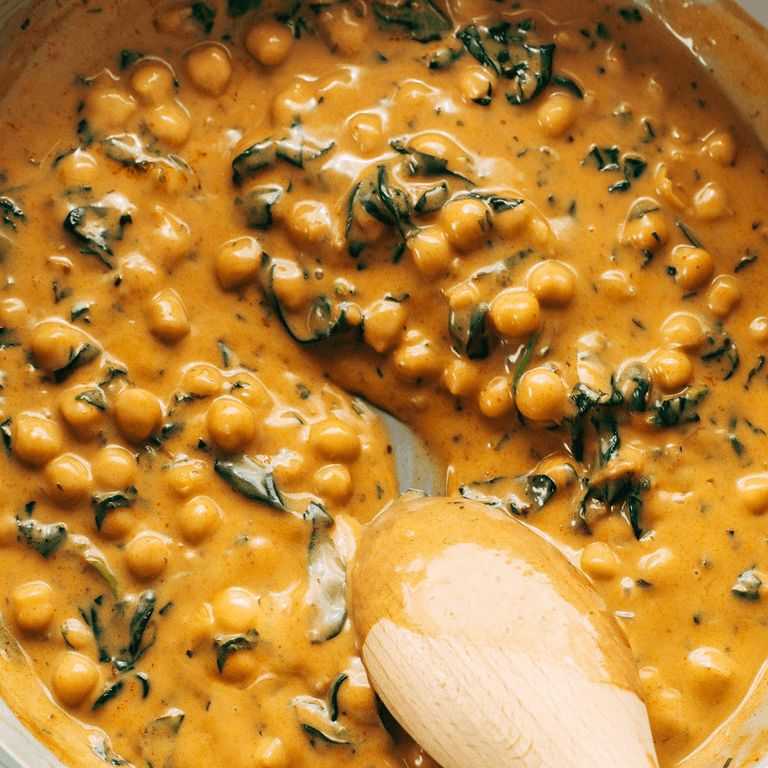
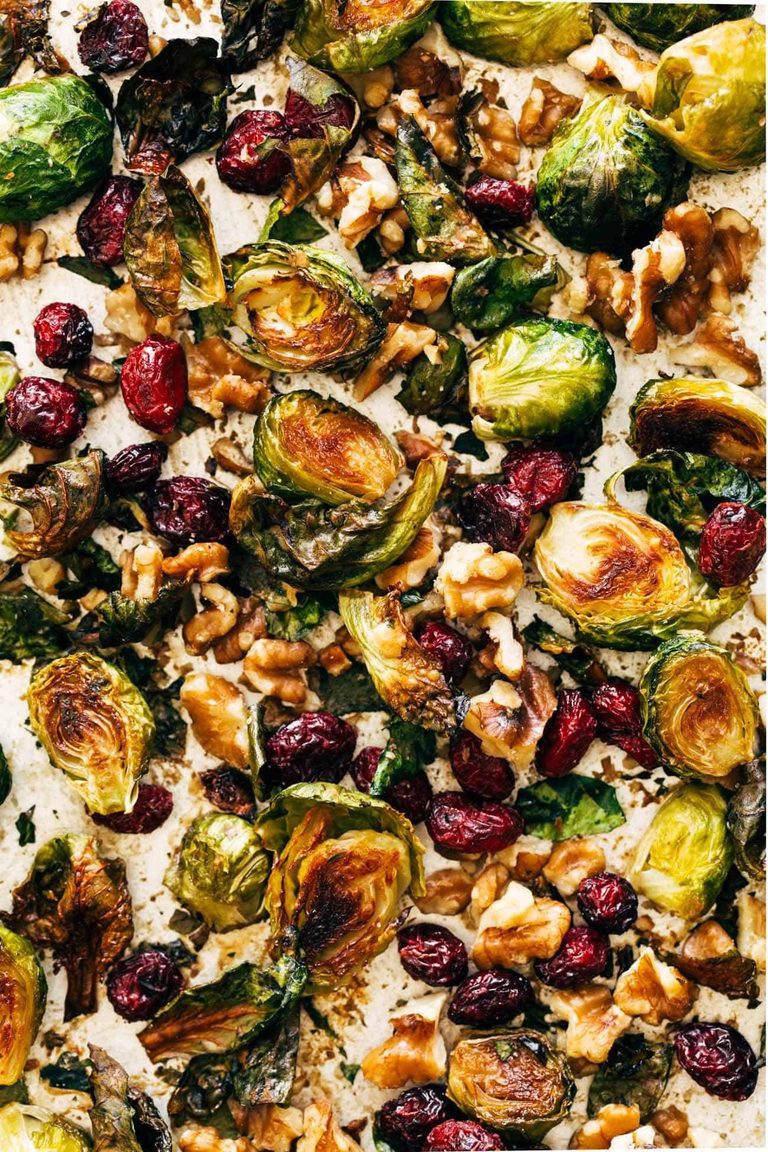
Cruciferous vegetables, such as Brussels sprouts and kale, are at their peak nutritional density following the first frost, which initiates the conversion of starches into sugars, resulting in a more palatable flavor profile. These vegetables are rich in glucosinolates, compounds associated with anti-inflammatory properties. Furthermore, the inclusion of legumes, such as lentils and chickpeas, offers a sustainable and cost-effective method to increase dietary protein and folate intake, which are critical as immune systems face the challenges of the changing season.
Chronology and Execution of Seasonal Dietary Shifts
The adoption of these culinary patterns generally follows a three-phase timeline throughout the autumn months:
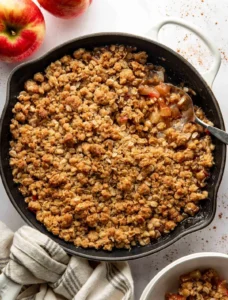
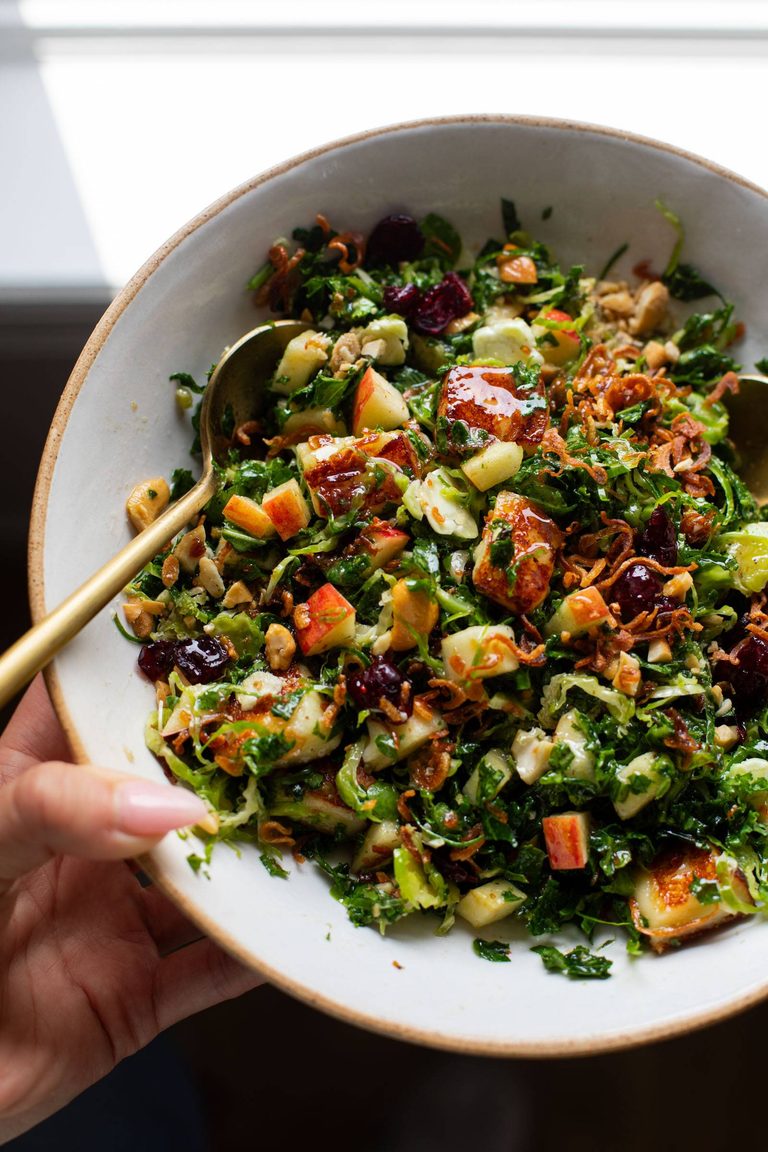
- Early Autumn (Late September – Mid-October): The focus is on the transition of produce. Consumers utilize the final yields of summer crops (like tomatoes and peppers) alongside the first hearty arrivals of the season (like apples, kale, and early root vegetables). Meals often feature salads that incorporate roasted components.
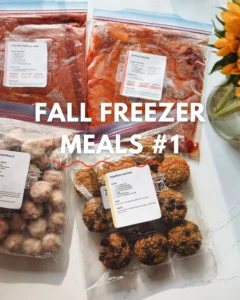
- Peak Autumn (Late October – November): The "cozy" phase takes precedence. Cooking methods become more intensive, involving crockpot utilization, roasting, and the preparation of complex curries and stews. This period sees the highest frequency of batch cooking and meal prep.
- Late Autumn (Late November – December): The focus shifts toward heavy, celebratory, yet nourishing meals that emphasize communal dining and the integration of preserved, stored, or dried ingredients alongside fresh produce.
Categorizing the Modern Fall Menu
The contemporary approach to fall dining can be segmented into three primary structural categories:
1. The "Bowl" Format
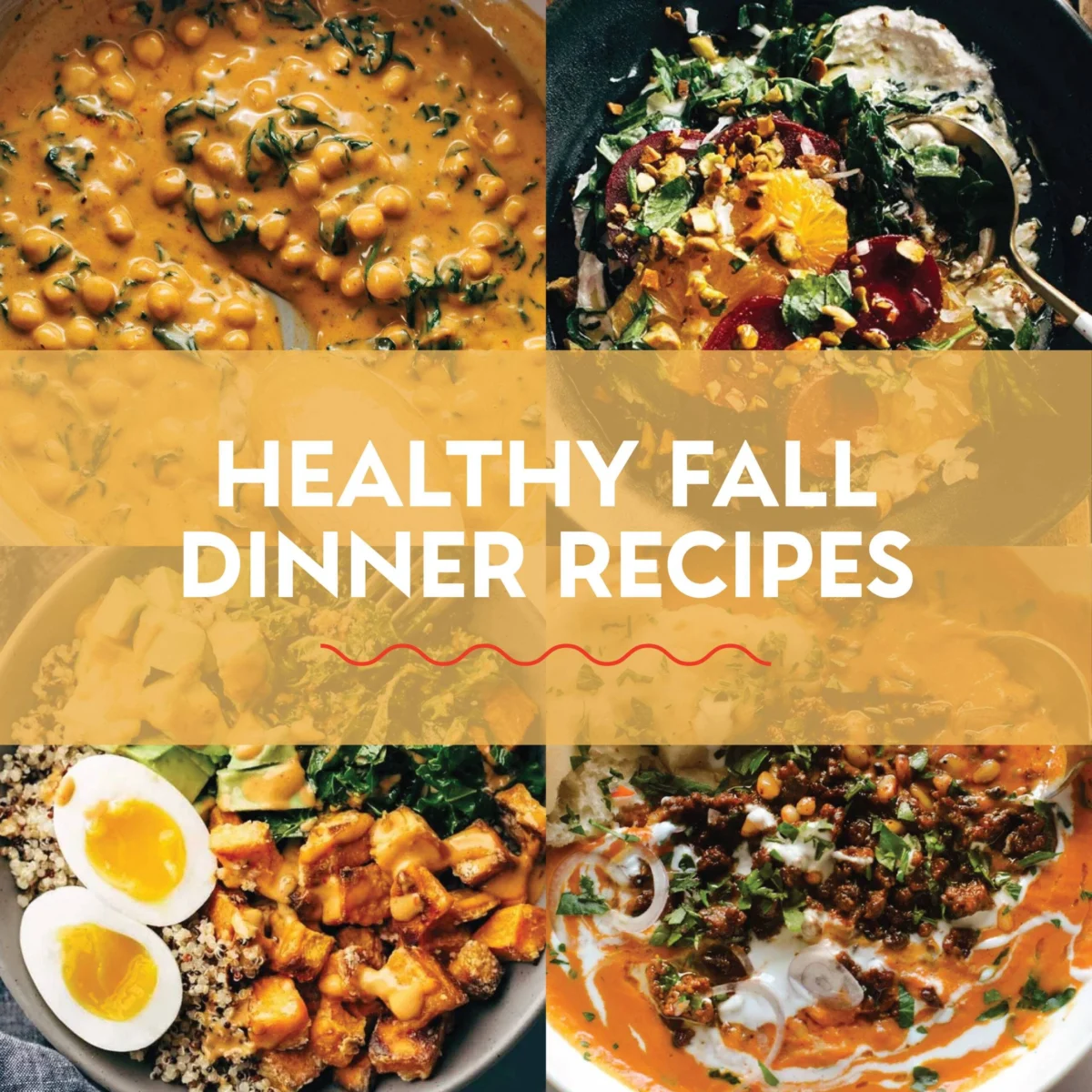
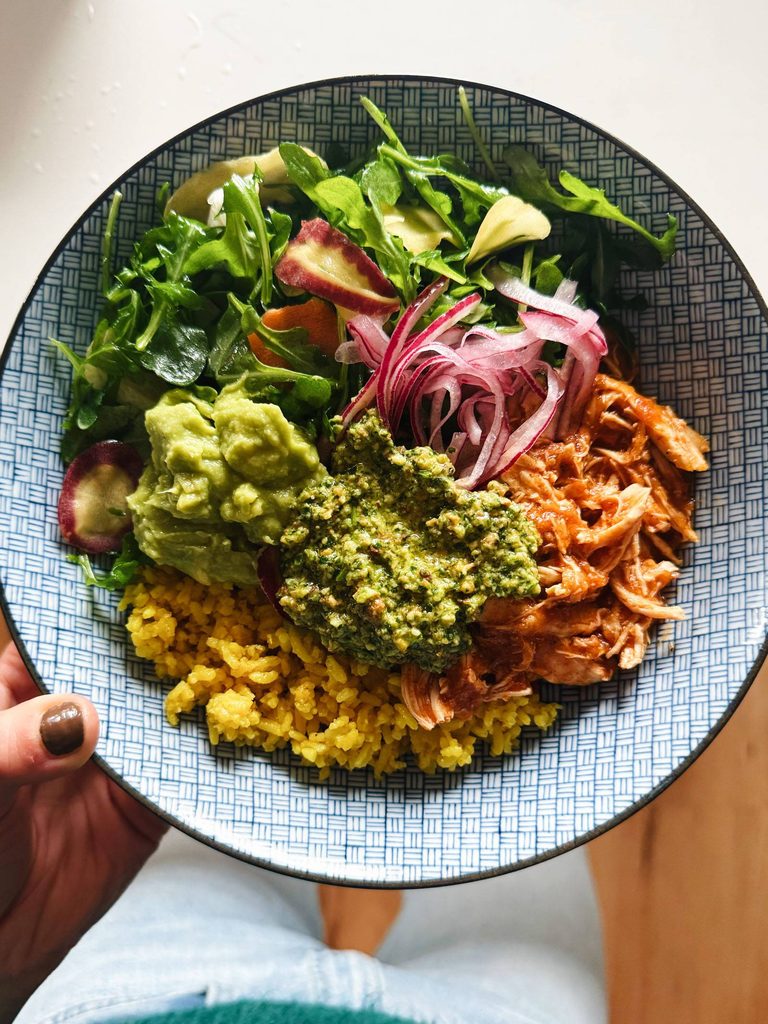
The bowl format has become the gold standard for healthy, efficient eating. By layering roasted vegetables, grains, proteins, and a high-quality sauce—such as a chipotle tahini or a lemon-herb vinaigrette—home cooks achieve a balance of macronutrients. Examples include:

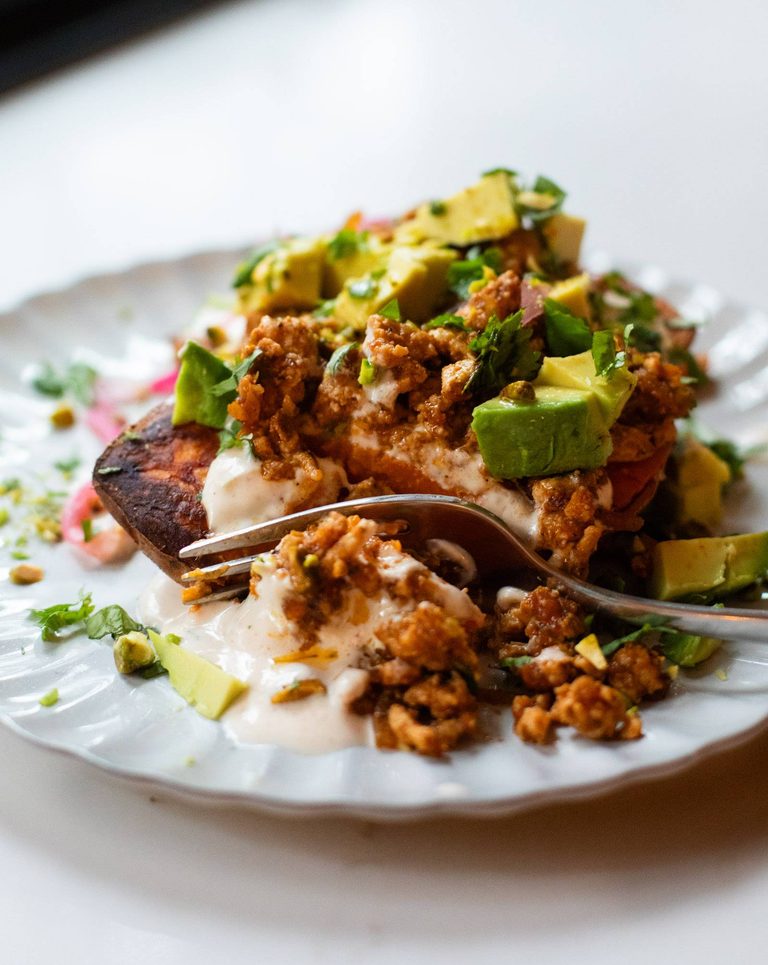
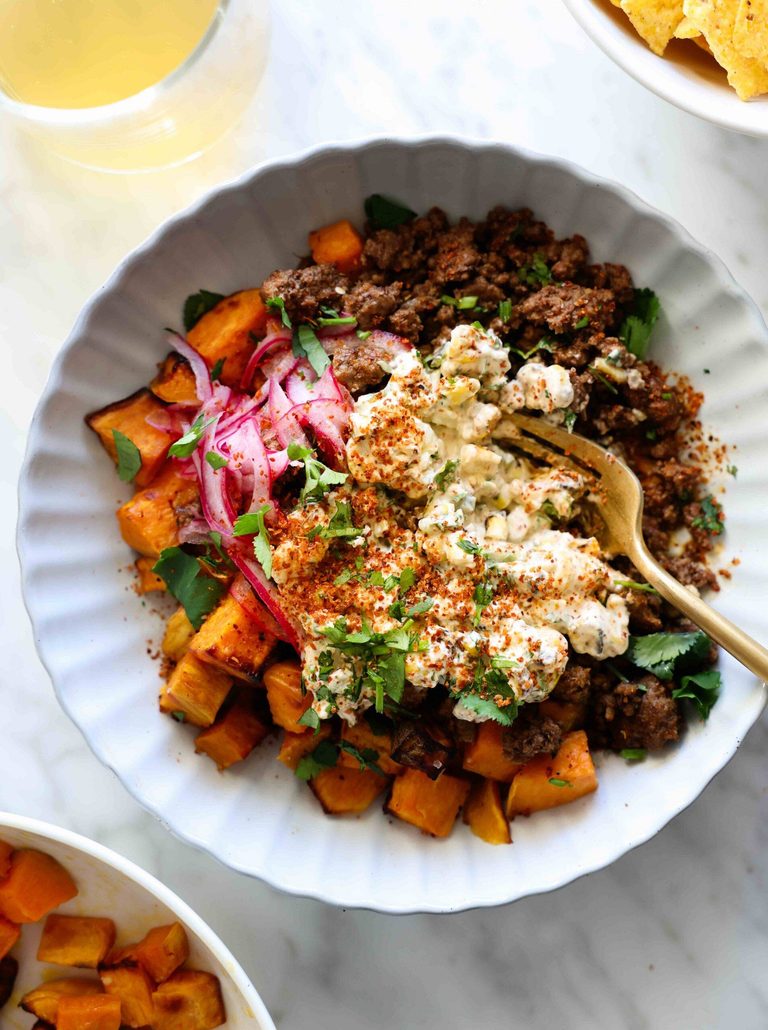
- Sweet Potato and Chicken Configurations: Combining roasted sweet potato wedges with lean ground chicken, avocado, and a fermented or acidic component like pickled onions.
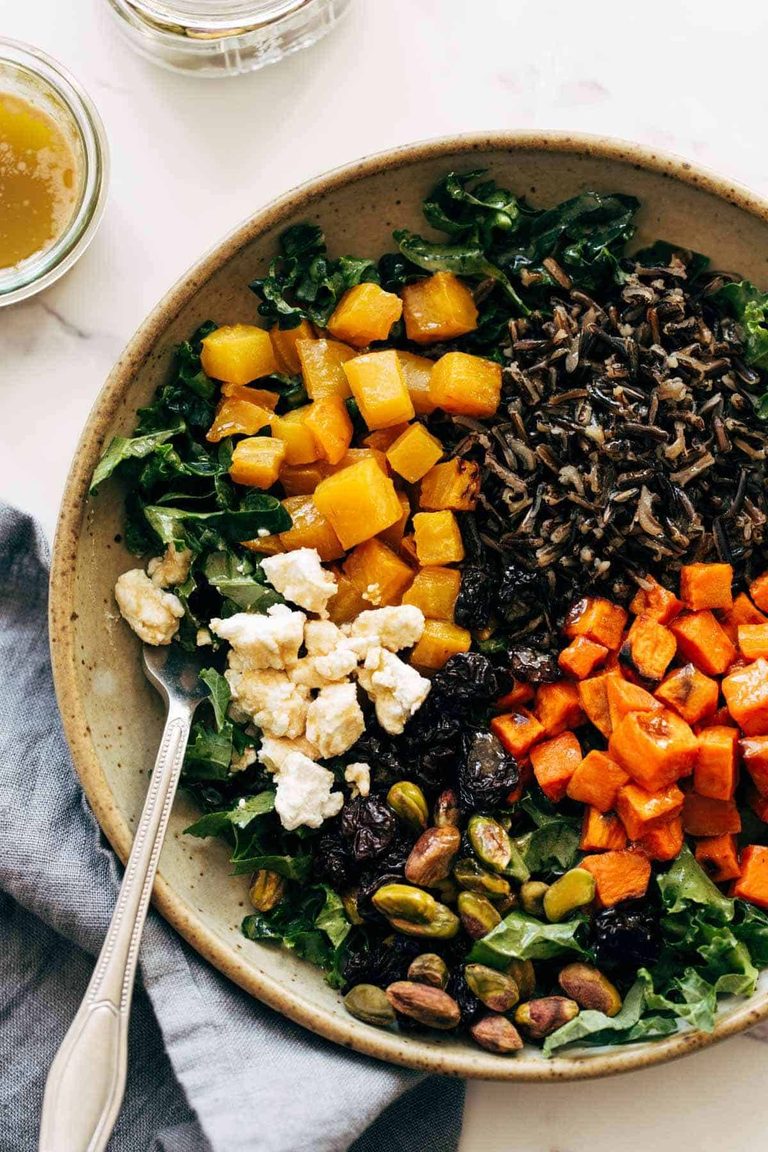
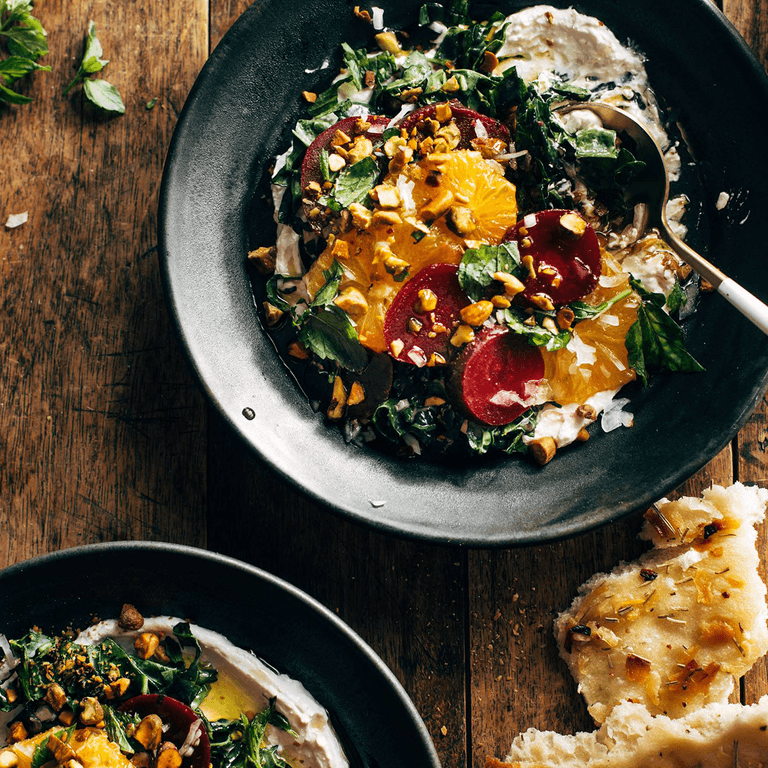
- Grain-Based Bowls: Utilizing ancient grains like farro or quinoa topped with roasted root vegetables and goat cheese, providing a complex texture profile that satisfies satiety signals.
2. The "Healing" Soup and Stew Strategy
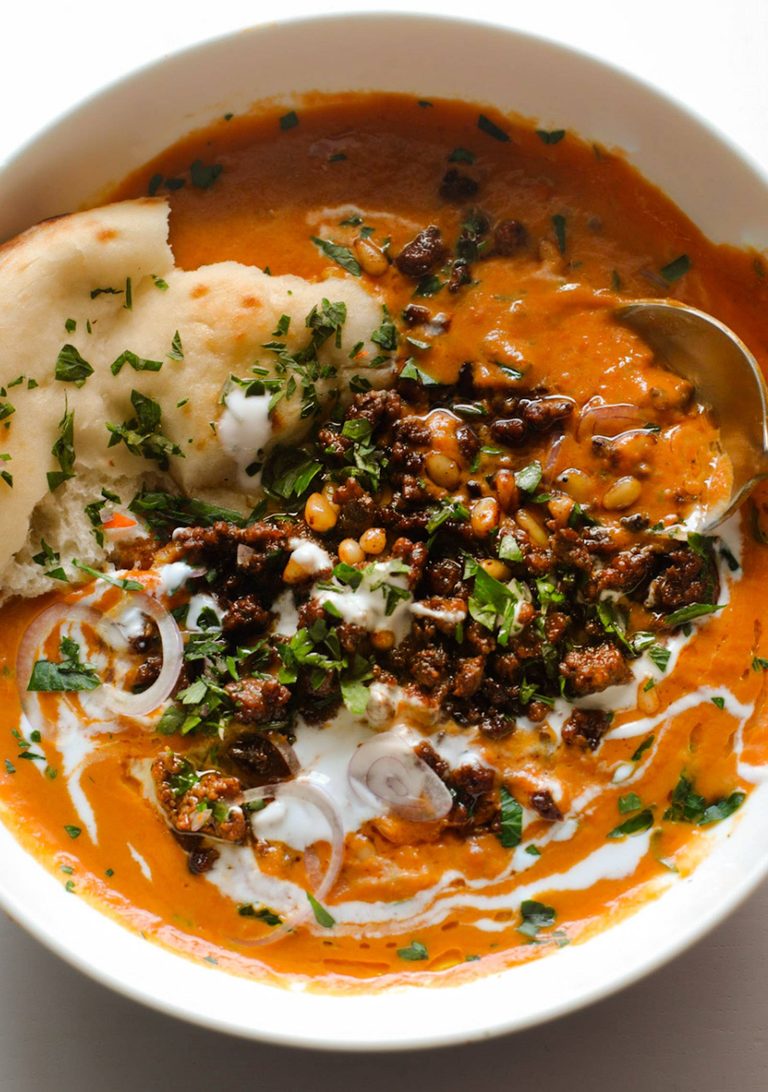
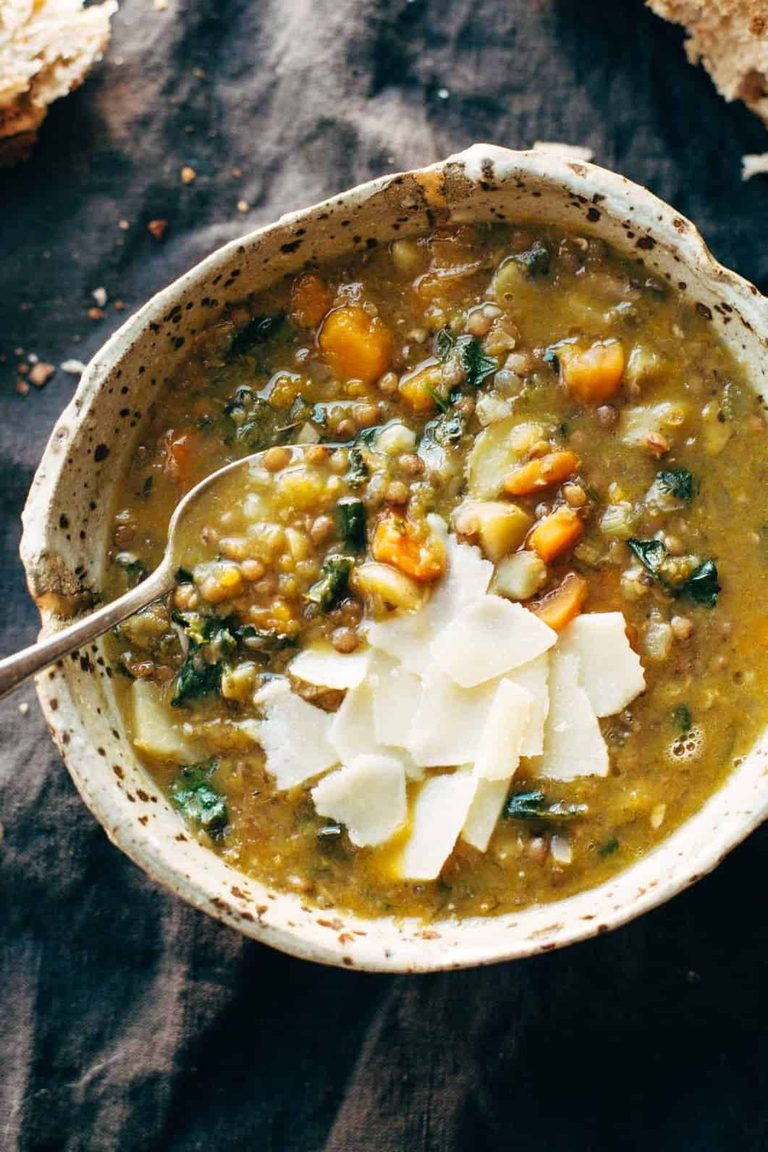
Soups serve as the quintessential autumn meal due to their ability to incorporate high volumes of vegetables and protein into a single, hydrating vessel. Ingredients like lemongrass, ginger, and turmeric are frequently added to chicken-based stocks to create "healing" profiles, which are favored for their perceived immune-boosting properties. The use of slow-cooking devices, such as the Crockpot or Instant Pot, has streamlined this process, allowing for the slow breakdown of legumes like lentils without significant labor.
3. Fermentation and Acidic Brightness
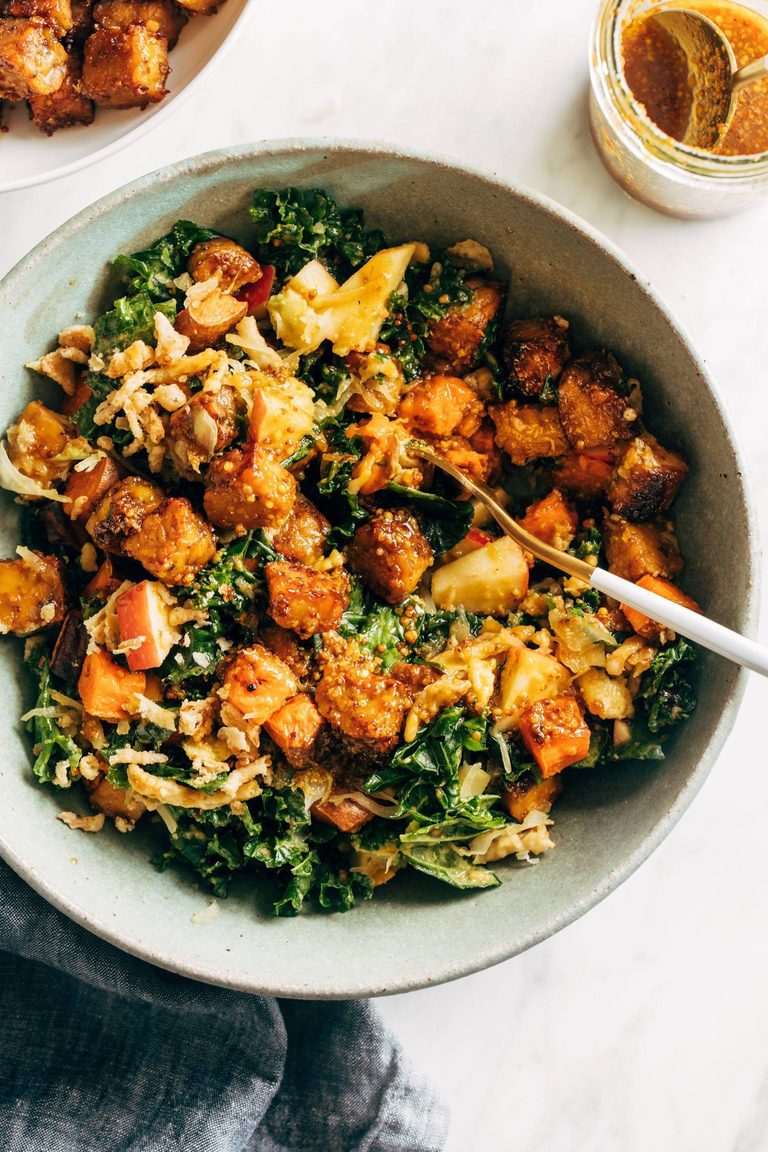
To counteract the heaviness of starchy fall foods, there is an increasing inclusion of acidic or fermented elements. Sauerkraut, kimchi, and lemon-based dressings are being integrated into hearty dishes to provide a "cut" through the richness. For instance, pairing a maple-mustard tempeh bowl with a side of briny sauerkraut introduces probiotic elements and flavor complexity that prevents palate fatigue.

Broader Impact and Implications
The trend toward these specific, nutrient-dense fall recipes carries several implications for public health and domestic economics. First, the emphasis on scratch-made, produce-heavy meals acts as a buffer against the high sodium and saturated fat content typically found in processed convenience foods. By utilizing techniques such as roasting and broth-based cooking, households can significantly reduce their reliance on pre-packaged goods.
Second, there is a clear economic incentive. Many of the staples of the autumn diet—beans, lentils, root vegetables, and seasonal greens—are among the most affordable items in the produce and pantry aisles. When analyzed from a cost-per-serving perspective, the "healthy fall dinner" model is significantly more sustainable for the average household than traditional high-protein, meat-heavy Western diets.
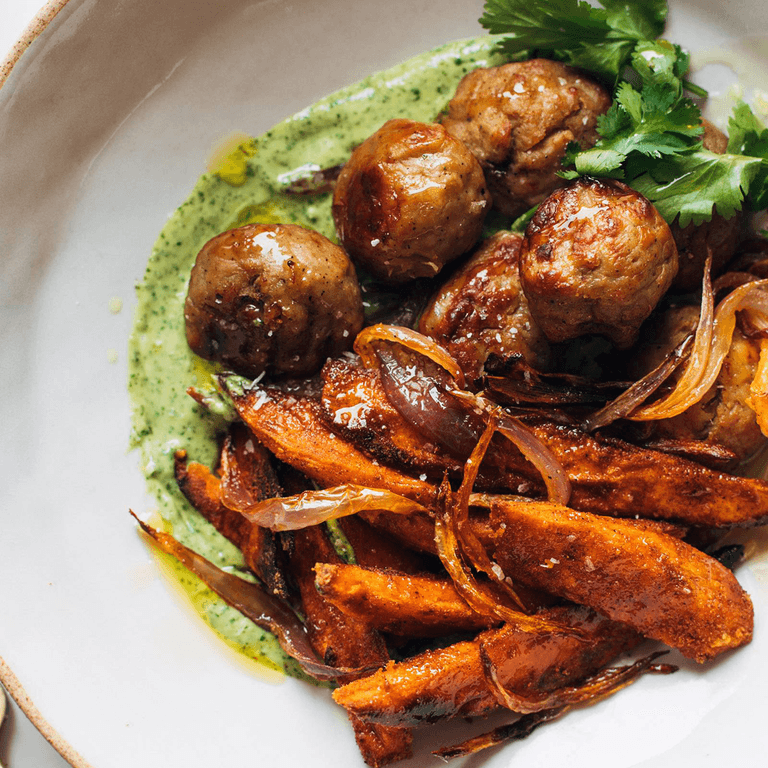
Finally, the psychological impact of "cozy" cooking should not be underestimated. Culinary experts suggest that the act of preparing warm, fragrant meals—often characterized by the scent of roasting garlic, ginger, and root vegetables—contributes to improved mental well-being during the months of decreasing daylight. The sensory engagement involved in preparing these meals, coupled with the nutritional density of the ingredients, aligns with a holistic approach to health that extends beyond simple caloric counting.
Future Outlook for Seasonal Nutrition
As we move forward, the integration of global flavors into seasonal fall staples is expected to intensify. The fusion of traditional autumn produce with international techniques—such as Thai-style coconut curries, Mexican-inspired chipotle sauces, and Mediterranean-inspired whipped feta—demonstrates that "healthy" does not imply "bland." The continued rise of the "home-cook-as-curator" model suggests that consumers will continue to demand recipes that are not only nutritionally superior but also culturally diverse and aesthetically appealing.
In conclusion, the modern autumn menu is defined by a synthesis of traditional harvest-season logic and contemporary nutritional science. By prioritizing plant-forward, protein-rich, and flavor-intensive preparations, home cooks can navigate the seasonal shift with meals that serve both the physiological need for warmth and the modern requirement for high-quality nutrition. As long as these habits remain rooted in the availability of fresh, seasonal produce, they provide a reliable framework for sustainable, year-round health.