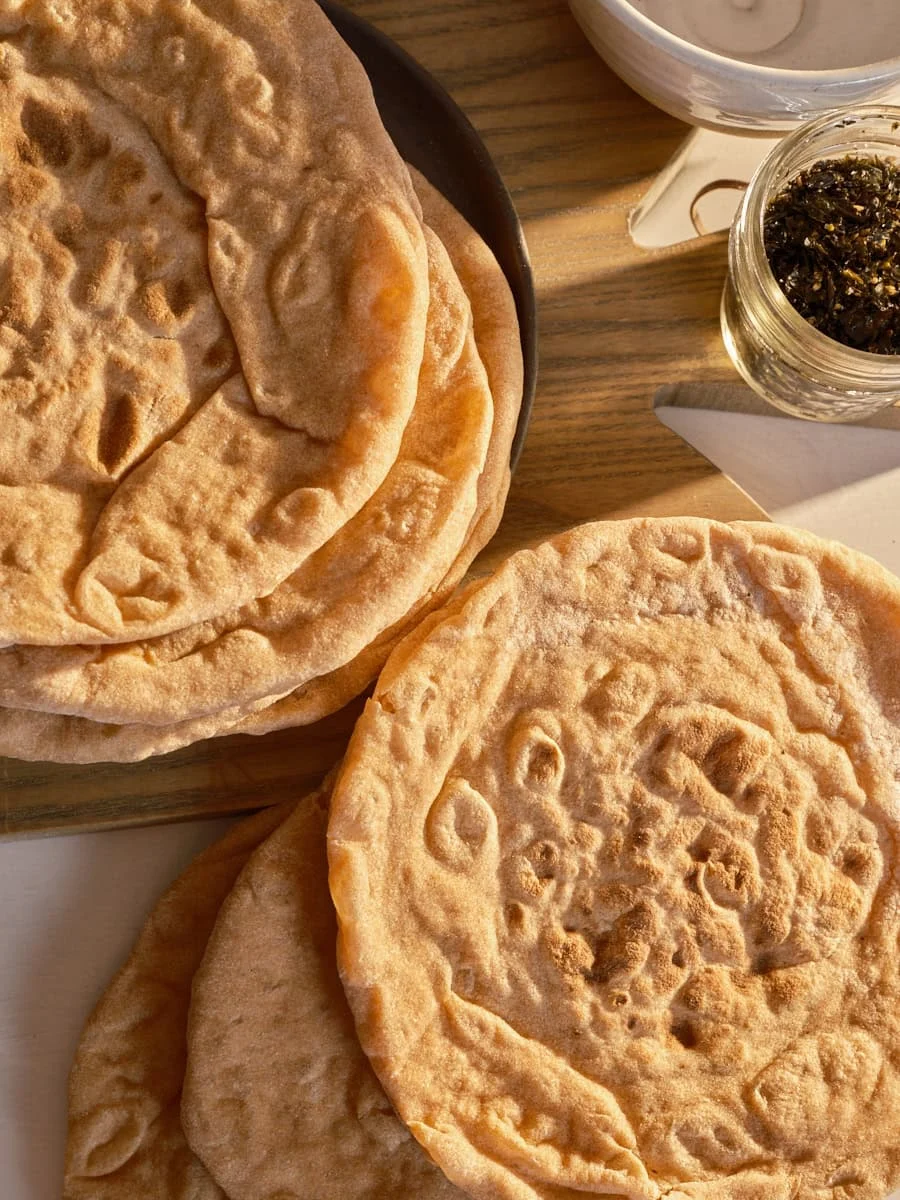

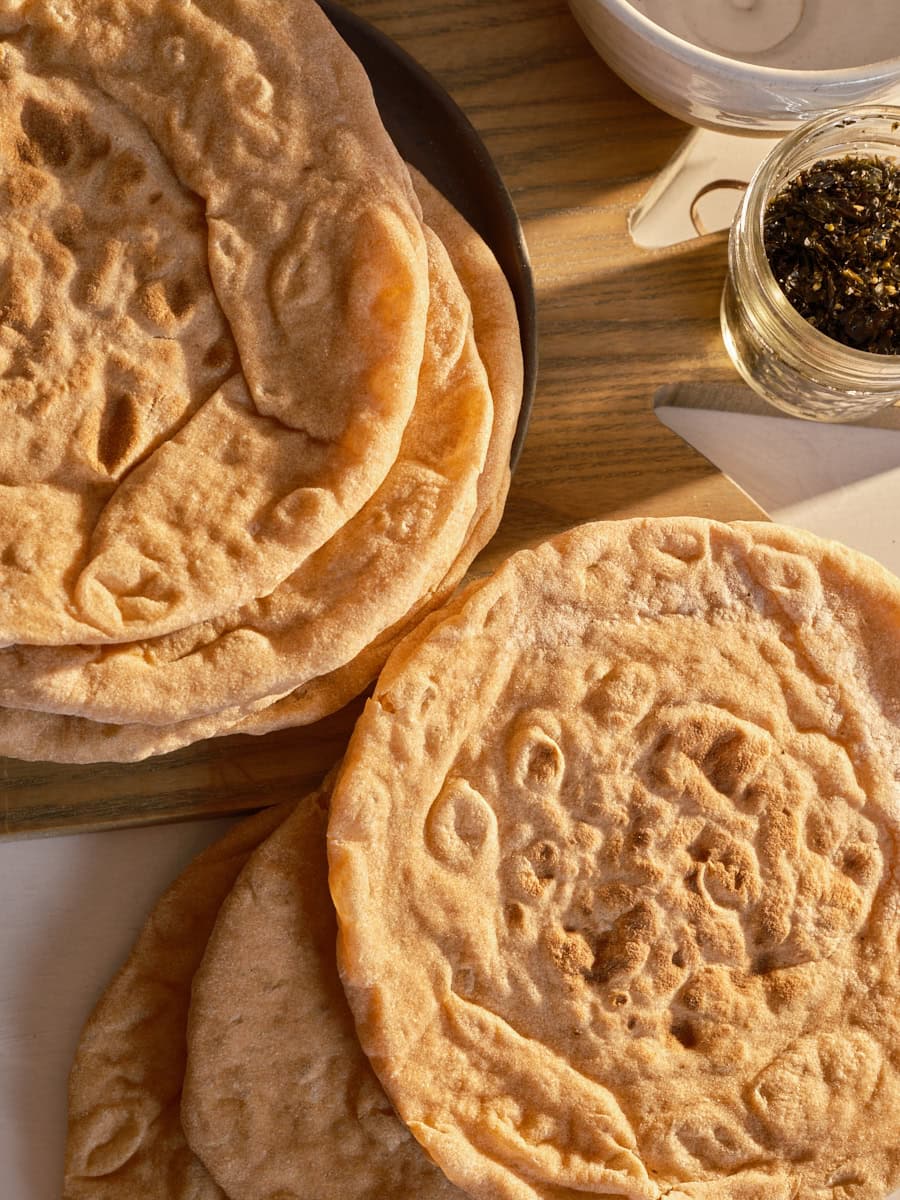
Last year, a culinary collaboration at the Chimacum Valley Grainery in Washington ignited a passion for a unique bread that has since captivated the author’s imagination. Co-teaching a baking class for The Baker’s Corner members alongside acclaimed baker Graison Gill, the experience culminated in the creation of a whole-grain sourdough pita, formulated by Gill with the distinct character of barley. This particular pita, described as hearty, soft, and imbued with the inherent sweetness of freshly milled grain, has become a benchmark for the author’s subsequent explorations into whole grain baking. The following recipe is a testament to that inspiration, a tribute to the picturesque Pacific Northwest, the unique farm and mill, and the profound connections forged through the shared act of baking.
This is not the author’s first foray into sourdough pita. Previous iterations include a lighter, more ethereal version featured in their first cookbook, "The Perfect Loaf," and an unpublished experiment incorporating sweeteners and ancient grains. However, the objective for this latest creation was distinct: a wholly whole-grain pita, achieving a delicate texture, consistent puff, and the complex flavor profile that arises from the synergistic fermentation of sourdough and premium whole-grain flour. Each previous recipe has held its own merit, but this latest iteration is posited to stand apart, primarily due to its exceptional texture and subsequent depth of flavor. The intrinsic satisfaction derived from consuming whole grains prepared in this manner further validates the author’s pursuit of this culinary path.
The Science Behind the Perfect Puff
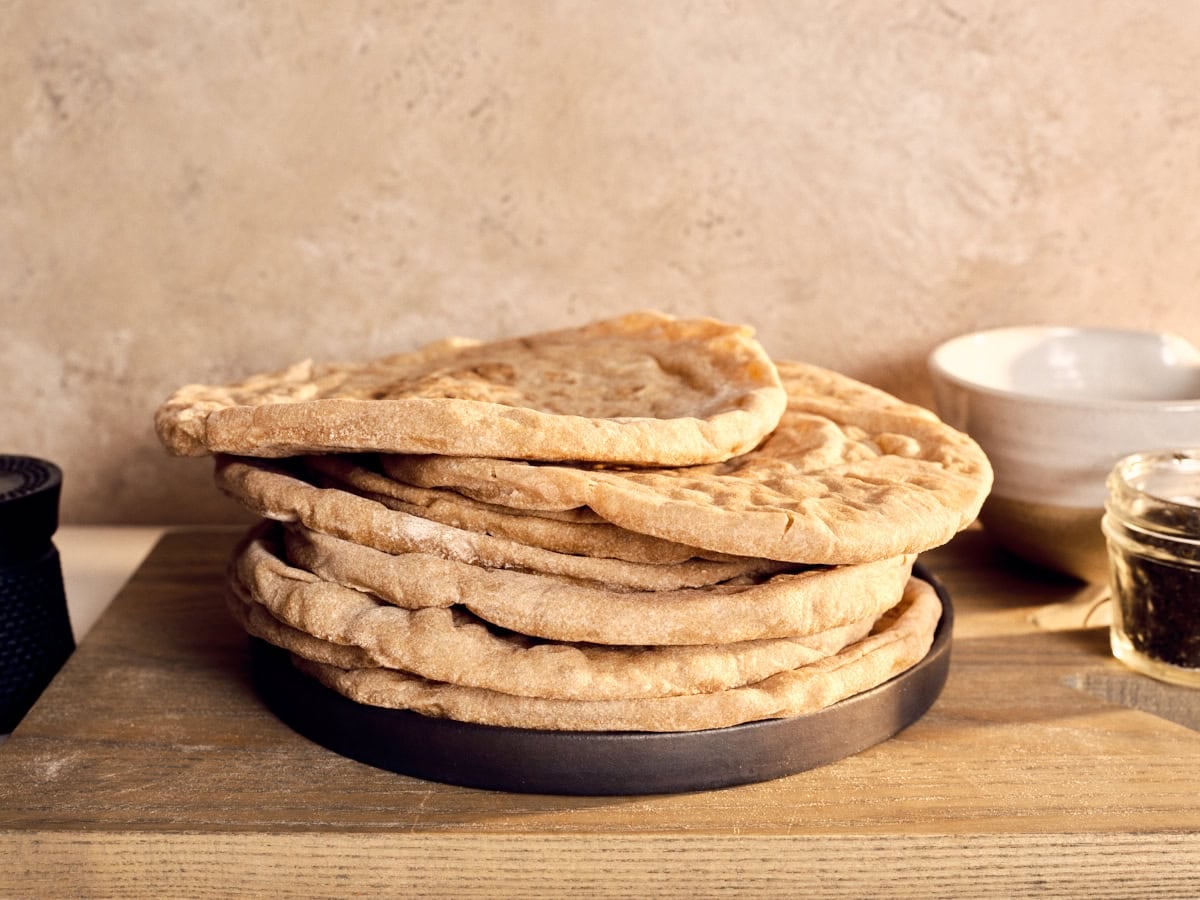
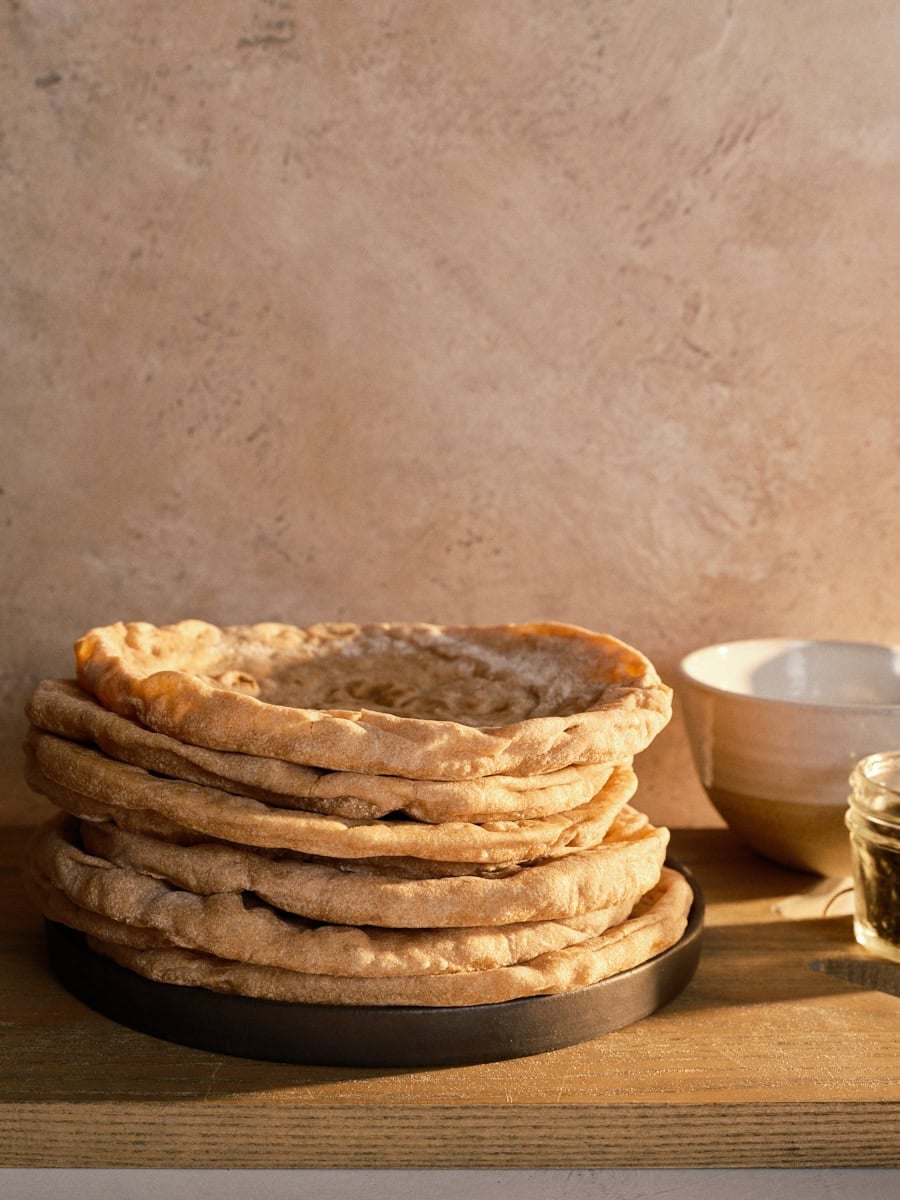
Achieving the signature puff in pita bread is a culinary science that relies on precise techniques and optimal conditions. The rapid expansion of steam within the dough during high-heat baking is the key. Several factors contribute to this dramatic transformation:
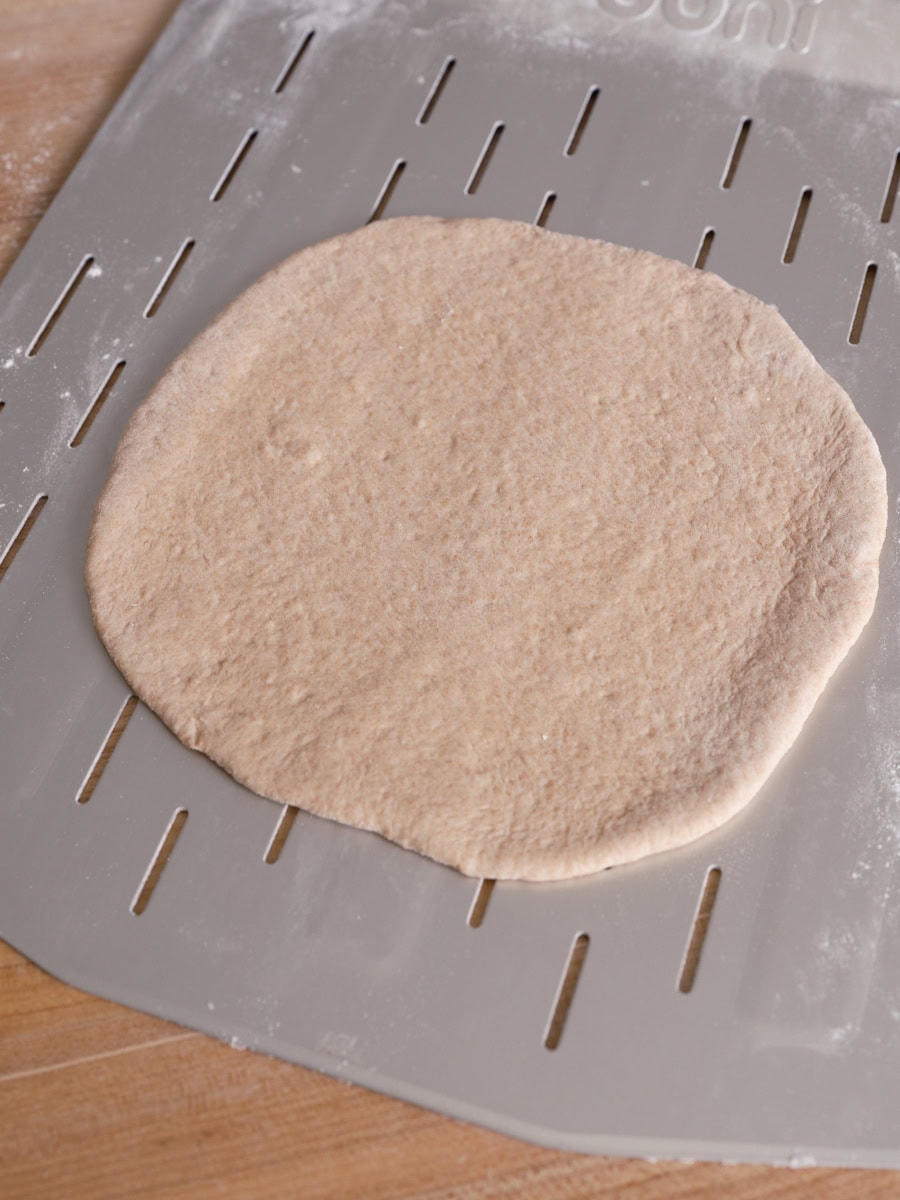
- Dough Thickness: As illustrated in accompanying visuals, rolling the dough to approximately 1/8-inch thickness is crucial. This ensures an even distribution of heat and allows the steam to generate sufficient pressure for inflation.
- High Baking Temperature: A fiercely hot oven, ideally around 550°F (290°C), is paramount. This intense heat rapidly converts the moisture within the dough into steam, driving the puff. The use of a baking steel or stone further enhances heat transfer to the dough’s base.
- Dough Hydration: A well-hydrated dough, such as the 84% hydration level in this recipe, contributes to the steam production necessary for puffing.
- Proper Proofing: Over-proofing can lead to the dough’s structure weakening, resulting in less dramatic puffing or the formation of large, irregular bubbles. Under-proofing means insufficient gas development for a robust rise.
Flour Selection: The Foundation of Flavor and Texture
The recipe specifies 100% whole wheat flour, with a particular recommendation for whole-grain Chimacum Valley Grainery Bread Flour, lauded for its quality. However, flexibility is encouraged, with the suggestion to substitute up to 20% of the whole wheat with other whole-grain flours. Options like whole triticale and whole spelt are noted to impart unique and delicious nuances to the final pita. This adaptability allows bakers to explore a spectrum of whole-grain flavors and textures.
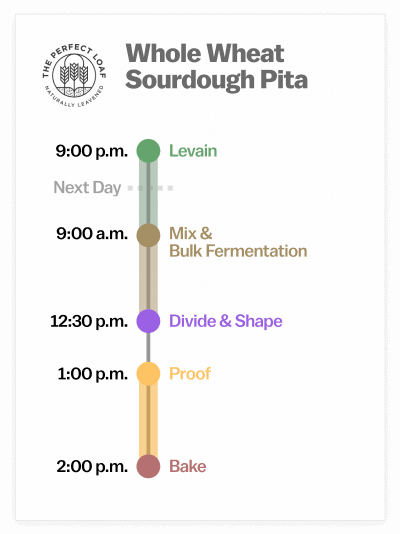
Baking Schedule: Integrating Sourdough into a Busy Week
The development of this sourdough pita recipe was driven by the desire for a quick yet deeply nourishing bread, achievable even during a demanding workweek. While an overnight levain is an option, the recipe also accommodates the use of a ripe sourdough starter, allowing for dough mixing in the morning and fresh pita for dinner.
Maintaining a controlled fermentation timeline is not only convenient but also instrumental in managing the sourness of the dough, a critical consideration when working with a high proportion of whole-grain flour. This approach results in a pita with a mild yet complex flavor profile. For added flexibility, the dough can undergo bulk retardation in the refrigerator after two hours of initial bulk fermentation, enabling baking on a subsequent day.
Recipe Vitals and Total Formula
This recipe is designed to yield ten pita, each weighing approximately 120 grams. Adjustments can be made to scale the recipe up or down as needed.
Vitals:
- Total Dough Weight: 1,320 grams
- Prefermented Flour: 9.5%
- Levain in Final Dough: 22.0%
- Hydration: 84.0%
- Yield: Ten 120-gram pita
Total Formula:
The target final dough temperature for this recipe is 77-78°F (25-26°C), achieved through careful management of ingredient temperatures.
| Weight (g) | Ingredient | Baker’s Percentage |
|---|---|---|
| 699 | Whole wheat flour (Chimacum Valley Grainery) | 100.0% |
| 14 | Extra-virgin olive oil | 2.0% |
| 503 | Water 1 (levain and mix) | 72.0% |
| 84 | Water 2 (mix) | 12.0% |
| 14 | Fine sea salt | 2.0% |
| 7 | Ripe sourdough starter, 100% hydration | 0.95% |
Whole Wheat Sourdough Pita Method
1. Prepare the Levain (Approximately 9:00 p.m.)
For the levain, combine:
- 66g Whole wheat flour
- 66g Water
- 7g Ripe sourdough starter (100% hydration)
Mix these ingredients in a clean container and allow them to ripen overnight at a temperature of 74-76°F (23-24°C). Alternatively, a ripe sourdough starter can be used directly in the morning, though this will result in a very small amount of white flour in the final product if the starter contains any.
2. Mix the Dough (Approximately 9:00 a.m.)
Combine the following for the main dough:
- 632g Whole wheat flour
- 437g Water 1
- 84g Water 2
- 14g Fine sea salt
- 139g Ripe levain (from Step 1)
- 14g Extra-virgin olive oil
While an autolyse step is often beneficial for whole-grain flours, this recipe opts for a brief rest during mixing to maintain conciseness.
- Mechanical Mixer: The dough can be mixed in a spiral mixer in phases.
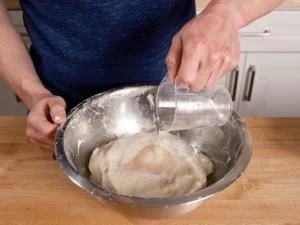
- By Hand: Combine flour, levain, salt, and Water 1 in a bowl. Mix thoroughly until a cohesive mass forms. Knead for 6-8 minutes using the slap-and-fold technique or the folds-in-the-bowl method until smooth. Rest for 5 minutes. Add Water 2 gradually while continuing to knead for an additional 6-7 minutes, ensuring the dough remains smooth and cohesive. Transfer to a bulk fermentation container and cover.
3. Bulk Fermentation (Approximately 9:30 a.m. to 12:30 p.m. – 3 hours)
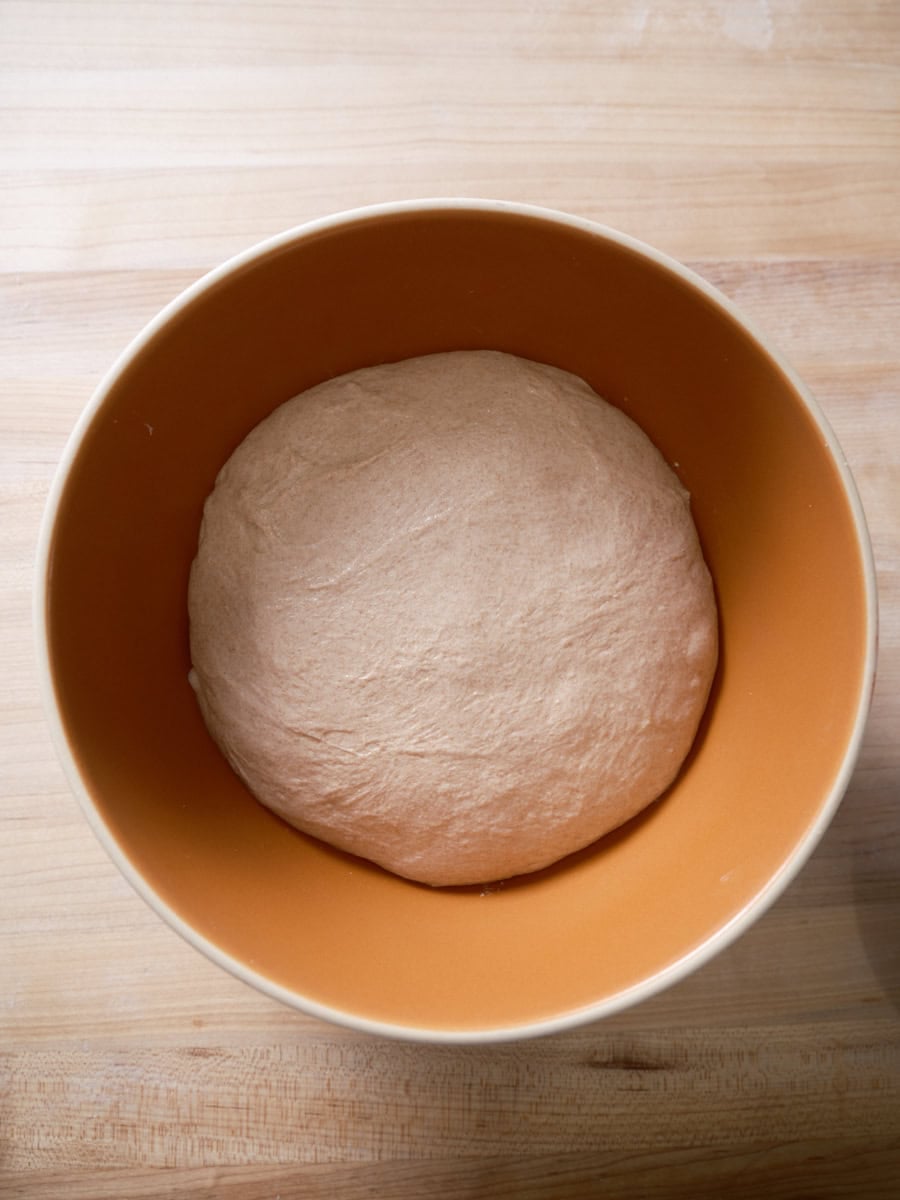
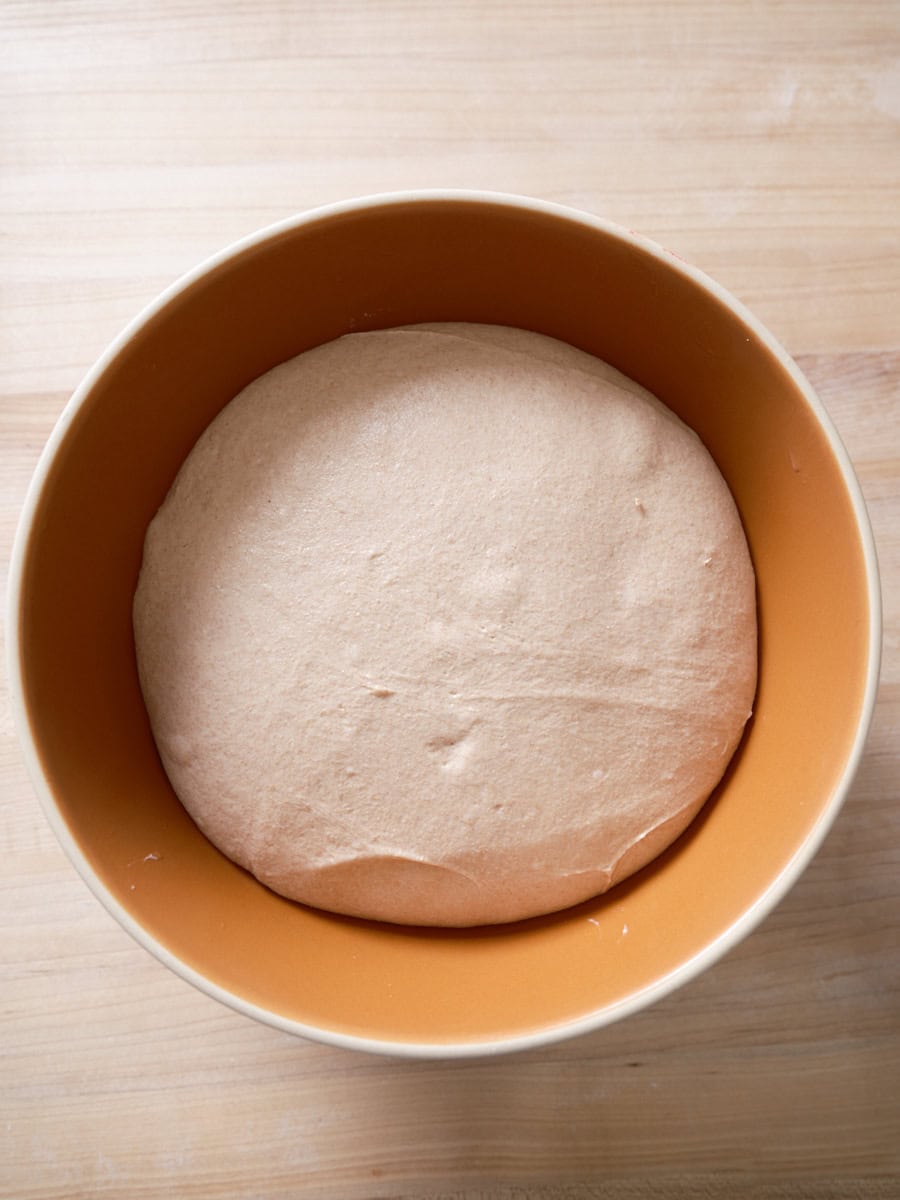
At a warm room temperature (74-76°F or 23-24°C), the bulk fermentation should last approximately 3 hours, incorporating two sets of stretch and folds at 30-minute intervals. After the first set, perform another set 30 minutes later. Allow the dough to rest, covered, for the remainder of the bulk fermentation. The dough should appear smooth, puffy, and have increased in volume by about 25%.
4. Divide and Shape (Approximately 12:30 p.m.)
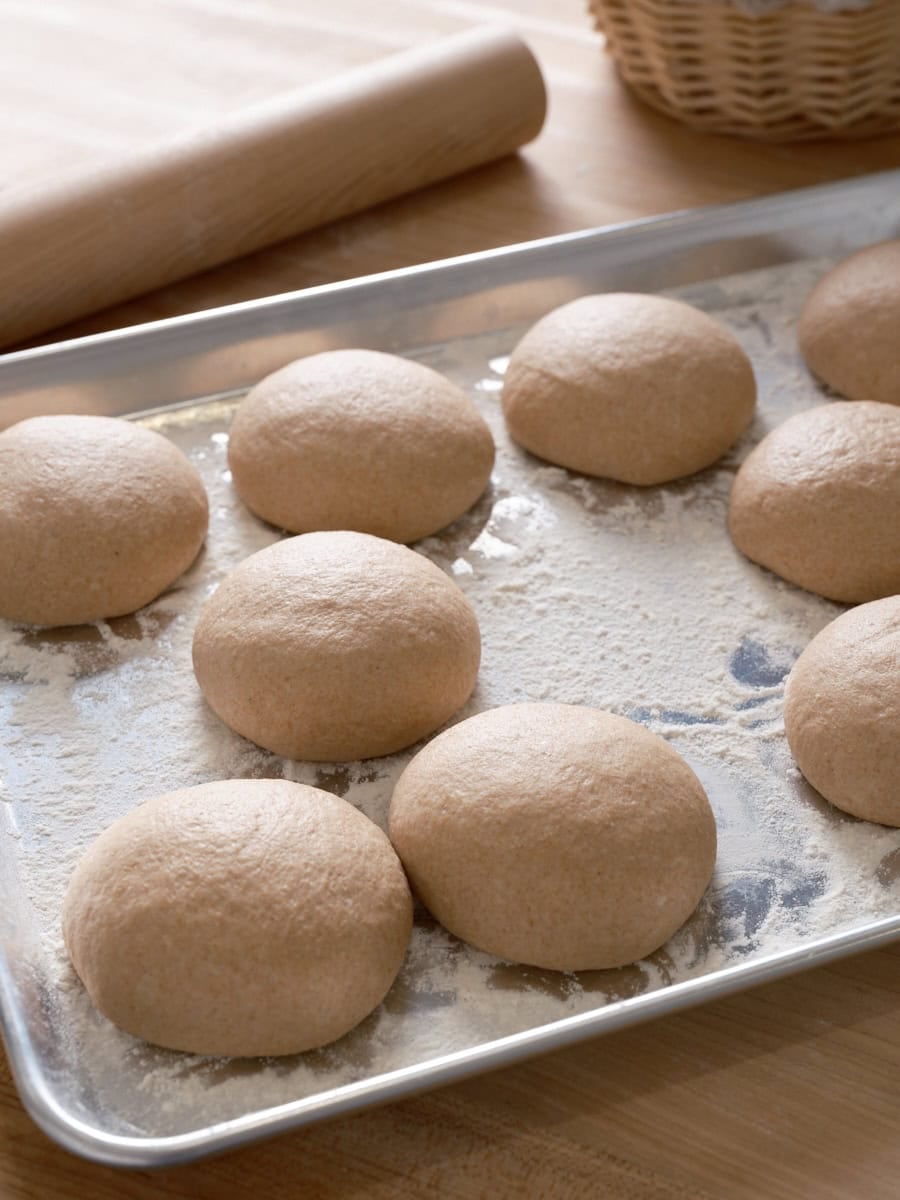
Lightly flour a half sheet pan. Gently turn the dough out onto a floured surface and divide it into ten 120-gram portions. Shape each portion into a tight ball, creating surface tension. Place the shaped balls on the prepared baking sheet, ensuring adequate spacing.
5. Proof (Approximately 1:00 p.m. to 2:00 p.m. – 1 hour)
Cover the baking sheet and allow the dough to proof for approximately 1 hour. Concurrently, preheat your oven to 550°F (290°C) with a baking steel or stone in place for at least 1 hour.
6. Bake (Approximately 2:00 p.m.)
The dough is ready for baking when it has increased in volume by about 30% and is soft to the touch, just passing the poke test.
- Preparation: Prepare your tools for baking.
- Rolling: Gently pat each dough ball flat, then roll it out to a 7-inch diameter and approximately 1/8-inch thickness. Avoid pressing too firmly to prevent compression.
- Baking: Carefully slide the rolled-out pita onto the preheated baking steel or stone. Bake for 1-2 minutes until puffed. Flip the pita using a fish spatula and bake for another minute. Remove to a towel-lined container and cover immediately. Repeat with the remaining dough.
These whole wheat sourdough pitas can be stored in a sealed bag at room temperature for up to a week. Reheat gently in a low oven or toaster oven before serving.
Sourdough Pita Bread FAQs
- Why won’t my pita puff in the oven? Insufficient or excessive rolling thickness, an insufficiently preheated oven or baking surface, or a dry dough surface can all prevent puffing. Ensure the dough is rolled to about 1/8-inch thick, the oven is at its maximum temperature, and the dough remains hydrated.
- Why does only half of my pita puff? Uneven rolling thickness is the most common culprit for partial puffing.
- Why is my pita forming large bubbles all over? This can occur when the dough is nearing over-proofing, leading to large, naan-like bubbles instead of a full puff. Adjust proofing times accordingly.
Beyond Pita: Exploring Other Sourdough Flatbreads
For those seeking alternative sourdough flatbreads, consider the author’s recipe for sourdough tortillas, an ideal component for flavorful burritos.