
This arresting declaration has become a defining tagline for Kate Solovieva, a distinguished figure in the realm of professional coaching. As a former professor of psychology, a Precision Nutrition (PN) master coach, and PN’s director of community engagement, Solovieva occupies a unique vantage point within the rapidly expanding coaching industry. Her insights are not merely theoretical; they are forged in the crucible of real-world application, having coached thousands of diverse clients and, more specifically, specializing in mentoring other coaches. Through her work as an instructor for PN’s Level 2 Master Health Coaching Certification, a facilitator for PN’s exclusive online coaching communities, and in her own private practice, Solovieva gains unparalleled access to the myriad questions, triumphs, and significant challenges that confront both nascent and veteran coaches alike. This privileged perspective allows her to discern patterns, identify critical missteps, and, crucially, formulate actionable solutions that can profoundly impact a coach’s trajectory towards sustainable success.
The global coaching industry has witnessed explosive growth over the past decade, transforming from a niche service into a multi-billion-dollar enterprise. Data from the International Coaching Federation (ICF) consistently highlights this expansion, with reports indicating market sizes exceeding $15 billion and projected annual growth rates continuing into double digits. This proliferation has led to an influx of individuals drawn to coaching by a genuine desire to help others improve their health, performance, and overall well-being. However, the very passion that attracts these individuals can sometimes blind them to the practicalities of building a robust, sustainable coaching practice. Solovieva observes that while the drive to become an exceptional coach is laudable, it often overshadows essential entrepreneurial skills. Today, she sheds light on three pervasive errors she frequently encounters, offering not just diagnoses but also pragmatic strategies to overcome them, with the ultimate goal of empowering her peers to achieve "wild success."
The Evolving Landscape of Professional Coaching
The professional coaching landscape is characterized by increasing specialization and a greater demand for evidence-based practices. While the sheer volume of available information can be empowering, it can also lead to a common pitfall: the pursuit of endless certifications without practical application. This often stems from a combination of genuine intellectual curiosity and, more subtly, a pervasive sense of "impostor syndrome" – the feeling that one is never quite knowledgeable enough to begin. Solovieva’s observations resonate with broader industry trends where many skilled practitioners struggle to translate their expertise into a thriving business. Her insights are therefore not just individual advice but a reflection of systemic challenges within the coaching profession, offering a timely corrective to common misconceptions that can impede progress and profitability.
Coaching Mistake #1: The Overemphasis on Learning Over Earning
One of the most frequently observed missteps, according to Solovieva, is a disproportionate focus on accumulating knowledge and certifications at the expense of actively engaging in the business aspects of coaching, specifically selling. She conceptualizes a successful coaching business as a "three-legged stool," each leg representing a critical component: coaching, marketing, and selling. The vast majority of individuals entering the coaching field, driven by their intrinsic desire to help, instinctively prioritize the "coaching" leg. They dedicate countless hours to perfecting their craft, delving into advanced theories, and pursuing numerous certifications. While this commitment to professional development is commendable, Solovieva argues it can become a barrier to actual practice.
"They want to become the best coach they can be, which is amazing," Kate explains. "However, to become the best coach you can be, information and theory only get you so far. You cannot become the best coach you can be in a vacuum, talking to yourself in your office." This statement highlights a fundamental truth: coaching is an experiential profession. True mastery comes not from theoretical accumulation but from the dynamic interaction with clients. Many aspiring coaches fall into the trap of believing they must possess "complete" knowledge before they are "ready" to offer their services. This perfectionistic tendency often leads to significant delays in launching their practice, during which time they miss out on invaluable practical experience and revenue generation.
The implication of this delay is substantial. Coaches who prioritize selling sooner, even with what they perceive as incomplete knowledge, inherently begin coaching sooner. This early engagement allows them to accumulate practical experience, refine their skills through real-world scenarios, and adapt their approach based on client feedback. Over time, these "imperfect" coaches gain a significant advantage over those who spend years acquiring a dozen certifications before ever signing their first paying client. The former builds both their business acumen and their coaching prowess concurrently, dramatically improving their odds of long-term success. This chronological approach to professional development – learning while doing – is often more effective than attempting to front-load all knowledge before stepping into the arena.
Solution: Embrace the Role of a Coach, Not an Omniscient Expert
The natural inclination to pursue extensive certifications often stems from a deeply ingrained desire to be perceived as an expert – someone who can confidently field any question. When clients ask questions that a coach cannot immediately answer, it can evoke feelings of discomfort, even mortification. This pressure to be an "expert" with all the answers is, according to Coach Kate, based on an erroneous assumption about the nature of coaching itself.
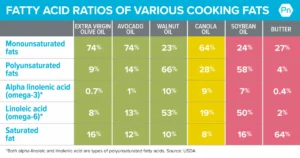
"When I show up to a coaching conversation, my role is not ‘the expert’," she clarifies. While coaches undoubtedly need a baseline understanding of their domain (e.g., nutrition knowledge to discuss protein sources), their primary function is not to deliver lectures or recite encyclopedic facts. Clients rarely need more information; what they truly need is coaching. This distinction is critical. A coach’s value lies in guiding clients towards self-discovery and actionable change, not in being a human search engine. For instance, if a client asks about seed oils, an expert might launch into a detailed explanation of lipid biochemistry. A coach, however, might respond, "That’s a great question. I can get you some information on that if you’d like, but I’m curious, why do you ask?"
This subtle shift in response is profoundly powerful. It moves the conversation from a passive information transfer to an active exploration of the client’s underlying motivations and concerns. By asking "why," the coach uncovers the deeper meaning behind the question. Perhaps the client’s friend Susan lost weight after eliminating seed oils, and the client is hoping for a similar outcome. This revelation shifts the focus from the minutiae of seed oil processing to the client’s actual goal: weight loss. This understanding then enables the coach to steer the conversation towards more relevant and effective strategies, which may or may not involve dietary fats. The implication here is that a coach acts as a facilitator of change, helping clients navigate their own journey, rather than simply dispensing directives. This approach not only empowers the client but also relieves the coach of the unrealistic burden of possessing all possible answers, fostering a more sustainable and impactful coaching relationship.
Coaching Mistake #2: The Peril of Projecting Personal Values Onto Clients
Another common misstep, often unconscious, is the assumption that clients share the coach’s values, preferences, and lifestyle choices. While it may seem obvious that clients are unique individuals, in the warm and collaborative environment of a coaching relationship, it’s remarkably easy to project one’s own experiences. Coaches are typically individuals who deeply value nutrition, exercise, and overall health – these passions often being the very reason they entered the profession. Consequently, there’s a natural tendency to assume clients hold these same core values. However, as Solovieva sagely points out, "There’s nothing inherently superior about valuing your health. If you do, yes, you’ll probably experience better health and live longer. But not everyone shares those values. That’s a tough one to swallow."
This reality can be a significant hurdle. If a coach operates under the assumption that a client’s motivations mirror their own, they risk suggesting behaviors that are impractical, undesirable, or simply not meaningful to the client. For example, a coach who thrives on early morning workouts and meticulous meal prep might advocate these strategies for a client without considering their demanding work schedule, family obligations, or simply a lack of enthusiasm for such routines. The implications of this mismatch are twofold: clients become frustrated, feeling misunderstood and unequipped to implement the suggested changes, while coaches experience discouragement, questioning their own efficacy. This leads to attrition, client dissatisfaction, and ultimately, a less impactful coaching practice. Understanding and respecting the client’s unique context – their biology, social environment, personal history, and current life stage – is paramount.
Solution: Uncover the Client’s Baseline and Readiness for Action
The antidote to assuming similarity is, quite simply, assuming nothing. Coaches must consciously check their biases and preconceived notions at the door, approaching each client interaction with an open, curious, and non-judgmental mind. This requires a deliberate effort to delve into the client’s world, asking insightful questions that reveal their unique motivations, priorities, and capabilities. Questions such as, "What inspired you – or pushed you – to come in today?" or "Why is that goal meaningful to you?" can unlock profound insights into a client’s intrinsic drive. Furthermore, exploring "What skills do you have today that might help you achieve your goal? What skills do you feel you might be missing?" provides a realistic assessment of their current state and perceived barriers.
Active and empathetic listening is crucial here. It can be particularly challenging to withhold assumptions when clients present with experiences seemingly similar to the coach’s own – perhaps they are both single parents, training for a marathon, or navigating a specific health challenge. In such instances, Solovieva suggests acknowledging the shared experience while immediately inviting the client to articulate their individual journey: "I know what [insert shared experience] has been like for me, but what has [insert shared experience] been like for you?" This technique validates the client’s experience while firmly establishing that their story is distinct and deserving of individual exploration.
Once a comprehensive picture of the client’s values, priorities, and readiness for change emerges, the coach can then assess which actions the client is truly ready, willing, and able to undertake. This assessment must be free of the coach’s own preferences. A coach might find meal prep effortless, but for a client with multiple jobs and childcare responsibilities, it could be an insurmountable task. Tools like Precision Nutrition’s "Ready, Willing, and Able Worksheet" provide a structured framework for this critical assessment, ensuring that proposed actions are not only relevant to the client’s goals but also realistically achievable within their current life context. This client-centered approach fosters greater adherence, builds client confidence, and ultimately leads to more sustainable and meaningful results.
Coaching Mistake #3: The Detrimental Impact of Over-Attachment to Client Outcomes
It is inherently human for coaches to deeply care about their clients’ success. "There’s a reason we go into coaching. It’s because we care and we want to help clients. We want to see them succeed," acknowledges Coach Kate. This empathetic drive is a powerful motivator. However, this very care can become a "double-edged sword" when it leads to an excessive emotional investment in the client’s results. Coaches meticulously craft plans, agree on habits, and then clients "walk off and either do the thing or don’t do the thing. That’s brutal."
The harsh reality of coaching is that, regardless of how sound the advice, how meticulous the plan, or how deeply the coach cares, they ultimately have no control over a client’s execution or their eventual outcomes. When clients fail to adhere to their commitments, or when desired results do not materialize, coaches can experience frustration, disappointment, and even heartbreak. Solovieva clarifies that this emotional response is not inherently negative; it often signifies that the work is deeply meaningful to the coach. It’s a sign of genuine engagement. However, she draws a crucial line: "I think there’s a point there where we can start caring more than the client themselves." This threshold marks the transition from healthy empathy to an unhealthy, potentially burnout-inducing over-attachment.
Precision Nutrition uses the concept of "care units" as a metaphor for this emotional investment. Care units represent the time, energy, attention, authenticity, and "heart" a coach brings to helping clients. Clients also possess a certain number of care units they can allocate to their own change and growth. Often, clients, burdened by life’s complexities, have fewer care units to invest than their dedicated coaches. The advice: "Care one care unit less than your client does." This seemingly counterintuitive guidance is designed to protect the coach’s emotional well-being and maintain professional objectivity. The implications of over-caring can range from professional burnout and resentment to inadvertently fostering client dependency, where the client relies on the coach’s motivation rather than developing their own.
Solution: Establish Clear Delineation of Coach and Client Responsibilities
Maintaining an appropriate level of emotional investment while still effectively supporting clients requires clear boundaries and a well-defined understanding of roles. "This is where I really like to get really clear on what my role is as a coach," Solovieva emphasizes. By clearly articulating responsibilities, coaches can objectively assess their performance: "Did I show up? Did I follow up? Did I coach this person to the best of my ability?"
For instance, a coach’s responsibilities typically include providing evidence-based guidance, offering consistent check-ins, delivering personalized feedback, and adapting strategies as needed. Conversely, the client is responsible for showing up for sessions, openly communicating challenges, actively engaging with the process, and implementing the agreed-upon actions. This delineation is ideally established early in the coaching relationship, often during initial consultations or through formal coaching contracts. Some coaches prefer an open discussion, while others opt for written agreements that explicitly outline deliverables and expectations.
This proactive communication serves a dual purpose. Firstly, it sets realistic expectations, preventing future friction arising from unarticulated assumptions. Clients understand what they can expect from their coach and, equally importantly, what is expected of them. Secondly, it acts as a "vetting" mechanism for coach-client fit. If a prospective client demands an unreasonable level of external accountability – such as daily texts, grocery deliveries, and constant monitoring – the coach can recognize this mismatch early and respectfully decline the engagement. "If the client replies, ‘Well, I want you to text me every morning and night, and I want you to make sure I’ve done my workout, and also ship groceries to my house,’ then I will be the one to say, ‘I don’t think this is a good fit.’"
This early clarity safeguards both parties. It prevents coaches from burning out by shouldering excessive burdens and protects clients from disappointment when their unspoken expectations are not met. It even helps navigate challenging situations like client "ghosting." Solovieva explains, "When somebody doesn’t reply to me, I don’t take it personally. It’s not their job to reply, but it is my job to check in." By adhering to their defined responsibilities (e.g., attempting contact through various channels until the contract expires), coaches can maintain professionalism and avoid emotional entanglement, concluding the engagement with an open-door policy: "Hey, I hope everything’s okay. My door is always open. I hope you’re doing well." This structured approach ensures that caring remains a strength, not a liability, fostering a sustainable and respectful coaching practice.
The Overlooked Virtue of Self-Appreciation in Coaching
Beyond these three pivotal mistakes, Solovieva identifies a bonus, yet equally crucial, oversight: the failure of coaches to acknowledge and celebrate their own efforts and successes. It might seem counter-intuitive to discuss "mistakes" and then conclude with praise, but for coaches who often embody extreme dedication, this message is vital. If a coach has found themselves falling into any of the aforementioned traps, it is almost invariably because they care deeply – a fundamental strength, not a flaw. This intrinsic motivation to help and serve is the bedrock of the profession.
While these "mistakes" are entirely normal and pervasive across the coaching community, they undeniably possess the potential to hinder a coach’s professional growth and business viability. Recognizing them, understanding their roots, and implementing the proposed solutions are not signs of inadequacy but rather markers of evolving professionalism and a commitment to excellence. The implications of embracing self-compassion and celebrating small victories are profound: it reduces the risk of burnout, fosters resilience, and ultimately empowers coaches to show up more effectively for their clients.
The insights shared by Kate Solovieva, initially captured in the "Coaches Compass podcast," offer a comprehensive guide for coaches striving for both impact and sustainability. By reorienting their focus to include selling, adopting a client-centered rather than expert-driven approach, and establishing clear professional boundaries, coaches can transform potential pitfalls into stepping stones for robust growth. This structured approach not only enhances the individual coach’s practice but also contributes to the overall professionalization and ethical standards of the entire coaching industry.
For those inspired to refine their coaching methodology and build a thriving practice, continuous professional development remains paramount. Organizations like Precision Nutrition provide structured pathways for coaches to deepen their understanding of sustainable nutrition and lifestyle habits, equipping them with the tools to empower clients effectively. The PN Level 1 Nutrition Coaching Certification, for example, offers a foundational curriculum designed to help coaches make a significant, positive impact on physical and mental health, all while fostering a rewarding and sustainable career. In an industry where passion must meet practicality, Solovieva’s wisdom serves as a guiding star, illuminating the path to genuine, lasting success for coaches and their clients alike.