
In the competitive world of amateur brewing, few accolades carry the weight, history, and prestige of the National Homebrew Competition (NHC). Conducted annually under the auspices of the American Homebrewers Association (AHA), the tournament serves as the ultimate litmus test for hobbyist brewers across the globe. At the recently concluded 2026 National Homebrew Competition Final Round, the craft beer community turned its collective gaze toward the Pacific Northwest, where Portland, Oregon, native Russell Berger etched his name into the annals of homebrewing history. Representing the esteemed Portland Brewers Collective, Berger captured the coveted gold medal in Category 4: German Pilsner, navigating a rigorous judging process that saw his meticulously crafted brew emerge triumphant against a formidable field of 64 exceptional entries.
The victory not only underscores Berger’s technical precision and dedication to the craft but also highlights the vibrant, collaborative culture thriving within Portland’s underground brewing scene. As craft beer enthusiasts increasingly seek out authentic, traditional styles executed with modern flair, Berger’s gold-medal-winning German Pilsner stands as a masterclass in balance, clarity, and malt-forward complexity.
The Road to Gold: Background and Evolution of the National Homebrew Competition
To understand the magnitude of Russell Berger’s achievement, one must examine the scale and heritage of the National Homebrew Competition. Established decades ago, the competition has grown from a modest regional gathering into the largest international amateur homebrewing competition in the world. Administered by the American Homebrewers Association, the event evaluates thousands of entries every year, spanning dozens of distinct beer, mead, and cider categories defined by the Beer Judge Certification Program (BJCP).
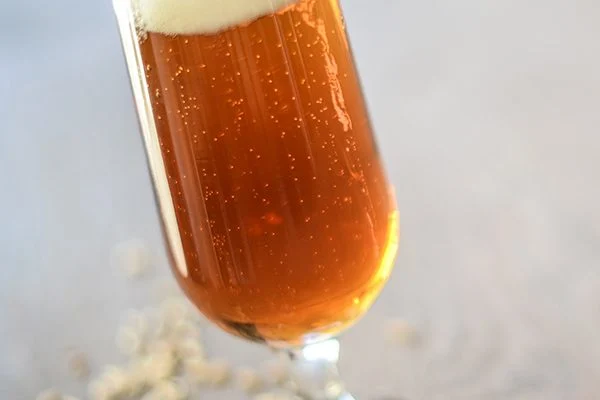
The journey to the final round is an arduous multi-stage process. Brewers first compete in regional first-round events held across the United States. Only the top-scoring entries—those that demonstrate exceptional adherence to style guidelines, flawless technical execution, and superior sensory qualities—advance to the final round. In 2026, Category 4, dedicated strictly to the nuanced and unforgiving style of the German Pilsner, proved to be one of the most fiercely contested divisions. With 64 entries submitted by some of the most accomplished amateur brewers in the country, the margin for error was razor-thin. Judges evaluated each submission based on aroma, appearance, flavor, mouthfeel, and overall impression, looking for the crisp hop bitterness, clean fermentation profile, and delicate Pilsner malt character that define the quintessential German-style lager.
Anatomy of a Champion: The Craft Behind the German Pilsner
Brewing a world-class German Pilsner is widely considered by professional and amateur brewers alike to be the ultimate test of brewing competence. Unlike heavier, high-alcohol ales or heavily hopped hazy IPAs—where bold flavors can easily mask minor flaws—a German Pilsner offers nowhere to hide. Every ingredient and process variable is laid bare.
The style demands pristine water chemistry, a meticulous mash schedule, precise temperature control during lagering, and an immaculate fermentation profile free of off-flavors such as diacetyl or DMS (dimethyl sulfide). Furthermore, because the style relies heavily on noble hop varieties like Hallertau, Tettnang, or Spalt, achieving the right balance of floral, spicy hop aroma and clean, snappy bitterness requires expert timing and execution.
Russell Berger’s gold-medal-winning recipe, which has since drawn intense interest from members of the American Homebrewers Association, exemplifies the dedication required to master this delicate style. Working within the collaborative environment of the Portland Brewers Collective, Berger refined his process through countless test batches, peer reviews, and sensory evaluations. The local brewing collective, known for fostering innovation and technical rigor among its members, provided an ideal incubator for the award-winning recipe.
Chronology of the 2026 Competition Cycle
The 2026 National Homebrew Competition cycle followed a structured timeline designed to ensure thorough evaluation and fair competition:

- Early Winter 2025/2026: Registration opens for AHA members across North America and international chapters. Brewers begin finalizing their recipes and preparing ingredients for regional submission windows.
- Spring 2026: First-round regional competitions take place. Panelists certified by the BJCP rigorously score thousands of entries, filtering out minor defects and selecting the elite beers destined for the final round.
- Early Summer 2026: Surviving entries are consolidated and transported to the final judging site. Master judges, professional brewers, and veteran sensory panelists convene to evaluate the finalists.
- Mid-2026 Final Round Results Announcement: The culmination of the event, where gold, silver, and bronze medals are awarded across all official BJCP categories, bringing national recognition to top-tier hobbyists like Russell Berger.
The Role of the Portland Brewers Collective
The success of Russell Berger at the national level reflects the strength of localized homebrewing clubs. The Portland Brewers Collective has long maintained a reputation as a powerhouse of amateur brewing talent in the Pacific Northwest. By combining communal knowledge, shared equipment resources, and constructive peer critique, the collective empowers its members to elevate their brewing standards.
In interviews and community discussions, local homebrewers frequently emphasize that winning a national medal is rarely an isolated individual achievement. It is typically the product of a supportive ecosystem where recipes are scrutinized, brewing logs are analyzed collectively, and constructive feedback helps eliminate subtle flaws before a beer ever reaches a competition bottle. Berger’s triumph in Category 4 is viewed by his peers not only as a personal milestone but as a validation of the collective’s rigorous approach to traditional lager brewing.
Broader Implications for the Homebrewing Community
Berger’s victory arrives at an interesting juncture for the broader craft beverage industry. While commercial craft breweries navigate shifting consumer preferences, economic pressures, and market saturation, the amateur homebrewing sector remains a vibrant hotbed of passion, experimentation, and educational outreach. Events like the National Homebrew Competition serve as the R&D lab for the entire beer industry, with many successful commercial brewers tracing their roots back to AHA competitions.
Moreover, the popularity of traditional European styles like the German Pilsner highlights a broader shift in consumer palates. After years dominated by high-ABV imperial stouts and intensely hopped IPAs, modern beer drinkers are increasingly gravitating toward lower-ABV, highly drinkable, crisp, and refreshing lagers. Winning gold in this specific category demonstrates that contemporary homebrewers are not only capable of mastering complex modern trends but are also deeply committed to preserving and perfecting classic, heritage-style brewing traditions.
Accessing Medal-Winning Recipes and Industry Resources
For aspiring homebrewers and enthusiasts looking to replicate Berger’s success or explore other award-winning formulations, organizations like the American Homebrewers Association play a critical educational role. The AHA maintains an extensive archive of medal-winning recipes, offering detailed ingredient lists, mash temperatures, hop schedules, and fermentation notes from top-tier competitors around the globe.
While certain resources and community databases are restricted to active association members—fostering an environment of shared learning and professional development—the broader impact of these recipes extends far beyond paywalls. They inspire a new generation of hobbyists to experiment with lager fermentation, water profiling, and ingredient selection.
Conclusion
Russell Berger’s gold medal win in Category 4: German Pilsner at the 2026 National Homebrew Competition Final Round is a testament to patience, precision, and the relentless pursuit of brewing excellence. Standing out among 64 elite entries requires more than just luck; it demands a deep understanding of yeast management, malt chemistry, and hop utilization. As Berger and the Portland Brewers Collective celebrate this significant milestone, the broader homebrewing community is reminded of the profound dedication required to transform simple ingredients—water, malt, hops, and yeast—into world-class liquid art.