
The arrival of the autumnal equinox marks a significant shift in consumer behavior and culinary focus, characterized by a marked increase in home baking and the consumption of seasonal agricultural produce. As temperatures decline, culinary interest pivots toward specific flavor profiles, primarily centered on pome fruits—such as apples—and cucurbita, specifically pumpkins and winter squashes. This seasonal transition represents a multi-billion-dollar shift in the retail and culinary industries, as households increase their procurement of pantry staples like flour, sugar, warming spices, and canned pumpkin products.
The Economic and Cultural Significance of Fall Baking
The resurgence of home baking during the autumn months is not merely a hobbyist trend but a verifiable economic phenomenon. According to data from the National Retail Federation and various agricultural boards, the period between September and November sees a substantial spike in the sale of baking supplies. This surge is driven by a combination of traditional holiday preparation and a psychological association between "comfort foods" and the seasonal change.

The cultural emphasis on "fall coziness"—often referred to in lifestyle media as a period of domestic renewal—encourages consumers to engage in labor-intensive food preparation. From a socio-economic perspective, this behavior is linked to the "nesting" instinct, where shorter daylight hours and colder temperatures lead individuals to spend more time in indoor, climate-controlled environments. Consequently, the kitchen becomes the central hub of domestic activity.

The Apple Harvest: A Seasonal Anchor
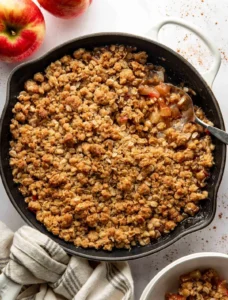
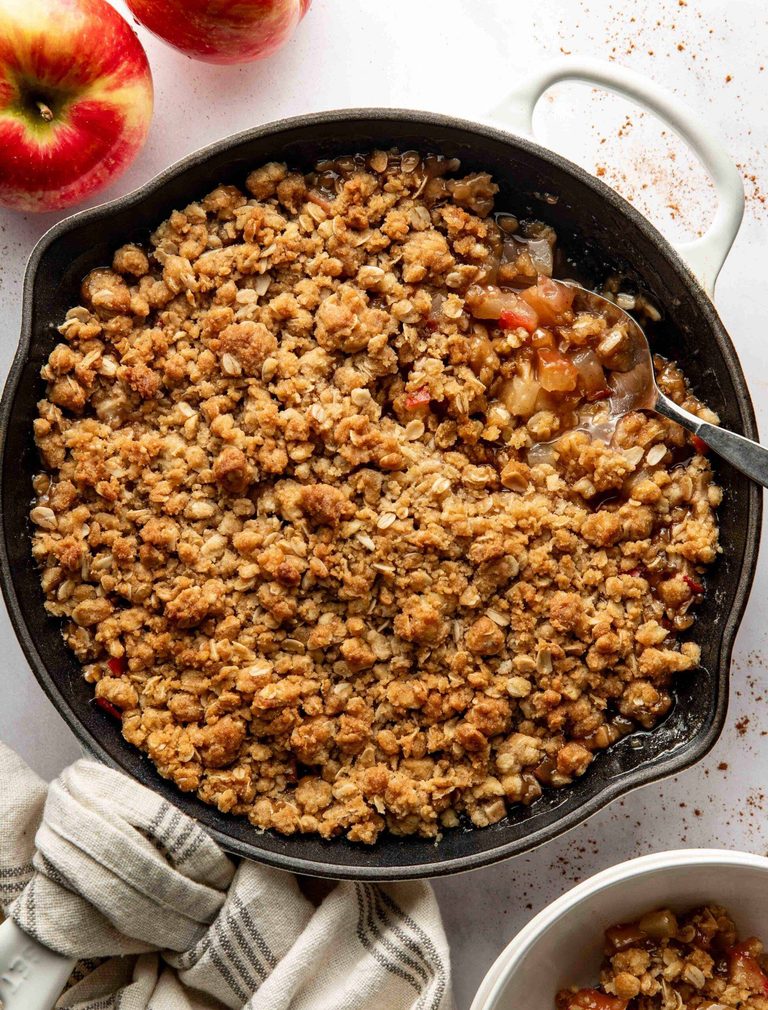
The apple harvest serves as the primary catalyst for the early-fall baking season. In the United States, apple production is a cornerstone of the agricultural sector, with states like Washington, New York, and Michigan leading the market. The availability of fresh, orchard-picked apples—specifically varieties like Honeycrisp, Gala, and Fuji—directly correlates with the popularity of baked goods such as apple crisps, cinnamon-sugar cakes, and muffins.

Industry analysts note that the "orchard experience" has evolved into a significant agritourism event. Families increasingly view visits to pick-your-own apple farms as a community ritual. This engagement with the raw product increases the likelihood of subsequent home processing. Recipes that utilize these fresh ingredients, such as apple-based muffins or traditional crisps, are consistently among the most searched and executed culinary projects during the months of September and October.

The Pumpkin Industry and Supply Chain Dynamics
Parallel to the apple harvest, the pumpkin supply chain undergoes a rapid acceleration in late August and early September. While pumpkins are synonymous with decorative practices, the culinary application of canned pumpkin purée has become a staple of modern autumn baking.

Recent market reports indicate that the demand for pumpkin-flavored goods—including muffins, energy bites, and specialty cakes—has expanded beyond the traditional holiday window. This is partly due to the proliferation of "pumpkin spice" as a year-round consumer preference, though the peak demand remains firmly rooted in the autumn. The versatility of the ingredient allows it to be integrated into diverse dietary profiles, ranging from indulgent caramel-drizzled monkey breads to nutrient-dense energy bites utilizing pumpkin seeds, oats, and nut butters.

Chronology of the Autumnal Baking Cycle
The trajectory of the fall baking season follows a predictable timeline:

- Late August/Early September: Initial consumer interest in "back-to-school" and "early fall" recipes. Focus is on portable snacks, such as energy bites and muffins, designed for lunchboxes.
- Late September/Early October: The peak of the apple harvest. Focus shifts to complex, oven-baked desserts like crisps, cakes, and cobblers.
- Late October/November: A synthesis of pumpkin and apple flavors. The focus transitions toward high-complexity items, including bundt cakes, brioche-based cinnamon rolls, and desserts suitable for large-scale gatherings.
- Late November: The conclusion of the fall cycle, merging into the winter holiday baking season, characterized by gingerbread, shortbread, and more labor-intensive confections.
Nutritional Trends in Modern Home Baking
A significant shift in home baking patterns is the growing preference for "functional" ingredients. While traditional recipes for cinnamon rolls and cakes remain popular, there is a measurable increase in the adoption of recipes that incorporate whole grains, natural sweeteners, and plant-based fats.

For instance, the substitution of refined white flour with oat flour or whole wheat, and the replacement of refined sugars with maple syrup or dates, has become a standard practice in many modern kitchens. This trend is particularly visible in the popularity of "healthy" muffin recipes and energy bites. Consumers are increasingly seeking recipes that balance the indulgence of seasonal flavors with the nutritional benefits of fiber-rich ingredients like quinoa, chia seeds, and almond butter. This change in consumer preference has prompted food bloggers and culinary developers to pivot their content toward these "feel-good" alternatives, which often promise the same flavor profile as traditional recipes with improved nutritional profiles.

Analysis of Culinary Implications and Home Preparedness
The act of home baking serves as an essential component of household stress management and social cohesion. Psychologists have noted that the repetitive, tactile nature of baking—such as kneading dough or folding batter—can have meditative effects. Furthermore, the sensory output of baking—specifically the diffusion of scents like cinnamon, ginger, and nutmeg—creates a psychological environment associated with security and comfort.

From a culinary standpoint, the trend toward "simple yet elevated" baking is dominant. Recipes that require minimal equipment, such as single-serving crisps that can be prepared in a microwave, reflect the fast-paced nature of modern life, while complex recipes like brioche cinnamon rolls cater to those seeking a more immersive weekend project. The flexibility of these recipes, particularly those that allow for dough to be prepared in advance and frozen, suggests that modern bakers are prioritizing convenience without sacrificing the quality of the final product.

The Role of Digital Media in Culinary Education
The democratization of baking knowledge through digital platforms has fundamentally altered how individuals approach seasonal cooking. Professional and amateur culinary creators have transformed traditional methods into accessible, step-by-step guides that lower the barrier to entry for novice bakers. The ability to source, compare, and modify recipes online has resulted in a more experimental domestic baking culture.

Industry experts observe that social media platforms play a critical role in the "virality" of specific recipes. A well-executed image or video of a pumpkin-caramel monkey bread or a browned-butter cookie can trigger widespread consumer interest, leading to a ripple effect in grocery store inventory levels. This interconnectedness between digital content and physical consumer behavior is a defining feature of the current food landscape.

Broader Impact and Future Outlook
The autumnal baking season is a robust engine of domestic activity that reinforces seasonal identity and promotes local agricultural consumption. As the food industry continues to emphasize transparency and health-conscious alternatives, the future of fall baking will likely continue to evolve. We can expect to see further integration of global flavors into traditional autumn staples—such as the infusion of dulce de leche into European-style desserts or the use of diverse spice blends—while maintaining the core themes of warmth and comfort.

Ultimately, the commitment to fall baking reflects a broader societal desire to maintain connection—to the seasons, to agricultural cycles, and to the comfort of the home. As households prepare their ovens for the season, they are participating in a long-standing tradition that continues to adapt to contemporary tastes, nutritional needs, and technological advancements, ensuring that the legacy of autumnal culinary arts remains a vibrant and essential part of the modern domestic experience.