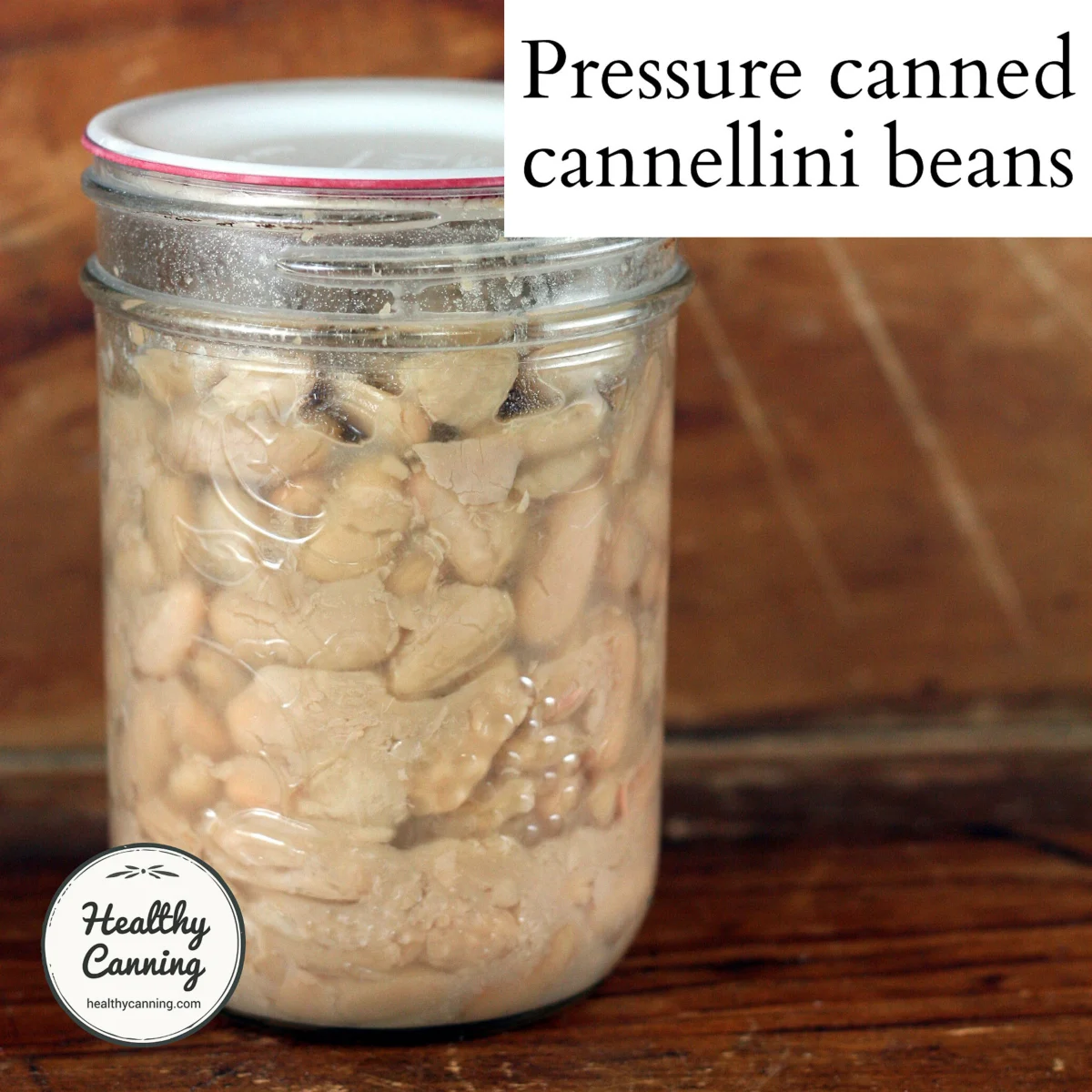

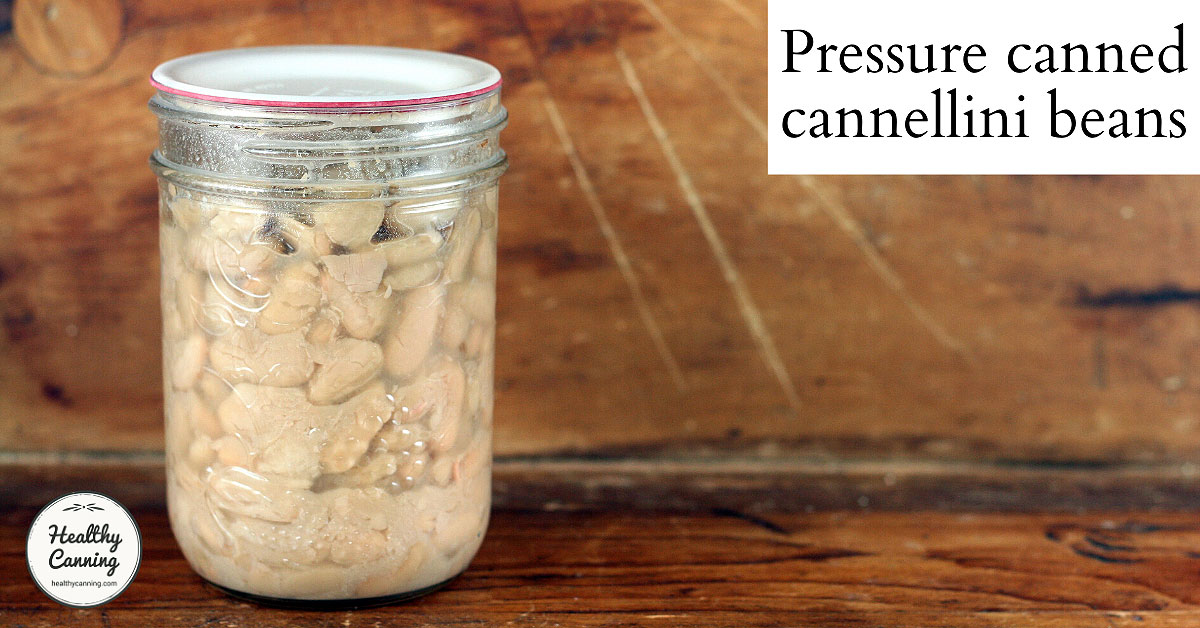
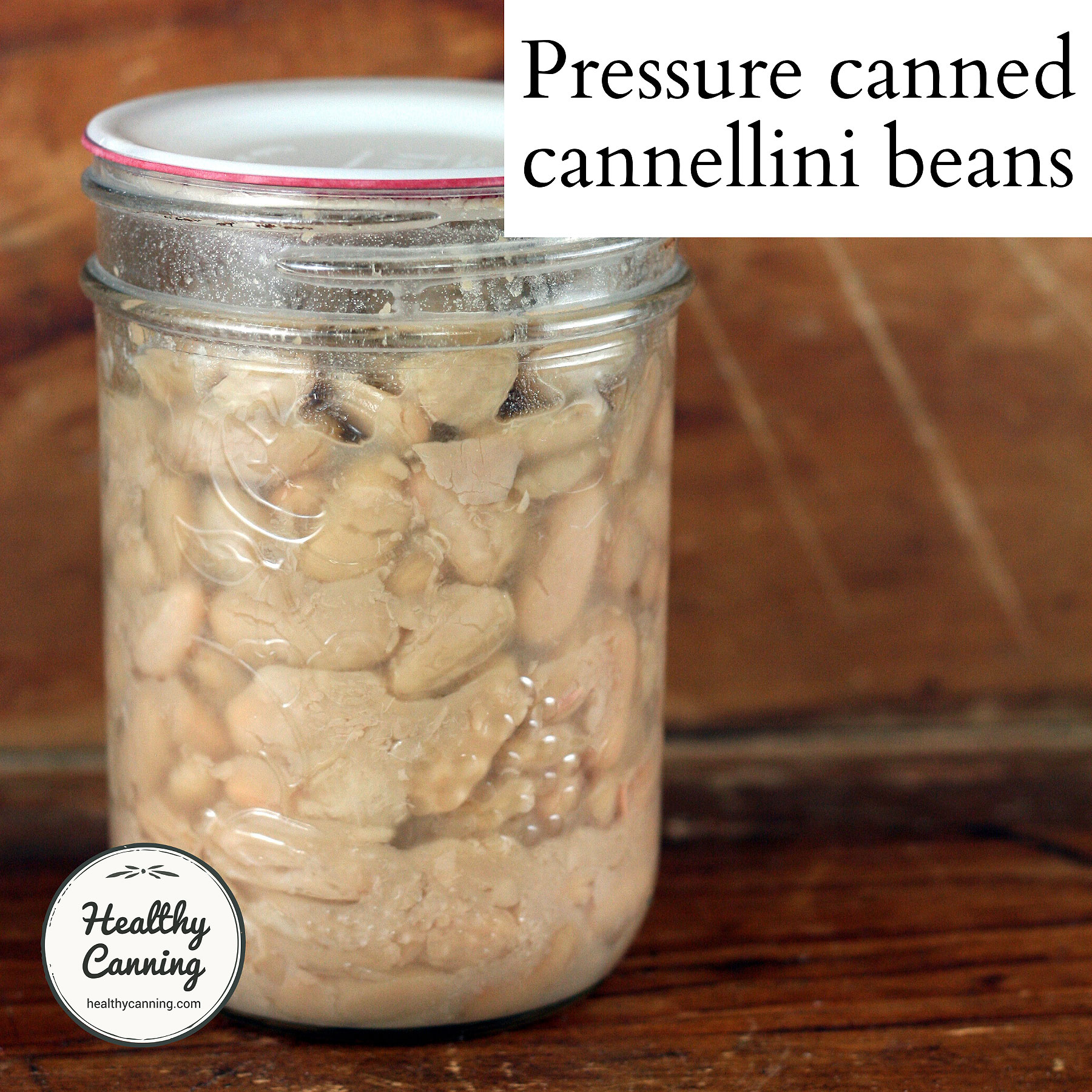
Home-canned cannellini beans, widely recognized as white kidney beans, represent a traditional method of food preservation that combines culinary self-reliance with rigorous food safety standards. For home cooks and gardeners looking to preserve dry legumes, utilizing a pressure canner is not merely a preference but a strict scientific necessity. Because beans are low-acid foods, they do not create an environment hostile enough to botulinum spores through boiling water bath canning alone. Consequently, adherence to officially validated processing schedules—such as those outlined by the United States Department of Agriculture (USDA)—is paramount to preventing foodborne illness while maintaining the structural integrity and nutritional value of the legumes.
Understanding the unique textural characteristics of home-canned cannellini beans is essential for successful culinary application. When subjected to the sustained high temperatures and pressures required for safe canning, cannellini beans emerge significantly softer than their commercially produced counterparts, which often incorporate firming agents or undergo proprietary industrial processing. Because of this tender consistency, home-canned cannellini beans are generally unsuited for bean salads or dishes requiring distinct, whole beans that retain a firm bite. Instead, their velvety texture makes them exceptional additions to rustic soups, hearty stews, blended bean pâtés, and savory spreads where a smooth, integrated consistency is desired.
The Historical Context of Home Pressure Canning and Legume Preservation
The practice of home food preservation has evolved significantly from early trial-and-error techniques to the highly regulated, science-based protocols established in the 20th and 21st centuries. The USDA’s Complete Guide to Home Canning serves as the definitive baseline for domestic food preservation in the United States, synthesizing decades of research from food scientists, microbiologists, and agricultural extension services.
Historically, the preservation of dried beans relied primarily on dry storage in airtight containers, which remains an effective method for long-term storage. However, the movement toward home canning dried beans gained momentum as homesteaders and urban gardeners sought the convenience of "ready-to-eat" pantry staples without the sodium levels and packaging waste associated with commercially canned goods. The integration of pressure canning technology—popularized in the mid-20th century—transformed how low-acid foods could be safely stored at ambient room temperatures without refrigeration.
Chronology and Step-by-Step Methodology for Processing Cannellini Beans
Executing a successful batch of pressure-canned cannellini beans requires meticulous preparation, precise measurement, and adherence to a strict timeline. The process begins well before the jars enter the pressure canner, starting with the sorting, washing, and rehydration of the dried legumes.
Preparation and Hydration Phase
Prior to canning, dried cannellini beans must be thoroughly sorted to remove any stones, debris, or damaged beans. Following this inspection, the beans are typically subjected to a rehydration process. Standard USDA protocols recommend covering dried beans with water and soaking them for several hours or overnight, or utilizing a hot-soak method where the beans are brought to a boil, removed from heat, and allowed to soak for one hour. After soaking, the beans are drained, rinsed, and covered with fresh boiling water, then simmered for approximately 30 minutes before being packed into jars. This pre-cooking phase minimizes the absorption of liquid during the canning process and prevents the jars from becoming overly packed as the beans expand.
Jar Packing and Headspace Management
Once prepared, the hot beans are packed loosely into clean, sterilized canning jars. Jar size choices for this process include quarter-litre (half-US pint), half-litre (one US pint), or one-litre (one US quart) sizes. A critical parameter in this phase is maintaining a precise headspace of 3 centimeters (1 inch) from the top of the jar. Proper headspace ensures a reliable vacuum seal forms during cooling and prevents siphoning (the loss of liquid from inside the jar during pressure processing). Boiling cooking liquid or fresh boiling water is then ladled over the beans, maintaining the mandated 1-inch headspace, and any trapped air bubbles are removed using a non-metallic spatula or bubble-debubbler. Rims are wiped clean with a damp cloth to remove any starch or residue that could compromise the seal before the two-piece lids are applied and fingertip-tightened.
Pressure Processing Parameters and Altitude Adjustments
The loaded jars are placed onto a rack inside a pressure canner containing the specified volume of hot water. The canner lid is secured, and steam is allowed to vent freely from the vent pipe for a continuous 10 minutes before the weight or petcock is closed. This venting step ensures that all cool air has been evacuated from the canner chamber, guaranteeing that the interior temperature corresponds accurately to the measured pressure.
Processing times and pressures vary according to jar size and geographical elevation:
- For quarter-litre (half-pint) and half-litre (pint) jars, the required processing time is 75 minutes.
- For one-litre (quart) jars, the required processing time is 90 minutes.
Regarding pressure levels, operators of weighted-gauge canners at elevations ranging from 0 to 300 meters (0 to 1,000 feet) must maintain 10 lbs of pressure (69 kPa). For dial-gauge canners at the same elevation, 11 lbs of pressure (76 kPa) is required. Crucially, altitude adjustments are mandatory for locations situated above 300 meters (1,000 feet) due to atmospheric pressure differentials. In weighted-gauge systems operating above this threshold, the pressure must be increased to 15 lbs. Dial-gauge users must consult specific altitude conversion charts to adjust their pressure settings upward accordingly. Failure to adjust for altitude results in lower internal processing temperatures, which compromises the destruction of heat-resistant bacterial spores.
Cooling and Post-Processing Protocol
Upon completion of the designated processing time, the heat source is turned off, and the pressure canner must be allowed to depressurize naturally and completely. Forced cooling—such as applying cold water to the canner—is strictly discouraged, as rapid thermal shock can crack the glassware, cause violent liquid loss, and compromise container seals. Once the pressure drops to zero and the pressure indicator lock has dropped, the lid is opened cautiously away from the face to avoid escaping steam. Jars are removed using specialized jar lifters and placed upright on a towel or wooden board in a draft-free location to cool undisturbed for 12 to 24 hours. After cooling, seals are tested, rings are removed, and the jars are labeled and stored in a cool, dark, and dry environment.
Detailed Processing and Pressure Matrix
To assist home preservers in adhering to official safety standards, the standardized processing matrix for dried shelled beans (including cannellini beans) is outlined below:
| Jar Size | Processing Time | Pressure (0 – 300 m / 0 – 1,000 ft) | Pressure (Above 300 m / 1,000 ft) |
|---|---|---|---|
| ¼ Litre (½ US Pint) | 75 minutes | 10 lbs (Weighted) / 11 lbs (Dial) | 15 lbs (Weighted) / 12–14 lbs (Dial*) |
| ½ Litre (1 US Pint) | 75 minutes | 10 lbs (Weighted) / 11 lbs (Dial) | 15 lbs (Weighted) / 12–14 lbs (Dial*) |
| 1 Litre (1 US Quart) | 90 minutes | 10 lbs (Weighted) / 11 lbs (Dial) | 15 lbs (Weighted) / 12–14 lbs (Dial*) |
(Note: Exact dial-gauge adjustments for altitudes above 1,000 feet vary slightly by manufacturer specifications; consult standard USDA dial-gauge pressure charts for precise calibration.)
Nutritional Profile and Dietary Implications of Home-Canned Cannellini Beans
Beyond the economic and self-sufficiency benefits of home food preservation, cannellini beans offer a robust nutritional profile that supports various dietary regimens. According to standard nutritional analyses of plain, pressure-canned white kidney beans prepared without added sodium, a standard half-cup serving (approximately 130 grams) delivers a balanced array of macronutrients and micronutrients.
Nutritional breakdown per 130-gram (½ cup) serving:
- Calories: 100 kcal
- Total Carbohydrates: 17 g
- Dietary Fiber: 5 g
- Sugars: 1 g
- Protein: 6 g
- Total Fat: 1 g
- Sodium: 30 mg (naturally occurring)
- Potassium: 250 mg
- Calcium: 40 mg
- Iron: 1.8 mg
The high fiber content—contributing roughly 5 grams per serving—plays an essential role in digestive health, glycemic control, and cardiovascular support by helping to regulate blood cholesterol levels. Furthermore, the inclusion of plant-based protein (6 grams per serving) makes cannellini beans an invaluable staple for vegetarian and vegan meal planning.
The flexibility of home canning allows individuals to control sodium intake strictly. While commercial canned beans often contain elevated sodium levels acting as a preservative and flavor enhancer, home-canned batches can be prepared entirely salt-free. According to food preservation authorities, salt is added to canned beans purely for flavor and does not act as a necessary preservative when proper pressure-canning times and temperatures are observed. Consequently, consumers managing hypertension or adhering to sodium-restricted diets can enjoy nutrient-dense legumes without compromising their health objectives.
Safety Guidelines, Expert Recommendations, and Master Food Preserver Resources
Food safety experts and agricultural extension services universally emphasize that shortcuts in pressure canning low-acid foods introduce severe health risks, most notably the threat of botulism—a potentially fatal neuroparalytic illness caused by the toxin produced by Clostridium botulinum spores. Because these bacterial spores thrive in oxygen-free, low-acid environments at room temperature, boiling water bath canning is entirely ineffective for beans, corn, meats, and vegetables.
For individuals navigating complex canning procedures for the first time, or those encountering unusual equipment malfunctions during a processing cycle, official institutional support networks are widely available. Agricultural extension offices and Master Food Preserver programs—operated in conjunction with land-grant universities across North America—provide reliable, research-backed guidance. Many of these organizations operate seasonal telephone hotlines and regional clinics staffed by certified food safety experts equipped to answer technical questions regarding gauge testing, altitude adjustments, and processing validation.
In summary, incorporating home-canned cannellini beans into a domestic pantry regimen bridges traditional culinary arts with modern food safety science. By respecting the physical limitations of home preservation equipment, strictly following USDA processing schedules, and adapting recipes to suit individual nutritional needs, home cooks can safely enjoy a versatile, shelf-stable, and nutrient-rich legume year-round.