
The Evolution of Home Canning and the Role of Low-Methoxyl Pectin
Historically, the production of fruit preserves was a method of survival, intended to extend the shelf life of seasonal harvests through the winter months. Traditional jam recipes relied on high-methoxyl pectin, which is naturally occurring in many fruits but requires a precise balance of high sugar and high acidity to form a gel. In these traditional preparations, sugar acts not only as a sweetener but as a preservative and a structural component. However, the rise of metabolic health concerns, such as diabetes and obesity, has driven a demand for "low or no sugar" alternatives.
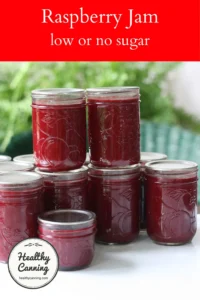
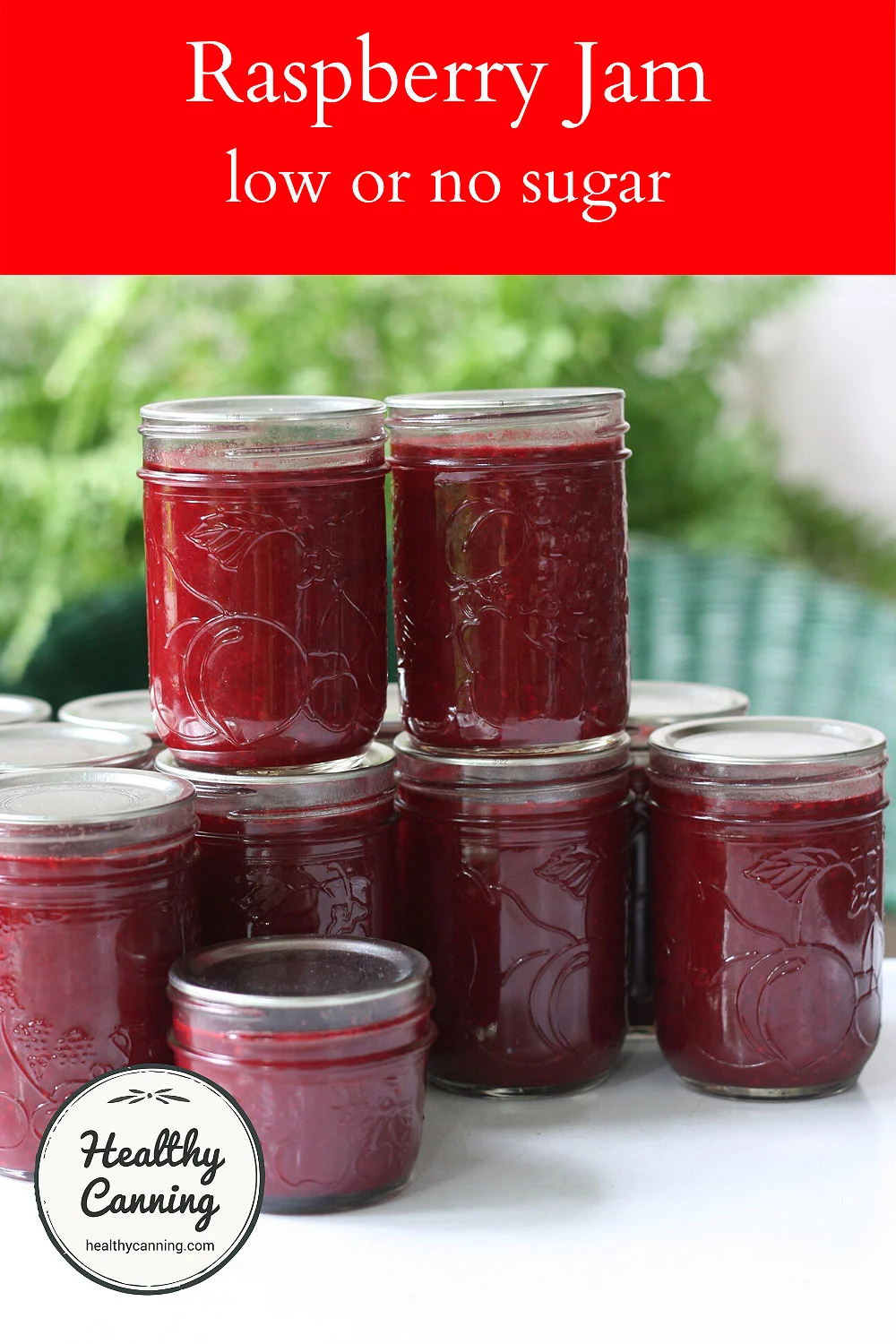
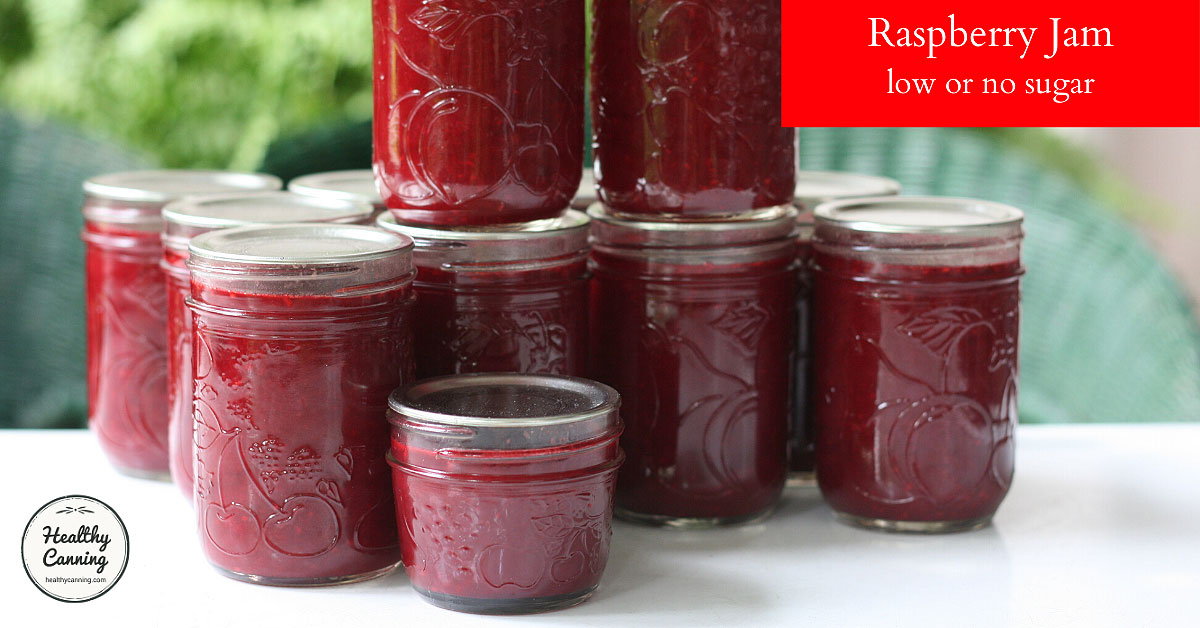
Pomona’s Pectin, a citrus-based, low-methoxyl pectin, was developed to address this specific need. Unlike standard pectins that require sugar to "draw out" water and allow pectin chains to bond, low-methoxyl pectin bonds in the presence of calcium. This chemical reaction allows the jam to thicken regardless of the sugar level. The recipe for Raspberry Jam (with Pomona pectin) leverages this science, offering a yield of approximately four quarter-litre (250 ml / 8 oz) jars, processed through either water bath or steam canning methods to ensure shelf stability.
Technical Specifications and Recipe Parameters
The preparation of this raspberry preserve is characterized by its efficiency and its adaptability to both fresh and frozen produce. The process begins with the preparation of the fruit, which may include the optional straining of seeds—a process often preferred for raspberries due to their high seed-to-pulp ratio.
Essential Recipe Components
The formulation requires a precise application of the following parameters:
- Jar Sizes: 125 ml (4 oz) or 250 ml (8 oz) are recommended to ensure heat penetration during processing.
- Headspace: A strict 1 cm (1/4 inch) headspace must be maintained to facilitate a proper vacuum seal.
- Processing Time: A standard 10-minute interval is required for both water bath and steam canning, though this must be adjusted based on the altitude of the canning facility.
- Yield: The standard batch produces four 250 ml jars, making it an ideal "small-batch" recipe that prevents the overcooking of delicate berry flavors.
Sweetener Flexibility
One of the most notable features of this recipe is the range of approved sweeteners. According to nutritional data, using one cup (200 g) of granulated sugar results in approximately 21 calories per tablespoon. Alternatively, the recipe supports:
- Granulated Splenda: 1 cup (25 g), which reduces the caloric load to approximately 10 calories per tablespoon.
- Honey: 1/2 cup to 1 cup (125 to 250 ml), providing a floral depth to the tartness of the raspberries.
- Liquid Stevia: 2 teaspoons, for a completely sugar-free profile.
Chronology of the Canning Process
The successful preservation of raspberry jam follows a strict chronological sequence to ensure both the quality of the set and the safety of the final product.
- Fruit Preparation: Fresh raspberries are washed and mashed, or frozen berries are thawed. If a seedless variety is desired, the mash is passed through a fine-mesh sieve or a food mill.
- Calcium Water Preparation: Because Pomona pectin requires calcium to activate, a calcium water solution (typically included in the pectin packaging) is prepared and added to the fruit base.
- Sweetener-Pectin Blend: To prevent clumping, the pectin powder is thoroughly mixed into the dry sweetener (sugar or sugar substitute) before being introduced to the fruit.
- The Boil: The fruit and calcium water are brought to a boil. The pectin-sweetener mix is then added, and the mixture is returned to a full boil for one to two minutes to activate the bond.
- Jarring and Sealing: The hot jam is funneled into sterilized jars, leaving the requisite 1 cm headspace. Lids are applied to "fingertip tight" tension.
- Thermal Processing: The jars are placed in a water bath or steam canner. Once the water returns to a rolling boil (or the steam reaches the appropriate temperature zone), the 10-minute timer begins.
- Cooling and Setting: After processing, jars are removed and left undisturbed for 12 to 24 hours. The "ping" of the lids indicates a successful vacuum seal.
Safety Standards and Altitude Adjustments
A critical aspect of professional-grade home canning is the adherence to safety protocols established by organizations such as the National Center for Home Food Preservation (NCHFP). This raspberry jam recipe is compatible with both traditional water bath canning and the increasingly popular steam canning method.
Steam canning, which uses significantly less water and reaches processing temperatures faster, was once viewed with skepticism but has been validated as safe for high-acid foods (pH of 4.6 or lower) like raspberries. However, practitioners must adjust their processing times based on altitude. At higher elevations, the boiling point of water decreases, necessitating longer processing times to ensure that any potential microorganisms are neutralized. Failure to adjust for altitude is a common cause of spoilage in home-preserved goods.
Nutritional Analysis and Market Impact
The nutritional profile of this raspberry jam highlights its suitability for modern dietary requirements. A single tablespoon serving contains approximately 5 grams of carbohydrates and 4 grams of sugar when prepared with standard sugar. When substituted with non-nutritive sweeteners, the carbohydrate count drops significantly, making it a viable option for those on ketogenic or low-carb diets.
Furthermore, the inclusion of dietary fiber (1 gram per tablespoon) and Vitamin C (4 mg per tablespoon) ensures that the jam retains some of the inherent health benefits of the raw fruit. Raspberries are known for their high antioxidant content, specifically ellagic acid and anthocyanins, which have been studied for their anti-inflammatory properties.
In the broader market, the shift toward small-batch, low-sugar canning reflects a "back-to-basics" movement in food security. During periods of economic volatility, there is a documented increase in home food preservation. This recipe, adapted from Pomona Pectin’s "Seedless Raspberry-Honey-Vanilla Jam" (first published in 2020), represents the intersection of traditional skills and modern nutritional science.
Implications for the Artisanal Food Industry
The implications of such recipes extend beyond the home kitchen. Small-scale "cottage food" entrepreneurs often use these low-sugar formulations to differentiate their products in a crowded marketplace. By offering "no-added-sugar" or "honey-sweetened" preserves, these producers can appeal to health-conscious consumers who avoid the high-fructose corn syrup and artificial preservatives found in many commercial supermarket brands.
The use of Pomona pectin also provides a more consistent result for professional canners. Because it does not require "cooking down" the fruit to reach a set, the jam maintains a brighter color and a fresher, more vibrant fruit flavor. Traditional jams often take on a "cooked" or caramelized taste due to the long boiling times required to evaporate enough water for a high-sugar set. In contrast, the calcium-activated set happens almost instantly, preserving the integrity of the raspberry’s delicate aromatic compounds.
Conclusion
Raspberry Jam (with Pomona pectin) is more than a simple recipe; it is a testament to the technical advancements in food science that allow for safer, healthier, and more flexible food preservation. By understanding the chemistry of low-methoxyl pectin and adhering to rigorous canning safety standards, individuals can produce a high-quality, shelf-stable product that rivals commercial alternatives in both taste and nutritional value. As the trend toward self-sufficiency and clean eating continues to grow, the role of specialized ingredients like Pomona pectin in the domestic pantry is likely to expand, fostering a new generation of informed and health-aware food preservers.