
The Twin Peaks sports bar chain is entering a transformative era of accelerated development and culinary innovation, signaling a robust recovery following a high-profile ownership transition earlier this year. Despite the complexities of a publicized bankruptcy process involving its former parent company, FAT Brands, the 115-unit "ultimate sports lodge" is doubling down on its core identity while preparing for its most significant menu launch in over half a decade. Central to this new chapter is a leadership structure that prioritizes the insights of operators and franchisees, a move designed to stabilize the brand’s culture and streamline its expansion into new domestic markets.
The Financial Restructuring and Ownership Shift
The narrative of Twin Peaks’ current trajectory began with a significant financial pivot. Earlier this year, the brand’s parent organization, FAT Brands, navigated a restructuring process that saw lenders take control of the Twin Peaks concept. This was executed via a $359.5 million credit bid—a legal mechanism in bankruptcy proceedings where a creditor uses the debt it is owed to purchase the assets of the debtor. While such transitions can often lead to uncertainty or a dilution of brand identity, Twin Peaks has moved to reassure stakeholders that the fundamental "guest promise" remains intact.
Overseeing this new phase of operations is Summit Acquisitions, a group comprised of veteran franchisee leadership. This shift is notable in the hospitality industry, as it moves the decision-making power from distant corporate boards or Wall Street investors directly into the hands of those who manage the day-to-day operations of the lodges. By aligning ownership interests with operational expertise, the brand aims to foster a more responsive and agile corporate environment.
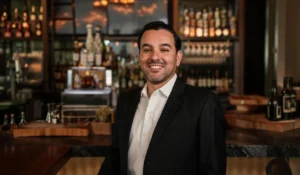
Chief Marketing Officer Melissa Fry, who joined the executive team with extensive experience in the casual dining sector, emphasizes that the ownership change has not altered the experiential hallmarks of the brand. Guests continue to frequent the lodges for their signature 29-degree beer, high-definition sports viewing environments featuring nearly 100 televisions per location, and a service model that emphasizes hospitality. Fry notes that consumer loyalty is driven by how a brand makes a guest feel, rather than the specifics of its corporate ledger.
Leadership Continuity and the "Operator-First" Philosophy
One of the most critical aspects of the transition has been the retention of the brand’s core leadership team. Unlike many corporate takeovers that result in significant staffing reductions or "right-sizing," Twin Peaks has maintained its executive roster. This includes President and COO Roger Gondek, Chief People Officer Lexi Burns, and Chief Financial Officer Scott Gray. This continuity is viewed as a stabilizing force for both the corporate staff and the franchise network.
The involvement of Summit Acquisitions has introduced an "advisory group" mentality to the chain’s growth strategy. Because the current overseers are themselves operators, the dialogue within the company has shifted toward practical, field-tested solutions rather than theoretical financial modeling. Fry highlights that this shared language between the boardroom and the kitchen is a significant competitive advantage. The focus is not merely on "protecting" the brand during a transition but on aggressively expanding its footprint.
This approach is bolstered by Melissa Fry’s own professional history. Before her tenure at Twin Peaks, she spent over 16 years at Hooters, a brand that underwent a similar bankruptcy and subsequent transition to franchisee guidance. Her experience navigating public ownership changes has provided a roadmap for Twin Peaks, allowing the brand to avoid common pitfalls and focus on maintaining service standards during times of corporate flux.
A Timeline of Culinary and Digital Evolution
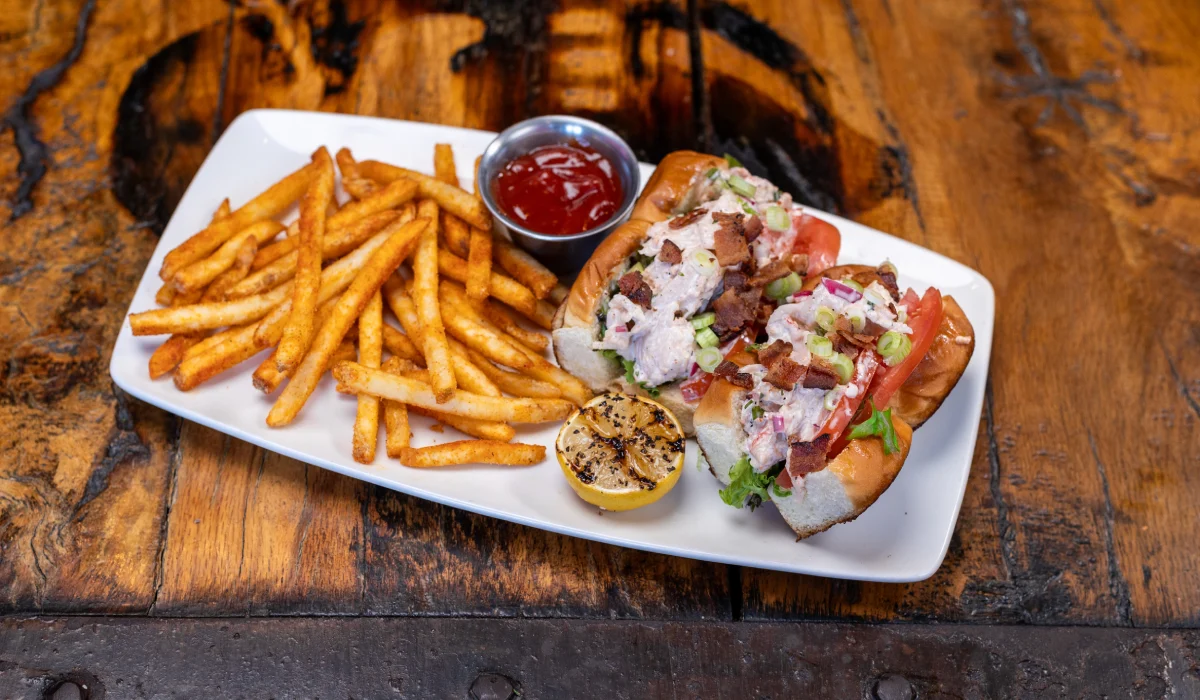
Twin Peaks is currently preparing for what is described as its largest menu rollout in nearly six years. This initiative follows a series of incremental updates earlier this year that introduced items such as the Turkey Cheddar Melt, Sweet Heat Shrimp Tacos, Twice-Baked Potatoes, and a Crispy Fish Sandwich. The brand has also expanded its beverage program to include new cocktails, shots, and an increased selection of zero-proof (non-alcoholic) options to cater to evolving consumer preferences.
The upcoming "massive" rollout is expected to focus on:
- Lunch Specials: Aimed at increasing weekday foot traffic and capturing the professional lunch crowd.
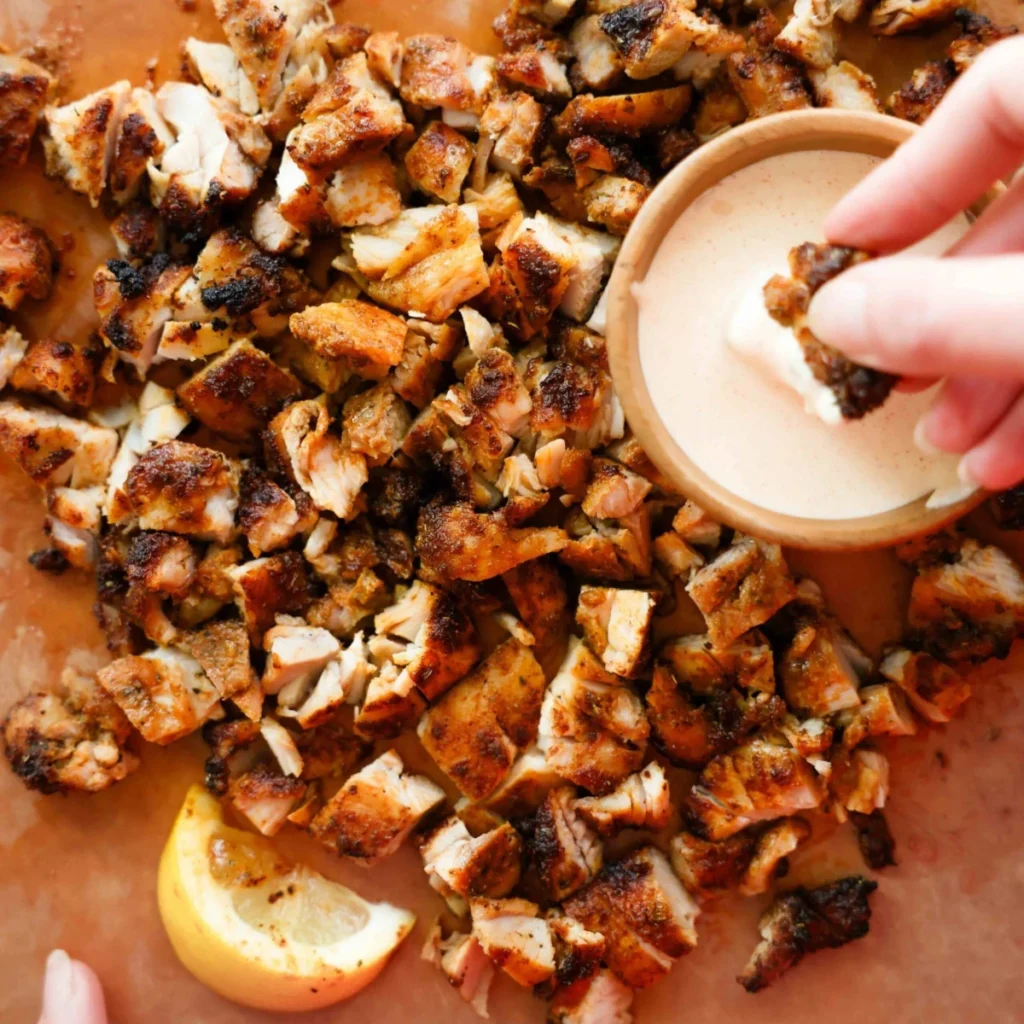
- Elevated Shareables: Recognizing the social nature of sports viewing, the brand is innovating in the "apps and snacks" category.
- Knife-and-Fork Items: Moving beyond traditional bar food to offer "polished casual" entrees that appeal to a broader demographic.
- Culinary Innovation: Led by Concept Chef Christian Stewart, the goal is to dismantle the misconception that sports bars are limited to frozen, deep-fried fare.
In tandem with the culinary refresh, Twin Peaks is investing heavily in its digital capabilities. The brand’s "Friends at the Peaks" platform serves as the cornerstone of its data-driven marketing strategy. By analyzing consumer behavior and preferences, the chain is moving toward a more personalized guest experience. This includes celebrating guest milestones, rewarding frequent visitors, and tailoring promotional offers to individual tastes rather than relying on broad, generic discounts.
Strategic Expansion and Market Penetration
Despite the financial restructuring, the pace of development for Twin Peaks has not slowed. The brand currently operates 115 units and has recently signed three new letters of intent (LOIs) for future locations. Development agreements are already in place for key regions, including Connecticut and South Texas, indicating a strategy of both entering new territories and deepening presence in existing strongholds.
The brand’s real estate strategy continues to focus on the "Lodge" aesthetic—a mountain-cabin-themed environment that provides a distinct atmosphere compared to the industrial or modern designs of competitors. This physical environment is a key part of what Fry calls the "unstreamable" experience. While consumers can now stream almost any sporting event on their mobile devices or home televisions, Twin Peaks bets on the enduring value of communal viewing and the "camaraderie" of the sports bar atmosphere.
Current franchisees are reportedly showing increased interest in expanding within their respective markets, a sign of internal confidence in the brand’s trajectory. This organic growth is often viewed by industry analysts as a healthier indicator of brand strength than growth driven solely by new, unproven partners.
Analysis of Industry Implications and the "Experience Economy"
The evolution of Twin Peaks reflects broader trends in the American casual dining sector. As the industry faces headwinds from rising labor costs and fluctuating commodity prices, brands are increasingly forced to choose between competing on price or competing on value. Twin Peaks has firmly positioned itself in the latter category.
Fry’s philosophy on value—that it is defined by an experience exceeding the price paid—aligns with the "experience economy" trend, where consumers are more willing to spend discretionary income on memorable outings than on simple commodities. By positioning itself as "elevated polished casual dining," Twin Peaks is attempting to bridge the gap between traditional sports bars and upscale casual chains.
The transition to a franchisee-led ownership model also mirrors a trend seen in other legacy brands. When operators hold the reins, there is often a greater emphasis on unit-level profitability and long-term brand health over short-term quarterly earnings reports. For Twin Peaks, this could mean a more sustainable growth path that avoids the over-leverage issues that often plague private-equity-backed restaurant groups.
Furthermore, the brand’s focus on technology and streaming integration acknowledges the changing landscape of sports media. By embracing streaming platforms within the lodges, Twin Peaks ensures it remains a destination for "all" sports, including those that are moving away from traditional cable packages.
Future Outlook: The "Blue Sky" Potential
Looking ahead, the leadership at Twin Peaks views the recent ownership transition not as a setback, but as a "turning point" that has "unlocked" the brand’s full potential. The goal is to be recognized not just as a place to watch a game, but as a leader in hospitality within the sports dining category.
With no planned staffing reductions and a clear mandate for expansion, the company is positioning itself for a period of aggressive competition. The upcoming menu launch will serve as a litmus test for the brand’s ability to attract a more diverse customer base while maintaining its core "Lodge" identity. As Melissa Fry suggests, the brand is "just getting started," with its most significant chapters likely to be written in the coming years as it expands its footprint across the United States and continues to refine its "elevated" dining proposition.
In a crowded marketplace where "breastaurants" and traditional sports bars often struggle to differentiate themselves, Twin Peaks is banking on a combination of franchisee wisdom, culinary ambition, and a relentless focus on the physical guest experience to secure its place at the top of the category. The successful navigation of its recent financial hurdles suggests that the brand has the resilience required to thrive in the volatile landscape of modern American hospitality.