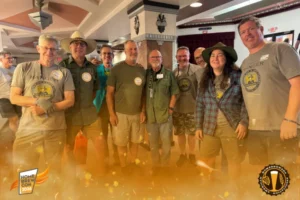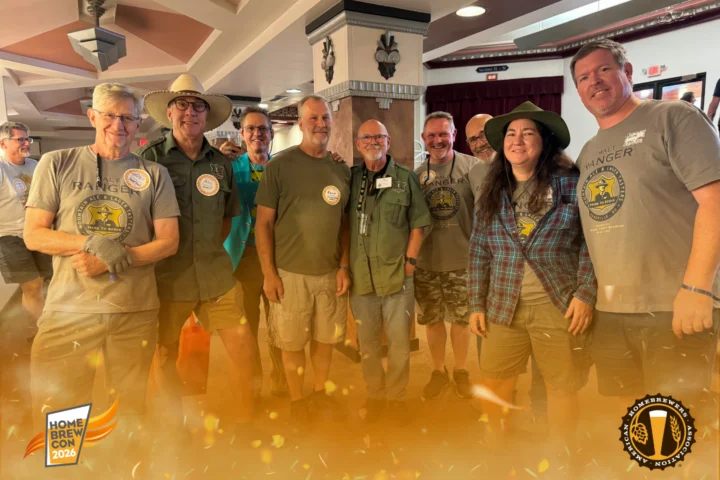

The American Homebrewers Association (AHA) marked a historic milestone on Saturday, June 20, 2026, as it convened more than 1,000 members for the 46th annual Homebrew Con in Asheville, North Carolina. This year’s conference served as a pivotal update on the organization’s inaugural year as a fully independent nonprofit entity, signaling a new era for the hobbyist community that serves as the foundation of the global craft beer industry. The event reached capacity before its conclusion, drawing a total of 1,141 attendees, including homebrewers, industry speakers, certified judges, stewards, and volunteers. This sell-out status underscores the enduring vitality of the homebrewing movement despite shifting trends in the broader beverage alcohol market.
The central theme of the gathering, "Building for the Future," highlighted the AHA’s transition from a subsidiary department to an autonomous organization. Exactly one year ago, the AHA began operating with its own dedicated board of directors, independent financial structures, and specialized committees. This structural shift was designed to provide the association with the agility needed to address the evolving needs of modern homebrewers while maintaining its core mission of education, advocacy, and community building. The Asheville conference acted as both a celebration of this independence and a roadmap for the strategic priorities that will guide the association through the remainder of the decade.
A Landmark Gathering in Asheville: Beer City USA
The selection of Asheville as the host city for the 46th Homebrew Con was a deliberate nod to the city’s deep-rooted brewing culture. Known colloquially as "Beer City USA," Asheville boasts one of the highest numbers of breweries per capita in the United States. The presence of 1,141 participants in the heart of the Blue Ridge Mountains provided a significant economic boost to the local hospitality sector and allowed attendees to engage with some of the country’s most innovative professional brewing operations, many of which were founded by former AHA members.
The conference featured a robust schedule of educational seminars, technical workshops, and social events. Attendees participated in sessions ranging from advanced microbiology in fermentation to the nuances of historical beer styles and sustainable brewing practices. The sell-out crowd reflected a diverse demographic of brewers, from seasoned veterans who have been part of the association since its founding in 1978 to a new generation of hobbyists interested in non-alcoholic brewing, gluten-free techniques, and small-batch experimentation.
The Path to Independence: A Strategic Pivot
The AHA’s transition to an independent nonprofit represents one of the most significant changes in the organization’s nearly 50-year history. Previously operating under the umbrella of the Brewers Association (BA), the AHA’s move toward independence was motivated by a desire for greater fiscal transparency and a more direct focus on the specific interests of amateur brewers. As an independent entity, the AHA now retains full control over its membership dues, sponsorship revenue, and program expenditures.
During the member update in Asheville, leadership detailed how this independence has allowed for the creation of a new vision and mission statement. The association is now guided by a board of directors comprised entirely of member leaders who bring a variety of professional backgrounds—ranging from legal and financial expertise to commercial brewing and education—to the table. This leadership structure is tasked with refining the AHA’s value proposition in an era where digital resources and social media have changed how hobbyists access information.
Chronology of the American Homebrewers Association
To understand the significance of the 2026 conference, it is essential to view the AHA’s trajectory through a historical lens. The organization has been the primary advocate for homebrewing rights in the United States since its inception.
- 1978: Charlie Papazian and Charlie Matzen found the American Homebrewers Association in Boulder, Colorado. They publish the first issue of Zymurgy magazine.
- 1979: President Jimmy Carter signs H.R. 1337, which federally legalizes homebrewing for personal or family use.
- 1980s-1990s: The AHA grows alongside the nascent craft beer movement. Many of the founders of today’s largest craft breweries, such as Sierra Nevada and Sam Adams, cite AHA resources as instrumental to their early success.
- 2005: The AHA and the Association of Brewers merge with the Small Brewers Coalition to form the Brewers Association.
- 2013: Alabama and Mississippi become the final two states to legalize homebrewing, marking the completion of a decades-long advocacy campaign led by the AHA and its members.
- 2025: The AHA officially transitions to an independent 501(c)(3) nonprofit organization to better serve the unique needs of the homebrewing community.
- 2026: The 46th Homebrew Con in Asheville serves as the first major gathering under the new independent framework.
Data and Demographics: The State of Homebrewing in 2026
While the craft beer industry at large has faced headwinds in recent years due to changing consumer preferences, the data presented at Homebrew Con suggests that the hobbyist sector remains resilient. According to internal AHA surveys and industry analysis, there are an estimated 1.1 million homebrewers in the United States who produce more than 1.4 million barrels of beer annually.
The economic impact of these hobbyists is substantial. Homebrewers contribute an estimated $700 million to the economy through the purchase of ingredients, equipment, and educational materials. The Asheville conference data revealed that the average attendee has been brewing for approximately nine years, though 15% of this year’s participants were "first-timers," indicating a steady influx of new enthusiasts.
Furthermore, the National Homebrew Competition (NHC), the world’s largest international beer competition for amateurs, saw record-breaking participation in several categories. The shift toward low-ABV (alcohol by volume) and experimental styles was evident, with a 25% increase in entries in the "Specialty Beer" and "Non-Alcoholic" categories compared to five years ago.
Official Responses and Member Leadership Perspectives
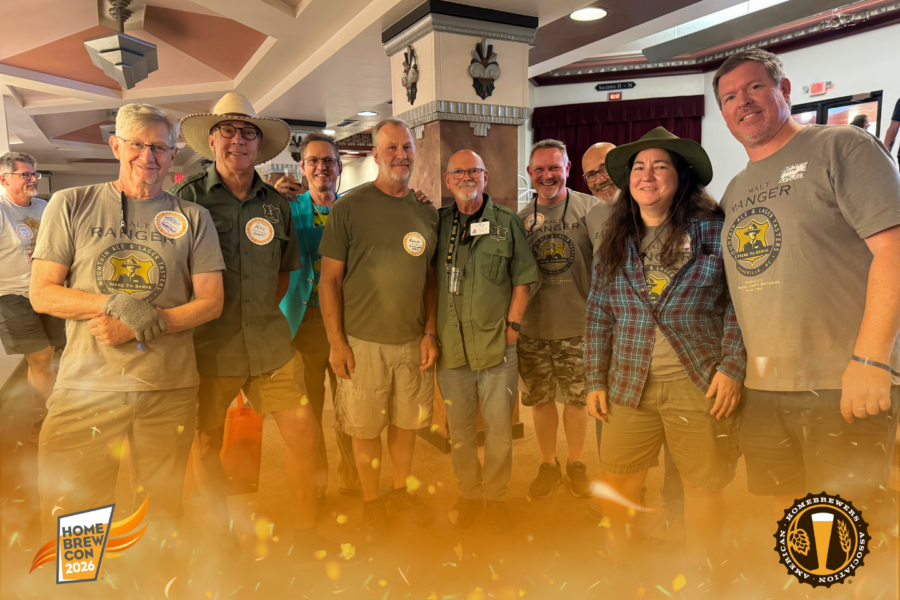
The transition to independence has been met with broad support from the association’s rank-and-file members. In statements shared during the conference, board members emphasized that the "Building for the Future" initiative is not merely a structural change but a cultural one.
"One year into our independence, we are seeing the fruits of a more focused mission," stated a spokesperson for the AHA Board of Directors. "By having our own finances and strategic priorities, we can invest directly in the resources that matter most to our members—such as enhanced digital tools, expanded legal advocacy for homebrewers’ rights at the local level, and more robust support for homebrew clubs across the country."
Volunteers and long-time members expressed a renewed sense of ownership over the organization. The conference served as a platform for member leaders to solicit feedback on the AHA’s future direction, ensuring that the association remains grassroots-oriented even as it professionalizes its operations.
Technological Integration and Future Resources
A significant portion of the Asheville update focused on the AHA’s digital transformation. In the year since becoming independent, the association has overhauled its online member portal to include a vast library of validated recipes, interactive brewing calculators, and a revamped forum for peer-to-peer troubleshooting.
The "AHA Member-Only Content" paywall mentioned in the event’s announcement is part of a broader strategy to ensure the long-term financial sustainability of the nonprofit. By offering exclusive access to high-value resources—such as seminars from world-renowned fermentation scientists and proprietary brewing software—the AHA aims to provide a clear return on investment for its membership base.
Looking ahead, the association plans to launch a mobile application designed to assist brewers in real-time during their "brew days," integrating sensor data and fermentation tracking. This focus on technology is intended to appeal to younger, tech-savvy hobbyists who view homebrewing as a blend of culinary art and data science.
Broad Implications for the Global Craft Beer Movement
The independence of the AHA and the success of the 46th Homebrew Con have implications that extend far beyond the basement brewery. Historically, the homebrewing community has been the R&D laboratory for the commercial craft beer industry. Many of the most popular styles today—including Hazy IPAs, Pastry Stouts, and American Sours—were perfected by homebrewers long before they reached commercial taps.
By strengthening the AHA as an independent entity, the brewing community ensures that this pipeline of innovation remains open. Furthermore, the association’s focus on diversity and inclusion initiatives aims to broaden the demographic of homebrewers, which in turn helps the professional industry reach new audiences.
The Asheville conference also highlighted the role of homebrewers in sustainability. Seminars on water conservation, spent-grain upcycling, and energy-efficient brewing systems provided members with the tools to reduce their environmental footprint. As professional breweries face increasing pressure to adopt green practices, the homebrewing community continues to serve as a testing ground for sustainable solutions.
Conclusion: A Resilient Community
As the 46th Homebrew Con concluded, the message was clear: homebrewing is not a static hobby but a dynamic and evolving community. The sell-out crowd in Asheville proved that the desire for hands-on creation and communal learning remains strong in the digital age.
The American Homebrewers Association enters its second year of independence with a clear mandate from its members to innovate while honoring the traditions that began in 1978. With a new leadership structure, a stable financial foundation, and a renewed focus on the future, the AHA is well-positioned to guide the next generation of brewers. As the association looks toward its 50th anniversary in 2028, the success of the Asheville gathering serves as a testament to the enduring spirit of the homebrewing movement—a movement that continues to prove that the best beer in the world is often the one made at home.