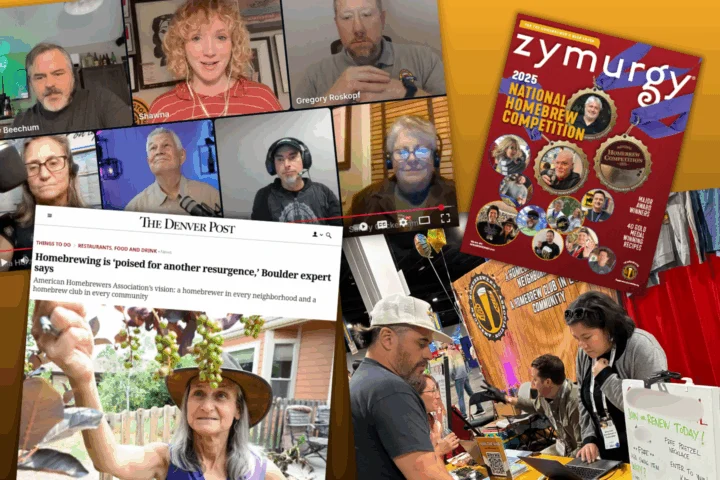

The American Homebrewers Association (AHA) has officially entered a new era of operational independence, marking 2025 as a foundational year in its transition to a standalone nonprofit organization. This strategic pivot follows decades of operating under the umbrella of the Brewers Association (BA), the trade group representing small and independent American craft brewers. By establishing itself as a distinct 501(c)(6) entity, the AHA aims to sharpen its focus exclusively on the needs of the hobbyist community, fostering a localized culture of fermentation while navigating the shifting landscape of the global craft beverage industry.
The transition to independence has been characterized by a comprehensive restructuring of the association’s administrative, financial, and strategic frameworks. According to recent updates from the AHA Founding Board, the organization has spent the better part of 2025 building the necessary infrastructure to support its membership without the direct oversight of its former parent organization. This includes the establishment of independent legal and financial systems, the development of a new long-term strategic plan, and a renewed commitment to its core mission: to promote the community of homebrewers and to empower them through education, advocacy, and competition.
Historical Context and the Path to Independence
The American Homebrewers Association was founded in 1978 by Charlie Papazian in Boulder, Colorado. At the time, homebrewing was still technically illegal under federal law, a vestige of the Prohibition era. Papazian’s efforts, along with the founding of the AHA and Zymurgy magazine, were instrumental in the passage of H.R. 1337, signed by President Jimmy Carter, which legalized homebrewing at the federal level in 1978.
For much of its history, the AHA shared resources and leadership with the Brewers Association. This partnership was mutually beneficial for decades, as the surge in homebrewing popularity directly fueled the growth of the commercial craft beer industry. Many of the nation’s most successful craft brewery founders, including those from Sierra Nevada Brewing Co. and Dogfish Head Craft Brewery, began as homebrewers and AHA members. However, as the commercial craft beer market matured and faced new economic headwinds in the 2020s, the priorities of commercial brewers and hobbyist brewers began to diverge.
The decision to move toward independence was announced in 2024, driven by a need for the AHA to be more agile and responsive to the specific challenges facing the homebrewing hobby, such as the closure of local homebrew supply shops (LHBS) and changing demographics within the brewing community. By becoming an independent nonprofit, the AHA can now direct 100% of its resources and membership dues toward initiatives that benefit the hobbyist, rather than balancing those needs against the legislative and marketing requirements of commercial breweries.
Strategic Vision for 2025 and Beyond
The centerpiece of the AHA’s new era is a strategic plan that emphasizes grassroots growth and community density. The organization’s stated vision is to see "a homebrewer in every neighborhood and a homebrew club in every community." This goal reflects a shift away from high-level industry metrics toward a more localized, social approach to brewing.
To achieve this, the AHA has identified several key pillars for growth:
- Community Support: Strengthening the network of over 1,500 registered homebrew clubs.
- Advocacy: Continuing to fight for the rights of homebrewers to transport and share their creations at public events and competitions.
- Education: Maintaining the high standards of Zymurgy magazine and expanding digital resources for brewers of all skill levels.
- Innovation: Investing in new technologies to improve the member experience and streamline competition management.
The Founding Board has reported that the first half of 2025 was focused on "A Clear Vision for Growth," which involved finalizing the legal separation from the Brewers Association and securing the assets necessary for long-term sustainability. This included the transfer of the National Homebrew Competition (NHC), the world’s largest international beer competition, to the AHA’s exclusive management.
Key Accomplishments in the 2025 Fiscal Year
Since the initial board update in April 2025, the AHA has reached several significant milestones. The association has successfully migrated its financial operations to an independent platform, ensuring that member dues are reinvested directly into homebrewing programs. Furthermore, the AHA has maintained its editorial independence, continuing the publication of Zymurgy magazine, which remains the definitive resource for homebrewing science and recipes.
In the realm of advocacy, the AHA has been active in monitoring state-level legislation that affects the hobby. While homebrewing is legal in all 50 states, the nuances of "statutory limits" on production and the legality of pouring homebrew at festivals vary significantly by jurisdiction. The AHA’s independence allows it to act as a more focused lobbying arm for these specific issues, separate from the commercial interests of the BA.
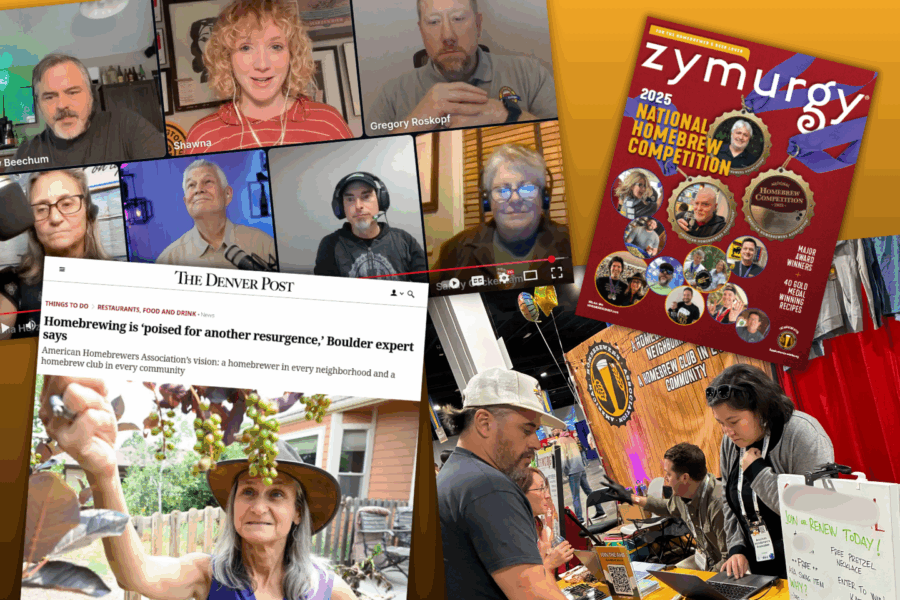
The 2025 National Homebrew Competition also served as a proof-of-concept for the independent association. The event saw thousands of entries across dozens of categories, judged by certified experts through the Beer Judge Certification Program (BJCP). The success of this event underscored the association’s ability to manage large-scale logistics and maintain the integrity of the world’s premier homebrewing award system without external administrative support.
Technological Upgrades and Member Benefits
Looking forward to 2026, the AHA has announced a series of investments aimed at modernizing the member experience. A primary focus is the upgrade of member service systems. The association acknowledges that the transition period has required patience from its members as legacy systems were decoupled from the Brewers Association’s infrastructure.
The planned upgrades include a more robust digital portal for accessing Zymurgy archives, a streamlined process for finding and joining local clubs, and enhanced "AHA Member Deals" at participating retailers and breweries. The association is also exploring new ways to integrate mobile technology into the brewing process, potentially offering members-only tools for recipe formulation and fermentation tracking.
On November 5, 2025, the AHA will host a special "Zymurgy Live" session. Unlike previous sessions, which were restricted to paying members, this event will be open to the general public. The session is intended to serve as a "town hall" where the Founding Board will discuss the future of the association and the broader homebrewing movement. This move toward transparency is seen by analysts as a critical step in rebuilding the association’s membership base, which, like many hobbyist organizations, saw fluctuations during the post-pandemic period.
Analysis of Implications for the Homebrewing Ecosystem
The independence of the AHA has broader implications for the homebrewing supply chain. Local Homebrew Supply Shops (LHBS) have faced significant pressure from e-commerce giants and a general decline in hobbyist spending. By focusing on the "neighborhood homebrewer," the AHA is indirectly supporting these small businesses, which often serve as the hubs for local clubs.
From a journalistic perspective, the AHA’s move reflects a broader trend in the non-profit sector where specialized organizations are opting for "lean" independence over "large" conglomerate structures. This allows for greater mission clarity. For the AHA, this means they can prioritize the "fun" and "educational" aspects of the hobby without being burdened by the heavy regulatory and economic advocacy required by the commercial brewing sector, which currently faces challenges regarding aluminum tariffs, distribution laws, and competition from spirits.
However, independence also brings risks. The AHA must now bear the full cost of its operations, from insurance and staffing to IT and marketing. The success of this new model will depend heavily on member retention and the association’s ability to attract a younger, more diverse generation of brewers. The focus on "every neighborhood" suggests that the AHA recognizes the need to move beyond its traditional demographic and embrace a more inclusive definition of home fermentation, including cider, mead, and non-alcoholic brewing.
Future Outlook and 2026 Projections
As the association prepares for 2026, the focus will shift from "setting the foundation" to "driving growth." The AHA has signaled that it will be rolling out new recruitment initiatives aimed at college-aged brewers and professionals in the science and technology sectors who may be attracted to the technical aspects of brewing.
The 2026 calendar is expected to feature a revitalized series of regional events, designed to bring the "Homebrew Con" experience to a more localized level. This addresses a common feedback point from members who found the national convention increasingly expensive to attend. By decentralizing its event structure, the AHA hopes to increase engagement and lower the barrier to entry for new members.
The AHA Founding Board concluded its latest update by emphasizing that the association "exists for you—and because of you." This sentiment highlights the democratic nature of the new nonprofit structure. As the AHA moves forward, its ability to remain "member-led" while maintaining professional standards in its competitions and publications will be the ultimate measure of its success as an independent entity.
In conclusion, the American Homebrewers Association’s transition in 2025 represents one of the most significant shifts in the history of the hobby. By reclaiming its independence, the association is betting on the strength of its community and the enduring appeal of the "neighborhood homebrewer." While challenges remain in a changing beverage landscape, the infrastructure laid down this year provides a clear path for the association to lead the charge for the next generation of fermentation enthusiasts.