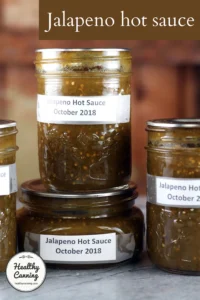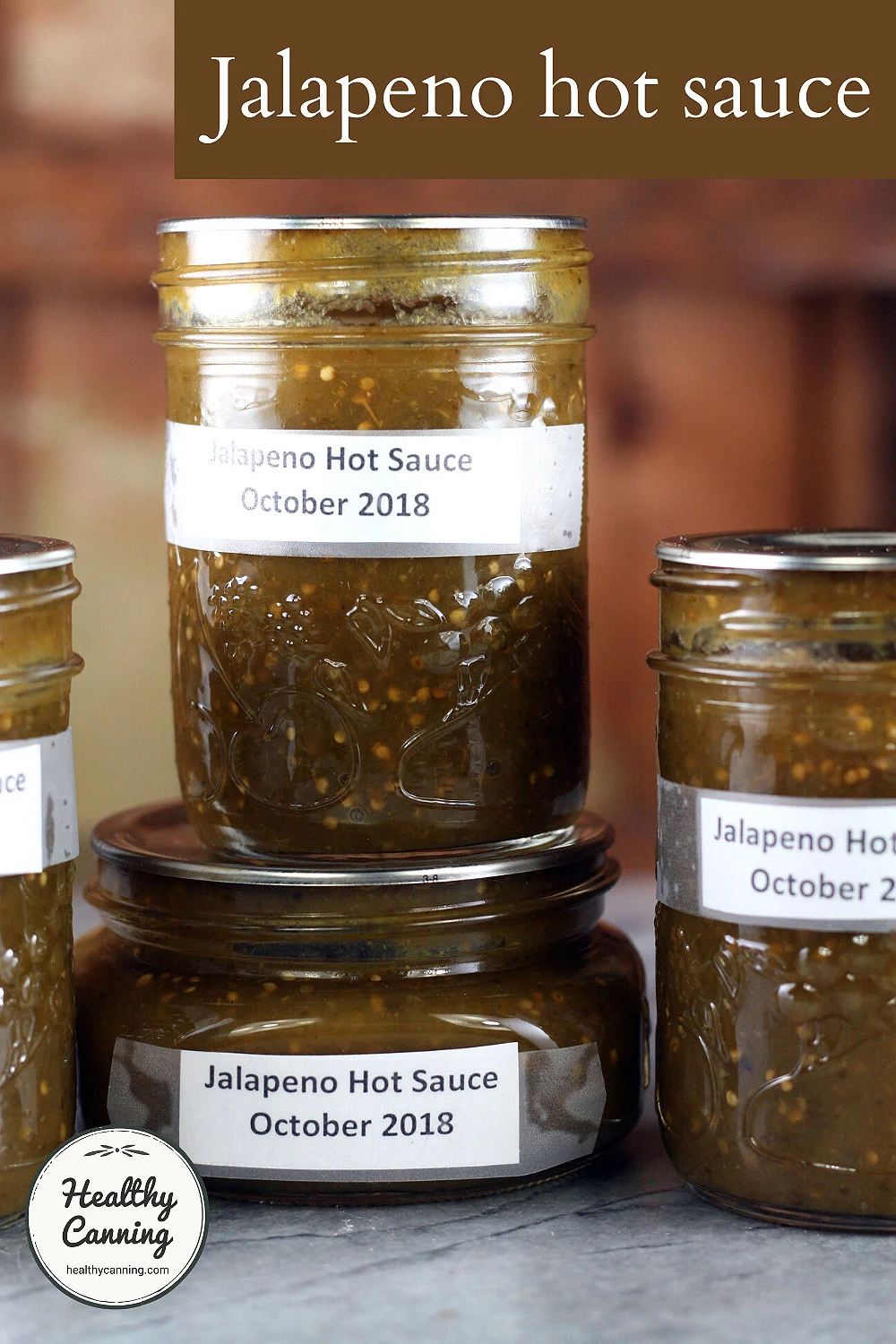

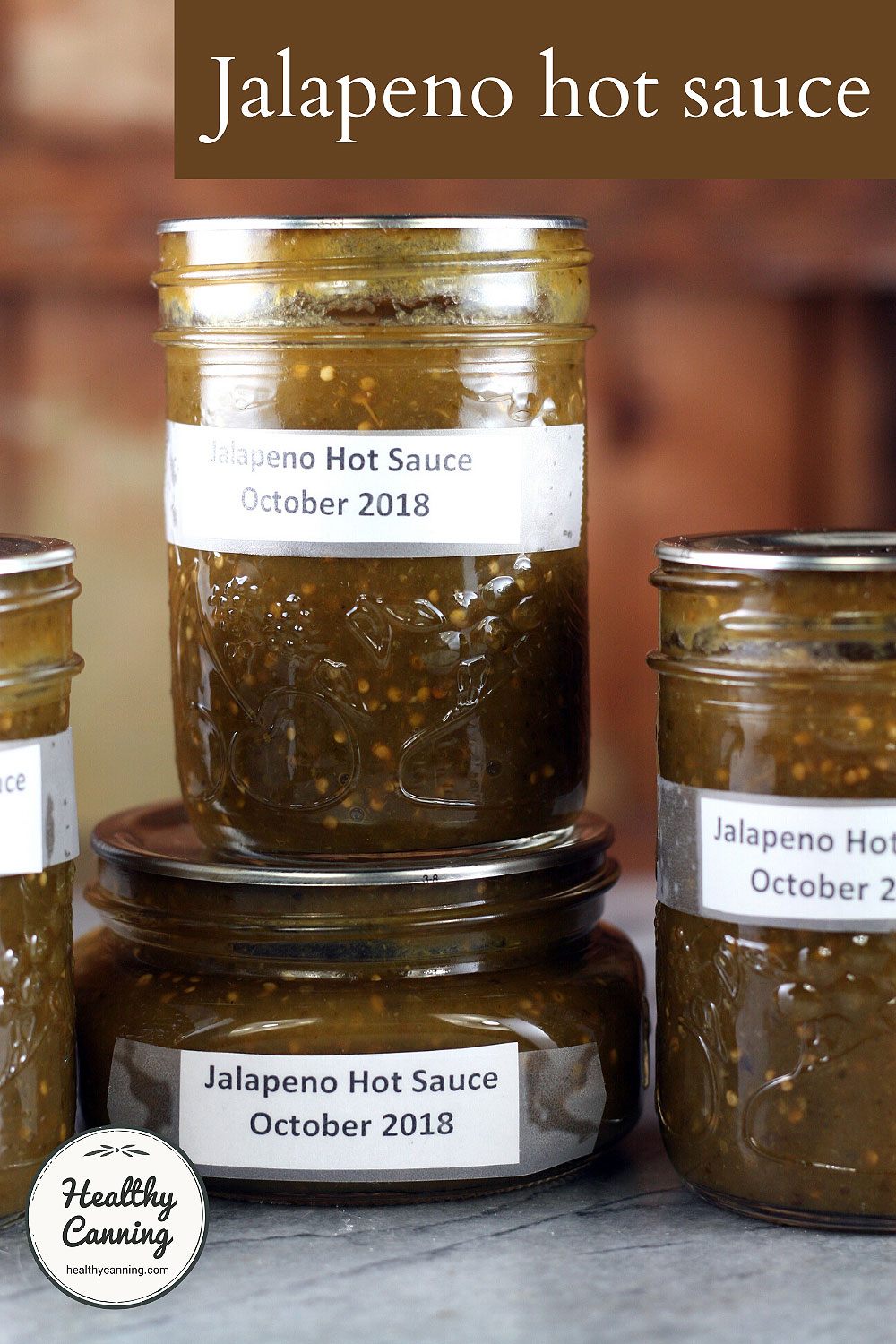
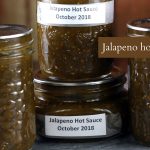
The Evolution of Home Preservation and the Culinary Science of Jalapeño Hot Sauce Production has reached a new milestone as modern food scientists and home preservationists adapt traditional federal guidelines to meet contemporary flavor profiles. In the realm of domestic food security and artisanal condiment creation, the transition from standard tomato-based sauces to more complex, pepper-forward compositions represents a significant shift in the landscape of home canning. This movement is grounded in the rigorous safety standards established by the United States Department of Agriculture (USDA), specifically utilizing the foundational "Cayenne Pepper Sauce" recipe as a blueprint for safe, shelf-stable innovation. By substituting traditional tomatoes with tomatillos and swapping various peppers for green jalapeños, practitioners have developed a thick, spoonable condiment that balances high-intensity heat with the acidic brightness required for long-term storage.
The Regulatory Framework of Home Canning
The practice of home canning in North America is governed by a century of scientific research, much of it spearheaded by the USDA and the National Center for Home Food Preservation (NCHFP). These organizations provide the essential "tested recipes" that ensure home-canned goods are free from Clostridium botulinum, the bacterium responsible for botulism. The jalapeño hot sauce currently gaining popularity among preservationists is a direct modification of the USDA’s Cayenne Pepper Sauce recipe.
The safety of this modification rests on the principles of acidity and pH levels. In the world of canning, tomatillos and tomatoes are considered interchangeable in specific contexts because they share similar acidity profiles, provided they are supplemented with a standardized acidifier like 5% acidity vinegar. This scientific bridge allows for the creation of a "green" version of the classic red sauce without compromising the thermal death time required to kill spoilage organisms during the processing stage.
Chronology of the Preservation Process
The production of a batch of jalapeño hot sauce is a labor-intensive process that requires a total commitment of approximately four hours. This timeline is divided into three distinct phases: preparation, cooking, and thermal processing.

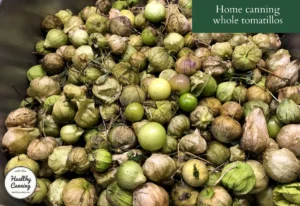
The preparation phase, which typically lasts one hour, involves the meticulous cleaning and dicing of the produce. For this specific green variant, tomatillos must be husked and washed to remove their natural sticky residue, while jalapeños are prepared according to the desired heat level—leaving seeds in for maximum capsaicin impact or removing them for a milder profile.
The cooking phase is the most time-consuming, requiring approximately three hours of simmering. This extended duration is not merely for flavor development; it serves to reduce the moisture content of the vegetables, resulting in the "thick, spoonable" consistency that differentiates this sauce from thinner, vinegar-based commercial alternatives. During this stage, the ingredients meld into a concentrated base, ensuring that the final product possesses a robust texture.
The final phase is the processing stage. This involves placing the hot sauce into sterilized jars and subjecting them to either a boiling water bath or a steam canner for 10 minutes. This critical step exhausts the air from the jars, creating a vacuum seal that prevents re-contamination during storage.
Scientific Validation of Ingredient Substitutions
A primary concern in home food preservation is whether a deviation from a published recipe remains "safe." According to the NCHFP, certain substitutions are considered safe as long as they do not lower the acidity of the mixture or change the density in a way that slows heat penetration.
In the case of the jalapeño-tomatillo swap, the modification is actually considered an enhancement of safety. Tomatillos generally possess a lower pH (higher acidity) than many modern low-acid tomato varieties. Furthermore, the substitution of jalapeños for cayenne peppers maintains the pepper-to-acid ratio required for safety. Experts emphasize that while the color and flavor profile change significantly—moving from a bright red, thin sauce to a deep green, thick condiment—the thermal requirements for sterilization remain identical.
Supporting Data: The Scoville Scale and Nutritional Density
The jalapeño hot sauce serves as a potent example of high-flavor, low-calorie nutrition. Based on laboratory analysis, a single tablespoon of this sauce contains approximately 8 calories, 1.6 grams of carbohydrates, and negligible fat. The sodium content remains remarkably low at 2 mg per serving, provided no additional salts are introduced beyond the recipe requirements.
From a heat perspective, the transition from cayenne to jalapeño alters the Scoville Heat Unit (SHU) rating of the sauce. While cayenne peppers typically range from 30,000 to 50,000 SHU, jalapeños are milder, ranging from 2,500 to 8,000 SHU. However, because this recipe utilizes a high volume of peppers and a long reduction time, the NCHFP classifies the resulting product as a "very hot sauce." This classification is a result of the concentration of capsaicin during the three-hour simmering process, which intensifies the perceived heat on the palate.
Official Advisories and Expert Responses
The National Center for Home Food Preservation rarely adds subjective commentary to its technical manuals, but the intensity of this specific pepper sauce recipe has prompted a rare official warning. The agency notes that the sauce is "very hot" and suggests it be used sparingly as a condiment rather than a primary ingredient.
Master Food Preservers, the volunteer corps trained by university extension programs across the United States, often field questions regarding the yield of this recipe. Producing five half-litre (US pint) jars per batch, the recipe is designed for high-volume harvest management. Experts suggest that novice canners "do the math on paper" before attempting to halve the recipe, as maintaining the exact ratio of vinegar to solids is the only way to guarantee the safety of the finished product.
Furthermore, international considerations have entered the dialogue. In regions like Australia and New Zealand, where commercial vinegar strengths often vary from the 5% standard used in North American recipes, preservationists are cautioned to verify their acetic acid percentages. Using a 4% vinegar in a recipe designed for 5% could result in a product that is not acidic enough to prevent the growth of dangerous bacteria.
The Growth of the Global Condiment Market
The rise in popularity of home-canned hot sauces like the jalapeño-tomatillo variant is reflected in broader economic trends. The global hot sauce market was valued at approximately $2.89 billion in 2022 and is projected to reach over $5 billion by 2030. This growth is driven by a consumer "craving for heat" and a shift toward artisanal, transparently sourced food products.
Home canning allows consumers to bypass the preservatives and high sodium levels found in many commercial "hot sauces." By controlling the ingredients—opting for organic tomatillos or locally grown jalapeños—individuals are participating in a micro-level disruption of the industrial food complex. This trend is particularly prevalent among younger demographics who view food preservation as both a hobby and a survival skill.
Broader Impact and Implications for Food Security
Beyond the culinary appeal, the ability to safely modify and preserve high-acid foods has significant implications for regional food security. In years of "jalapeño gluts," where backyard gardens produce more than can be consumed fresh, the USDA-based hot sauce recipe provides a mechanism to prevent food waste.
The transition to steam canning has also modernized the practice. Steam canners use significantly less water and energy than traditional water-bath canners, reaching processing temperatures faster and reducing the overall carbon footprint of home food production. This alignment with sustainable living practices ensures that the tradition of canning remains relevant in a 21st-century context.
Ultimately, the jalapeño hot sauce recipe represents a successful marriage of rigid scientific standards and creative culinary expression. It demonstrates that while the "rules" of canning are inflexible regarding safety, they offer a wide canvas for flavor innovation. As more households embrace the "spoonable" heat of green hot sauce, the legacy of the USDA’s research continues to protect and nourish the public, one jar at a time.