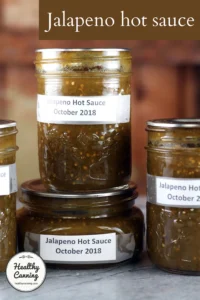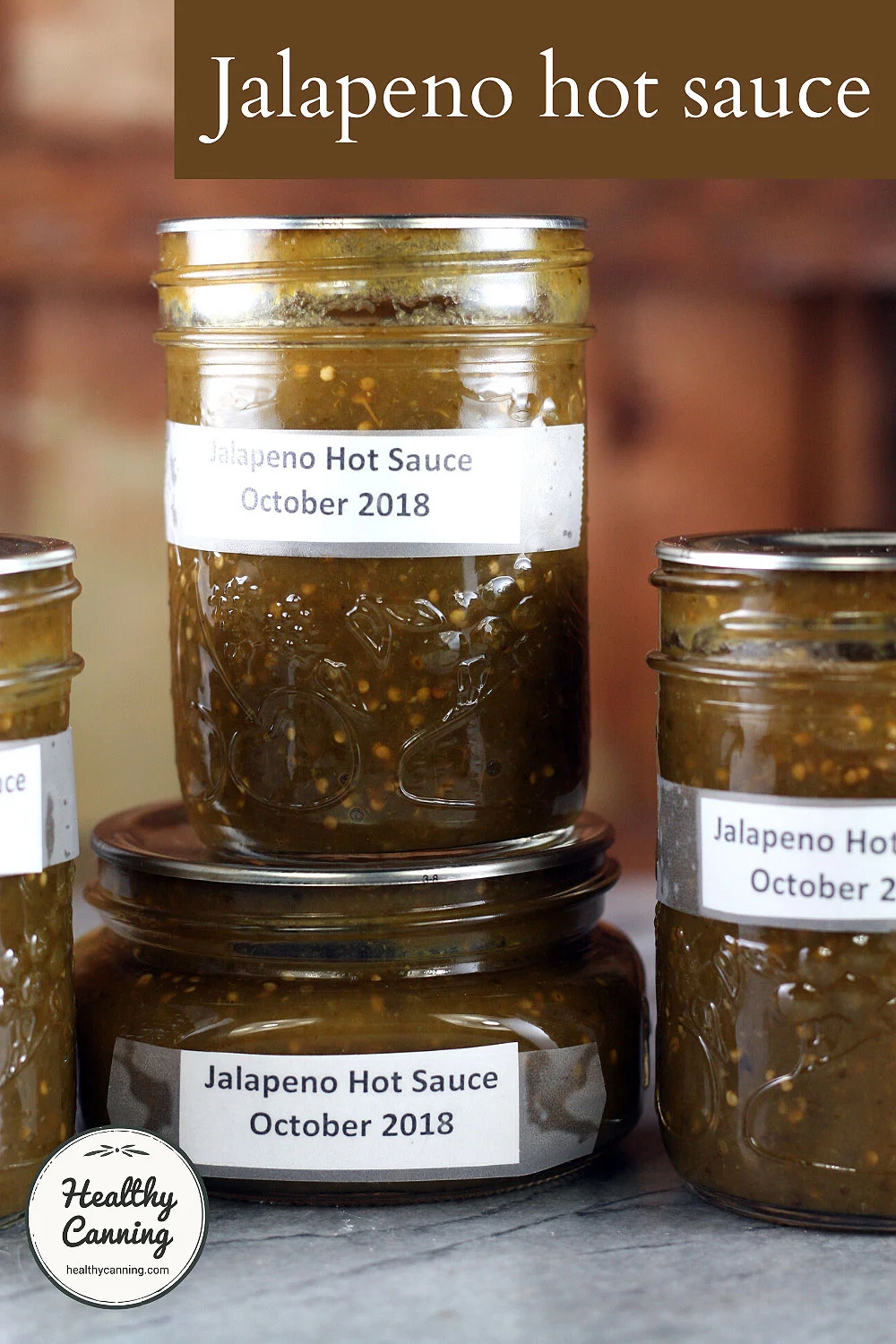

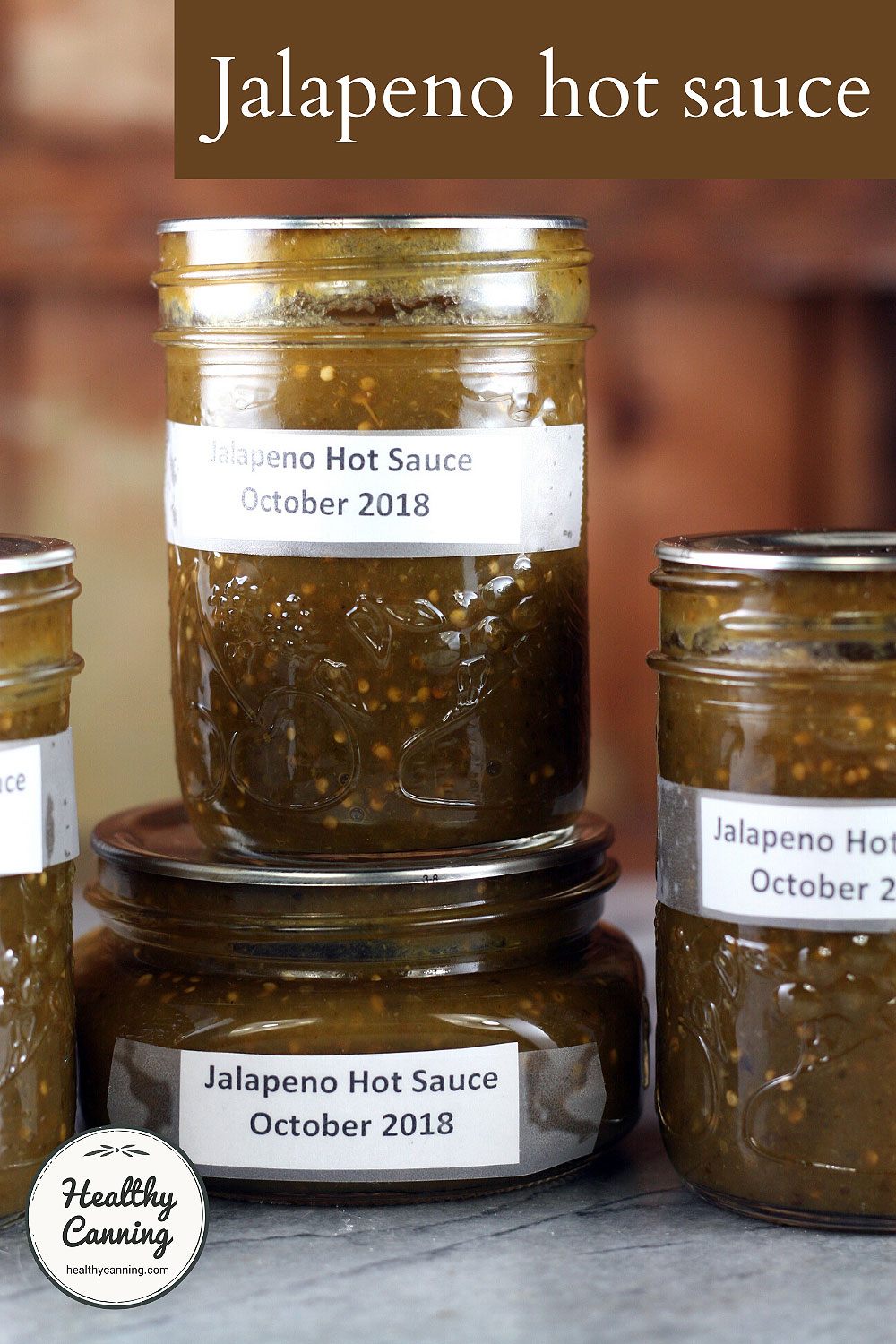
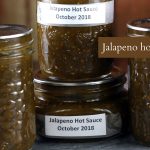
The art of home food preservation has long relied on standardized, safety-tested recipes to allow home cooks to safely store seasonal produce. Among the most popular adjustments to classic USDA preservation blueprints is a vibrant, green-hued hot sauce combining canned tomatillos and fresh jalapeño peppers. Developed as an alternative to traditional red pepper condiments, this thick, spoonable hot sauce provides home gardeners and culinary enthusiasts with a reliable way to utilize late-summer harvests while adhering strictly to established government food safety guidelines.
Adapting the USDA Cayenne Pepper Sauce Framework
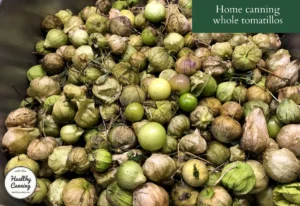
The foundational recipe for this green hot sauce originates directly from the United States Department of Agriculture’s official guidelines for standard Cayenne Pepper Sauce, which traditionally yields a bright red condiment. By implementing safe, scientifically validated ingredient substitutions—specifically swapping standard tomatoes for tomatillos and substituting traditional red peppers with green jalapeños—home preservationists can achieve a distinctly different flavor profile and color without compromising the crucial acidity levels required to prevent foodborne pathogens such as Clostridium botulinum.
Food safety experts emphasize that home canning safety hinges upon maintaining precise pH levels throughout the processing period. Tomatillos and green jalapeños possess natural chemical characteristics that align safely with the acidity parameters established in the original USDA cayenne recipe. Consequently, this adaptation maintains the rigorous safety margins necessary for safe shelf-stable storage, provided that the foundational proportions and vinegar strengths are strictly observed.
Comprehensive Preparation and Processing Timeline

Crafting a batch of home-canned green jalapeño hot sauce requires a dedicated commitment of time and precision in the kitchen. The entire process, from initial preparation to the final cooling of the jars, spans approximately four hours.
Preparation and Cooking Chronology:
- Preparation Phase: Home cooks should allocate approximately one full hour for washing, stemming, chopping, and measuring the raw ingredients, as well as sterilizing canning equipment and jars.
- Cooking Phase: The mixture requires roughly three hours of simmering to properly blend the flavors, break down the structural integrity of the tomatillos and peppers, and achieve the desired thick, spoonable consistency.
- Canning and Processing Phase: Once blended and funneled into jars, the condiment is processed via either a traditional boiling-water bath or an approved atmospheric steam canner.
- Processing Duration: Jars of varying sizes—including 125 ml (4 oz), quarter-litre (8 oz), or half-litre (16 oz) containers—require a standardized processing time of 10 minutes at a rolling boil, subject to altitude adjustments for elevation above sea level.
- Total Yield: The standard recipe produces a generous quantity, yielding approximately five half-litre (US pint) jars, though cooks frequently choose to halve the recipe by carefully recalculating ingredient proportions prior to beginning.
Nutritional Profile and Dietary Considerations
Despite its fiery flavor profile, the resulting hot sauce is remarkably light in calories and macronutrients, making it an appealing condiment for individuals monitoring their dietary intake. Laboratory and nutritional database estimations indicate that a single one-gram serving or standard tablespoon contains minimal caloric and nutritional weight.
Nutritional breakdown per serving:
- Calories: 8 kcal
- Carbohydrates: 1.6 grams
- Protein: 0.3 grams
- Total Fat: 0.1 grams
- Sodium: 2 milligrams
- Dietary Fiber: 0.3 grams
- Sugars: 0.8 grams
Because the recipe relies primarily on vinegar, tomatillos, peppers, and spices without the addition of heavy oils or excessive sugars, it easily integrates into low-calorie, low-fat meal planning. However, commercial weight-management tracking systems, such as proprietary point algorithms, must be calculated independently by users, as official endorsements from commercial diet programs do not apply to independent adaptations of government recipes.
Official Warnings Regarding Heat Intensity and Culinary Applications
The National Center for Home Food Preservation (NCHFP), which rarely adds commentary or subjective notes to standardized USDA or So Easy to Preserve publications, makes an explicit exception for this specific pepper sauce family. Recognizing that home cooks frequently underestimate the potency of concentrated jalapeño and cayenne bases, food safety authorities have issued advisory notes regarding the extreme heat level of the final product.
Food safety specialists and culinary instructors advise that this condiment should be treated as a potent flavor enhancer rather than a standard pouring sauce. Recommended culinary applications include mixing small quantities into marinades, stirring droplets into soups and stews to elevate baseline warmth, incorporating the paste into Mexican and Southwestern salsa bases, or using it as a concentrated accent for grilled meats and roasted vegetables. Handling large volumes of raw jalapeños during the preparation phase also necessitates caution, with experts strongly recommending the use of kitchen gloves to prevent capsaicin burns on skin and sensitive areas.
Technical Adjustments and International Guidelines
For home canners operating outside of North America, particularly in regions like Australia and New Zealand, special attention must be paid to local vinegar standards. While standard American recipes assume a baseline 5% acetic acid content in commercial white vinegar, imported or regionally produced vinegars may vary. Ensuring that the vinegar utilized meets or exceeds the 5% acidity threshold is a non-negotiable requirement for maintaining the safety of acidified canned goods.
Furthermore, elevation plays a critical role in home canning physics. Water boils at lower temperatures as altitude increases, which reduces the thermal lethality of a standard ten-minute water bath. Canners residing at elevations above 1,000 feet (300 meters) must consult official altitude adjustment charts to add the necessary minutes to their processing time, ensuring absolute product safety against potential microbial survival.
Broader Implications for Home Food Preservation and Gardening
The popularity of jalapeño-tomatillo hot sauce recipes underscores a broader contemporary trend in home economics: the desire to merge traditional garden yields with modern, safety-conscious preservation techniques. As urban and suburban gardening continues to experience steady participation, home growers frequently find themselves with a surplus of late-season solanaceous crops, including tomatillos and peppers that mature simultaneously in the autumn months.
By relying on scientifically tested framework recipes from agencies like the USDA rather than unverified internet blogs, home preservers can innovate safely within established chemical boundaries. This approach protects public health while encouraging culinary creativity, ensuring that home-canned condiments remain both flavorful and completely safe for long-term pantry storage.