
The modern culinary landscape is awash with conflicting information regarding dietary fats, none more polarizing than the debate surrounding vegetable and seed oils. From trending social media discussions on platforms like TikTok to prominent positions on bestseller lists, these ubiquitous cooking ingredients, often interchangeably referred to as "seed oils," have become a focal point of intense scrutiny. This resurgence of debate is not entirely new; the merits and demerits of vegetable oils have been a subject of contention since their widespread introduction into the marketplace. However, in recent years, fueled by the rising popularity of dietary approaches such as the carnivore diet, the criticism against vegetable oils has escalated dramatically. Online communities frequently label these oils with pejorative terms like "toxic sludge," "motor oil," or "the hateful eight," some even asserting them to be "the biggest cause of chronic disease that nobody knows about."
The core argument put forth by critics typically follows a historical and evolutionary narrative. Proponents of this view emphasize that animal fats have been a staple of the human diet for millennia, implying a natural compatibility with human physiology. In stark contrast, they contend that vegetable fats are a relatively recent invention, emerging only in the last century as a byproduct of profit-driven industrialization, designed to utilize cheap-to-grow agricultural commodities and market them to an unsuspecting public. A frequently cited parallel is the historical marketing of margarine as a healthier alternative to butter, only for it to be later linked to adverse health outcomes due to its trans fat content. Critics argue that vegetable oils, despite being positioned as healthier, are in fact worse than butter, contributing to a range of modern ailments including obesity, anxiety, depression, ulcerative colitis, and various chronic diseases. Conversely, a significant body of scientific and nutritional experts maintains that vegetable oils are largely harmless, and some varieties may even be health-promoting, often advocating them as superior alternatives to traditional animal fats like butter. The divergence in these perspectives leaves consumers grappling with a fundamental question: who is correct?
As with many complex topics in nutrition science, the reality is far more nuanced than can be distilled into a simple meme or a soundbite. The truth resides in a careful examination of scientific evidence, historical context, and the intricacies of food processing. This article aims to disentangle the robust scientific findings from speculative claims, empowering readers to make informed dietary choices regarding the oils they incorporate into their meals.
Understanding Vegetable and Seed Oils: Definition and Common Varieties
The terms "vegetable oil" and "seed oil" are often used interchangeably, referring to oils primarily extracted from the seeds of plants. These include a wide array of products commonly found in grocery aisles. Among the most prevalent are:
- Canola oil (from rapeseed)
- Soybean oil
- Corn oil
- Sunflower oil
- Safflower oil
- Cottonseed oil
- Grapeseed oil
- Rice bran oil
It is important to differentiate these "seed oils" from oils derived from the fruit of plants, which possess distinct compositional and processing characteristics. Examples of such non-seed plant oils include olive oil, avocado oil, palm oil, and coconut oil. These fruit-derived oils are typically richer in monounsaturated or saturated fats and often require less intensive processing than their seed-based counterparts due to the higher natural fat content in their source material.
The Industrial Process: From Seed to Shelf
The method by which an oil is extracted and processed profoundly influences its final composition and nutritional profile. Naturally fatty foods, such as olives or avocados, yield oil relatively easily through mechanical means. For instance, high-quality extra virgin olive oil can be produced by simply grinding and pressing olives, a process that preserves many of the fruit’s beneficial compounds.
In contrast, most vegetable oils are derived from seeds that have a comparatively low fat content. A cup of green olives, for example, contains approximately 20 grams of fat, whereas a cup of corn yields only about 2 grams. To efficiently extract this meager fat content from non-oily seeds, manufacturers employ an extensive, multi-step industrial process. This process typically includes:
- Cleaning and Dehulling: Seeds are cleaned and their outer hulls are removed.
- Crushing and Flaking: The cleaned seeds are crushed and rolled into flakes to break down cell walls and increase the surface area for oil extraction.
- Heating (Conditioning): The flakes are often heated to a specific temperature, which helps to rupture oil cells and improve the efficiency of oil extraction.
- Solvent Extraction: This is a critical step for maximizing yield. A chemical solvent, most commonly hexane, is used to "wash" the oil out of the flakes. This method is highly efficient but necessitates subsequent removal of the solvent.
- Desolventizing: The crude oil-solvent mixture is heated to evaporate the solvent, which is then recovered and reused.
- Refining: The extracted crude oil contains impurities such as phospholipids, free fatty acids, gums, and waxes. Refining removes these through various steps, often involving alkali treatment, to improve the oil’s stability, shelf life, and appearance.
- Bleaching: The oil is treated with bleaching agents (e.g., activated clays) to remove undesirable pigments and give it a clearer, lighter color.
- Deodorizing: This final step removes volatile compounds responsible for strong flavors and odors, resulting in a neutral-tasting, odorless oil that is more versatile for cooking and food manufacturing. This process involves high-temperature steam distillation under vacuum.
During this rigorous processing, many health-promoting phytochemicals, such as polyphenols and other natural antioxidants present in the original seed, are significantly diminished or lost entirely. Furthermore, the high temperatures and chemical treatments involved can lead to the formation of small amounts of trans fatty acids (also known as partially hydrogenated fats) and oxidized lipids. It is worth noting that a similar increase in trans fat content can occur when cooking oils are subjected to prolonged high heat, such as in commercial deep fryers. While calling these processed oils "toxic" might be an overstatement, the scientific consensus is clear: trans fats should be minimized in the diet. This led to a significant public health intervention in 2018 when the U.S. Food and Drug Administration (FDA) banned manufacturers from intentionally adding partially hydrogenated oils (the primary source of artificial trans fats) to processed foods, underscoring the known health risks associated with these compounds.
The Scientific Crossroads: Omega Fatty Acids and Inflammation

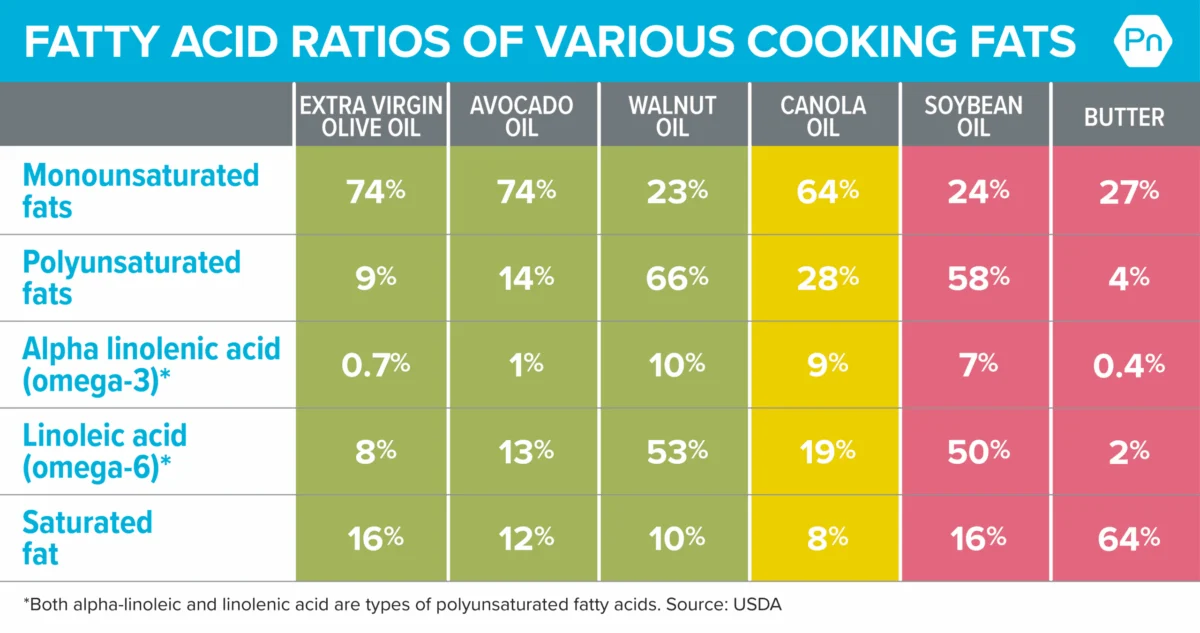
A central point of contention in the vegetable oil debate revolves around omega-6 fatty acids, which are abundant in many common seed oils. The typical Western diet features a disproportionately high ratio of omega-6 to omega-3 fatty acids, often ranging from 16:1 to 20:1, far exceeding the evolutionary ratio estimated to be closer to 1:1 or 4:1. Some nutritional experts theorize that this imbalance contributes to a pro-inflammatory state in the body, potentially increasing the risk for chronic conditions such as diabetes, obesity, and cardiovascular disease. This hypothesis posits that while both omega-3 and omega-6 fatty acids are essential and play crucial roles in immune function, an excessive intake of omega-6s, particularly linoleic acid, can shift the body’s inflammatory response towards pro-inflammatory pathways.
However, the scientific community holds a more nuanced view on the "omega-6 causes inflammation" argument. While the theoretical mechanisms for inflammation exist, the direct clinical evidence linking a high omega-6 intake (especially from whole food sources) to chronic inflammatory diseases is mixed and often inconclusive. Many studies indicate that when omega-6 fats are consumed within the context of whole foods, such as nuts and seeds, they are associated with a range of health benefits, including reductions in blood cholesterol and markers of inflammation. For instance, a 2019 article from Harvard Health explicitly stated, "No need to avoid healthy omega-6 fats." Further supporting this, a 2019 study published in the American Heart Association journal Circulation suggested that, if anything, the consumption of omega-6 fats was associated with a reduced risk for stroke, heart disease, and premature death.
The critical distinction, often overlooked in popular discussions, lies in the food matrix. Nuts and seeds, while rich in omega-6 fats, also come bundled with a complex array of health-protective components: fiber, polyphenols, protein, vitamins, and minerals. These synergistic compounds may mitigate any potential pro-inflammatory effects of omega-6s and contribute to overall health. In contrast, highly refined vegetable oils are essentially isolated fatty acids, stripped of the vast majority of these beneficial compounds. This isolation, coupled with the processing methods, makes them more susceptible to oxidation, which is a known contributor to cellular damage and inflammation. Therefore, while the ratio of omega-6 to omega-3 remains an area of ongoing research, the source and processing of these fats appear to be far more significant determinants of their health impact.
Examining the Evidence: Head-to-Head Nutritional Showdowns
To provide clarity on which oils to prioritize, a comparative analysis of common cooking fats is essential, considering both their nutritional profiles and the body of scientific evidence supporting their use.
Extra Virgin Olive Oil: A Pillar of Health
Extra virgin olive oil (EVOO) stands out as a consistently recommended dietary fat. It is the least refined of olive oils, produced solely by mechanical pressing of olives without the use of heat or chemical solvents. This gentle process preserves the oil’s rich content of heart-healthy monounsaturated fatty acids (MUFAs) and a high concentration of polyphenols – powerful plant-based antioxidants that combat inflammation and protect cells from oxidative damage.
The robust scientific evidence supporting EVOO’s health benefits is extensive. Numerous studies link its consumption to a reduced risk of various chronic diseases. For example, a study involving over 22,000 adults in Southern Italy found that those consuming more than two tablespoons of olive oil daily had a 20% lower mortality rate over a 13-year period compared to those consuming less than one tablespoon. Further research consistently associates olive oil intake with:
- Reduced risk of cardiovascular disease and stroke
- Lower incidence of certain cancers
- Improved blood pressure regulation
- Reduced risk of type 2 diabetes
- Enhanced cognitive function and protection against neurodegenerative diseases
- Significant reductions in LDL ("bad") cholesterol, particularly when replacing saturated fats.
Historically, culinary advice often cautioned against cooking with EVOO due to its relatively low smoke point (350-410°F), fearing it would break down and lose its beneficial properties. However, modern research has largely debunked this concern. EVOO’s high concentration of MUFAs and its abundant polyphenols actually make it remarkably stable under heat. A study that heated various cooking oils to 464°F (240°C) and then maintained them at 356°F (180°C) for several hours demonstrated that EVOO maintained its stability better than any other oil tested, including canola oil. This makes EVOO a suitable choice not just for dressings but also for sautéing and roasting.
Canola Oil: A Case for Careful Selection
Canola oil, a product of rapeseed specifically bred in Canada for low erucic acid content (hence "Canola" from "Canadian Oil, Low Acid"), is one of the most affordable cooking oils available. Among vegetable oils, it is notable for its high content of monounsaturated fats and a significant amount of alpha-linolenic acid (ALA), a plant-based omega-3 fatty acid. Canola oil also contains phytosterols, plant compounds known to help lower blood cholesterol levels, especially when used as a replacement for saturated fats.
However, the health implications of canola oil depend heavily on its processing. Expeller-pressed canola oil, produced by mechanically squeezing oil from rapeseed without the use of chemical solvents or high heat, retains more of its beneficial compounds like ALA and phytosterols. In contrast, conventionally refined canola oil undergoes the multi-step industrial process described earlier, which can diminish its protective alpha-linolenic acid content and introduce small amounts of trans fatty acids. This results in a product with a proportionally lower omega-3 and higher omega-6 fatty acid content, making it less ideal than its expeller-pressed counterpart.
While expeller-pressed canola oil represents a healthier option within the vegetable oil category, the overall body of research supporting its health-promoting qualities is less extensive and conclusive than that for EVOO. Nonetheless, its favorable fatty acid profile and affordability make it a reasonable budget-friendly choice. Its neutral flavor also makes it a popular option for baking where EVOO’s distinct taste might be undesirable. When consumed in moderation and preferably in its expeller-pressed form, canola oil can be a part of a healthy diet, likely contributing neutral to slightly beneficial effects.
Butter and Saturated Fats: A Re-evaluation
The debate between refined vegetable oils and butter is arguably the most contentious. Proponents of butter argue that saturated fats have been unfairly demonized, pointing to the disastrous public health advice of the 1980s and 1990s that encouraged replacing butter with trans-fat-laden margarine. They often suggest that the evidence against saturated fats is weak or misinterpreted.
However, mainstream nutritional science generally advises moderation of saturated fat intake. Excessive consumption of saturated fat (typically defined as exceeding 10% of total daily calories) has been consistently linked to elevated LDL cholesterol levels, a known risk factor for heart disease. Research indicates that replacing even 5% of dietary saturated fats with monounsaturated fats can reduce heart disease risk by 15%, and replacing it with polyunsaturated fats can lower the risk by 10%.
It is also important to recognize that not all saturated fats affect blood cholesterol equally. In some dairy products, a protective milk fat globule membrane (MFGM) surrounds saturated fats, which appears to limit their cholesterol-raising effects. Butter, however, is relatively low in this protective membrane, and consequently, tends to raise blood cholesterol more than other high-fat dairy products like full-fat milk, cream, or cheese. The U.S. Dietary Guidelines recommend limiting saturated fat intake to less than 10% of daily calories. A single tablespoon of butter contains approximately 7 grams of saturated fat, accounting for nearly a third of the recommended daily limit in a 2000-calorie diet. While butter does not need to be entirely eliminated, its consumption should be moderated.
When comparing butter to refined vegetable oils, a "winner" is difficult to declare, as both have distinct drawbacks that warrant limited intake. Refined vegetable oils, due to their polyunsaturated fat content and extensive processing, are more prone to oxidation and stripped of protective compounds, potentially contributing to inflammation and the formation of undesirable trans fats. Butter, while less processed and free of industrial trans fats, is high in saturated fat which, in excess, can negatively impact cholesterol levels. Ultimately, neither refined vegetable oils nor butter are considered "health-promoting" in the same vein as extra virgin olive oil or avocado oil, and both are best consumed in moderation as part of a balanced diet.
The Elephant in the Room: Ultra-Processed Foods
While much of the debate focuses on individual cooking oils, the broader context of dietary intake is paramount. For the vast majority of the population, the primary source of refined vegetable oils is not home-cooked meals but rather ultra-processed foods (UPFs). These industrially formulated products undergo extensive processing and often contain numerous ingredients, including refined vegetable oils, added sugars, high levels of sodium, and artificial flavors, colors, and preservatives.
The repeated heat exposure and extensive processing involved in creating UPFs can further oxidize the refined oils they contain. Beyond the oils themselves, UPFs are typically devoid of beneficial nutrients like fiber, vitamins, minerals, and phytonutrients. They are also engineered to be hyper-palatable, calorie-dense, and difficult to stop eating, contributing significantly to overconsumption and weight gain. Common examples include store-bought cookies, chips, crackers, frozen dinners, sugary cereals, and many packaged sauces and dressings.
A large review involving nearly 10 million individuals found a strong association between the consumption of ultra-processed foods and a higher risk of premature death. Moreover, numerous studies link high UPF intake to a litany of health problems, including:

- Obesity and metabolic syndrome
- Hypertension (high blood pressure)
- Type 2 diabetes
- Cardiovascular diseases
- Certain cancers
- Depression and anxiety
- Irritable bowel syndrome (IBS)
- Frailty in older adults
The implication is clear: reducing intake of ultra-processed foods inherently reduces exposure to highly refined vegetable oils, along with a host of other potentially harmful ingredients. Public health organizations universally advocate for a diet rich in whole and minimally processed foods. Limiting UPF consumption to around 20% of total intake, with the remaining 80% derived from whole foods, can naturally lower refined vegetable oil intake to safer levels. Furthermore, consuming refined vegetable oils in the context of a diet abundant in colorful plants, fiber, phytochemicals, and antioxidants may help to mitigate concerns about oxidation. For instance, using a reasonable amount of commercial salad dressing on a large, nutrient-rich salad is a vastly different scenario than consuming highly processed snack foods.
Navigating the Dietary Landscape: Expert Consensus and Practical Advice
Based on the preponderance of scientific evidence, a clear hierarchy of dietary fats emerges. For those prioritizing health and able to afford it, extra virgin olive oil remains an excellent choice, backed by extensive research demonstrating its cardiovascular, anti-inflammatory, and antioxidant benefits. Cold-pressed avocado oil and walnut oil are also highly recommended. Avocado oil, like EVOO, is rich in MUFAs and antioxidants, making it suitable for cooking. Walnut oil, primarily composed of polyunsaturated fats, is best used in dressings or as a finishing oil due to its lower heat stability.
For budget-conscious consumers, expeller-pressed canola oil, high-oleic sunflower oil, and high-oleic safflower oil are solid runner-up options. These varieties are richer in monounsaturated fats than their standard counterparts and have been associated with cardiovascular benefits when used to replace saturated fats.
Regardless of specific oil choices, overarching dietary principles are crucial for optimal health:
-
Prioritize Minimally-Processed Whole Foods: Focus on obtaining fats from whole and minimally processed sources such as nuts, seeds, avocados, olives, and fatty fish like salmon. These foods not only provide healthy monounsaturated (MUFAs) and omega-3 fats but also come packaged with a wide array of other beneficial nutrients, including fiber, protein, minerals, and antioxidants. Ultra-processed foods, conversely, are typically nutrient-poor, calorie-dense, and designed to be highly palatable, often leading to overconsumption. Consumers can identify highly processed foods by looking for long ingredient lists, artificial additives, and numerous ingredients that are unrecognizable or unpronounceable.
-
Limit Deep-Fried Foods: Regardless of the type of fat used, deep-fried foods should be categorized in the "eat less" category. The high temperatures and repeated heating involved in deep-frying can lead to the formation of harmful compounds, including trans fats and oxidized lipids, making them detrimental to health.
-
Obtain Most Fats from Food, Not Isolated Oils: While certain oils like EVOO are beneficial, the majority of dietary fat intake should come from whole food sources. Whole food fats are richer in fiber, phytochemicals, vitamins, and minerals, and are generally less calorie-dense than isolated oils. While incorporating 1 to 3 servings of healthy oils or butter per day can be a reasonable part of a balanced diet, excessive consumption of any isolated fat, even healthy ones, is not advised.
Conclusion: A Holistic Approach to Fats
The debate over vegetable and seed oils, though often framed in stark black-and-white terms, ultimately underscores the complexity of nutritional science. The scientific consensus, supported by decades of research and endorsed by leading public health organizations, emphasizes a holistic approach to diet. While some refined vegetable oils, particularly those high in omega-6 fatty acids, may present concerns when consumed in large quantities, especially within the context of ultra-processed foods, they are not inherently "toxic." Similarly, animal fats like butter, while providing certain nutrients, should be consumed in moderation due to their saturated fat content.
The most impactful dietary strategy involves prioritizing whole, unprocessed foods, focusing on diverse plant-based options, and choosing minimally processed fats like extra virgin olive oil and avocado oil. By understanding the nuances of oil processing, fatty acid profiles, and the broader context of dietary patterns, individuals can move beyond the sensationalism of social media and make informed choices that genuinely support long-term health and well-being.