
Preserving garden-fresh produce has long been a staple of sustainable living and culinary preparation, with home canners continuously seeking reliable, scientifically backed procedures to safely store seasonal bounties. Among the diverse array of vegetables and fruits adapted for home preservation, the tomatillo—a fundamental ingredient in Mexican and Southwestern cuisine—presents unique characteristics. Based on official United States Department of Agriculture (USDA) procedures outlined in the Complete Guide to Home Canning, home cooks can successfully preserve whole, plain tomatillos for year-round use. Unlike traditional tomatoes, which require peeling during standard preservation protocols, tomatillos undergo a distinct preparation process that retains their outer integrity while ensuring safety and longevity in the pantry.
Understanding the Tomatillo: Background and Chemical Profile
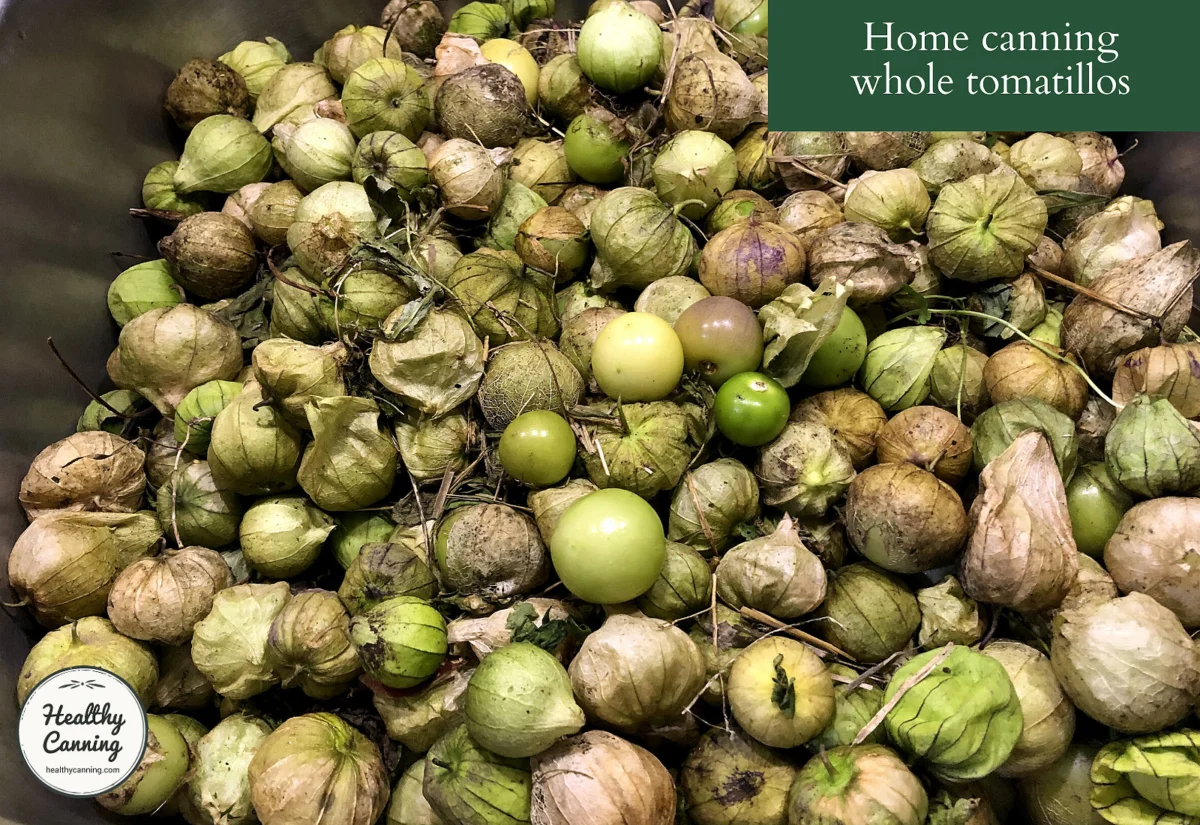
Native to Mexico and belonging to the nightshade family, the tomatillo (Physalis philadelphica) is easily recognized by its distinctive papery husk, which envelops the firm, green or purple fruit beneath. Botanically distinct from standard tomatoes, tomatillos offer a tart, citrusy flavor profile that makes them indispensable for salsas, sauces, and stews.
From a food safety standpoint, tomatillos possess a natural advantage in home preservation due to their inherent acidity. According to the USDA Center for Food Safety and Applied Nutrition’s tables on the approximate pH of foods and food products, tomatillos exhibit an average pH value of approximately 3.83. This places them even further down the acidic spectrum than green tomatoes, creating an inhospitable environment for many harmful pathogens.

However, despite their natural acidity, food safety authorities mandate the inclusion of specific acidifiers—such as bottled lemon or lime juice—during the canning process. This requirement acts as an essential margin of safety to account for natural variations in fruit acidity levels, ensuring that the final preserved product remains safe from pathogens such as Clostridium botulinum.
Yield Estimates and Fresh Produce Requirements
For home cooks planning a canning session, calculating the correct quantity of fresh ingredients is a crucial first step. While agricultural yields inherently fluctuate based on growing conditions, soil quality, and fruit size, standard culinary guidelines offer a reliable baseline.
On average, canners can anticipate needing approximately 1 kilogram of fresh tomatillos for every 1-litre jar, or roughly 2 pounds of fresh fruit for each US quart jar. When selecting tomatillos at the market or harvesting them from the garden, look for firm, bright green fruits that completely fill their husks. Avoid specimens that feel soft, discolored, or sticky with a heavy residue beneath the husk, as these indicate overripeneness or bruising.
Step-by-Step Preparation and Canning Parameters
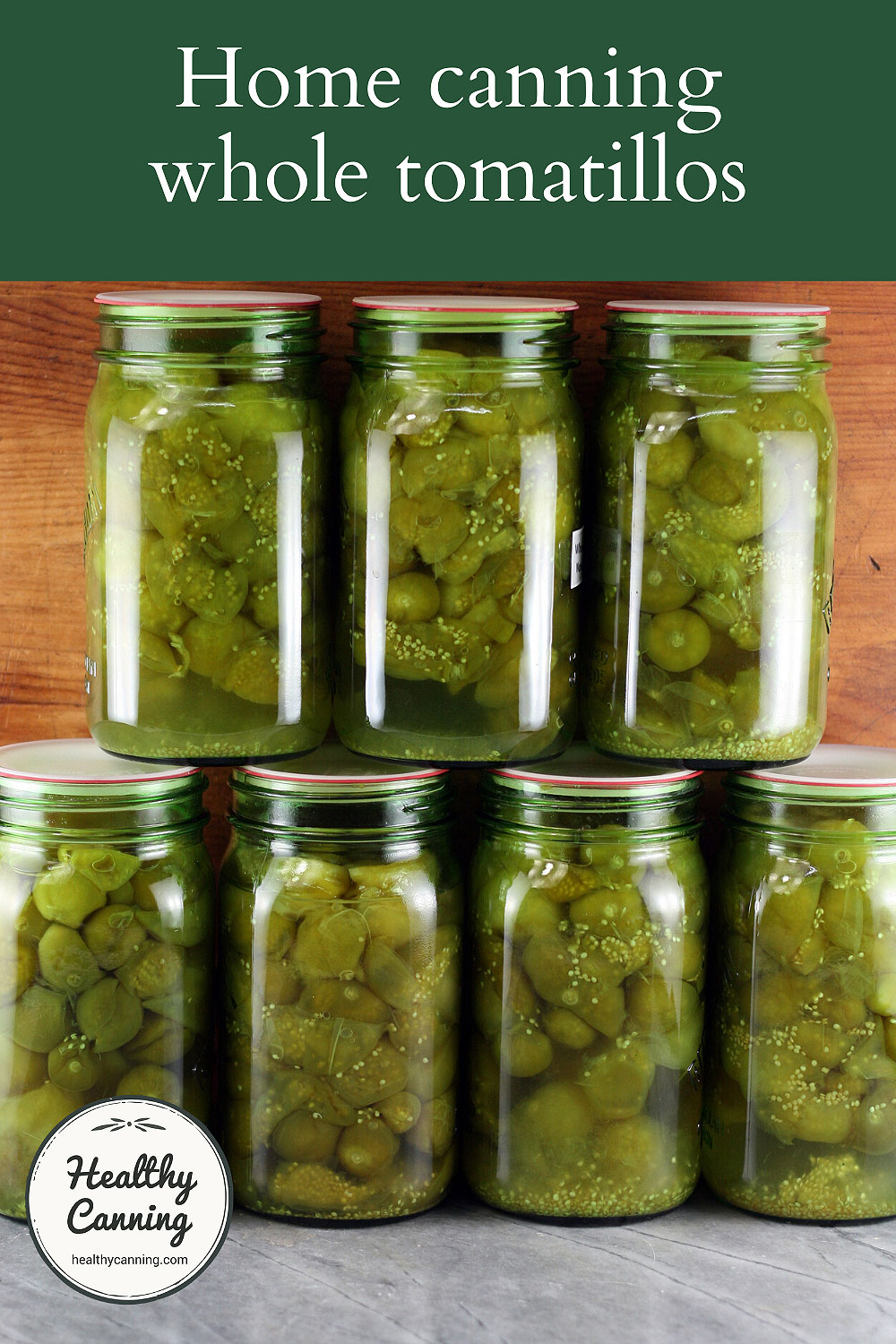
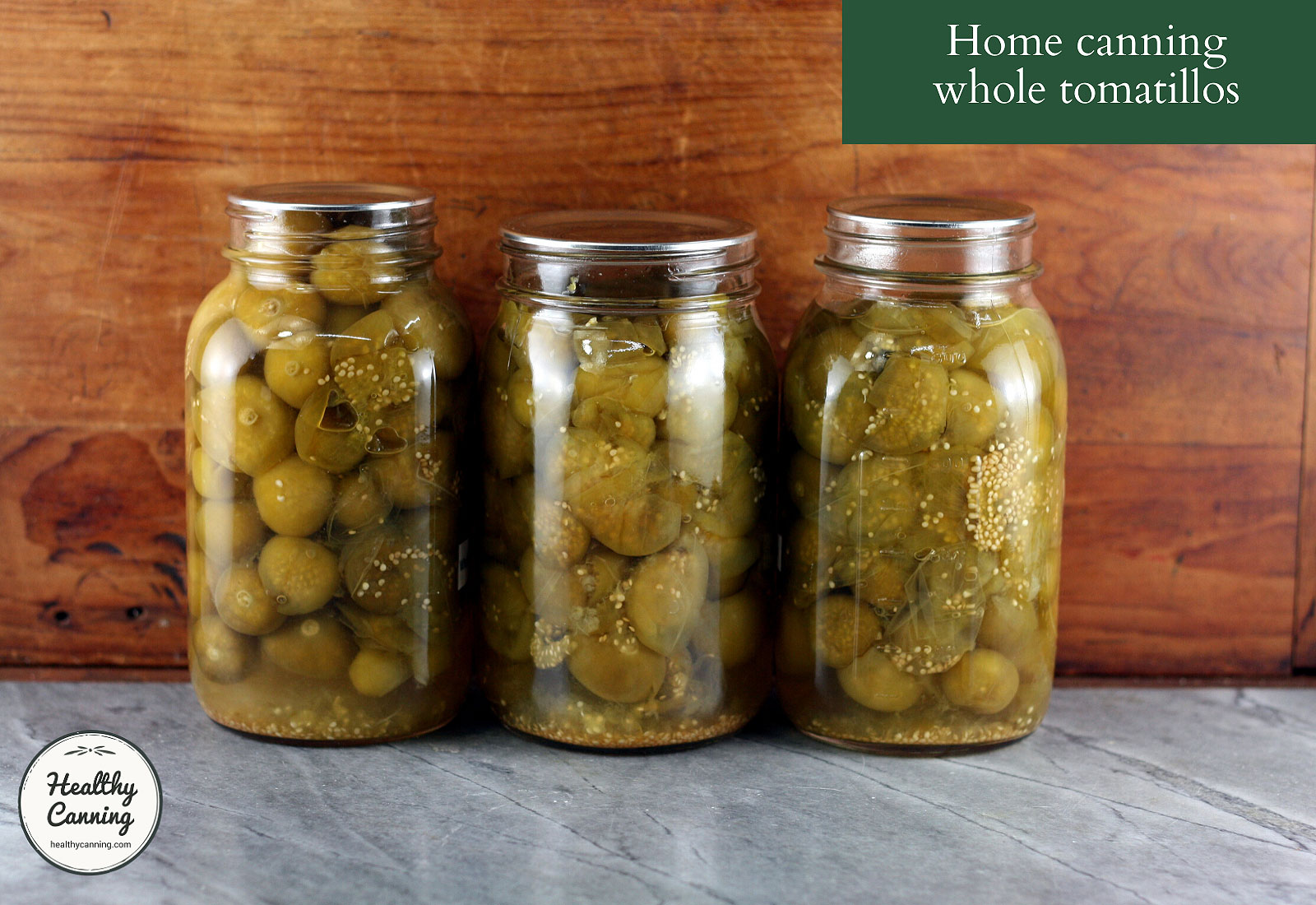
The USDA-approved procedure accommodates both half-litre (1 US pint) and 1-litre (1 US quart) glass canning jars. Proper headspace—defined as the unoccupied space between the top of the food and the underside of the jar lid—must be maintained at precisely 2 centimeters (half an inch) to ensure a proper vacuum seal during processing.
Canners have three primary processing methods at their disposal: water-bath canning, steam canning, and pressure canning.
Water-Bath and Steam Canning Protocols
For traditional water-bath processing, jars filled with prepared tomatillos and the mandatory acidifier are submerged in boiling water for specified durations based on jar size and altitude. Half-litre (pint) jars require a processing time of 40 minutes, while 1-litre (quart) jars require 45 minutes.
Steam canning serves as a viable, energy-efficient alternative that utilizes the same processing times as water-bath canning. However, food safety specialists note an important operational limitation: steam canners cannot be used if the required processing time at a given altitude exceeds 45 minutes. This restriction prevents smaller consumer steam-canning units from boiling completely dry during extended processing cycles.
Regardless of whether a water bath or steam canner is chosen, operators residing at elevated geographic locations must implement altitude adjustments. Because atmospheric pressure decreases as altitude increases, water boils at lower temperatures, necessitating adjustments to either processing time or pressure levels to ensure adequate heat penetration.

Pressure Canning Specifications and Safety Protocols
The USDA also provides an approved pressure-canning schedule designed primarily to reduce total processing time rather than replace the chemical safety requirements of acidification. Even when utilizing a pressure canner, the addition of bottled lemon or lime juice remains strictly mandatory.
When utilizing weighted-gauge pressure canners, processing parameters vary depending on the operating pressure and the altitude of the processing facility:
-
For operations conducted between 0 and 300 meters (0 to 1,000 feet) above sea level:
- Jars processed at 5 pounds of pressure require 15 minutes.
- Jars processed at 10 pounds of pressure require 10 minutes.
- Jars processed at 15 pounds of pressure require 1 minute.
-
For operations conducted above 300 meters (1,000 feet):
- Jars processed at 10 pounds of pressure require 15 minutes.
- Jars processed at 15 pounds of pressure require 10 minutes.
- Processing at 15 pounds of pressure is explicitly not recommended for operations exceeding this altitude threshold due to safety margins.
Canners utilizing dial-gauge pressure canners must consult specific regional extension tables provided by organizations such as the National Center for Home Food Preservation to verify accurate pressure readings for their specific equipment.
Additives, Seasonings, and Customization
When executing the recipe, culinary preferences guide certain non-essential additions while safety mandates dictate others.
Acidification: The addition of measured acid—such as lemon juice or lime juice—is non-negotiable. While lime juice offers a traditional flavor pairing that complements the inherent tartness of tomatillos, it imparts a distinct citrus profile that may heavily influence subsequent dishes. Canners unsure of this flavor profile may opt for standard bottled lemon juice, which provides the necessary acidity with a more neutral background taste.
Sodium Options: Salt is included purely as a seasoning agent and contributes nothing to the microbiological safety of the canned product. Consequently, canners may omit salt entirely to maintain maximum culinary flexibility when utilizing the preserved tomatillos later. For those desiring a salted flavor profile without the sodium content, non-bitter, non-clouding salt substitutes—such as Herbamare Sodium-Free—have been shown in testing to perform well without compromising the clarity or integrity of the liquid in the jar.
Culinary Applications and Integration into Recipes
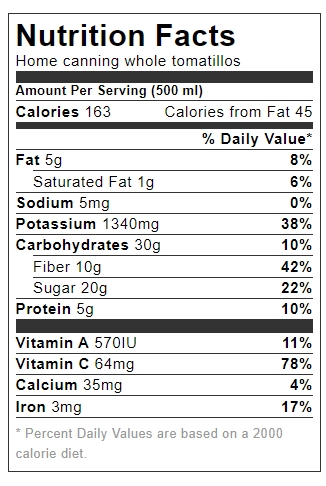
Canned plain tomatillos offer immense versatility in the kitchen, though their texture and state must be considered during meal preparation. Because the thermal processing required for canning inherently cooks the fruit, home cooks should pivot away from fresh preparations and toward cooked applications.
Renowned food writers and culinary authorities highlight the seamless transition of canned tomatillos into everyday cooking. In observations published by the New York Times, culinary expert Martha Rose Shulman noted that an 11-ounce can of tomatillos can directly substitute for 1 pound of fresh fruit in traditional recipes. Because commercial or home-canned varieties have already been simmered and softened during the preserving process, cooks can bypass the initial simmering or broiling steps typically required when starting with raw produce.
Similarly, the culinary classic The Joy of Cooking emphasizes that canned tomatillos make exceptional condiments when served alongside grilled meats, poultry, seafood, and shellfish. Furthermore, they serve as an ideal base for spicy condiments, hot sauces, and blended green salsas, providing an immediate depth of flavor without the preparatory labor of husking, washing, and pre-cooking fresh harvests.
Nutritional Profile of Preserved Tomatillos
Beyond their culinary utility, tomatillos contribute a nutrient-dense profile to home-cooked meals. Laboratory analyses and USDA nutritional data indicate that a standard half-litre (US pint) serving of plain home-canned tomatillos—prepared without added sodium—contains approximately 163 calories.
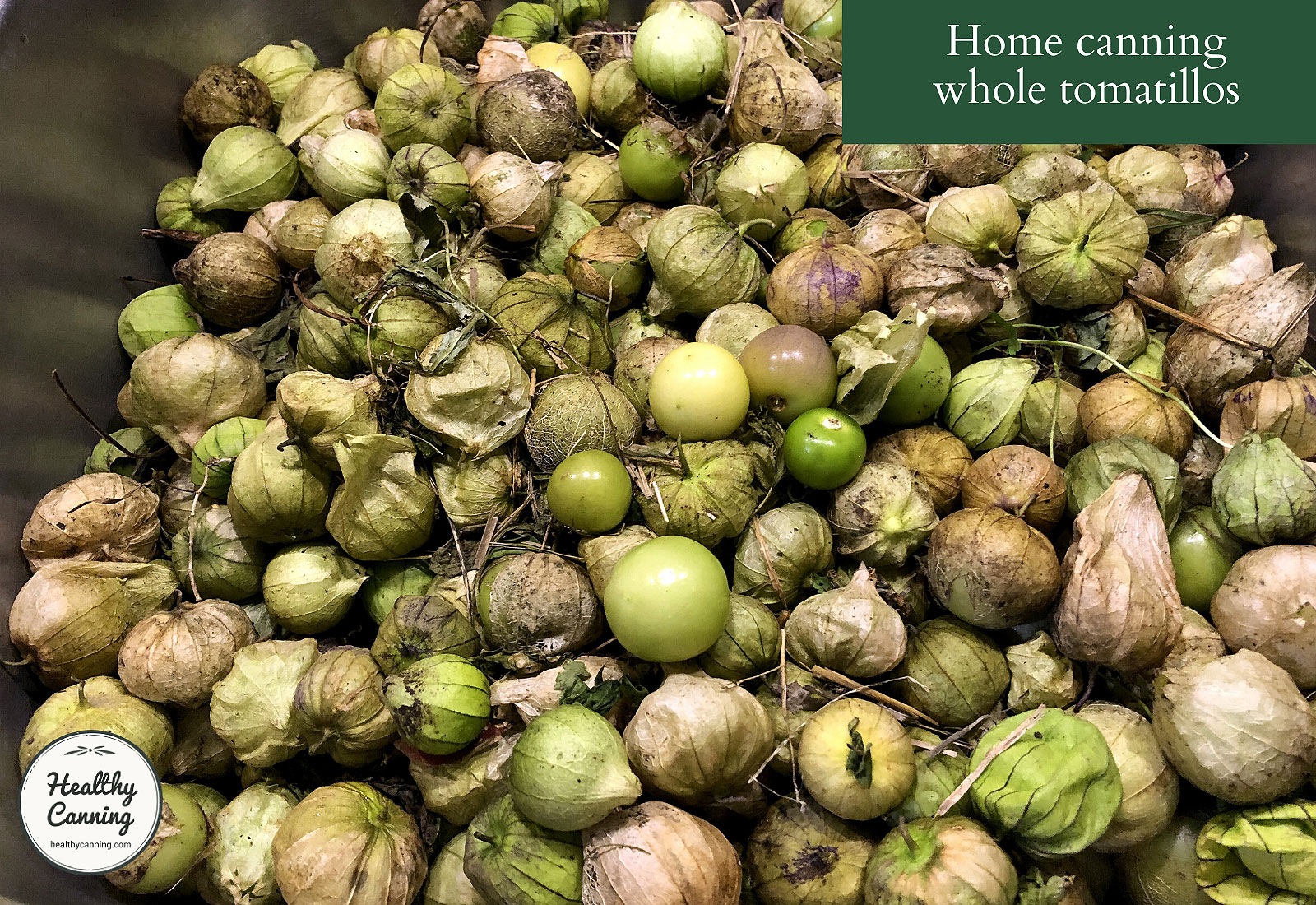
The profile includes roughly 30 grams of carbohydrates, 5 grams of protein, and 5 grams of total fat (of which 1 gram is saturated fat). Notably, the preserve is rich in dietary fiber, supplying approximately 10 grams per pint, alongside substantial levels of potassium (1,340 mg), vitamin C (64 mg), and minor amounts of calcium and iron. This robust nutritional content underscores the value of home canning as a method that not only preserves seasonal harvests but also retains essential dietary components for year-round consumption.
Conclusion and Reference Standards
Successful home canning relies on strict adherence to established scientific guidelines. By following the foundational protocols established in the USDA Complete Guide to Home Canning (Agriculture Information Bulletin No. 539, page 3-13), home preservation enthusiasts can safely store whole tomatillos while mitigating microbiological risks. Whether utilized in regional sauces, zesty condiments, or hearty stews, properly canned tomatillos bridge the gap between seasonal garden abundance and sustainable, year-round culinary creativity.