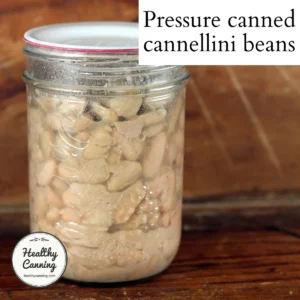

The preservation of legumes, specifically the cannellini bean—also known as the white kidney bean—represents a cornerstone of modern home food security and culinary preparation. As global supply chains face periodic instability and consumers increasingly prioritize the elimination of preservatives and excess sodium from their diets, the practice of home canning has seen a significant resurgence. However, the process of preserving cannellini beans is not merely a matter of culinary preference; it is a precise scientific operation governed by the strict parameters of thermal processing and food safety standards. According to the United States Department of Agriculture (USDA) and the National Center for Home Food Preservation (NCHFP), legumes are low-acid foods, meaning they require specific high-temperature environments to ensure the elimination of harmful pathogens, most notably Clostridium botulinum.
The Culinary Profile and Nutritional Significance of Cannellini Beans
Cannellini beans are a staple of Central and Southern Italian cuisine, particularly in Tuscany. Known for their creamy texture and nutty, mild flavor, they are a nutritional powerhouse. A standard 130-gram serving of home-canned cannellini beans (processed without added salt) provides approximately 100 calories, 6 grams of protein, and 5 grams of dietary fiber. Furthermore, they are an excellent source of essential minerals, including 250 mg of potassium, 40 mg of calcium, and 1.8 mg of iron.
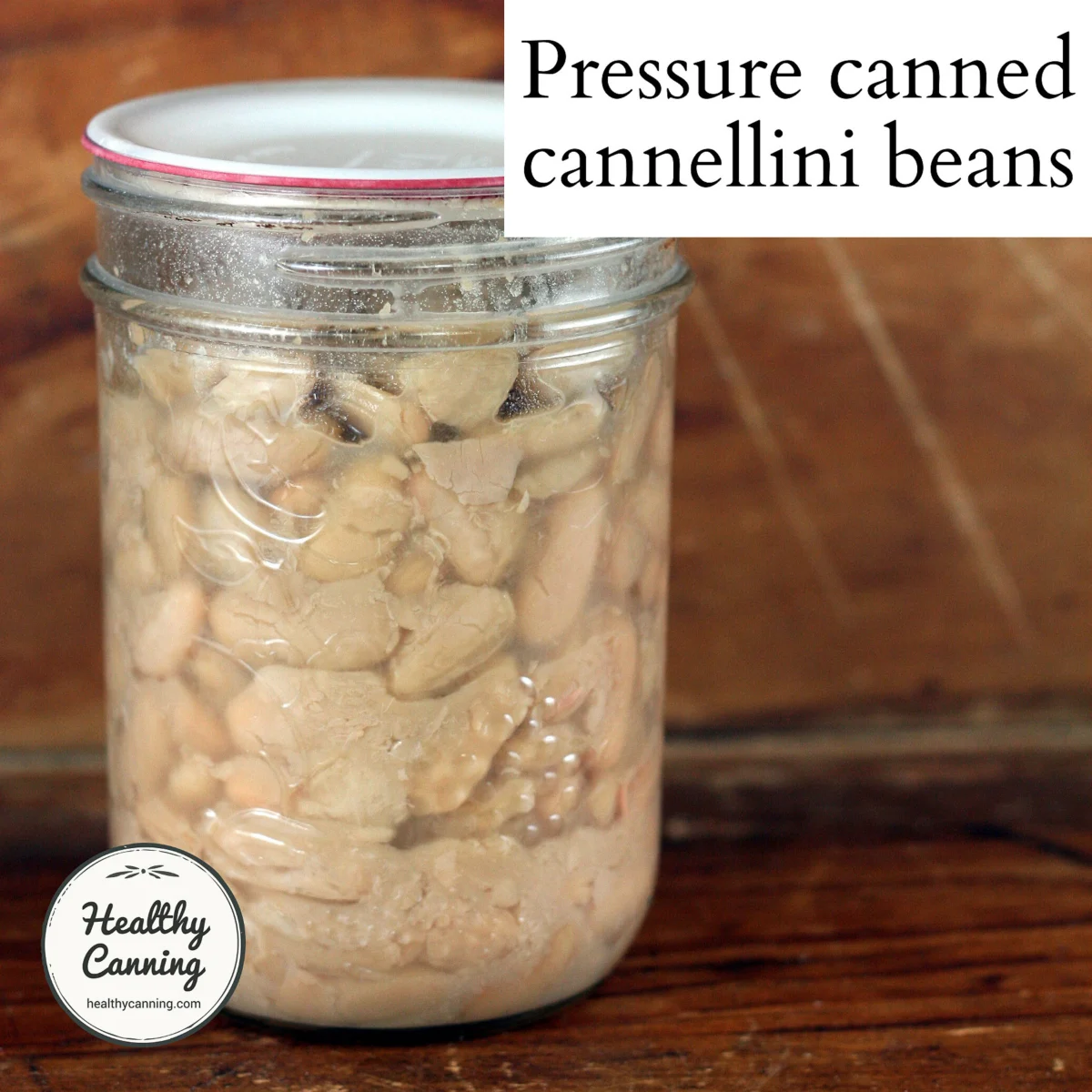
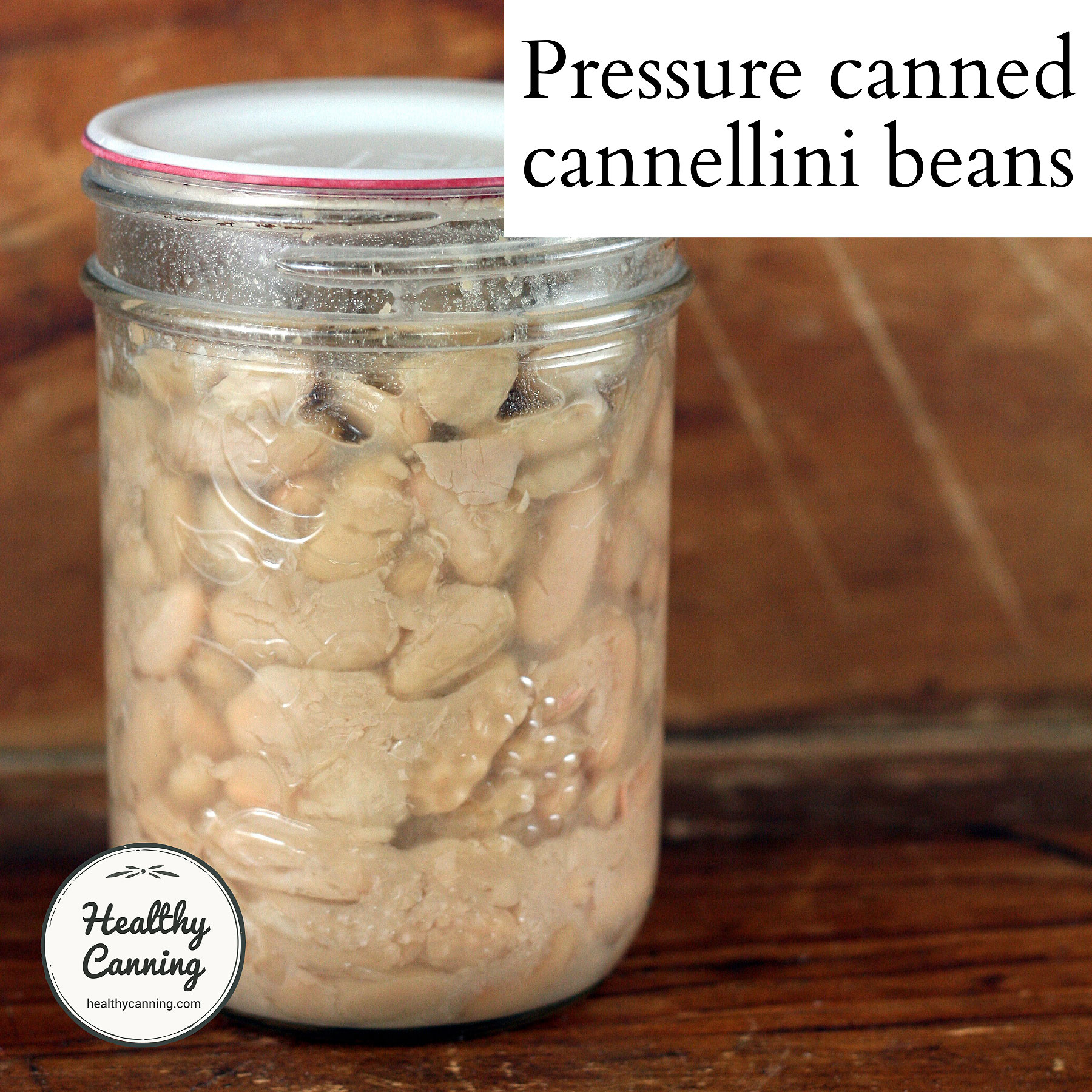
In the context of home canning, it is essential to note the physical transformation these beans undergo. When subjected to the high heat and pressure required for shelf-stability, cannellini beans become exceptionally soft. This structural change makes them less suitable for cold bean salads, where a firm "bite" is often desired. Conversely, this softness is a distinct advantage for hot applications. Home-canned cannellini beans are ideal for immediate integration into ribollita soups, minestrone, or mashed into smooth, nutrient-dense pâtés and spreads.
The Scientific Necessity of Pressure Canning
A critical distinction in food preservation is the difference between water-bath canning and pressure canning. Water-bath canning, which reaches a maximum temperature of 212°F (100°C), is sufficient for high-acid foods like fruits, jams, and pickles. However, cannellini beans have a pH level that falls well into the low-acid category. In these environments, the spores of Clostridium botulinum can survive boiling water temperatures and eventually produce the botulinum toxin in the anaerobic environment of a sealed jar.
To safely preserve cannellini beans, a pressure canner must be used. This equipment allows steam to build under pressure, raising the internal temperature to 240°F (116°C) or higher. This elevated temperature is the only proven method to destroy bacterial spores in low-acid vegetables and meats. For most regions at low altitudes, this requires maintaining a pressure of 10 pounds (weighted gauge) or 11 pounds (dial gauge).
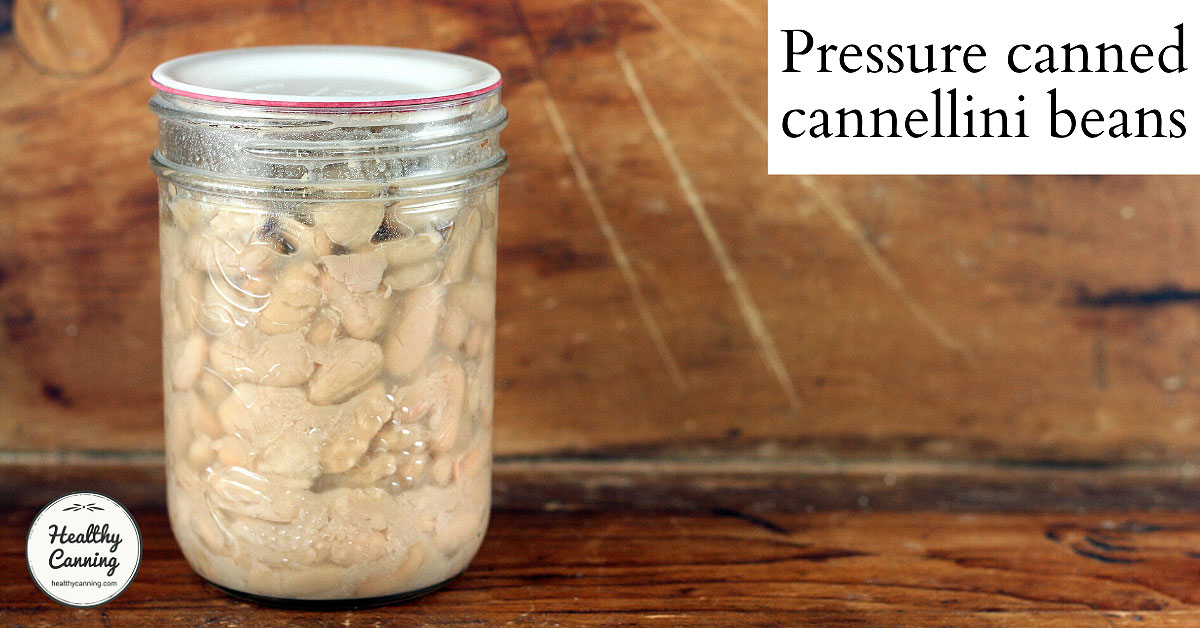
The Chronology of the Canning Process
The successful preservation of cannellini beans follows a rigorous timeline that begins at least 12 to 15 hours before the actual canning takes place.
Phase I: Rehydration and Preparation
Dried cannellini beans must be rehydrated before they are placed in jars. This can be achieved through two primary methods: the overnight soak or the quick-soak method. In the overnight soak, beans are placed in a large pot, covered with several inches of water, and left for 12 to 15 hours. The quick-soak method involves bringing the beans to a boil for two minutes, removing them from heat, and letting them sit for one hour. Regardless of the method, the soaking water is discarded to remove complex sugars that contribute to digestive discomfort.
Phase II: Pre-Cooking
Once rehydrated, the beans are placed in fresh water and brought to a boil. They are typically simmered for 30 minutes. It is important to note that the beans are not fully cooked during this stage; the final cooking occurs inside the jar during the pressure-processing phase.
Phase III: Jarring and Headspace
The beans are packed into sterilized jars, leaving exactly one inch (3 cm) of headspace. This space is vital to allow for the expansion of the beans and the boiling of the liquid during the high-pressure cycle. Jars are filled with the hot cooking liquid or fresh boiling water, and air bubbles are removed using a non-metallic spatula.
Phase IV: The Thermal Processing Cycle
The jars are sealed with two-piece lids and placed in the pressure canner. The processing time varies by jar size:
- Quarter-litre (1/2 US pint) and Half-litre (1 US pint): 75 minutes.
- One-litre (1 US quart): 90 minutes.
This time begins only after the canner has been vented for 10 minutes and has reached the required pressure for the specific altitude.
Technical Data: Altitude and Pressure Adjustments
Atmospheric pressure decreases as altitude increases, which in turn lowers the boiling point of water. To compensate, home canners must increase the pressure in their equipment to reach the necessary internal temperature.
For weighted-gauge canners:
- 0 – 300 meters (0 – 1,000 feet): 10 lbs of pressure.
- Above 300 meters (1,000 feet): 15 lbs of pressure.
For dial-gauge canners:
- 0 – 610 meters (0 – 2,000 feet): 11 lbs of pressure.
- 610 – 1,220 meters (2,001 – 4,000 feet): 12 lbs of pressure.
- 1,220 – 1,830 meters (4,001 – 6,000 feet): 13 lbs of pressure.
Failure to adjust for altitude results in under-processed food, which poses a significant health risk.
Economic and Environmental Implications
The move toward home-canned cannellini beans is often driven by economic analysis. While the initial investment in a pressure canner can range from $100 to $250, the long-term savings are substantial. Dried beans purchased in bulk are significantly cheaper per pound than individual commercial cans. Additionally, home canning allows for "salt-free" preservation, a feature that is often sold at a premium in grocery stores.
From an environmental perspective, home canning reduces the reliance on single-use aluminum cans and the carbon footprint associated with the transport of heavy, water-laden commercial products. Reusable glass jars and the ability to process large batches at once contribute to a more sustainable household food system.
Statements from Food Safety Experts
Master Food Preservers and extension agents from land-grant universities frequently emphasize the importance of following "tested recipes." A spokesperson for the National Center for Home Food Preservation recently noted, "The primary error in home canning is the deviation from established processing times or the use of improper equipment. For legumes like cannellini beans, there is no safe alternative to a pressure canner. Following the USDA Complete Guide to Home Canning is the gold standard for preventing foodborne illness."
Furthermore, experts advise that if a pressure canner fails to maintain the required pressure for even a moment during the 75 or 90-minute cycle, the timer must be reset to zero. This ensures that the thermal center of the jar reaches the necessary temperature to achieve commercial sterility.
Broader Impact on Food Sovereignty
The ability to preserve protein sources like cannellini beans at home contributes to what sociologists call "food sovereignty." By mastering the technical skills required for pressure canning, individuals gain independence from the commercial food industry. In times of economic recession or natural disasters, a pantry stocked with home-canned beans provides a stable, nutrient-dense food source that requires no refrigeration.
Moreover, home canning fosters a deeper connection to the food supply. Many home canners report that the quality of home-processed beans—even with the softer texture—surpasses that of commercial versions, which often contain firming agents like calcium chloride or high levels of sodium to maintain shelf life and appearance.
Final Analysis of Implications
The practice of canning cannellini beans at home is a blend of traditional domestic art and modern microbiology. While the process is time-consuming—requiring a total commitment of approximately 2 to 3 hours on the day of canning, following the rehydration phase—the rewards are multifaceted. The result is a shelf-stable product that is nutritionally superior to many store-bought alternatives and tailored to the specific dietary needs of the household.
As interest in self-sufficiency continues to grow, the demand for accurate, science-based canning information is at an all-time high. By adhering to the rigorous standards set by the USDA and understanding the physical and chemical requirements of low-acid food preservation, home cooks can safely stock their larders with high-quality cannellini beans, ready for a variety of culinary applications. The soft, creamy texture of these home-preserved gems serves as a testament to the transformative power of heat and pressure, turning a humble dried legume into a convenient, gourmet ingredient.