
The past year has brought the concept of exponential growth into stark global focus, predominantly through the alarming spread of the SARS-CoV-2 virus. This mathematical phenomenon, often counterintuitive in its progression—appearing slow and negligible before an abrupt and dramatic acceleration—explains both the rapid escalation of global health crises and, paradoxically, the resilience and innovation seen in domestic kitchens worldwide. While the pandemic spurred a negative understanding of exponential curves, it simultaneously highlighted the positive application of this very principle in the microbial world of yeast, fueling a global resurgence in home baking and leading to unprecedented demand and temporary shortages of a seemingly humble ingredient.
The Science Behind the Rise: Understanding Yeast’s Exponential Power
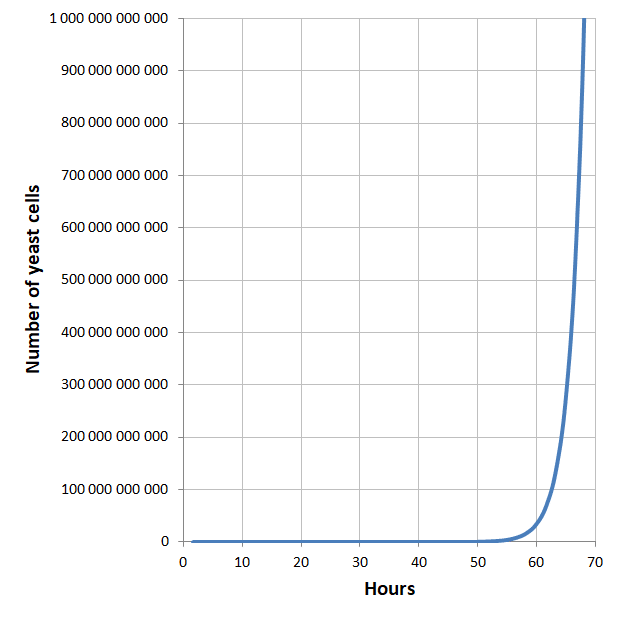
At the heart of this domestic revolution lies Saccharomyces cerevisiae, the common baker’s yeast, a single-celled fungus renowned for its ability to multiply exponentially. Under optimal conditions—sufficient nutrients (sugars), warmth (ideally between 25-35°C), and access to oxygen initially for aerobic respiration, followed by anaerobic fermentation—a single yeast cell can reproduce by budding, effectively splitting into two identical cells. This complete life cycle can occur in as little as 100 minutes. The implications of such rapid division are profound: after just 24 hours, a lone cell can proliferate into approximately 16,000 descendants. Within 48 hours, this number swells to an astonishing 268 million. By the close of the third day, the population can reach a staggering one trillion (1,000,000,000,000) yeast cells, a mass comparable to a 50-gram block of compressed fresh yeast.
This rapid multiplication illustrates the "wheat and chessboard problem," a classic mathematical puzzle demonstrating the astonishing power of exponential sequences. Starting with one grain of wheat on the first square of a chessboard and doubling the amount for each subsequent square quickly leads to astronomical numbers, far exceeding global grain production. Similarly, yeast’s seemingly modest doubling time rapidly transforms minute quantities into vast colonies capable of leavening substantial doughs. However, it is crucial to note that while commercial yeast production facilities can maintain near-ideal conditions for short periods, the environment within a bread dough is far more challenging. Nutrient availability diminishes, waste products accumulate, and oxygen levels drop, significantly slowing the rate of reproduction. Nonetheless, the underlying principle ensures that even a tiny initial quantity of yeast can, given sufficient time, perform its essential function.
The Global Baking Phenomenon: A Pandemic-Era Timeline
The onset of the COVID-19 pandemic in early 2020 triggered widespread lockdowns and stay-at-home orders across continents. As public life ground to a halt and routines were upended, millions found themselves with unprecedented amounts of free time, coupled with anxieties about food security and a desire for comfort. This confluence of factors ignited a global home baking boom.
Early 2020 (March-May): The Initial Surge and Panic Buying
As lockdowns became widespread, consumers rushed to grocery stores, leading to panic buying of essential staples. Flour, sugar, and crucially, yeast, quickly became scarce commodities. Reports from countries like Norway, the United States, the United Kingdom, and Australia detailed shelves emptied of baking ingredients. This initial phase was characterized by a sense of novelty and a drive for self-sufficiency, with many experimenting with baking for the first time. Social media platforms became flooded with images of freshly baked bread, sourdough starters, and elaborate pastries, transforming baking into a shared global experience.
Mid-2020 (June-August): Sustained Interest and Supply Chain Strain
Despite initial supply chain disruptions, the interest in home baking did not wane. As the pandemic persisted, baking transitioned from a temporary coping mechanism to a beloved hobby and a regular part of many households’ routines. Yeast manufacturers, initially caught off guard, began to ramp up production, often diverting industrial-grade yeast to consumer packaging. However, the sheer scale of demand meant that localized shortages continued to plague retailers. The focus shifted from simply finding yeast to understanding how to maximize its utility, leading to a renewed interest in traditional, slower fermentation methods.
Late 2020 and Beyond: Adaptation, Innovation, and Sourdough’s Revival
By late 2020, while commercial yeast supplies largely stabilized, the pandemic’s impact had fundamentally reshaped consumer baking habits. Many bakers, having experienced shortages, explored alternatives like creating and maintaining sourdough starters. This ancient method, relying on wild yeasts and lactic acid bacteria naturally present in flour and the environment, offered complete independence from packaged yeast and introduced a new depth of flavor and complexity to home-baked goods. The collective experience fostered a deeper understanding of fermentation science and an appreciation for the ‘slow food’ movement.
Data-Driven Insights: Quantifying the Baking Surge
The anecdotal evidence of yeast shortages was powerfully corroborated by market data and online trends. NielsenIQ, a global measurement and data analytics company, reported staggering increases in sales of baking ingredients across various markets:
- United States: Retail sales of yeast soared by over 400% in March and April 2020 compared to the previous year. Flour sales experienced a similar boom, with increases exceeding 150%.
- United Kingdom: Supermarket chains reported unprecedented demand, with yeast sales rising by 120% and flour sales by 92% year-on-year during the initial lockdown period.
- Canada: Major grocery retailers cited a 200-300% increase in demand for yeast and flour.
Google Trends data provided further insight into consumer curiosity and engagement. Searches for "bread baking" reached an all-time high globally in April 2020, while "sourdough starter recipe" and "how to make yeast" also saw exponential increases in search volume, underscoring both the burgeoning interest and the challenges faced in sourcing ingredients. These figures painted a clear picture of a society rediscovering the fundamental joys and practicalities of baking.
Mastering Fermentation: The Art of Less Yeast and More Time
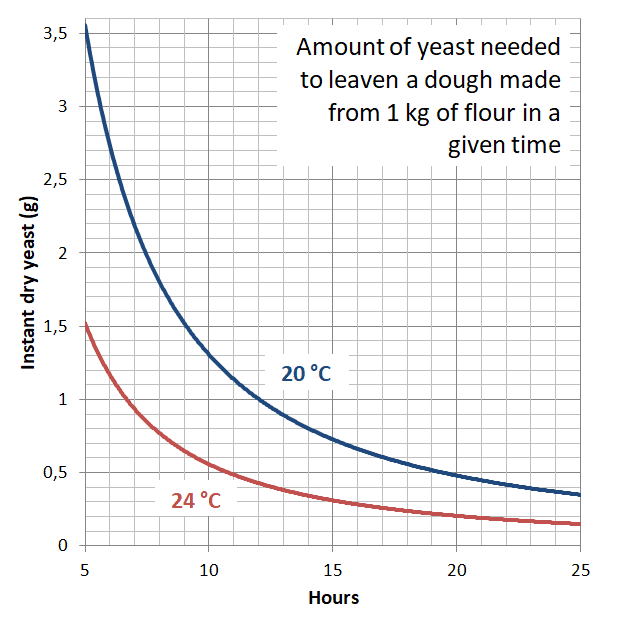
One significant lesson learned during the periods of yeast scarcity, and indeed a practice long advocated by artisanal bakers, is the efficacy of using less yeast and allowing for longer fermentation times. This approach not only conserves a valuable ingredient but also profoundly enhances the flavor, texture, and digestibility of baked goods.
The Flavor Advantage: Longer fermentation, particularly at cooler temperatures (e.g., 20°C for 20 hours as opposed to a quick 1-2 hour rise), allows for the development of complex flavors. The yeast, along with naturally occurring lactic acid bacteria (even in commercial instant yeast, or especially in sourdough), produces a wider array of metabolic byproducts beyond just carbon dioxide and ethanol. These include various organic acids (lactic, acetic), esters, and alcohols that contribute to a more nuanced, often tangy or nutty, flavor profile and a more aromatic crust. This process is similar to how fine wines or aged cheeses develop their complexity.
Texture and Structure: Slow fermentation strengthens the gluten network in dough more effectively. The extended time allows enzymes to break down starches into simpler sugars, providing a continuous food source for the yeast and resulting in a more extensible and elastic dough. This leads to a more open, airy crumb structure with irregular holes, characteristic of artisan bread.
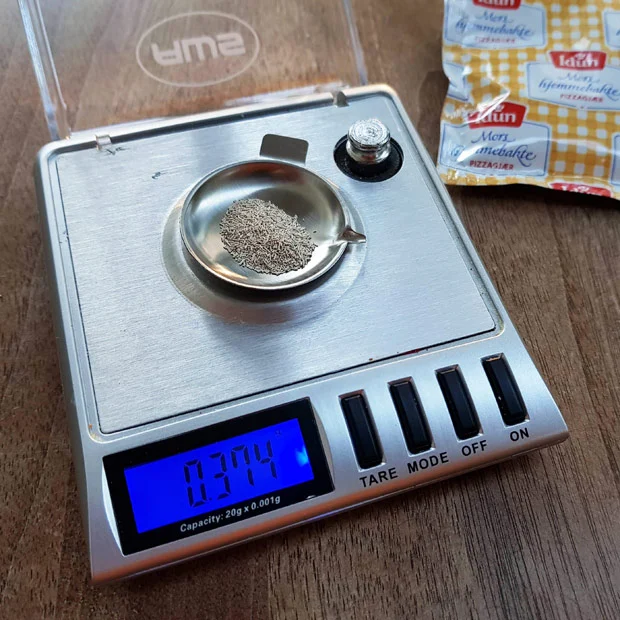
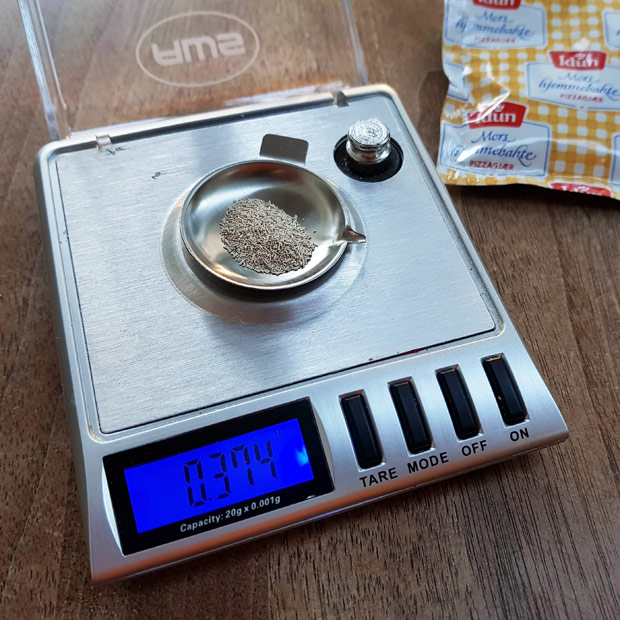
Precision in the Kitchen: To successfully implement the "less yeast, more time" strategy, precision is paramount. While a 12-gram sachet of instant dry yeast might typically be used for 500 grams of flour in a quick recipe, a mere 0.48 grams could suffice for 1 kilogram of flour over a 20-hour rise at 20°C. Measuring such minute quantities necessitates the use of a digital kitchen balance capable of reading to 0.001 grams. These highly accurate scales, once considered niche laboratory equipment, have become increasingly affordable and accessible for home bakers, proving to be an invaluable tool for consistent results and ingredient conservation.
Technological Aids for Bakers: The complexity of balancing yeast quantity, hydration, flour type, temperature, and fermentation time can be daunting. This is where digital tools like the "PizzApp+" for Android (and similar applications for other platforms) have become indispensable. These apps allow users to input parameters such as desired dough weight, flour type, hydration percentage, target fermentation time, and temperature. Based on these inputs, the app precisely calculates the required amounts of water, salt, and crucially, yeast—offering options for fresh compressed yeast, active dry yeast, instant dry yeast, and even liquid or firm sourdough starters. This democratization of complex baking calculations empowered millions of new and experienced bakers to achieve professional-grade results from their home kitchens.
Industry Adaptation and Consumer Innovation
The sudden and unprecedented demand for baking ingredients presented both significant challenges and opportunities for the food industry.
Yeast Producers’ Response: Major yeast manufacturers, such as Lesaffre and AB Mauri, rapidly shifted production gears. While industrial bakeries typically use bulk yeast, consumer demand required extensive re-packaging and distribution logistics. Many companies prioritized retail yeast production, often at the expense of other product lines, to meet the surging consumer needs. This adaptability underscored the resilience of the food supply chain under extreme pressure.
Flour Mills: Similarly, flour mills worldwide worked overtime to process and bag flour for retail consumption. The transition from large bulk orders for commercial bakeries to millions of smaller consumer bags required significant adjustments in operational capacity and packaging lines.
The Sourdough Renaissance: Perhaps the most compelling consumer innovation was the widespread adoption of sourdough baking. Driven by both necessity (due to yeast shortages) and a desire for deeper flavor and a more engaging baking process, millions embarked on the journey of cultivating their own sourdough starters. This not only bypassed the commercial yeast supply chain but also fostered a community of bakers sharing starters, tips, and recipes online. It represented a return to ancestral baking methods and a deeper connection to the food creation process.
Beyond the Pandemic: Lasting Impacts on Food Culture and Consumer Habits
The baking boom, initially a response to crisis, is likely to leave a lasting legacy on food culture and consumer habits.
Increased Food Literacy and Culinary Skills: Millions of individuals acquired new culinary skills and a deeper understanding of food science, particularly fermentation. This increased food literacy extends beyond baking to a broader appreciation for ingredient quality, origin, and the processes involved in food production.
Sustainability and Reduced Food Waste: Home baking, especially with precise ingredient measurement and longer fermentation, encourages more mindful consumption and can lead to reduced food waste. Bakers learn to utilize ingredients efficiently and appreciate the longevity of products made without excessive preservatives. The practice of maintaining a sourdough starter itself promotes a cycle of feeding and using, inherently reducing waste.
Economic Ripple Effects: The surge in baking provided a significant boost to the kitchen equipment industry, with sales of stand mixers, proofing boxes, digital scales, and specialty bakeware experiencing substantial growth. This economic ripple effect extended to artisan flour mills, specialty ingredient suppliers, and online baking communities.
Health and Wellness: For many, baking became a therapeutic activity, offering a sense of control, creativity, and accomplishment during uncertain times. The act of kneading dough, the aroma of fresh bread, and the shared experience of baking with family provided comfort and a tangible connection to home. Furthermore, controlling ingredients in homemade bread offers potential health benefits, allowing for choices like whole grains and reduced sugar.
The Enduring Power of Microbes: The pandemic’s dual narrative of exponential growth—from viral spread to yeast proliferation—served as a powerful reminder of the profound impact of microscopic organisms on human life. It highlighted how a simple, centuries-old ingredient, Saccharomyces cerevisiae, could not only sustain a primal human need for bread but also inspire resilience, innovation, and community during a global crisis. The convenience of instant dry yeast remains alluring, but the lessons learned about the power of time, precision, and the marvel of microbial life have enriched the culinary landscape for good.