
The art of home food preservation has experienced a notable renaissance in recent years, driven by a growing consumer desire for self-sufficiency, reduced food waste, and control over dietary ingredients. Among the most popular preserves crafted in home kitchens is raspberry jam, prized for its vibrant color and tart-sweet flavor profile. Recent culinary developments, particularly utilizing specialized gelling agents like Pomona’s universal pectin, have revolutionized how home canners approach traditional recipes, allowing for significant reductions in added sugars without sacrificing texture or shelf stability. This adaptability has transformed a once sugar-heavy staple into a versatile preserve suitable for diverse dietary needs, including low-sugar, diabetic-friendly, and alternative-sweetener regimens.
The historical trajectory of jam-making dates back centuries, evolving from a method of fruit preservation born out of necessity during times of harvest abundance to a refined culinary hobby. Traditionally, achieving the proper gel in fruit preserves required high concentrations of sugar, which acted as a preservative and interacted with naturally occurring fruit pectins under specific acid and heat conditions. However, the commercial introduction of low-methoxy pectin brands, such as Pomona pectin in the late 20th century, fundamentally altered this dynamic. By utilizing calcium water to activate the gelling process independently of sugar concentration, these formulations enabled cooks to create stable, safely preserved jams using honey, alternative sweeteners like granulated Splenda, stevia, or drastically reduced quantities of traditional cane sugar.
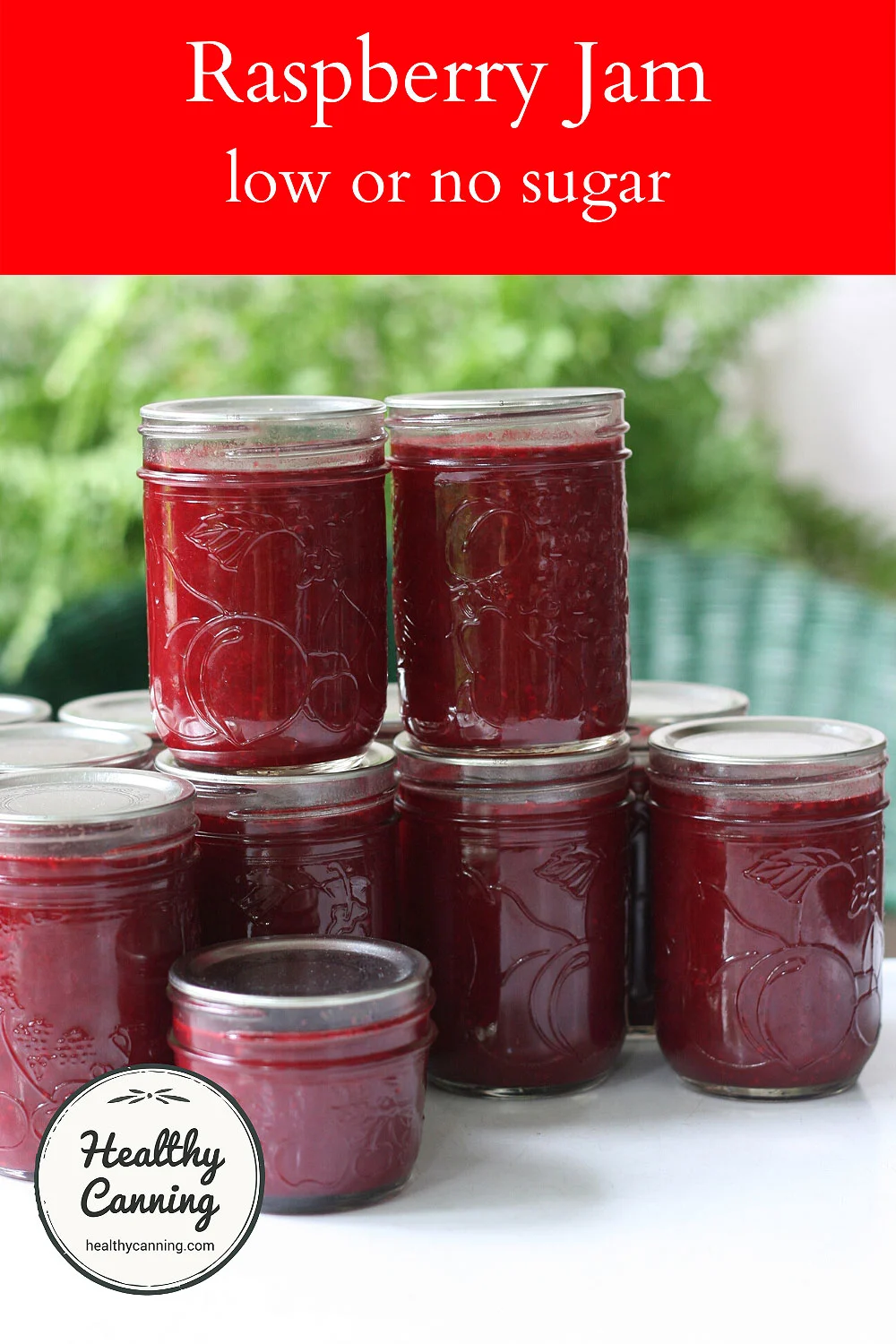
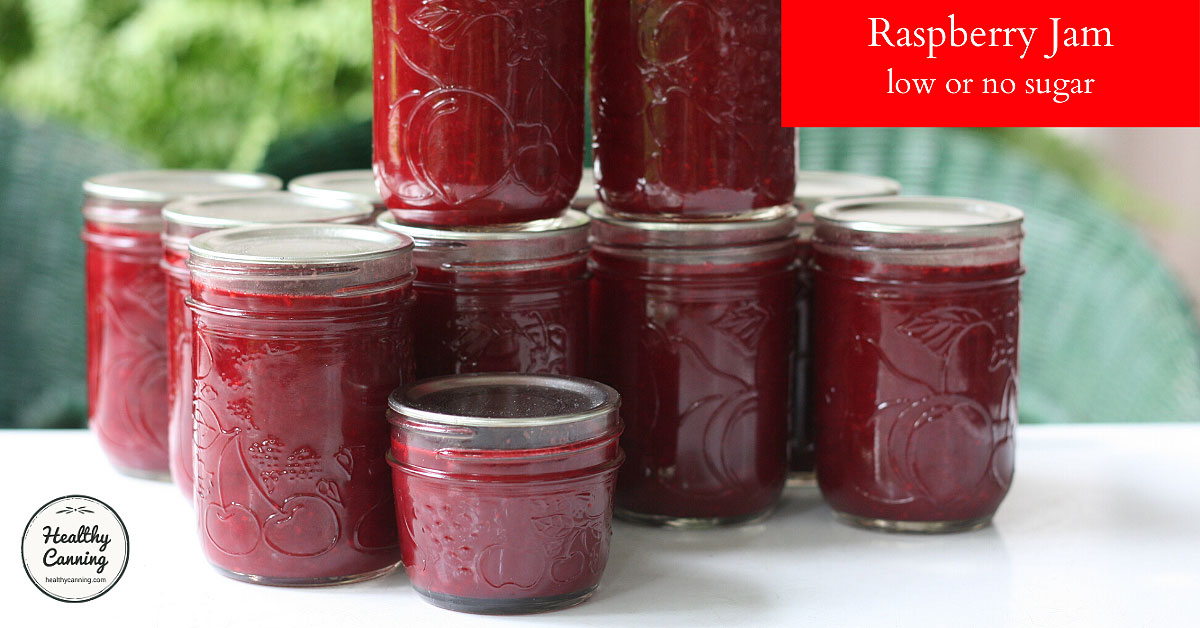
According to home canning specialists and extension services, preparing a batch of low- or no-sugar raspberry jam requires precise adherence to USDA-approved safety guidelines, even when modifying sugar content. The standard recipe yields approximately four quarter-liter (half-US-pint or 8-ounce) jars, utilizing either freshly picked berries or frozen raspberries thawed from winter storage. Preparation time is estimated at 15 minutes, with a cooking duration of approximately 20 minutes, bringing the total active kitchen time to roughly 35 minutes. Cooks have the flexibility to strain the raspberry seeds out during processing—a preference often exercised during seasons of exceptional fruit gluts to achieve a smoother, seedless texture—though retaining the seeds remains a popular choice for rustic texture and added dietary fiber.
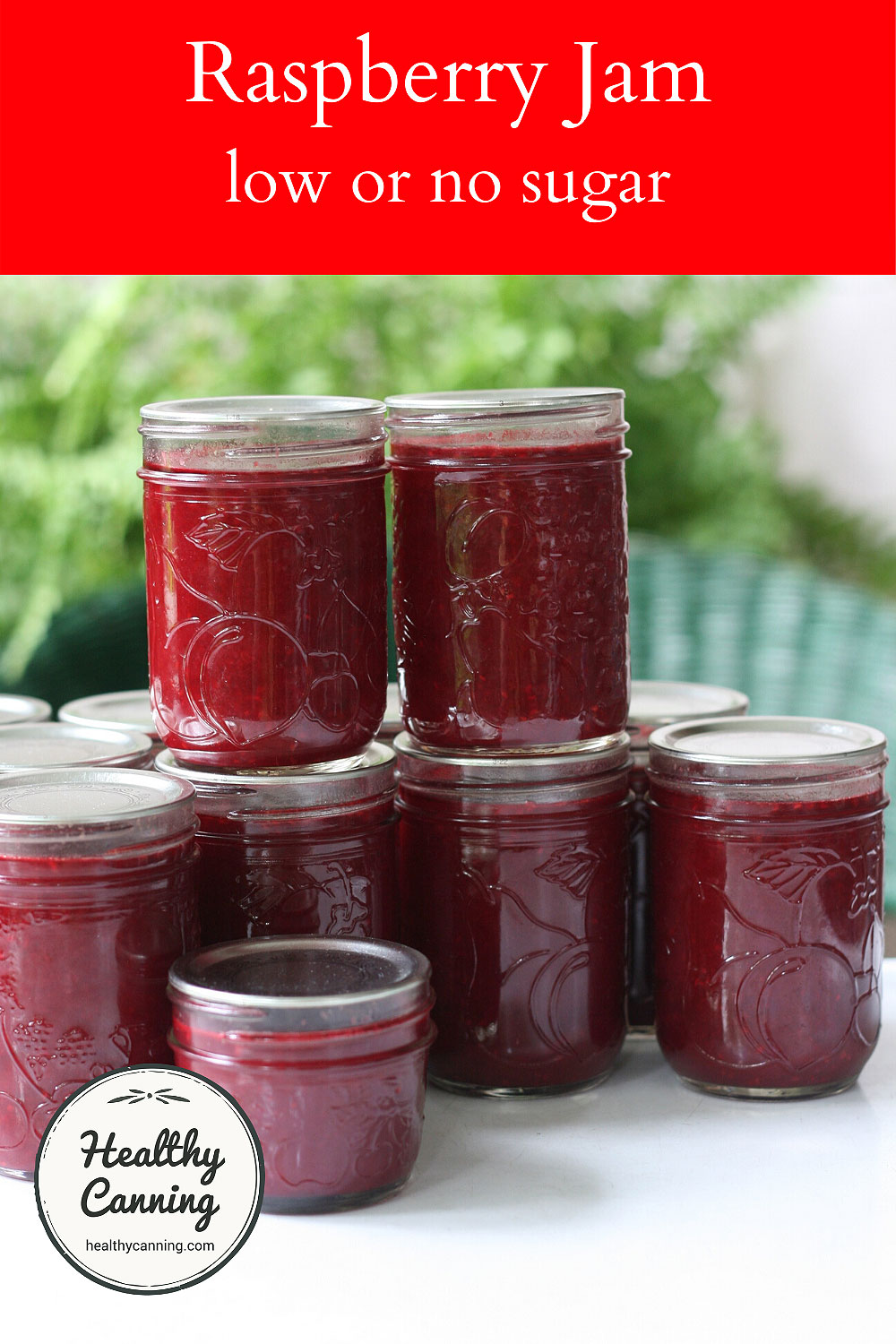
Nutritional profiles for the finished product vary significantly depending on the chosen sweetener. When prepared using standard cane sugar (approximately 1 cup or 200 grams for the entire batch), a single one-tablespoon serving yields roughly 21 calories, 5 grams of carbohydrates, 4 grams of sugar, and trace amounts of minerals such as potassium and calcium, alongside dietary fiber. Conversely, substituting sugar with granulated Splenda reduces the caloric content to approximately 10 calories per tablespoon while maintaining a similar carbohydrate count. These variations offer distinct advantages for health-conscious consumers monitoring their glycemic index or daily caloric intake.
The canning process itself demands strict adherence to temperature and altitude parameters to ensure long-term food safety. Once the jam is simmered to the correct consistency with the activated pectin mixture, it is ladled into sterilized 125-milliliter or quarter-liter jars, maintaining a precise one-centimeter (quarter-inch) headspace. Jars are subsequently processed using either a boiling water bath or a steam canner for a duration of 10 minutes, with mandatory altitude adjustments applied for kitchens located significantly above sea level. Proper processing neutralizes spoilage microorganisms and creates an airtight vacuum seal, extending the pantry shelf life of the home-canned goods safely for twelve months or more.
Culinary experts and master food preserver networks emphasize the importance of consulting authorized resources before undertaking home canning projects. Organizations such as cooperative extension offices and master food preserver volunteer networks operate seasonal telephone hotlines and regional workshops to assist novices and experienced canners alike with troubleshooting acidity levels, processing times, and equipment usage. These official bodies stress that while modern pectins offer remarkable flexibility in flavor and sweetness profiles, safety margins regarding pH, processing temperatures, and jar headspace must never be compromised.
The broader implications of this trend reflect a larger shift toward mindful eating and sustainable household practices. By utilizing frozen berries out of season or preserving surplus garden harvests, households can mitigate food waste while enjoying additive-free pantry staples. Furthermore, the ability to tailor jam sweetness to personal nutritional requirements highlights a growing intersection between traditional heritage skills and modern nutritional science. As home preservation continues to evolve, innovations in ingredients like low-sugar pectins ensure that classic comfort foods remain accessible, healthful, and adaptable for generations to come.