
The annual transition into the academic year brings a predictable surge in domestic logistics, with meal preparation ranking as one of the most significant daily stressors for parents and guardians. According to recent surveys by the National School Lunch Program and various parent-teacher associations, more than 60% of households identify the "morning rush" as a primary obstacle to maintaining consistent nutritional standards for children. As schools return to session, the demand for efficient, time-saving, and cost-effective lunch solutions has reached a peak, necessitating a shift toward modular, assembly-based meal planning.
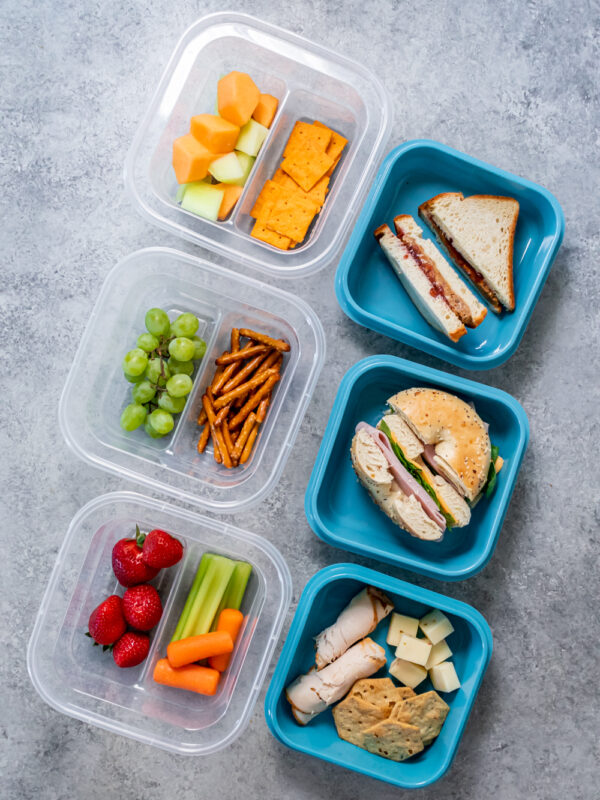
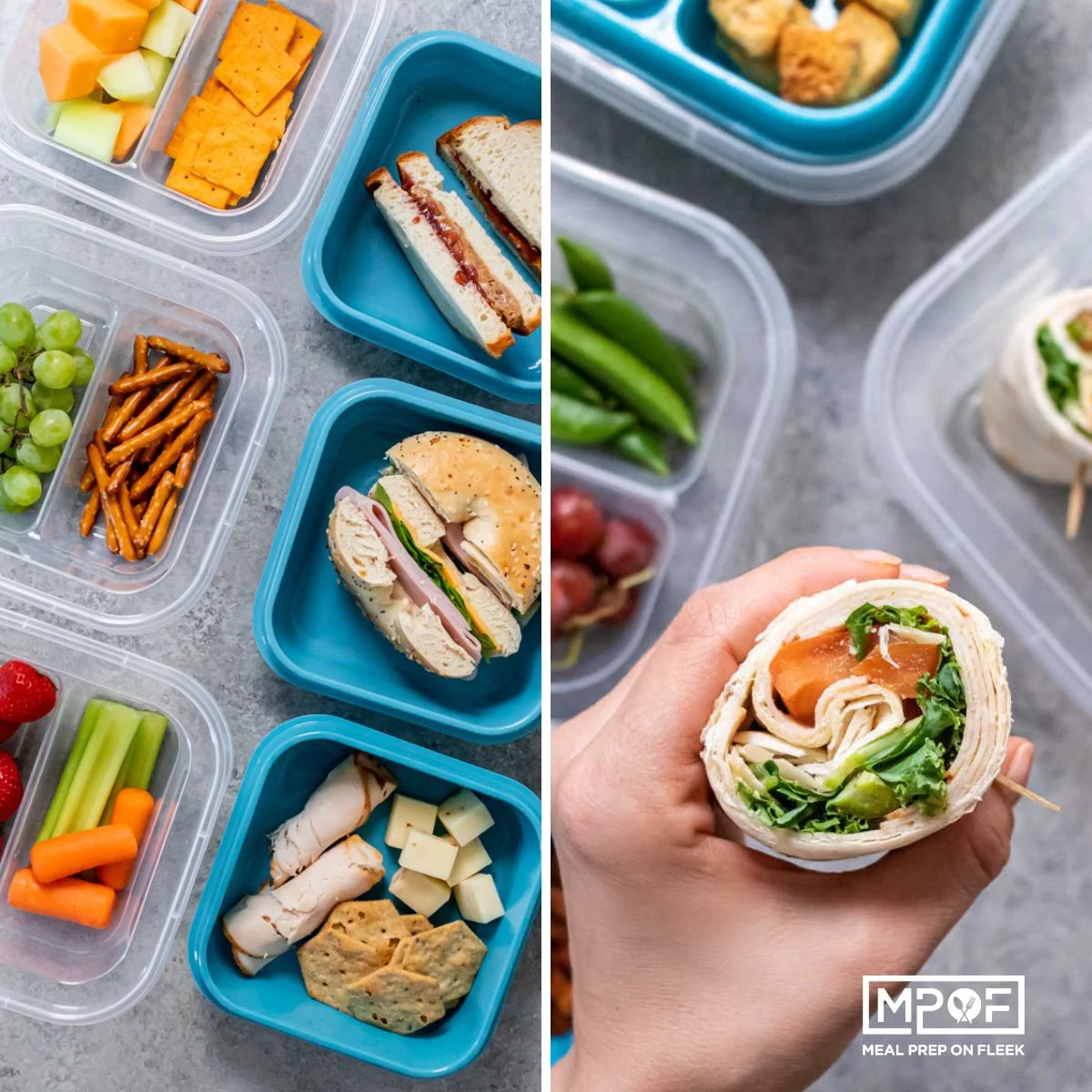
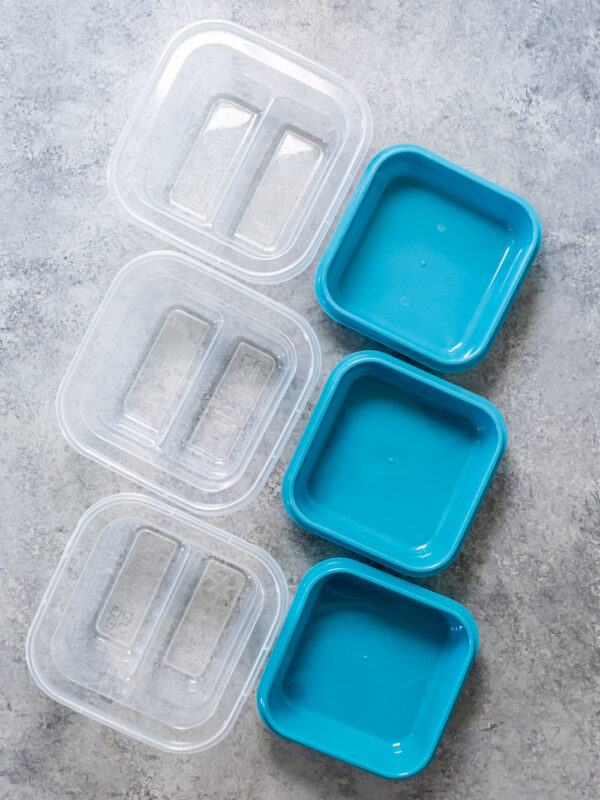
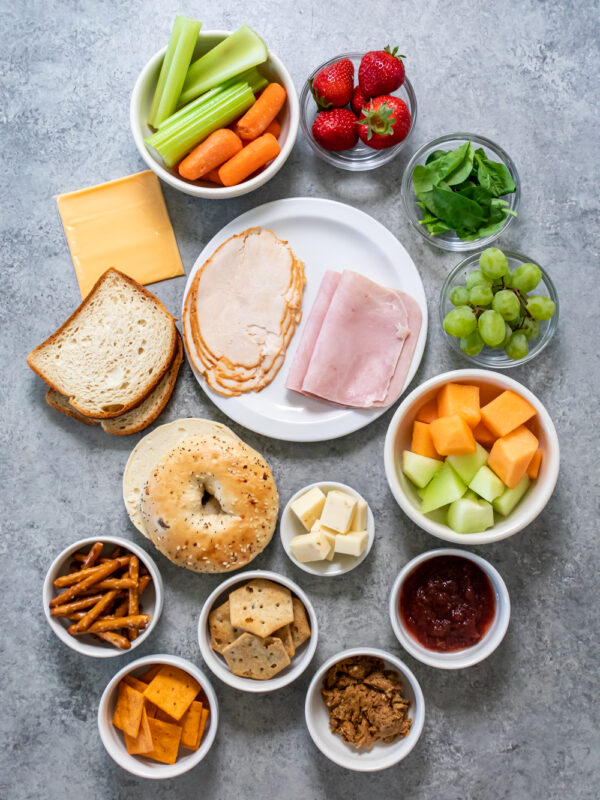
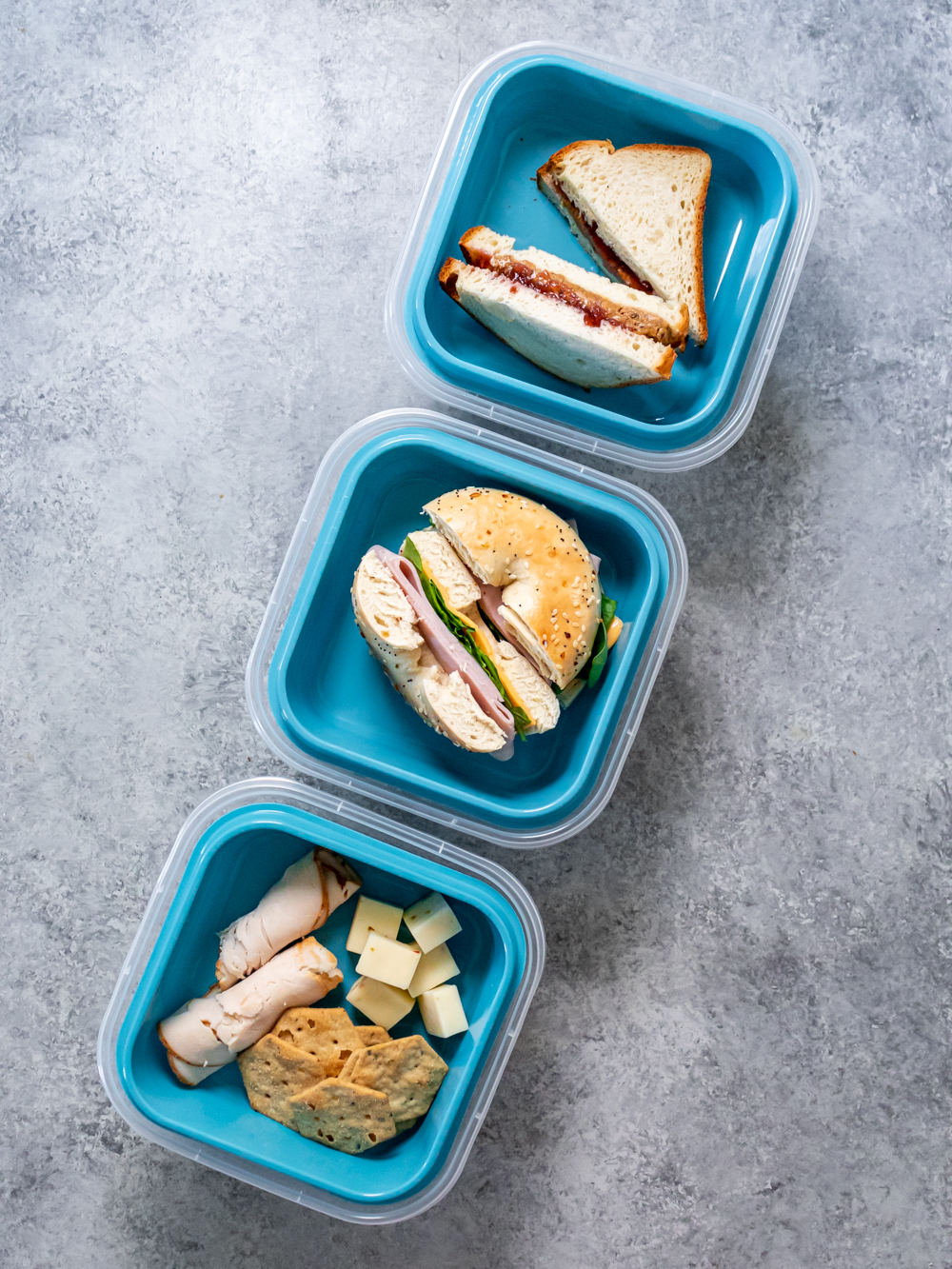
The current trend in domestic food preparation focuses on the "no-cook" methodology, which prioritizes the strategic use of pre-portioned ingredients. This approach not only mitigates the need for early-morning kitchen activity but also addresses concerns regarding food waste and rising grocery costs. By utilizing standardized containers, such as the GoodCook Lunch Cubes, families can transition from reactive, last-minute packing to a proactive system that encourages student autonomy.
The Evolution of School Meal Prep
Historically, school lunches were dominated by hot, cafeteria-style meals or simple, single-item sandwiches. However, the last decade has seen a marked shift toward "bento-style" or "snack-box" lunches. Data from the USDA’s Food and Nutrition Service suggests that providing children with a variety of small, visually distinct food groups—protein, complex carbohydrates, and fiber-rich produce—improves the likelihood of consumption and reduces the volume of discarded food.
This evolution in dietary habits coincides with an increase in awareness regarding food allergies and sensitivities. By moving away from standardized school-provided meals toward personalized, home-packed options, parents can better monitor nutritional intake and ensure compliance with school-specific allergen policies. The "no-cook" model serves as a bridge between the convenience of processed foods and the health benefits of whole-food nutrition.
Chronology of a Stress-Free Morning
To optimize the efficiency of the school-day routine, experts recommend a phased approach to lunch preparation:
- Sunday Evening (The Preparation Phase): Families should engage in a "grocery audit," identifying staples such as seasonal fruits, vegetable sticks, and high-protein snacks. Utilizing a "grab-and-pack" station—a designated basket in the refrigerator or pantry—allows for rapid assembly.
- Monday through Friday (The Assembly Phase): By employing modular containers, parents can assemble lunches in under ten minutes. The primary strategy involves placing dense, chilled items (like yogurt or hummus) at the base and lighter, crunchy items (like crackers or produce) in the secondary compartments to maintain texture integrity.
- The Involvement Phase: Pediatric nutritionists have long noted that children who participate in the selection and assembly of their meals demonstrate higher levels of dietary compliance. Engaging students in the grocery selection process creates a sense of agency, often resulting in a reduction of uneaten lunches returned at the end of the day.
Data-Driven Nutritional Strategies
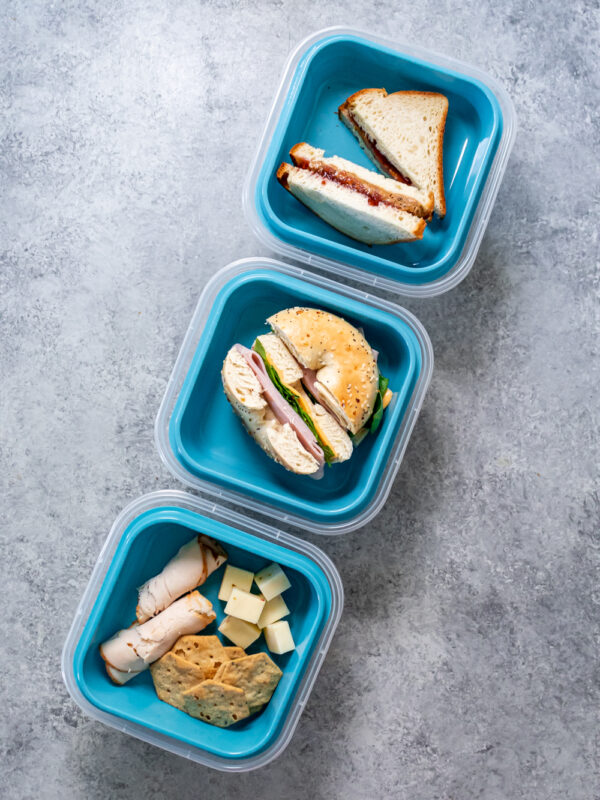
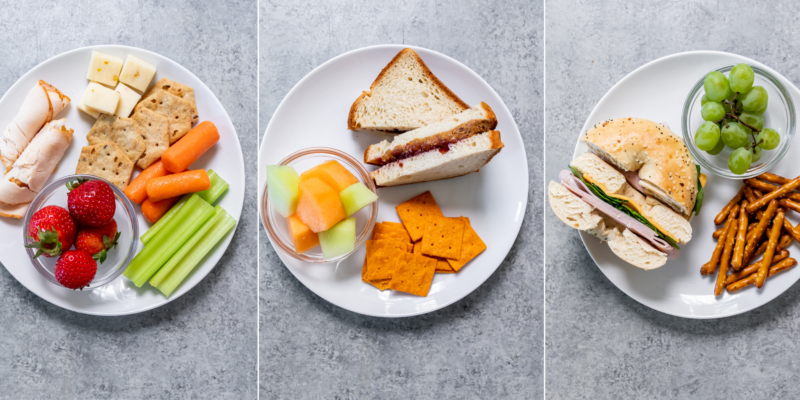
The three primary "no-cook" lunch configurations, often referred to as "cubes," are designed to meet basic caloric and macronutrient requirements for school-aged children. Each configuration typically provides approximately 400 to 450 calories, balancing protein, fats, and carbohydrates.
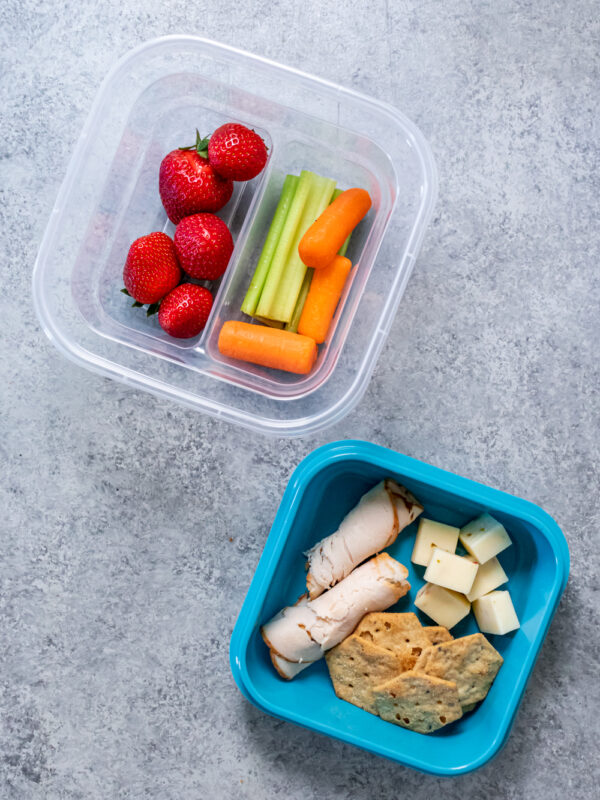
- The Snack-Box Model: This configuration focuses on variety, featuring deli-style proteins (or plant-based alternatives), cubed cheeses, fresh vegetables, and crackers. This model is effective for children who prefer smaller, frequent portions over a single, traditional sandwich.
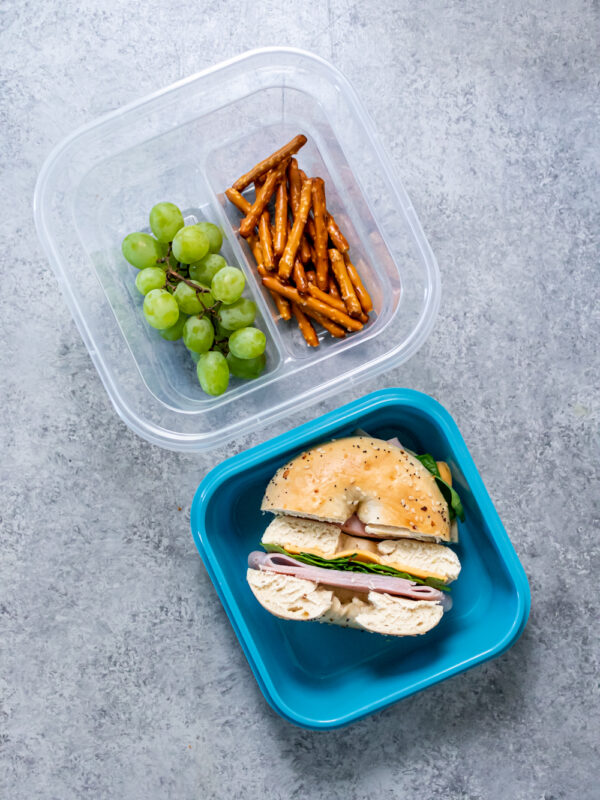
- The Classic Sandwich Model: A staple of the American school experience, this version utilizes whole-grain bread or bagel thins paired with lean meats and a crunchy side, such as pretzels or carrot sticks. The focus here is on familiarity and comfort, which can be critical for children adjusting to new academic environments.
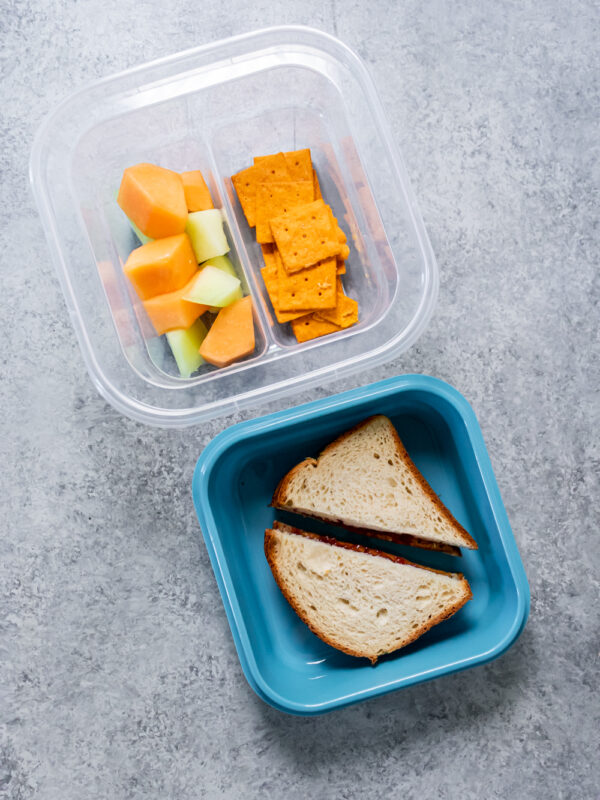
- The Allergen-Conscious Model: Replacing traditional peanut butter with sunflower seed butter or other alternatives ensures compliance with "nut-free" school mandates. By pairing these with nutrient-dense sides like raw broccoli or seasonal berries, the meal remains balanced without posing a health risk to other students.
Broader Implications for Household Management
The implications of organized meal prep extend beyond nutrition; they influence the psychological state of the household during the transition to the academic year. When morning friction is minimized, the overall quality of family interaction improves.
For educators and staff, the challenges of the school year are equally demanding. Professional organizations, such as the National Education Association, emphasize that the cognitive load placed on teachers is immense. As a result, the "meal plan for teachers" movement has gained momentum. By applying the same "no-cook" logic to their own lives, educators can avoid the common trap of relying on high-sodium or processed cafeteria offerings. Programs like "Meal Plans for Teachers" are increasingly popular because they provide a structured, low-effort framework that allows professionals to maintain energy levels throughout the school day without sacrificing their limited planning time.

Expert Analysis and Future Trends
Market analysts tracking the "back-to-school" industry have noted a significant uptick in the sales of modular, reusable food storage systems. This shift reflects a broader societal movement toward sustainability. Single-use plastics are increasingly viewed as outdated and environmentally taxing, prompting a transition toward high-quality, long-lasting storage solutions.
Furthermore, the rise of "customizable nutrition" suggests that future school lunch trends will continue to move away from one-size-fits-all menus. As families become more adept at utilizing modular containers, the focus will likely shift toward local and seasonal ingredient sourcing. This not only supports local agriculture but also exposes children to a wider variety of foods, potentially diversifying their palates at an early age.
Ultimately, the goal of these no-cook lunch solutions is to remove the "guesswork" from the daily routine. By establishing a system that is easy to execute, nutritionally sound, and inclusive of the child’s preferences, parents can ensure that one of the most critical parts of the school day—the lunch break—remains a period of replenishment rather than stress. As schools continue to prioritize wellness and health-conscious environments, the adoption of these simplified, home-prepped meal systems is expected to become the standard for modern families. Whether for a student sitting in the cafeteria or a teacher working through a lunch hour, the focus remains the same: efficient, sustainable, and reliable fuel.